
●TTSA の異常な人工物について米軍が現在述べていること
ジョン・グリーンウォルド 2025年5月29日 5月29日
情報公開法(FOIA)により入手され、The Black Vault が公開した最終報告書(以下に掲載)は、米陸軍の観点から調査結果を詳しく紹介しています。
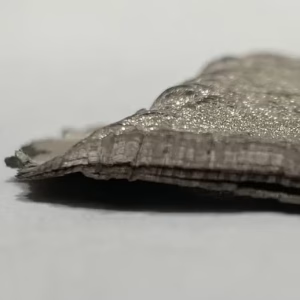
CRADAは「Novel & Emerging Technology Exploitation(NETE)」と題され、合意番号#19-15として2019年にTTSAと米陸軍戦闘能力開発コマンド(DEVCOM)の地上車両システムセンター(GVSC)の間で締結されました。
このプロジェクトは、TTSAが提供した「Artifact A1」と文書で呼ばれる金属サンプルの分析に焦点を当てていました。
同社は、この材料が防衛応用への可能性を有し、ポドリスクイらによる『Journal of Modern Optics』に掲載された理論設計に基づき、電磁波(EM)波導管として機能する可能性があると主張しました。
CRADAに基づく試験のためにTTSAが提供した唯一のサンプルは、マグネシウム・亜鉛・ビスマス製アーティファクト「A1」です。
5年間のパートナーシップ期間中、TTSAが過去に公に主張していたように、複数の証人や希少材料の保管者/調査員から入手したとされる「A2」「A3」などの追加サンプルは分析のために提出されませんでした。
TTSAが異常な物品のコレクションを保有していると主張していたにもかかわらず、陸軍の文書は、政府の評価のために提供されたアーティファクトは1点のみであったことを確認しています。
陸軍は、オークリッジ国立研究所(ORNL)と全領域異常解決局(AARO)と協力し、5年間にわたり構造的、組成的、同位体分析を実施しました。TTSAの初期主張にもかかわらず、最終的な結論は明確でした:「米国政府は、A1の物理的および元素的特性が現在の状態ではEM波導管として機能する可能性がないと判断しました」と報告書は述べています。
サンプルには適切な構成材料が含まれていましたが、理論通りに機能するための必要な構造が欠如していました。
この遺物は最終的に「テスト対象物、製造製品または副産物、またはマグネシウム合金の特性を評価するための航空宇宙性能研究の材料成分」と評価されました。
注目すべきは、陸軍の最終報告書にUAP(未確認航空現象)、UFO、または地球外起源に関する言及が一切ない点です。
これらの用語は、TTSAが合意を発表した際に広範な推測を招いたものでした。
代わりに、報告書は「地上車両の生存性と保護」への潜在的な応用範囲に限定されています。
陸軍は、この取り組みを科学的に価値あるものと分類し、研究が「国家安全保障上の関心事である新規材料に関する知識と科学を前進させた」と述べています。
また、防衛機関、民間企業、立法関係者間の関係構築に貢献したと評価しています。しかし、陸軍はサンプルに「軍事的または地上車両への応用はない」と結論付け、 「共同知的財産は生成されていない」と明記しています。
AAROとオークリッジが科学的調査結果を公表
陸軍の最終報告書は、分析の追加文書についてAAROのウェブサイトを参照するよう読者に案内しています。
現在公開されている主要な文書の一つは「オークリッジ国立研究所(ORNL)による金属試料の分析概要」で、AAROが作成しました。
AAROの要約によると、ORNLは2021年6月にサンプルを受け取り、光電子顕微鏡、走査電子顕微鏡、エネルギー分散型X線分光法、レーザー誘起破壊分光法、ラマン分光法、X線回折、質量分析法を含む包括的な分析手法を適用しました。
これらの結果は、陸軍の最終報告書で要約された内容と一致しています。ORNLは、試料がマグネシウム、亜鉛、ビスマスからなる層状構造で構成されていると結論付けました。
しかし、科学的レビューでは、このような材料はメタマテリアル研究において理論的な関心対象となっているものの、試料には実用的な波導体として機能したり異常な挙動を示したりするための均一性や精密な製造が欠如していると強調されています。
「サンプルは商業的な技術を使用して製造された可能性が高い」とORNLの報告書は指摘し、「層間の界面は不均一で、基本的な鋳造やロール成形方法によって形成された可能性が高い」と述べています。
さらに、報告書は、対象物が既知の工業プロセスで一般的に達成可能な範囲を超える特性を有する兆候はなかったと述べています。
ORNLの分析は、陸軍の立場を反映し、当該物質が「未知の起源ではない」ものであり、特異な能力を示さなかったと結論付けています。
この物体は、従来の航空宇宙分野や学術研究で用いられる試験材料と一致するものと分類されています。

陸軍とTTSAの透明性ギャップ
陸軍とAAROは現在、契約文書と科学的調査結果を公開していますが、TTSA(現在は「To The Stars」と改名)は限定的な公的対応しか示していません。TTSは、2つの短いプレスリリースでORNLとAAROの分析結果を認め、分析の促進における役割を擁護しました。しかし、これらの投稿を超えて、同組織はCRADAの広範な結果についてほとんど言及しておらず、アーティファクトA1に関する自社の見解に基づく技術データや詳細な評価も公開していません。
かつて科学と透明性を重視する企業として宣伝されていたTTSAは、その後、エンターテインメントとメディア事業に焦点を移し、かつて保有を主張していた他の資料に関する実質的な更新をほとんど提供していません。複数の証人や保管者からアーティファクトを取得したにもかかわらず、組織は追加のテストが行われたか、または追加のサンプルが独立して評価されたかどうかを明らかにしていません。
皮肉なことに、TTSAがかつて秘密保持を批判した米陸軍とAAROは、この件においてより透明性を示しています。CRADAの全文公開から最終報告書と支援する実験結果まで、政府はプロジェクトに関する最も包括的な公開記録を提供しています。
それでも、陸軍は TTS を「 優れたパートナー」と評価し、AARO との「相互の関心、目的、目標」を踏まえ、今後の協力の可能性を支持し、協力に感謝の意を表しました。
しかし、最終的な結論は明らかです。TTSA CRADA の下で分析された唯一の物質は、特異な機能を示さず、新たな軍事用途も発見されず、従来の工業用または航空宇宙用のサンプルと評価されました…回収された異常な飛行体の証拠ではありませんでした。
訂正 5/29/25 – 4:15PM 太平洋時間: この記事は、To The Stars (TTS) が2025年初頭にオークリッジ国立研究所 (ORNL) とAAROの調査結果に関する限定的なコメントを発表した事実を反映して更新されました。
元のテキストでは、同組織が沈黙を保っていたと記載されていましたが、TTSは2つの短いプレスリリースで結果を認めていました。ただし、同組織は過去に保有を主張していた追加の資料に関する技術データや実質的な更新を公表していません。The Black Vaultは誤った表現を謝罪します。

地上車両システムセンター
終了報告書
契約番号: 19-15
協力者名: To the Stars Academy of Arts and Science, Inc. (TTSA、現在はTTS)
終了日: 2024年10月10日
契約タイトル: 新規・新興技術活用(NETE)
政府主要研究者/連絡窓口: Ben Soave、Joseph Cannon
プロジェクト概要:
To The Stars Academy of Arts and Science(現在The The Stars(TTS))は、陸軍地上車両の能力向上に役立つとTTSが考える、物質的技術革新と技術的成果を有する企業です。これらの技術革新は、メタマテリアルおよび量子物理学の進歩を活用して性能の向上を推進し、協力者によって取得、設計、または生産されています。協力者は、米国陸軍 DEVCOM 地上車両システムセンター - 地上車両の生存性および保護 (GVSP) に成果物/技術を提供しました。GVSP は、政府の研究所およびリソースを使用して、この技術の特性評価を行い、地上車両への応用を探っています。
研究計画:
この研究は 2 段階に分けて実施されました。
フェーズ1:材料と構造の特性評価
この活動は、米国陸軍戦闘能力開発コマンド(DEVCOM)地上車両システムセンター(GVSC)において実施され、TTSが提供したマグネシウム-亜鉛-ビスマス試作品(A1)の材料と構造的特性を評価しました。結果は、DEVCOM GVSC材料特性評価実験室試験報告書「未知起源の金属試料の分析」(CUI)およびDEVCOM GVSC成果発表「新規・新興技術活用CRADA:試料1成果報告書」(CUI)に公表されました。
フェーズ1の分析では、顕微鏡観察と分光分析技術を用いて試料を評価しました。
フェーズ2:形態と微細構造の特性評価
この活動は、オークリッジ国立研究所(ORNL)との連携のもと、全領域異常解決局(AARO)によって実施されました。
AAROとORNLは、顕微鏡、分光法、分光測定法を含む複数の手法を用いて、アーティファクト1の構造、化学組成、同位体比を評価しました。
ORNLとAAROの報告書および結果は、以下のリンクから入手可能です:https://www.aaro.mil/UAP-Records/.
配布に関する声明 A 公開が承認されており、配布は制限なし。OPSECA9589

TRL 開始:
N/A
TRL 終了:
N/A
政府の目標: 新興かつ革新的な材料製品および技術を、地上車両応用向けに特性評価し活用すること。
協力者の目標: 政府の分析結果と知見を活用し、TTS技術を軍事用地上車両応用向けに適応させること。
研究成果:
TTSのA1における主要な機能的主張は、その微細構造がPodolskiyら[1]で記述された電磁(EM)エネルギー波導管として機能する構成材料と類似し、それらを保有している点であった。
マクロおよびマイクロ材料特性評価は、GVSC、AARO、およびORNL(米国政府)により2019年から2024年にかけて実施された。
米国政府(USG)は、A1の現在の状態では、EM波導体として機能するための物理的および元素特性が不適合であるとの結論に至りました。
サンプリングされた試料はEM波導体として適した構成材料を有していましたが、現在の物理構造と元素特性はEM波導体として機能するための要件を満たしていません。
利用可能なすべての証拠を考慮し、米国政府は、この試料はテスト対象物、製造製品または副産物、またはマグネシウム合金特性評価のための航空宇宙性能研究の材料成分である可能性が高いと評価しました。
得られた利益:
この共同研究により、数多くの利益が得られました。その利益には以下のものが含まれます:
民間企業と政府機関が協力して、国家安全保障上の関心事に関する現代の科学的問題の知識と理解を促進すること。
異なる米国政府機関と民間企業との間で、共通の国家安全保障利益に向けたネットワークと関係が拡大されました。
新規材料と技術の特性評価および分析に関する公衆の知識と科学的プロセスの進展。
PIの解釈:
1. この研究は努力に値したか?
配布声明 A 公開配布が承認され、配布は制限なし。OPSECA9589

この研究は、国家安全保障に関連する新規材料に関する知識と科学の進展に貢献したため、努力の価値がありました。この研究は、異なる政府機関、主要な防衛産業パートナー、技術起業家との連携関係を構築し、将来同様の研究課題が生じた際に活用可能な基盤を築きました。また、立法機関と一般市民に対し、現代の国家安全保障に関する課題について情報提供を行い、信頼と透明性を強化しました。
2. あなたまたは共同研究者は、知的財産権が割り当てられた開発中の技術をテストおよび評価しましたか? A1サンプルはTTSの知的財産権に属します。A1は、提示された内容において軍事用途や地上車両への応用可能性がないと判断されました。CRADAの下で共同の知的財産権は開発されませんでした。
3. 研究は期待された結果をもたらしましたか?
研究は、協業開始時に想定されていた使用可能なEM波導管設計をもたらしませんでした。
4. 研究は問題を解決したり、新たな問題を特定しましたか?
研究は、米国政府の防衛・諜報コミュニティの最前線にある重要な国家安全保障に関する質問に回答しました。
5. 研究/共同研究はプロセスを精緻化または改善しましたか?
研究は、AAROが議会からの立法上の使命の一環として特徴付け・解決した最初の物理的アーティファクトとして、ヒューリスティクスと異常材料の特性評価プロセスを開発しました。
6. 研究/共同研究は新たな発明または他の知的財産を生み出しましたか?
このCRADAの下で新たな知的財産は開発されませんでした。
7. この協力者との協働を将来的に推奨しますか?
TTS は、NETE CRADA に基づく技術成果物の共同研究において、GVSC および国防総省(DOD)の関心に対して、優れたパートナーとして協力してきました。
CRADAS の設立以来、国防総省は、新規/異常物質特性評価の主要推進機関として AARO を正式に設立しました。AARO と TTS は、相互の利益、目的、目標を共有しており、この科学分野における今後の共同研究から恩恵を受けることができるでしょう。
8. 技術が進化した理由または進化しなかった理由は何ですか?
TTSが提示した技術資産は、その管理履歴と報告された経緯から、完璧な状態ではありませんでした。技術資産の物理的/構造的状態と元素
配布に関する声明 A 公開が承認されており、配布は制限なし。OPSECA9589
以下略

●What the U.S. Military Now Says About TTSA’s Anomalous Artifact

The U.S. Army has officially closed out its Cooperative Research and Development Agreement (CRADA) with To The Stars Academy of Arts & Science (TTSA), ending a five-year government-backed investigation into alleged anomalous materials that once captured headlines for their rumored connection to unidentified anomalous phenomena (UAP). The final close-out report, obtained via the Freedom of Information Act (FOIA) and now published by The Black Vault (available below), provides an inside look into the results from the U.S. Army’s point of view.
The CRADA, designated Agreement #19-15 and titled “Novel & Emerging Technology Exploitation (NETE),” was initiated in 2019 between TTSA and the U.S. Army Combat Capabilities Development Command (DEVCOM) Ground Vehicle Systems Center (GVSC). The project focused on analyzing a metallic sample referred to in the documents as “Artifact A1” which was provided by TTSA. The company claimed the material held promise for defense applications, including the potential to act as an electromagnetic (EM) waveguide based on theoretical designs published by Podolskiy et al. in Journal of Modern Optics.
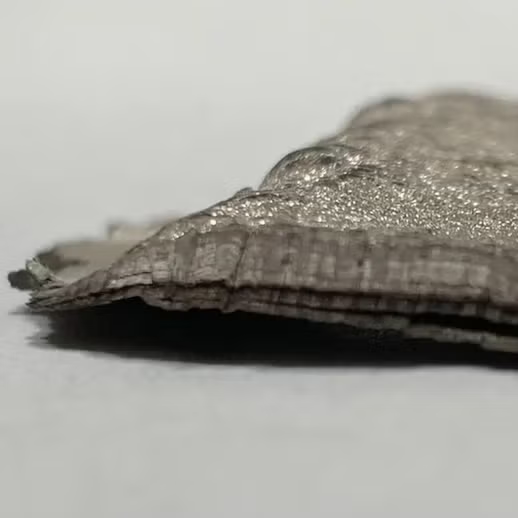
It should be noted that the only sample provided by TTSA for testing under the CRADA was the Magnesium-Zinc-Bismuth Artifact designated as “A1.” No additional samples such as an A2, A3, etc. were submitted for analysis during the five-year partnership, despite TTSA’s previous public assertions that it had acquired multiple alleged artifacts from various witnesses and caretakers/investigators of exotic materials. Despite the organization’s broad claims about possessing a collection of anomalous items, the Army’s documentation confirms that only a single artifact was ever made available for government evaluation.
Continue scrolling for more...
The Army, in partnership with Oak Ridge National Laboratory (ORNL) and the All-domain Anomaly Resolution Office (AARO), conducted structural, compositional, and isotopic testing over a five-year span. Despite TTSA’s initial claims, the final verdict was clear: “The USG found that the physical and elemental properties of the A1 are incompatible in its current state to serve as an EM wave guide,” the report states. While the sample contained the right constituent materials, it lacked the necessary structure to function as theorized. The artifact was ultimately assessed as “likely a test object, a manufacturing product or byproduct, or a material component of aerospace performance studies to evaluate the properties of Mg alloys.”
Significantly, the Army’s close-out report contains no mention of UAPs, UFOs, or extraterrestrial origins — all terms that fueled widespread speculation when TTSA first announced the agreement. Instead, the report limits its scope to potential applications for “ground vehicle survivability and protection.”
The Army categorized the effort as scientifically worthwhile, stating the research “advanced the knowledge and science regarding novel materials of national security interest.” It also credited the effort for developing relationships between defense agencies, private industry, and legislative stakeholders. However, the Army concluded there was “no military or ground vehicle application” for the sample, and “no joint intellectual property” was generated.
AARO and Oak Ridge Publish Supporting Scientific Findings
The Army’s close-out report refers readers to the AARO website for additional documentation of the analysis. One key document now publicly accessible is titled “Synopsis of Analysis of a Metallic Specimen Conducted by Oak Ridge National Laboratory (ORNL)” and was authored by AARO.
According to the AARO synopsis, ORNL received the sample in June 2021 and subjected it to a comprehensive suite of analytical methods, including light and scanning electron microscopy, energy-dispersive x-ray spectroscopy, laser-induced breakdown spectroscopy, Raman spectroscopy, X-ray diffraction, mass spectrometry, and other techniques.
The findings align with those summarized in the Army’s close-out report. ORNL concluded that the sample was composed of magnesium, zinc, and bismuth in a layered structure. However, the scientific review emphasized that while such materials have been of theoretical interest in metamaterials research, the sample lacked uniformity and precision manufacturing that would be required for it to function as a practical waveguide or exhibit anomalous behavior.
“The sample likely was made using commercial techniques,” the ORNL report states, noting “the interfaces between the layers were inconsistent and likely formed through basic casting or rolling methods.” Furthermore, the report states there was no indication that the object had properties beyond what is commonly achievable through known industrial processes.
The ORNL analysis echoes the Army’s position that the material was “not of unknown origin” and did not exhibit exotic capabilities. It categorizes the object as consistent with test materials used in conventional aerospace or academic research contexts.
Transparency Gap Between Army and TTSA
While the Army and AARO have now made available both the contractual documentation and supporting scientific findings, TTSA, which is now known as “To The Stars” (TTS), has offered only limited public response. In two brief press releases, TTS acknowledged the ORNL and AARO findings and defended its role in facilitating the analysis. However, beyond those posts, the organization has remained largely silent on the broader results of the CRADA and has not released any technical data or in-depth assessment of Artifact A1 from its own perspective.
Once promoted as a scientific and transparency-driven enterprise, TTSA has since shifted its public focus toward entertainment and media ventures, offering little to no substantive updates on the other alleged materials it once claimed to possess. Despite having acquired artifacts from various witnesses and custodians, the organization has not disclosed whether any further testing has occurred or if additional samples were ever evaluated independently.
Ironically, the very government entities TTSA once challenged for secrecy, namely the U.S. Army and AARO, have proven more transparent in this case. From the release of the full CRADA agreement to the final close-out report and supporting laboratory findings, the government has now provided the most comprehensive public record of the project.
Even so, the Army expressed appreciation for the collaboration, calling TTS “an excellent partner” and endorsing the potential for future work with AARO given their “mutual interests, aims and ends.”
But the final conclusion is clear. The lone material analyzed under the TTSA CRADA did not exhibit any exotic functionality, yielded no new military applications, and was assessed as a conventional industrial or aerospace sample… not evidence of a recovered anomalous vehicle.
###
Correction 5/29/25 – 4:15PM Pacific: This article was updated to reflect that To The Stars (TTS) did publish limited commentary on the Oak Ridge National Laboratory (ORNL) and AARO findings in early 2025. While the original text stated the organization had remained silent, TTS did acknowledge the results in two brief press releases. However, the organization has not released technical data or substantive updates regarding any additional materials it once claimed to possess. The Black Vault regrets the mischaracterization.
@Kz.UFO現象調査会