
The choice of floor tiles is an important stage of repair, which directly affects the durability of the coating, ease of use and the appearance of the room. There are many options on the market that differ in material, strength, design and cost. In order not to make a mistake, it is necessary to take into account the features of the room, the expected load and operating conditions. In this article, we will consider in detail which tile is better to choose for the floor and what to pay attention to when buying.

The main types of floor tiles
There are several popular types of tiles used for flooring. Each of them has its advantages and disadvantages.
Ceramic tile
Ceramic tiles are considered a classic option. It is made of clay with additives and fired at a high temperature. This material is resistant to moisture and easy to care for. However, it may crack under strong mechanical loads.
Ceramic granite
Ceramic granite is characterized by high strength and wear resistance. It is suitable for areas with high traffic such as corridors and kitchens. Thanks to its dense structure, it practically does not absorb moisture.
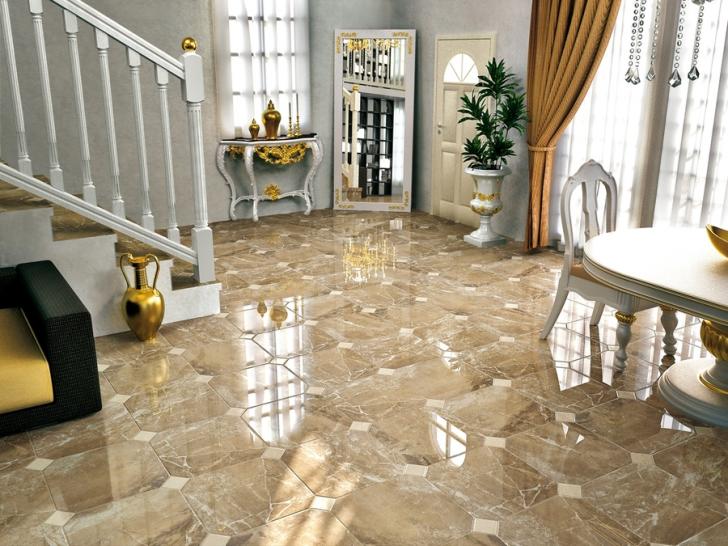
Quartz vinyl tile
This modern material combines flexibility and wear resistance. It is warm to the touch and less slippery than ceramic, making it a good choice for living spaces.
Tile selection criteria
When choosing a tile, it is important to consider not only the appearance, but also the technical characteristics. Below are the main parameters that you should pay attention to.
- Wear resistance - determines how resistant the tile is to abrasion.
- Water absorption is important for bathrooms and kitchens.
- Anti-slip properties - especially relevant for wet rooms.
- Strength - affects resistance to mechanical damage.
- The size and shape determine the convenience of laying and the visual effect.
Comparison of tile characteristics
To better understand the differences between the main types of tiles, consider them in the table.
| Tile type | Strength | Moisture resistance | Field of application |
| Ceramic | average | High | Kitchen, bathroom |
| Ceramic granite | Very high | Very high | Corridor, public premises |
| Kvartsvinilova | High | High | Living rooms |
How to choose tiles for different rooms
For the kitchen
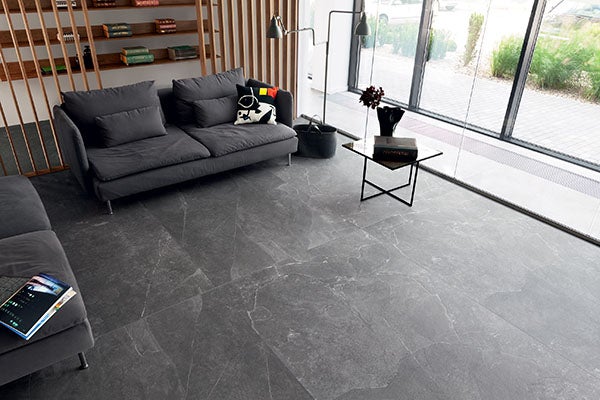
The kitchen is a zone with increased load and risk of contamination. It is better to use ceramic granite or high-quality ceramic tiles with high wear resistance. It is important that the surface is non-slippery and easy to clean.
For the bathroom
In the bathroom, the main factor is moisture resistance. It is recommended to choose a tile with minimal water absorption and a rough surface to reduce the risk of falls.
For the corridor
The corridor experiences the greatest load, especially from street shoes. The optimal choice will be ceramic granite, which can withstand intensive use and does not lose its appearance over time.
For living rooms
In the bedroom or living room, you can use quartz vinyl tiles or ceramics with a decorative coating. Comfort and appearance are more important here than maximum strength.
Design and aesthetics
Modern tiles are presented in a huge variety of designs. It can imitate wood, stone, concrete or even textiles. When choosing, you should take into account the general style of the interior. Light shades visually increase the space, and dark ones add depth and coziness to the room.
It is also important to choose the right tile size. Large formats are suitable for spacious rooms, and small tiles help to visually adjust small spaces.

Errors when choosing a tile
Often, buyers focus only on appearance, forgetting about practical characteristics. This can lead to rapid wear of the coating or inconvenience in use. Another common mistake is choosing tiles that are too smooth for wet rooms.
You should also not skimp on quality. Cheap tiles can have an uneven geometry, which complicates laying and worsens the final result.
Conclusion
The choice of floor tiles depends on many factors: the type of room, load level, operating conditions and design preferences. Ceramic granite is suitable for intensive use, ceramic tiles are a universal option, and quartz vinyl tiles provide comfort in living areas.
Before buying, it is important to carefully study the characteristics of the material and correlate them with your tasks. This approach will allow you to create a durable, safe and aesthetically attractive floor covering.