
Waterproofing mastic is a reliable means of protecting building structures from moisture penetration. It is used to treat foundations, roofs, walls in basements, balconies and other surfaces exposed to water. Correct application of mastic ensures the durability of the building and prevents the destruction of materials. In this article, we will take a detailed look at the application process, preparation, and key nuances so that the result is high-quality and long-lasting.
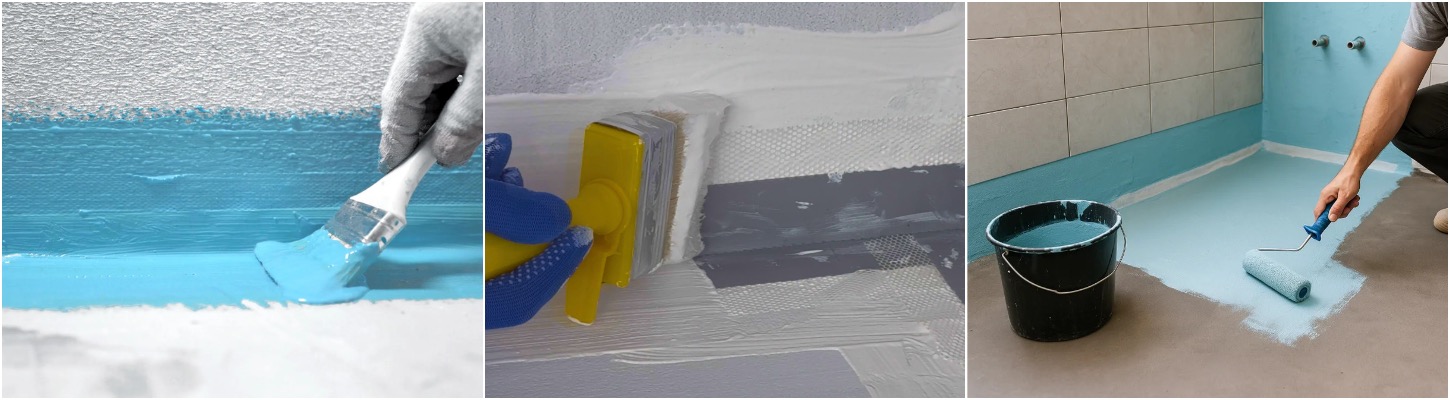
What is waterproofing mastic
Waterproofing mastic is a viscous material based on bitumen, polymers or cement. It is characterized by high adhesion to various bases: concrete, brick, metal. After drying, it forms a waterproof layer. There are hot and cold mastics. Cold ones are more convenient to use, as they do not require heating.
The main advantages of mastic include ease of application, elasticity and the possibility of use on complex surfaces. However, to achieve maximum efficiency, it is necessary to strictly follow the manufacturer's instructions.
Types of waterproofing mastics
There are many options on the market. The choice depends on the operating conditions and the type of surface. Below is a table with the main characteristics of popular types.
| Type of mastic | Basis | Application temperature | Term of service |
| Bituminous | Bitumen | From +5 C | 10-15 years |
| Polymeric | Polymers | From -10 C | 20+ years |
| Cement-polymer | Cement | From +5 C | 15-20 years |
Bituminous compositions are suitable for foundations, polymer compositions are suitable for roofs and facades. Always read the specifications before buying.

Surface preparation
The quality of waterproofing directly depends on the preparation of the base. The surface must be clean, dry and strong. Remove dust, dirt, old coatings, grease and rust. Fill the cracks and seams with a repair solution. If necessary, use a primer to improve adhesion.
The humidity of the base should not exceed 5-8%. Special devices can be used for checking. Carry out work at positive temperatures, avoiding rain and strong wind. Preparation takes up to 70% of the time of the entire process, but it is this that ensures the reliability of the coating.
Necessary tools and materials
To apply mastic, prepare such a set:
- Brush or roller for application
- Spatula for thick compounds
- Mixing container
- Protective clothing and gloves
- Primer and repair mixtures
This minimum set is sufficient for most jobs. For large volumes, it is convenient to use mechanized sprayers.
Step-by-step application instructions
The application process consists of several stages. First, mix the mastic to a uniform consistency. Apply the first layer thinly - this will be the primer layer. Let it dry according to the instructions, usually 4-6 hours.
Apply the second and subsequent layers perpendicular to the previous ones for even coverage. The thickness of each layer should not exceed that recommended by the manufacturer to avoid the appearance of cracks during drying. For vertical surfaces, use thicker compositions so that the material does not flow.
Pay special attention to corners, joints and places of abutment. Here you can apply reinforcing mesh or tape for additional strength. After applying the final coat, allow the coating to dry completely, usually 24-72 hours depending on temperature and humidity.

Common errors during operation
One of the most common mistakes is application on a wet surface, which leads to peeling. Another is too thick a layer that causes bubbles and cracks. Do not ignore the drying time between coats. It is also important to work in appropriate clothing and ensure ventilation, as some compounds have a strong smell.
Avoid working at temperatures below the recommended temperature. This can impair the adhesion and elasticity of the coating. Always read the instructions for a specific mastic, as technologies may differ.
Tips and recommendations
To increase durability, combine mastic with other materials, such as roll waterproofing. Apply mastic in dry weather. Store the material in a closed room at room temperature. After completing the work, check the coating for gaps - use the water test.
If the area is large, divide the work into separate areas. This will allow you to follow the technology and avoid overwork. Regularly check the expiration date of the mastic. Expired material loses its properties.
Periodically inspect the waterproofing during operation. In case of damage, carry out local repairs. This will make it possible to avoid serious leaks in the future.
Safety measures
Work in safety glasses, a respirator and gloves. Avoid getting the mastic on the skin and in the eyes. Ensure good ventilation when working indoors. Keep materials away from sources of fire, especially bituminous compounds. In case of fire, use a class B fire extinguisher.
Dispose of residues in accordance with local regulations. Do not pour them down the drain. After completing the work, thoroughly wash the tools with a solvent or a special agent.

Conclusion
Proper application of waterproofing mastic is the key to protecting your home from moisture. By following the recommendations, you will be able to do the work yourself and achieve an excellent result. Remember to prepare, choose the right material and follow the technology. High-quality waterproofing will last for decades, saving money on repairs.