
The choice of glue for tiles in wet rooms is one of the key stages of renovation of a bathroom, shower, kitchen or swimming pool. The durability of the coating, resistance to moisture, fungus and mechanical loads depends on the correct selection of the composition. Incorrectly selected glue can lead to peeling of the tile, the appearance of cracks and even damage to the waterproofing. In this article, we will consider the main selection criteria, types of compounds, application features and practical recommendations that will help to avoid common mistakes.
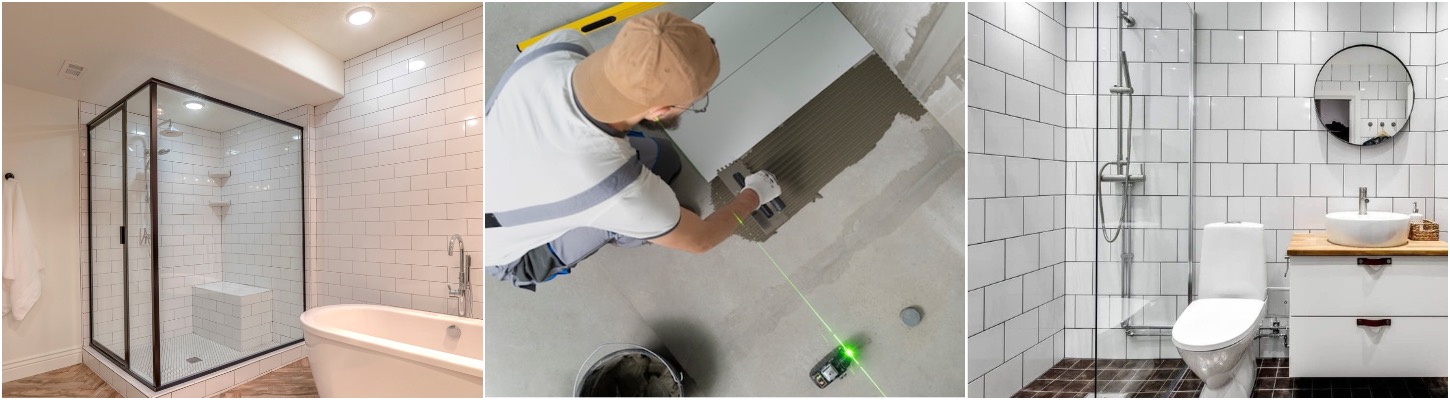
Why wet areas need special glue
Wet rooms are characterized by constant exposure to water, steam, temperature changes and high air humidity. This creates additional loads on the adhesive layer. Ordinary cement glue, designed for dry rooms, quickly loses its strength in such conditions. Moisture penetrates the structure, reduces adhesion and promotes the development of microorganisms. That is why compositions with increased water resistance, elasticity and resistance to alkaline environments are needed for bathrooms, showers, areas around sinks and swimming pools.
In addition, ceramic tiles, porcelain stoneware, mosaic or glass are often used in wet areas. Each material has a different porosity and coefficient of linear expansion. The adhesive must compensate for these differences to avoid stresses in the seams and on the surface. Modern manufacturers offer specialized mixtures that comply with European standards EN 12004 and are marked C2, S1, S2 or additional markings for wet conditions.
The main types of adhesives for tiles
There are several categories of glues on the market, which differ in composition, properties and scope of application. Understanding these differences helps you make an informed choice.
Cement adhesives
The most common option is dry mixtures based on Portland cement with the addition of polymers, plasticizers and modifiers. They are divided into classes C1 and C2. Class C1 is suitable for simple conditions, while C2 has increased adhesion and is recommended for wet areas. Additional indices F (fast setting), T (reduced slip) and E (extended exposure time) allow you to choose a composition for specific tasks. C2TE or C2TES are often chosen for bathrooms1.
Polymer additives in the composition increase elasticity and water resistance. Such glues work well with ceramic granite and large-format tiles. They are economical, convenient to use and compatible with most bases - concrete, brickwork, plasterboard (provided proper preparation).
Dispersion adhesives
This is a ready-to-use water-based paste. They have high elasticity and are suitable for small areas or complex foundations. However, their use is limited in permanently wet areas, as they are less resistant to long-term contact with water compared to cement or reactive compositions. Most often, they are used for wall cladding in bathrooms with good ventilation.
Reactive (epoxy and polyurethane) glues
These compositions consist of two components - resin and hardener. They provide maximum strength, chemical resistance and complete waterproofing. Epoxy adhesives are ideal for swimming pools, industrial premises and areas with an aggressive environment. Polyurethane options are more elastic and compensate well for base deformations. Disadvantages - high cost, difficulty of application and the need to accurately observe the mixing proportions.
Key characteristics of glue for wet areas
When choosing, you should pay attention not only to the class, but also to the specific parameters indicated in the technical passport. The most important of them:
- Water resistance and frost resistance - the glue should not lose its strength during constant contact with water and temperature changes.
- Elasticity (classes S1 and S2) - allows you to compensate for deformations of the base and tiles.
- Adhesion to various surfaces is especially important for ceramic granite with low water absorption.
- The time of open exposure and adjustment affects the convenience of laying.
- Slip resistance is critical for wall cladding.
It is also worth checking the compatibility of the glue with waterproofing materials. Many modern systems involve the use of special primers and membranes that work together with the adhesive composition.
How to choose glue depending on the conditions
The selection process begins with an analysis of the room and materials. For a standard bathroom with ceramic tiles on the walls and floor, high-quality cement glue of the C2TE class is enough. If a warm floor is planned, a composition with increased elasticity (S1 or S2) is required. For shower trays and areas in direct contact with water, it is better to choose an epoxy version or cement glue with additional hydrophobic additives.
The type of foundation also matters. Most cement adhesives are suitable for concrete or cement screed. Drywall requires preliminary priming and compositions with good adhesion to plaster. Older coatings or complex surfaces may require reactive systems. The size and weight of the tile affect the thickness of the layer and the type of notched trowel. For large-format plates, glues with increased strength and reduced slip are recommended.
The climatic conditions of the region should also be taken into account. In rooms with high air humidity or poor ventilation, preference is given to compositions with antiseptic additives that prevent the appearance of mold.
Comparison table of the main types of adhesives
| Type of glue | Water resistance | Elasticity | Scope of application | Estimated cost |
| Cement C2 | High | Average (S1/S2) | Bathrooms, kitchens, walls and floors | average |
| Dispersive | average | High | Walls, small areas | average |
| Epoxy | Maximum | Low-medium | Pools, industrial zones | High |
| Polyurethane | High | Very high | Deformation foundations, facades | High |
Preparation of the surface before laying
Even the best glue will not provide a reliable result without quality preparation of the base. The surface must be clean, dry, strong and even. Differences of more than 3-5 mm per meter require leveling. For wet areas, waterproofing is mandatory - coating, roll or combined. The waterproofing layer is applied after priming and allowed to dry completely.
The primer increases adhesion and reduces absorption of the base. Deep-penetrating compositions are chosen for porous materials, and adhesive compositions for dense ones. Special tapes and cuffs are used in the corners and joints to prevent leakage.

Peculiarities of working with different bases
Concrete and cement surfaces usually do not require complex measures, cleaning and priming are enough. Plasterboard constructions must be treated with moisture-resistant soil and checked for fastening strength. Wooden bases are rarely used in wet areas, but if necessary, elastic adhesives and additional waterproofing are used. Metal surfaces require special primers and reactive compounds.
Glue application technology
Correct application is the key to longevity. Dry mixtures are diluted with clean water according to the manufacturer's instructions. Mixing is carried out with a mixer until a homogeneous consistency without lumps. The finished solution is kept for 5-10 minutes for ripening and mixed again.
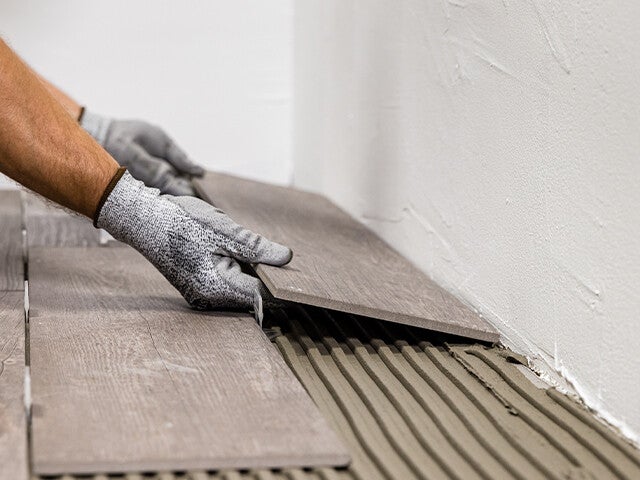
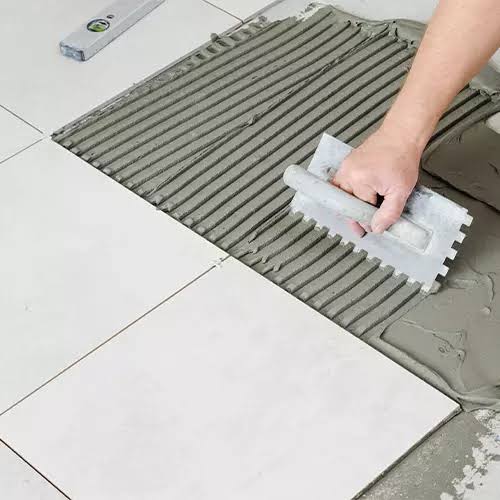
Glue is applied to the base with a notched spatula. The size of the teeth depends on the format of the tile: for mosaic - 3-4 mm, for standard tile - 6-8 mm, for large format - 10-12 mm and more. On smooth or large plates, glue is additionally applied to the reverse side (double application method). This ensures complete filling of the space and increases strength.
The tile is pressed and the position is adjusted during the time of open exposure. Excess glue is immediately removed. Seams are filled after complete drying of the adhesive layer - usually after 24-48 hours. Epoxy or cement grouts with hydrophobic properties are chosen for wet areas.
Common mistakes and how to avoid them
One of the most common mistakes is saving on the quality of glue. Cheap mixtures without polymer additives quickly break down in a humid environment. Another problem is ignoring waterproofing. Even waterproof glue does not replace a full-fledged water barrier. Insufficient application of glue leads to voids under the tile where water enters. Exceeding the thickness of the layer can cause cracks during drying.
It is important to observe the temperature regime during work. Most glues are designed for use at temperatures from +5 to +30 degrees. At low temperatures, hardening slows down, at high temperatures, the lifetime of the solution is shortened. You can't turn on the warm floor immediately after laying - you need to wait for the full set of strength.
Caring for tiled flooring in wet areas
After the work is completed, the coating needs proper care. In the first days, avoid intensive exposure to water. For cleaning, use mild detergents without abrasives and aggressive acids. Regular ventilation of the room reduces the risk of condensation and mold. In the event of local damage to seams or glue, they are quickly repaired so that water does not penetrate deeper.
Periodic inspection of the coating allows timely detection of problems. Special attention is paid to areas around drains, corners and joints with plumbing. High-quality laid tiles with the right glue serve for decades without losing aesthetic and functional properties.
Conclusions and practical recommendations
Choosing adhesive for tiles in wet areas is a process that requires attention to detail. It is worth focusing on class C2 with elasticity indices, checking compatibility with waterproofing and following application technology. For most domestic bathrooms, high-quality cement glue with polymer additives is sufficient. In difficult conditions - swimming pools, showers without a tray or industrial premises - it is better to turn to reactive systems.
Before starting work, study the manufacturer's technical documentation, consult with specialists and do not neglect the preparatory stages. Investment in the right glue and quality materials pays off with the durability of the coating and the absence of additional repair costs. By following the described recommendations, you will ensure a reliable and aesthetic cladding that will withstand the test of moisture and time.
The modern market offers a wide selection of products from proven brands. Pay attention to certificates of conformity, reviews of professionals and storage conditions of mixtures. The right choice and quality work guarantee that your bathroom or kitchen will remain beautiful and functional for many years..