
Severe weather events across https://eduardownyy754.halcyonledger.com/posts/the-ultimate-guide-to-roof-replacement-in-gosnells-wa Western Australia can take an immediate toll on residential roofing systems. In Perth\'s southeastern corridor, including suburbs like Gosnells, properties frequently endure intense winter cold fronts and sudden summer convective storms featuring high winds, torrential downpours, and hail. Knowing the exact sequence of actions to take when your roof sustains storm damage protects your home's structural integrity, ensures personal safety, and streamlines the insurance claims process.
Immediate Safety Measures Following a Storm
The priority in any storm aftermath is life safety. Never climb onto a damaged roof while it is wet, windy, or structurally compromised. Severe wind gusts can dislodge tiles or loosen metal sheeting, creating fall hazards and structural instability. Before stepping outside to evaluate your property, check for downed overhead power lines, leaning trees, or structural sagging around eaves and verandahs. If you suspect an active electrical hazard due to water entering light fixtures or ceiling spaces, switch off the main power at the switchboard immediately and contact Western Power or emergency services.
Step-by-Step Response Protocol for Property Owners
Taking structured action within the first few hours of discovering roof damage significantly limits secondary water damage and preserves evidence for insurance adjusters.
Document the damage comprehensively: From ground level, capture clear, timestamped photographs and high-definition video of missing ridge caps, displaced tiles, dented Colorbond sheets, and fallen branches. Inside the home, photograph damp ceilings, peeling paint, and pooling water before beginning cleanup. Mitigate internal water entry: Place buckets and plastic sheeting under active ceiling leaks. If a plasterboard ceiling is visibly bowing with accumulated water, puncture a small relief hole in the centre using a screwdriver to drain the water into a container, preventing a catastrophic ceiling collapse. Contact your insurance provider: Lodge your claim promptly. Western Australian insurers require immediate notification of storm events to dispatch emergency make-safe teams or authorise temporary tarping. Engage a licensed Perth roofing contractor: Ensure any contractor performing emergency repairs holds valid trade licensing and appropriate liability insurance compliant with current Western Australian building standards.Identifying Hidden Storm Damage
While missing tin sheets or shattered tiles are immediately obvious, storms often cause subtle defects that may remain unnoticed until subsequent rain causes extensive ceiling damage. Gosnells homes—which feature a mix of classic concrete tile, terracotta, and modern Colorbond metal roofing—require a detailed inspection after extreme weather.
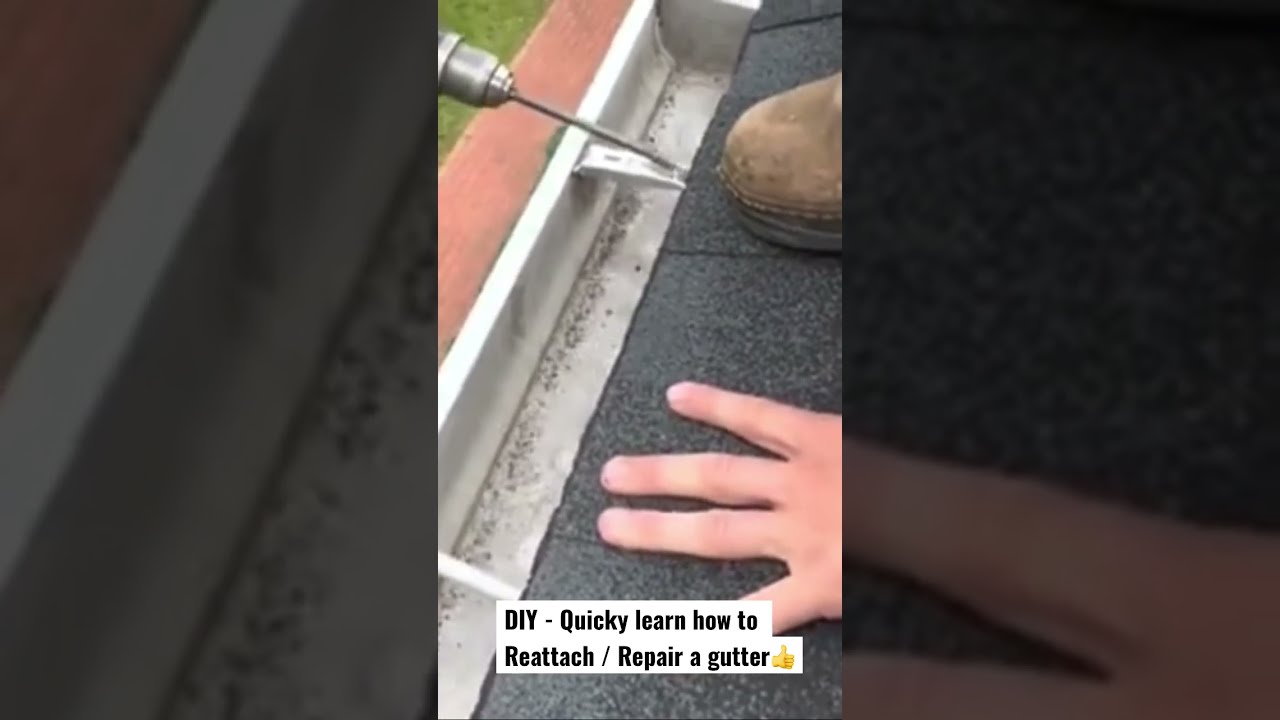
- Dislodged or cracked ridge capping: Strong wind pressure can fracture the flexible mortar pointing along the roof ridges, allowing rainwater to track beneath the tiles. Dented or uplifted metal flashings: Wind-driven rain often penetrates around roof penetrations, such as skylights, vent pipes, and air conditioning units, when lead or metal flashings are lifted. Impact fractures from hail: Hailstones can crack concrete tiles or leave indentations in steel sheeting that compromise the protective coating, accelerating rust formation. Compromised gutters and downpipes: Heavy debris accumulations can pull gutters loose from the fascia, forcing rainwater to back up underneath the eaves and into wall cavities.
Long-Term Restoration and Future Preparedness
Once emergency make-safe procedures are complete, a permanent restoration plan should be established. Building codes mandate specific wind ratings and tie-down requirements for residential structures across Perth. When carrying out permanent roof repairs or re-roofing projects, ensure materials and installation methods conform to current structural standards to resist increasingly volatile weather patterns.
Looking ahead toward future storm seasons, scheduled roof maintenance remains the most effective defence. Trimming back large overhanging gum trees, having flexible pointing reapplied by professionals, and clearing gutters each autumn helps ensure your Gosnells property remains secure against severe weather events in 2027 and beyond.
Gosnells Roof Restoration
WA, 6110
(08) 6109 9623