
Living in Kansas City means you get used to heat that feels personal and humidity that sticks around like it pays rent. Your air conditioner does more than keep the thermostat happy. When it’s cared for the right way, it also protects the air you breathe, helps prevent moisture problems, and keeps allergies from feeling like a monthly subscription.
I’ve serviced a lot of systems in older homes with older ductwork, and I’ve also seen newer installs fail early because basic maintenance was skipped. The difference in comfort usually comes down to the same handful of details: airflow, filtration, coil cleanliness, drainage, and refrigerant performance. Those are also the details that drive indoor air quality, especially during summer stretches when windows stay shut and the HVAC is your main ventilation and cooling path.
What “good AC maintenance” actually changes indoors
Most people think of air conditioning as a temperature tool. That part is true, but it’s only half the story. A properly maintained system reduces indoor air quality problems in several ways.
First, clean coils and proper airflow help the system remove moisture from the air. When the evaporator coil is dirty or airflow is weak, the coil doesn’t operate as intended. You can end up with higher indoor humidity, more condensation risk, and a musty smell that shows up when the system cycles.

Second, filtration matters. Even a decent filter can only do its job if air can move through it. When the blower compartment is coated in dust, when the filter slot is bypassing, or when the return air paths are blocked, the effective filtration drops. Then particles that would normally be captured start circulating longer.
Third, the drainage line and condensate pan need attention. If water is allowed to sit or leak, you get the kind of moisture environment that encourages microbial growth. You might not see it right away, but occupants often notice it through odors, irritated eyes, or worsening asthma symptoms.
Maintenance is the boring part that prevents the expensive and unpleasant part.
The Kansas City factor: humidity, storms, and “why it feels worse this year”
Kansas City summers swing between intense heat and humid stretches that can flatten your comfort no matter how cold the air feels at the vent. Humidity is the big reason indoor air quality becomes a real issue here.
During humid periods, the evaporator coil is working harder to wring moisture out of the air. If the coil surface is coated with dirt, dust, or household debris, the system struggles to pull moisture down. The result can be uneven cooling, longer run times, and higher humidity. Longer run times also mean more opportunities for dust to accumulate on internal surfaces.
Then there are the storms. High winds can pull dirt into outdoor units. Heavy rain can introduce organic material into places you do not want it, especially if the outdoor unit sits in a spot that collects debris. After a storm, I’ve seen systems that still “cool,” but the airflow and humidity control were off enough to trigger odor complaints within a few weeks.
Common indoor air quality problems linked to neglect
When homeowners ask for AC maintenance in Kansas City, MO, the goals often sound simple: “Keep it running,” “Don’t make me sweat,” “Help my allergies.” What I usually end up discussing is the chain reaction that starts with small issues.
- A clogged air filter forces the blower to push air through restrictions. That can reduce airflow across the coil, which affects moisture removal and makes the system work longer. A dirty evaporator coil reduces heat transfer and encourages condensation where it shouldn’t, especially if the drain path isn’t flowing properly. A poorly sealed return duct allows dust from attics or crawlspaces to enter the system. The system may pull clean air at first glance, but the return path mixes everything together. Drain line clogs or slow drainage lead to intermittent moisture retention. Even if the system drains eventually, that delay can be enough to create odor and irritant buildup.
The tricky part is that these issues sometimes show up as comfort complaints rather than obvious failures. Someone might say, “It’s cold but the house still feels muggy,” or “The air smells stale after it runs for a while.” Those are useful clues, and they usually point back to the fundamentals that maintenance addresses.
How maintenance improves comfort and reduces airborne irritation
A tuned system is a more consistent system. That matters for indoor air quality because many irritants are redistributed when the HVAC cycles inconsistently.
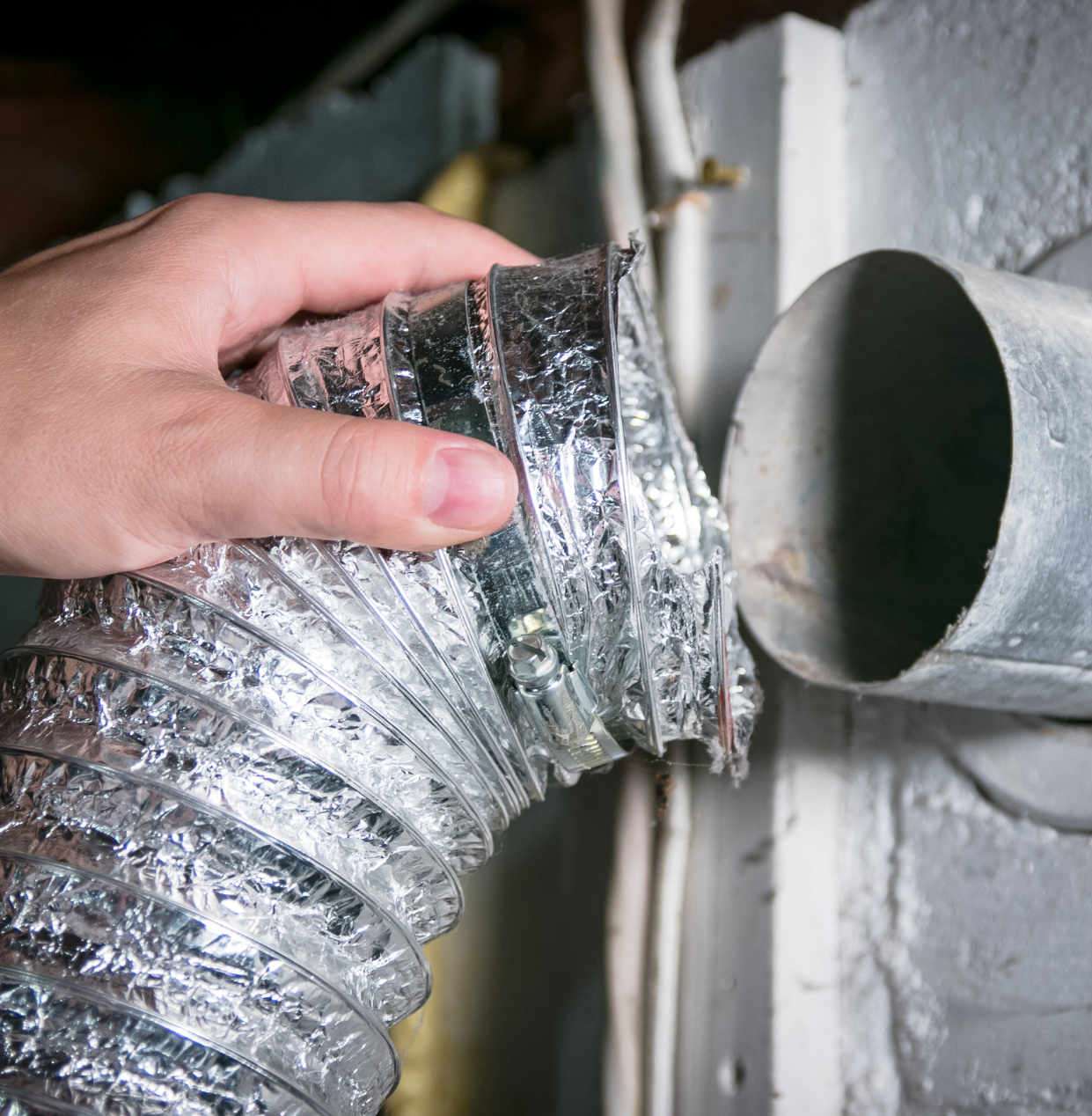
When airflow is correct, the system dehumidifies more effectively. That alone can make a noticeable difference for people sensitive to dust mites and mold-related triggers. When humidity drops into healthier ranges, the indoor environment becomes less friendly to the stuff that grows in damp conditions.
Clean indoor components also help. Dust that sits on a blower wheel or on surfaces near the evaporator can break loose and circulate again each time the system ramps up. Routine inspection and cleaning reduce the amount of material available to become airborne.
One more detail that gets overlooked: maintenance supports ventilation decisions. If you have a system running mostly on recirculation during peak heat, your filtration and humidity control carry even more weight. If you have an option for fresh-air intake or balanced ventilation, the HVAC contractor in Kansas City MO who understands the whole system can help you decide how to use it without fighting comfort or overloading the filtration.
The maintenance work that actually matters (and what it should include)
Good AC maintenance in Kansas City isn’t just swapping filters and calling it done. The best visits I’ve seen follow a logic: verify airflow, verify cleanliness where it counts, verify drainage behavior, and verify electrical and refrigerant performance as far as practical.
A typical professional maintenance visit should include checks like:
- Inspecting and replacing the air filter, and confirming the filter size and fit so air isn’t bypassing around the edges. Checking indoor airflow across the coil by measuring operational conditions, not just “does the fan run.” Inspecting the evaporator coil condition and cleaning when needed to remove buildup that blocks moisture removal. Inspecting the condensate drain line, pan, and connections to confirm water can exit cleanly during operation. Checking outdoor unit airflow and basic electrical connections, because restricted condenser airflow can harm performance and increase strain.
If those items sound familiar, that’s because they’re the backbone of both comfort and indoor air quality. They also tend to prevent the kind of system wear that leads to unexpected AC repair in Kansas City MO.
A quick homeowner checklist you can use between service calls
You’re not trying to diagnose refrigerant issues on your own. You’re trying to spot problems early, before they become comfort disasters.
- Check that the thermostat setting matches your desired comfort mode, and watch whether the system cycles unusually often. Replace the filter on schedule, and make sure it seats firmly without gaps. Keep return vents unobstructed, and avoid furniture or rugs covering them. Listen for odd drainage sounds or changes in blower behavior when the system starts. Note any recurring odors, especially “musty” smells after the system has been running.
If you catch changes quickly, you often avoid the scenario where a small airflow problem causes coil fouling and moisture issues over time.
When filter choices help, and when they backfire
A lot of indoor air quality conversations start and end with filters. Filters are important, but the “higher MERV number is always better” idea can create its own set of problems.
I’ve seen homes where someone installs a very restrictive filter and the blower responds by moving less air. Even if the filter traps more particles, the reduced airflow can mean the evaporator coil stays warmer. Warmer coils dehumidify less, which can leave the house feeling sticky and can contribute to best AC repair in Kansas City MO odor issues.
The better approach is choosing a filter that fits your system’s design and your household needs. If you have pets, frequent cooking, or sensitive occupants, you might be able to use a higher-efficiency filter, but it should be compatible with the blower capacity. A competent HVAC contractor in Kansas City MO will usually confirm airflow and recommend options that do not choke the system.
Another practical point: filter fit matters as much as filter rating. If the filter doesn’t seal tightly, air bypasses it and you lose the indoor air quality benefits you paid for.
Signs your system needs more than routine maintenance
Maintenance is proactive. Repairs are reactive. Sometimes you can tell when the system has moved into the repair territory.
Common signals include:
- The unit runs longer than usual to reach the same temperature. You feel cool air, but humidity remains high or the house feels damp. There is visible dust buildup near supply vents or around the return grille. The indoor unit freezes over or you see ice near the coil during cooling. The system smells off after cycling, especially a musty odor.
If you notice these, don’t wait for the next scheduled visit to “see if it goes away.” Small issues can snowball. For example, a partially restricted airflow path can reduce coil performance, which increases condensation risk, which can create a more complicated cleaning and repair situation.
When you’re deciding between waiting and scheduling HVAC repair in Kansas City MO, I recommend using two questions: Is the problem getting worse week to week, and does it correlate with humidity, odors, or comfort changes beyond normal temperature swings? If the answer is yes, scheduling sooner is usually cheaper than trying to ride it out.
What about UV lights, humidifiers, and “air cleaners”?
These devices can help, but they are not a replacement for correct fundamentals. I’ve installed and evaluated systems with UV lights and standalone air cleaners, and the best outcomes come when the homeowner already has solid filtration, proper airflow, and clean coils.
A UV light installed in a system that still has a dirty coil and slow drainage might reduce microbial growth in one area, but it won’t fix moisture problems that originate in poor dehumidification. A standalone air purifier can reduce airborne particles, but it won’t handle the moisture level created by weak coil performance.
The judgment call comes from understanding your main source of indoor air quality stress. If your symptoms line up with humidity issues, the path usually starts with coil cleanliness and airflow. If symptoms align with airborne particulates, the path usually starts with filter performance and properly sized purification.
Good HVAC service is less about adding equipment and more about building the right stack of improvements in the right order.
Maintenance timing for Kansas City homeowners
The calendar matters, even in a region where summers are the main cooling story. The goal is to address wear before peak demand and again after the system has worked hard.
Many homeowners schedule maintenance in late spring so the system is ready for the first long heat waves. That timing helps reduce the odds of coil fouling and drainage problems during the first big humidity stretch of the year.
After you’ve run the system for a while, you can also learn a lot by paying attention to performance. If your system’s runtime seems to creep up over the season, that can point to airflow restriction, coil buildup, or filter neglect.
If you also use the system heavily for cooling and the outdoor unit is exposed to yard debris, you may benefit from additional attention mid-season. The trade-off is cost versus early prevention. In my experience, the homes that get the most value from extra attention are the ones with pets, heavy dust, or return ductwork that pulls from less ideal spaces.
The difference between a “service call” and a “maintenance mindset”
A service call is usually triggered by a symptom. The tech checks the issue, repairs what’s broken, and you move on. That can be absolutely necessary and can be done well.
Maintenance mindset is different. It asks, what conditions cause failures? It focuses on the things that wear gradually: airflow restrictions, coil contamination, drainage limitations, electrical connections that loosen over time, and outdoor unit airflow barriers.
One reason maintenance reduces indoor air quality issues is that it treats the unseen contributors. You might not notice a slight drain line slowdown until condensation starts collecting somewhere it shouldn’t. You might not notice a gradual reduction in airflow until you feel “too warm but still cold” discomfort, or until your home starts to smell stale after a few hours of operation.
Professional maintenance reduces uncertainty. It also helps you budget, because you can see problems early when they’re easier to handle.
Choosing an HVAC contractor for AC maintenance in Kansas City
Selecting the right company matters because quality maintenance includes judgment, not just checkboxes. You want someone who understands airflow and moisture control, not just parts replacement. You want someone who can explain what they found and why it matters for comfort and indoor air quality.
When I talk with homeowners, the best questions are practical ones. Ask how they assess airflow, how they handle coil cleaning, whether they inspect drainage performance, and what they recommend for filter options based on your system’s setup.
If you’ve dealt with repeated AC repair in Kansas City MO, you know how frustrating it is when the same symptoms come back. A contractor who approaches the system as a system will focus on root causes rather than chasing the latest symptom.
Practical trade-offs: what you might skip, and what you shouldn’t
Homeowners often ask if all maintenance tasks are necessary every time. Sometimes, minor things can be less urgent depending on system age, cleanliness, and prior service history.
For example, if a newer system has clean indoor components and consistent performance, you might not need the most aggressive cleaning beyond routine inspection. On the other hand, skipping airflow checks and drainage inspection can let subtle problems grow. Those are the issues that tend to show up as indoor air quality complaints rather than obvious total system failure.
The safe rule is this: prioritize the steps that directly relate to moisture removal and airflow pathways. That’s where indoor air quality improvements come from.
When it’s time for AC installation, not just maintenance
Maintenance can take you a long way, but some situations call for AC installation. If your system is near the end of its useful life, repeated repair cycles can become more expensive than replacing the equipment, especially when comfort is already inconsistent.
In older homes, replacing the outdoor unit without verifying indoor airflow, filter performance, and duct conditions can lead to disappointment. A smart installation plan considers duct sealing needs, airflow balance, and the right equipment sizing for real living conditions, not just a quick calculation.
If your goal is indoor air quality, replacement decisions should consider the full system performance. A newer system with correct airflow and improved humidity control can feel dramatically better, even if your original system “cooled” on paper.
A simple way to measure whether maintenance is working
Indoor air quality improvements can be subtle. You might not get a dramatic odor-free miracle overnight. What you can measure is comfort consistency.
Pay attention to:
- How often the system cycles Whether the house feels consistently cool without being clammy Whether the musty smell appears after long run times Whether the vents blow with steady strength How quickly humidity-related discomfort settles after the thermostat adjustment
When maintenance is done correctly, the system usually runs more predictably and the indoor air feels cleaner and drier, even without changing your habits.
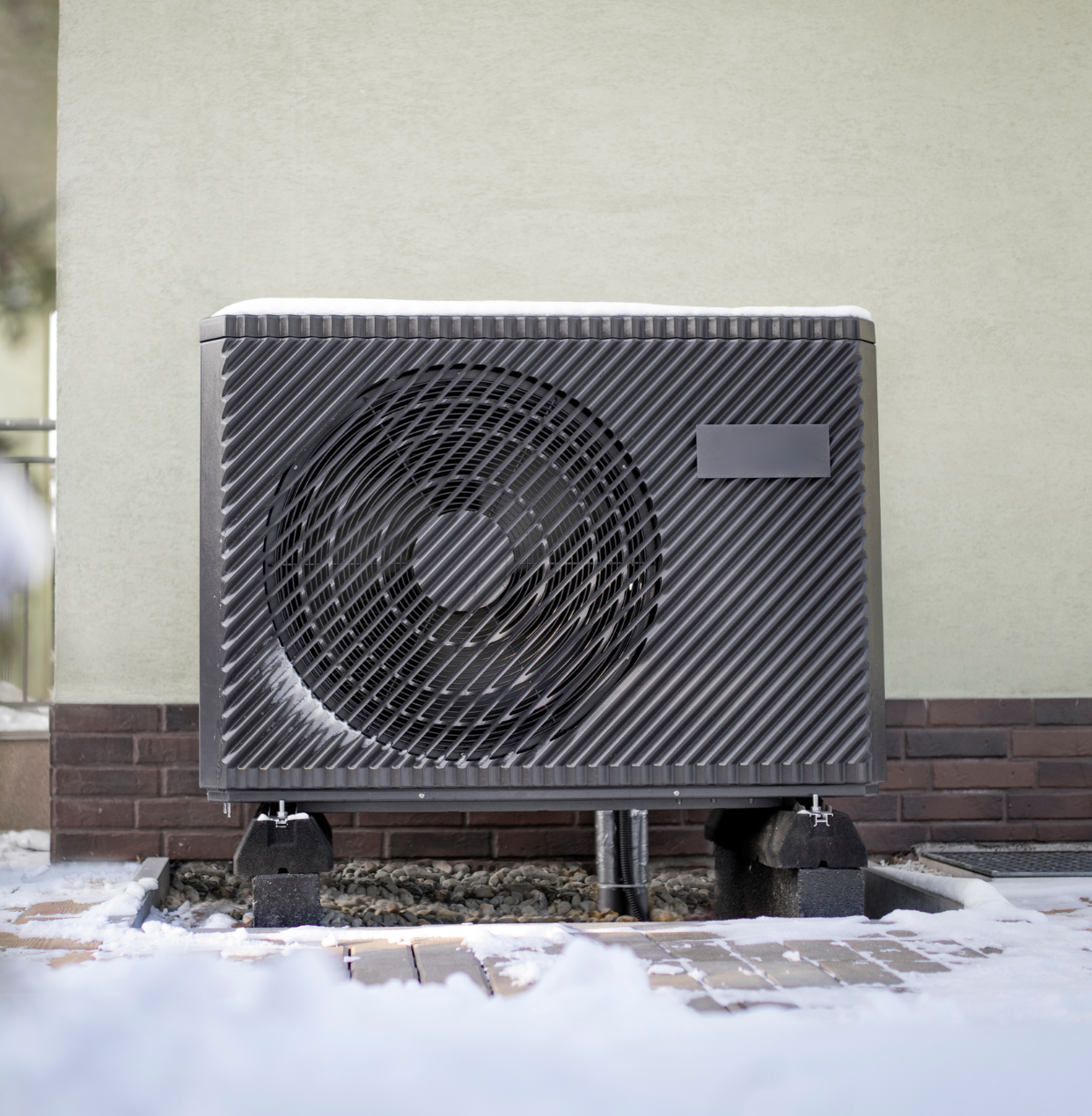
If you want the best results, pair maintenance with reasonable home practices: keep returns clear, change filters on schedule, and consider how activities like cooking and showering increase humidity. Your HVAC isn’t the only variable, but it’s the main one during Kansas City summers when windows stay shut.
Keep the air healthy by keeping the system tuned
AC maintenance in Kansas City is not about prolonging equipment for the sake of it. It’s about creating a more stable indoor environment, reducing moisture trouble, and cutting down on the dust and odors that ride along with poor airflow and dirty coils.
When you invest in proper service, you’re also reducing your odds of needing emergency HVAC repair in Kansas City MO during the hottest weeks. More importantly, you’re improving the everyday experience inside your home, especially for anyone who notices allergy symptoms, asthma triggers, or that “stuffy” feeling when the system has been running for hours.
If you’re scheduling service, choose a team that treats indoor air quality as a core outcome, not an afterthought. The system you maintain today is the comfort and cleaner air you feel tomorrow.
All 4 One Heating & Cooling
5828 Woodland Ave, Kansas City, MO 64110, United States
816-699-8366
all4onehvac@gmail.com
Website: https://all4onekc.com/