
UAD 3.6 Is Coming. Here’s What Every Appraiser Needs to Know
Meta Description: UAD 3.6 is reshaping how appraisers work. Learn what the Uniform Appraisal Dataset 3.6 means for your daily workflow, your software, and your future.
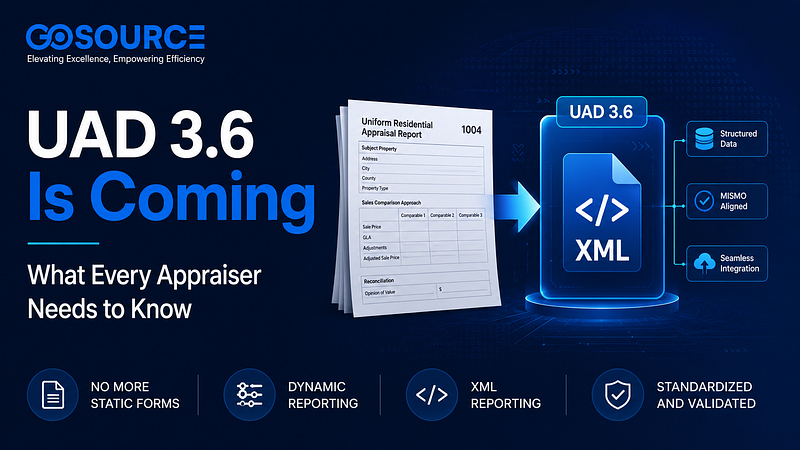
If you’ve been in the appraisal business for more than a few years, you’ve lived through your share of industry changes. New forms, new software mandates, and shifting GSE guidelines come with the territory. But UAD 3.6, the latest version of the Uniform Appraisal Dataset, is different. This isn’t a minor update. It’s a ground-up rethinking of how appraisal data is captured, structured, and delivered.
And whether you’re ready or not, it’s coming.
Let’s break it down in plain language: what it is, what it changes, and what you should be doing right now.
What Is UAD 3.6, Really?
UAD stands for Uniform Appraisal Dataset. It’s the standardized framework that Fannie Mae and Freddie Mac use to define how appraisal reports should be structured for conventional mortgage transactions. Because the GSEs back up such a large portion of the US mortgage market, their data standards essentially become the industry standard.
The original UAD, introduced back in 2011, was a meaningful step toward consistency. It brought standardized codes and field definitions so lenders and GSEs could read appraisals more reliably. But it was still built around static forms, the 1004, the 1073, and their cousins.
UAD 3.6 replaces that form-based model entirely.
Instead of filling out a PDF or a fixed digital form, appraisers will work within systems that capture individual, structured data points. Each field has a precise definition. The output isn’t a PDF; it’s machine-readable XML that integrates directly with lender and GSE platforms.
Think of the difference between handing someone a printed report versus sending them a live database entry. That’s the shift UAD 3.6 represents.
For a deeper dive into the full technical picture, check out this complete guide: What Is UAD 3.6? | Complete Guide to the Future of Appraisal Reporting
What Actually Changes Appraisers?
This is where things get real. Here’s what UAD 3.6 means for your day-to-day work:
No More Static Forms The 1004 as you know it is being retired. UAD 3.6 introduces a dynamic reporting structure that adapts based on property type and assignment complexity. Simpler properties may require fewer data points. More complex ones may require more. The form follows the property, not the other way around.
Standardized Language Down to the Word. One of the biggest sources of inconsistency in appraisal reporting has always been language. Two appraisers describing the same kitchen condition might write it completely differently. UAD 3.6 enforces standardized terminology across the board. Every condition rating, every feature description, and every market adjustment was described the same way every time.
XML Output Instead of PDF: Your deliverable changes. Instead of a PDF report, UAD 3.6 produces structured XML data aligned with MISMO standards. This makes the data machine-readable, which is exactly what lenders and GSEs need to automate their review processes.
Your Software Will Need to Catch Up. Not all appraisal software is ready for UAD 3.6. Forms-based tools built around the legacy model will need significant updates, or you’ll need to switch platforms. Check with your software provider now, not six months before the deadline.
More Upfront Detail, Fewer Back-and-Forth Corrections Because UAD 3.6 validates data at the point of entry before you even submit the report, many of the revision requests and correction cycles you deal with today won’t happen. The system catches errors in real time.
Why Is This Happening Now?
The mortgage industry has been moving toward digital-first workflows for years. Automated underwriting systems, digital closings, and e-Notes all of them point in the same direction. The appraisal report was one of the last major pieces still stuck in the analog world.
UAD 3.6 closes that gap. It brings appraisal data in line with how lenders, GSEs, and secondary market participants already want to consume it: structured and query able. The pandemic also accelerated everything. Remote work, desktop appraisals, and hybrid inspection models all exposed how rigid the old form-based system really was. UAD 3.6 builds the flexibility that the industry now knows it needs.
What Should You Be Doing Right Now?
You don’t have to have everything figured out today. But you should move. Here’s a practical starting point:
Talk to your software vendor. Ask them directly: “What is your UAD 3.6 roadmap?” If they don’t have a clear answer, that’s the information you need.
Start learning about the new data structure. Fannie Mae and Freddie Mac have both published resources. Familiarize yourself with the new terminology and field definitions before they become mandatory.
Connect with your AMC or lender partners. They’re navigating this too. Early conversations mean fewer surprises.
Don’t wait for the deadline. The appraisers who adapt early will have a smoother transition and a real competitive advantage over those who scramble at the last minute.
The Bottom Line
UAD 3.6 is the most significant shift in appraisal reporting over a decade. It will change your forms, your software, your deliverable format, and parts of how you think about structuring a report. But it also sets the stage for a faster, less frustrating workflow once you’re on the other side of the learning curve.
The industry is moving forward. The question is whether you’ll be ahead of it or catch up to it.
Want to stay updated on everything UAD 3.6 and appraisal industry news? Visit the Go Source Valuation blog for more resources.