
Reggio Preschool: How Child-Led Discovery Creates Confident and Creative Young Learners
Discover how a Reggio preschool creates meaningful learning experiences through curiosity, creativity and exploration. Explore the Reggio Emilia-inspired philosophy at Pegasus International Preschool in Novena, Singapore, where children aged 18 months to six years develop communication, independence and critical thinking through hands-on projects, a thoughtfully prepared environment and trilingual learning in English, Mandarin and Japanese.
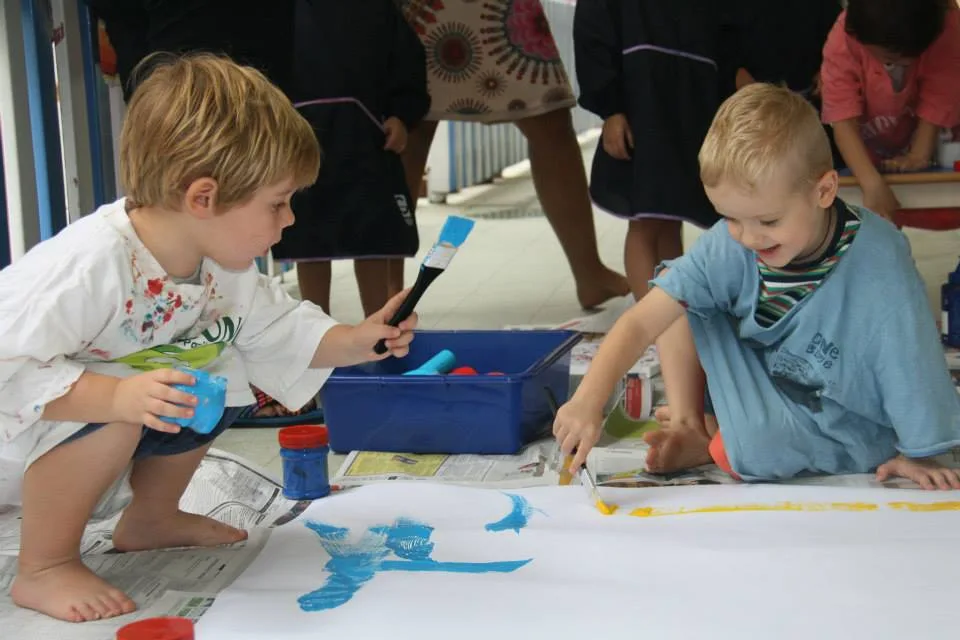
Learning Begins with a Child's Curiosity
Children rarely need encouragement to ask questions. They naturally wonder why the sky changes colour, where insects live and how everyday objects work. These small moments of curiosity can become valuable opportunities for learning when adults give children the time and freedom to explore.
This is one of the central ideas behind a Reggio preschool. Instead of treating children as passive recipients of information, the Reggio Emilia philosophy recognises them as capable individuals who actively participate in their own development.
At Pegasus International Preschool in Novena, this philosophy influences how teachers organise classrooms, plan activities and interact with children.
The school welcomes children from 18 months to six years, providing a Reggio Emilia-inspired environment where learning grows from children's interests and everyday discoveries.
Rather than expecting every child to complete identical tasks, educators observe what captures their attention and create opportunities for further investigation.
For example, a child who becomes fascinated by rain might begin exploring puddles, drawing clouds, listening to stories about weather and experimenting with water. One simple observation can develop into a learning experience involving science, mathematics, language and creativity.
This makes education more personal and encourages children to become active thinkers.
The Hundred Languages: More Than Words and Numbers
One of the most interesting concepts associated with Reggio Emilia education is the hundred languages of children.
This idea recognises that young learners have many ways of expressing their thoughts and understanding the world. Spoken language is only one of them.
A child might communicate an idea through a painting, demonstrate a theory by building a structure or express an emotion through music and movement.
At Pegasus, different forms of expression are valued through a variety of classroom experiences.
-
Art and drawing: Children communicate ideas through colours, shapes and creative compositions.
-
Construction: Blocks and loose materials encourage experimentation and problem-solving.
-
Music and movement: Rhythm, songs and physical expression support creativity and coordination.
-
Dramatic play: Pretend situations help children explore relationships and everyday experiences.
-
Storytelling and conversation: Children practise communicating ideas, listening and developing vocabulary.
These activities give children different opportunities to participate, particularly those who may not yet feel comfortable expressing themselves verbally.
When educators recognise these different forms of communication, children gradually understand that their ideas deserve attention.
The Environment as the Third Teacher
A thoughtfully designed classroom can encourage learning even before a teacher introduces an activity.
In Reggio-inspired education, the environment is often described as the third teacher. The idea is that classrooms and outdoor spaces should actively invite exploration rather than simply provide places to sit and complete exercises.
At Pegasus International Preschool, learning spaces are designed to encourage curiosity and independent discovery.
Open-ended materials, natural elements, creative resources and activity areas provide children with opportunities to experiment.
A collection of wooden pieces, for example, might become a bridge, a tower or an imaginary city. Children decide how to use the materials and discover different possibilities through trial and error.
Light, mirrors and natural objects can also create interesting opportunities for observation.
Outdoor spaces provide another dimension to learning. Gardening, nature exploration and physical activities allow children to investigate the world using their senses.
These experiences help children develop observation skills, concentration and an appreciation of their surroundings.
Teachers Become Guides and Co-Learners
The role of an educator in a Reggio-inspired classroom is different from that of a traditional instructor.
Rather than providing answers immediately, teachers observe children's behaviour, listen to their questions and encourage further thinking.
Imagine a child asking why some objects float while others sink. Instead of simply explaining the concept, a teacher might prepare a water exploration activity with different materials.
Children can make predictions, test objects and discuss what happens.
Through this process, the educator helps them connect observations with new understanding.
Teachers also document children's discoveries through photographs, learning journals and records of their ideas. Revisiting these experiences allows children to reflect on what they have learned and consider new possibilities.
At Pegasus, this approach supports a learning environment built around meaningful relationships. Children receive guidance while maintaining the freedom to explore their interests.
The balance between encouragement and independence helps develop confidence, resilience and problem-solving abilities.
Inquiry-Based Projects Make Learning Meaningful
A distinctive feature of a Reggio preschool is the way learning activities can develop into longer inquiry projects.
These projects often begin with a question or observation that captures children's attention.
Consider a group of children who discover several snails in the garden. Their curiosity might lead to questions about where snails live, what they eat and how they move.
Teachers can encourage further investigation through picture books, observation activities, drawing and conversations.
Children might count the snails they find, compare their sizes, create snail-inspired artwork and share their discoveries with classmates.
A single topic can therefore connect several areas of development.
At Pegasus, provocation corners containing loose parts, natural objects and art materials help inspire these discoveries.
The purpose is not to force children into a predetermined activity but to provide interesting starting points that encourage questions and experimentation.
Because children are genuinely interested in what they are investigating, they have opportunities to develop deeper concentration and stronger engagement.
A Reggio-Inspired Philosophy in Three Languages
Pegasus International Preschool combines its child-centred educational philosophy with a trilingual learning environment.
English, Mandarin and Japanese are incorporated into everyday experiences, allowing children to encounter different languages naturally.
English is the main classroom language and supports communication during stories, discussions, songs and group activities.
Mandarin is introduced through daily lessons with native Mandarin teachers, using interactive activities to help children become familiar with vocabulary and pronunciation.
Japanese is also included through dedicated language experiences, greetings and familiar interactions.
The connection between multilingual education and Reggio-inspired learning is particularly meaningful.
Children can explore the same topic using different languages through storytelling, conversations, creative activities and collaboration.
For example, a gardening project might involve learning the names of plants, discussing colours and describing what children observe in English and Mandarin, alongside Japanese language exposure.
This approach gives language a practical purpose and encourages children to communicate confidently.
It also creates an inclusive environment for local and international families from different cultural backgrounds.
Developing Social and Emotional Confidence Through Collaboration
Preschool education is not only about discovering new information. It is also about learning how to interact with other people.
Children gradually develop important social abilities through shared activities, group discussions and everyday classroom routines.
In a Reggio-inspired environment, collaboration is especially valuable because children frequently investigate ideas together.
When building a structure with classmates, they may need to discuss different designs, share materials and solve disagreements.
These experiences encourage patience, cooperation and respect for different opinions.
Teachers provide guidance when children encounter difficulties, helping them communicate their feelings and understand other perspectives.
Small class sizes at Pegasus also allow educators to become familiar with individual personalities and developmental needs.
Some children may need encouragement to join group activities, while others benefit from learning how to listen and give their classmates opportunities to contribute.
Over time, these interactions help children become more independent and comfortable within a community.
Supporting Every Stage from Toddlerhood to Kindergarten
The Reggio Emilia-inspired approach can be adapted to different developmental stages, allowing children to explore according to their age and abilities.
Pegasus provides five programmes for children aged 18 months to six years.
|
Programme |
Age |
Developmental focus |
|---|---|---|
|
Smart Toddlers |
18 months–2 years |
Sensory discovery and early communication |
|
Nursery 1 |
3 years |
Play, language and social development |
|
Nursery 2 |
4 years |
Inquiry, early literacy and numeracy |
|
Kindergarten 1 |
5 years |
Creative thinking and independence |
|
Kindergarten 2 |
6 years |
Critical thinking and school readiness |
Younger children benefit from sensory exploration, movement and nurturing interactions. Older children gradually participate in more developed projects involving investigation, communication and collaboration.
The curriculum is aligned with Singapore's Nurturing Early Learners framework, supporting language, mathematical thinking, discovery of the world, creativity, physical development and social-emotional wellbeing.
This balanced approach helps children develop the foundations needed for primary education without losing the enjoyment of discovery.
Why Parents Should Experience Reggio-Inspired Learning Firsthand
Reading about an educational philosophy is useful, but seeing how it works in a real classroom provides a much clearer understanding.
Parents considering a Reggio preschool should pay attention to how educators communicate with children, how classroom materials are arranged and whether children have genuine opportunities to express their ideas.
At Pegasus International Preschool, families can arrange a school tour to explore the learning environment and meet the teaching team.
The campus is located at 72 Keng Lee Road, Level 2 and 4, Kim Mui Hoey Kuan Building, Singapore 219248, in the Novena area.
It welcomes local and international families and offers a warm environment for children who are beginning their preschool journey or relocating to Singapore.
Parents can also explore the school's Reggio Emilia philosophy online:
https://www.pips.com.sg/reggio-emilia-approach/
Helping Children Become Curious Learners for Life
A meaningful early childhood education should give children more than basic academic knowledge. It should help them develop the confidence to ask questions, the creativity to explore possibilities and the independence to make discoveries.
Through its Reggio Emilia-inspired philosophy, inquiry-based projects, thoughtfully prepared learning environment and trilingual experiences, Pegasus International Preschool creates opportunities for children to develop these qualities.
For families looking for a Reggio preschool in Singapore, Pegasus offers an approach that respects children's individuality and recognises the importance of learning through real experiences.
Every question can become a discovery, every creative activity can communicate an idea and every shared experience can build a stronger sense of confidence.
Discover Reggio Emilia-inspired learning at Pegasus International Preschool: Visit https://www.pips.com.sg/ and arrange a school tour to see how young children learn, explore and grow in the Novena campus.