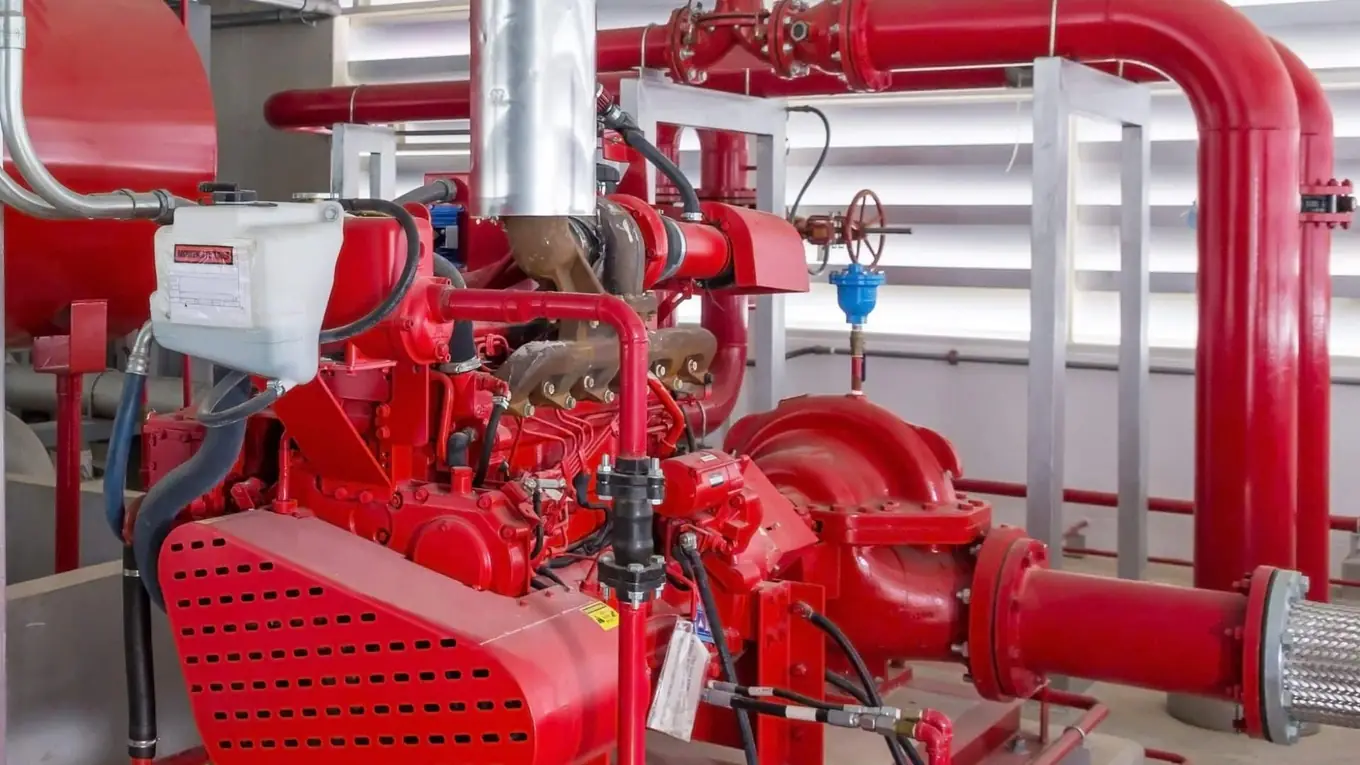
A trouble signal rarely makes anyone jump. It does not have the urgency of an alarm, it does not clear a building, and it usually does not come with strobes flashing and people heading for exits. In many facilities, it is treated like background noise, something to silence now and deal with later.
That habit gets expensive fast.
In a commercial fire alarm system, a trouble signal is the system’s way of saying something is wrong with its ability to do its job. Maybe a circuit has failed. Maybe a power supply is compromised. Maybe a device is offline. Maybe communication to monitoring has been interrupted. The exact issue can vary, but the larger point stays the same: the system has detected a problem serious enough to report it.
I have seen building teams respond to trouble conditions in two very different ways. In one case, a manager called for service the same morning, and the issue turned out to be a failing battery set before it became a larger outage. In another, a trouble buzzer got silenced, then ignored for days because “the panel always does that when the weather changes.” When service finally arrived, more than one condition had stacked up, the central reporting path had been affected, and what could have been a straightforward repair turned into a longer, more disruptive visit.
That is why a quiet signal deserves attention. It is often the earliest warning that a life safety system is drifting out of reliable condition.
What a trouble signal really means
A commercial fire alarm panel speaks in categories. Alarm means the system believes a fire condition exists. Supervisory usually points to the status of another fire protection system, such as a control valve or another monitored condition. Trouble means a fault in the fire alarm system or a related function.
That distinction matters. Trouble does not necessarily mean there is a fire, but it absolutely can mean the system is partially impaired.
A panel can show trouble for reasons that sound minor at first. Low batteries, loss of AC power, a ground fault, communication failure, device failure, circuit problems, printer trouble, or issues involving networked panels all fall into the broad category. The terms on the display differ by manufacturer and system design, so no one should guess from the wording alone. Still, the common thread is that the system has identified a deficiency in operation, supervision, or communication.
This is where experience helps. Facility teams sometimes assume that if horns and strobes are not going off, the problem can wait. That logic does not hold up. A system can look calm while key protective functions are compromised in the background. If the panel cannot supervise field devices properly, if a detector is offline, or if transmission to a central station has failed where monitoring is required, you do not have the level of protection you think you do.
Denver area properties should be especially careful about shrugging off recurring issues. Denver adopts the ICC family of codes with local amendments, and those local requirements can differ from the model code language many owners are familiar with. In practice, that means assumptions based on a project in another city or state can lead people in the wrong direction. Local interpretation by the authority having jurisdiction matters, and when in doubt, the fire marshal’s office or the AHJ is the place to confirm what applies.
The hidden risk is not noise, it is degraded performance
The danger of ignoring trouble signals is not just that the panel is making noise at the front desk. The real danger is that the system may not respond as designed during the one event that counts.
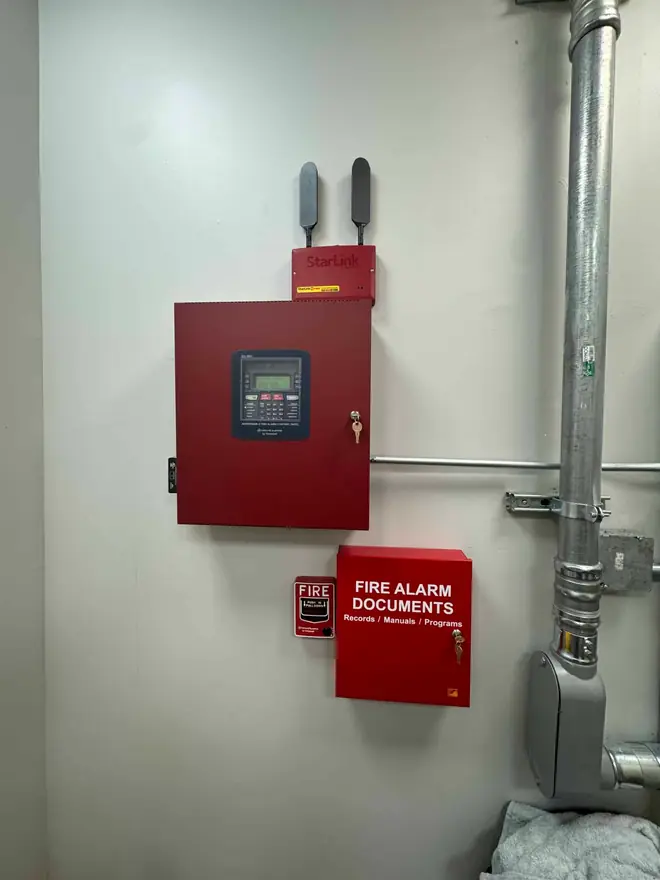
A fire alarm system is not a single box on a wall. It is a network of devices, pathways, power supplies, initiating equipment, notification equipment, and often off-site reporting. In many commercial buildings, it is also tied to other protective features. Think about smoke control interfaces, elevator recall, door release functions, or monitoring connections. If one part is in trouble, the impact may extend beyond a single detector.
This is also why owners should resist the temptation to rely on informal diagnoses. I have heard people say, “It is probably just a dirty detector,” or, “We had a storm last night, it will reset itself.” Sometimes that guess happens to be right. Plenty of times it is not. And even when the root cause sounds simple, the consequences of leaving it unresolved can be larger than expected.
One of the most overlooked examples involves communication paths. Denver code provisions require some fire alarm or emergency communication systems to transmit to a central station, commercial monitoring service, or continuously staffed monitoring service, depending on the application. If a trouble condition affects transmission, a signal that should have reached monitoring may not be sent as intended. That is not a cosmetic issue. It changes the building’s protection profile.
For facilities that rely on fire alarm monitoring Aurora CO providers or similar services elsewhere along the Front Range, a communication trouble can be one of the most important panel messages in the building. People tend to focus on visible devices in occupied areas, but the off-site connection is part of the chain.
Why trouble conditions often grow into bigger problems
A single trouble signal can stay single, but it often does not. Systems age. Batteries weaken gradually. Water intrusion affects more than one device. Vibration, temperature swings, and construction dust do not politely damage one component and stop there.
Colorado properties add another wrinkle: climate. Cold weather can affect multiple fire protection systems, not only alarms. A facility dealing with sprinkler freeze protection Colorado concerns may already be managing environmental conditions around riser rooms, loading docks, unheated spaces, or attic areas. If those spaces also contain related electrical equipment or monitoring interfaces, one environmental problem can cascade into another.
I have seen this play out in buildings with dry pipe sprinkler system Colorado installations and in facilities using a pre action sprinkler system Denver designers specified for special hazards or cold conditions. Those systems have their own supervisory and monitoring considerations. A quiet trouble on the alarm side may be the first clue that a related condition elsewhere in the protection scheme needs attention. It is rarely wise to separate fire alarms from the rest of the life safety picture.
The same goes for specialty suppression systems. A restaurant with commercial kitchen fire suppression Denver requirements, or a server room protected by clean agent fire suppression Colorado systems, may depend on fire alarm interfaces for detection, release logic, shutdowns, or transmission. A trouble event in the alarm system should trigger broader thinking: is anything interconnected, supervised, or dependent on this system’s normal operation?
That broader view is one reason experienced technicians ask questions that seem unrelated at first. Has there been recent remodeling? Any roof leaks? Any power work? Any changes to monitored equipment? Any nuisance conditions at odd hours? Those details matter.
False alarms and trouble signals are cousins, not twins
Property managers often lump every panel problem into one mental bucket. If the building has had nuisance alarms before, they assume all system issues are just another annoyance. That mindset causes trouble, especially in Denver.
Denver’s fire code amendments address false alarms and problematic systems. Repeated unintentional false alarms can lead to requirements for repair or replacement, and some responses can involve reimbursement. So while a trouble signal is not the same as an alarm, it can be part of the same underlying story: a system that needs professional attention before operational issues become regulatory and financial ones.
This is where the phrase fire alarm false alarms Denver should prompt a more disciplined approach, not a dismissive one. A building with recurring nuisance activity may have detector placement issues, environmental contamination, device aging, wiring problems, or programming concerns. A history of troubles can be a clue. A history of false alarms can be another. Either way, the solution is not repeated silencing. It is diagnosis.
False alarms also erode occupant trust. Once people begin to go here assume every activation is “nothing,” response quality drops. That is a human problem as much as a technical one. The best-run buildings I have worked with treat every abnormal condition as useful information. They document it, investigate patterns, and close the loop.
Inspections and testing are not paperwork exercises
A lot of trouble conditions are found during routine inspection, testing, and maintenance. That is exactly how the system is supposed to work.
NFPA 72 covers fire alarm and signaling systems, including design, inspection, testing, maintenance, monitoring, and emergency communications functions. NFPA 25 is the main standard for inspection, testing, and maintenance of water-based fire protection systems, including sprinklers, and it establishes minimum frequencies for many tasks. Those frequencies are not all annual. Depending on the component, required activities may be monthly, quarterly, semiannual, annual, or spaced over multiple years.
Owners sometimes ask about fire sprinkler inspection frequency Colorado requirements as if there is one simple interval for the whole system. There is not. A realistic service calendar has to match the actual devices and system types installed. The same is true on the fire alarm side. A building with standard fire alarm detectors and panels Denver service providers maintain will not necessarily have the same testing rhythm or complexity as a site with releasing systems, special hazards, or large networked panels.
The practical takeaway is simple: routine work catches small problems before they become impairments. When teams postpone required testing or treat deficiencies as optional, they lose the early warning function that standards are built to provide.
I have had owners tell me, “We passed last year.” That is comforting, but only to a point. A compliant test result last year does not prove a healthy condition today. Batteries age, devices fail, spaces get repurposed, dust accumulates, and tenants alter conditions in ways that affect detection. A pass in the past is not a shield against a trouble signal in the present.
For buildings tracking NFPA 72 fire alarm testing Denver schedules or arranging NFPA 25 inspection Colorado work, the important question is not how to do the minimum. It is how to keep the system dependable between visits.
What to do when the panel shows trouble
When a trouble condition appears, speed matters, but so does calm handling. The goal is to preserve protection, document the condition, and get qualified service involved without improvising your way into a bigger problem.
Here is a practical response sequence that holds up well in the field:
Record the exact message, time, and panel location before anyone starts pushing buttons. Check whether the issue affects monitoring, power, or a specific device or circuit. Notify the appropriate building contact and service provider promptly. Determine whether the condition creates a partial impairment that needs interim precautions. Keep a written trail of findings, actions taken, and when normal status is restored.That may sound basic, but those five steps prevent a lot of confusion later. The exact panel text matters. “Ground fault,” “battery trouble,” and “communication failure” are not interchangeable. If the message changes after a reset attempt, that information matters too. So does whether the signal cleared briefly and returned, which often points to intermittent faults.
One caution from experience: repeated resetting is not a fix. Sometimes a reset is part of a qualified troubleshooting process. Randomly pressing silence and reset because the panel is annoying the lobby staff is something else entirely. It can delay proper diagnosis, erase useful timing clues, and create the false impression that the issue solved itself.
If the condition suggests a meaningful impairment, the building may need temporary measures while repairs are made. What those measures should be depends on the system, the occupancy, and local requirements. That is one reason local coordination matters. Denver’s code environment includes local amendments, so owners should confirm expectations with the AHJ instead of relying on general assumptions.
Small signals, bigger compliance questions
Many trouble conditions expose gaps in building management rather than just technical faults. The panel may be doing exactly what it should, while the real issue is a weak internal process.
I see this most often in three situations. First, after tenant improvement work, when contractors have disturbed devices or circuits and no one has done a careful turnover review. Second, during seasonal changes, when environmental conditions reveal weak components. Third, in buildings where alarm history is not tracked in a consistent way.
A serious life safety program benefits from a short operating discipline:
- know who receives trouble notifications know who can authorize service know how after-hours calls are handled know what systems are interconnected know where records are kept
That list looks simple because it should be. Yet many expensive delays come from uncertainty on those exact points. The front desk hears a beeping panel, engineering is off-site, monitoring has an outdated contact list, and the service company arrives without access to the correct room. Half the time is lost before troubleshooting even begins.
This is also where fire system certification Denver discussions tend to surface. Certification, acceptance, reacceptance after modifications, periodic testing, and local documentation expectations are not interchangeable ideas. Owners should not assume one piece of paperwork covers every obligation forever. Buildings change, systems change, and the AHJ may have specific expectations depending on the scope of work.
The same caution applies to general facility oversight. A fire safety inspection Lakewood CO process, for example, may raise practical questions that overlap with alarm readiness even if the immediate issue started elsewhere. Local review, building use, and actual system configuration all matter more than generic checklists copied from another property.
Alarms and sprinklers need to be treated as one protection strategy
It is a mistake to manage the fire alarm system as one silo and the sprinkler system as another. On paper they are distinct systems. In real incidents, they function as a coordinated protection strategy.
NFPA 25 exists because water-based systems need regular inspection, testing, and maintenance to stay ready. Sprinklers are intended to discharge when heat opens them, and maintenance findings routinely uncover conditions that put compliance and performance at risk. If a sprinkler system has a valve issue, a supervisory condition may show up at the fire alarm panel. If a riser room has environmental stress, both systems may feel it. If a dry or pre-action arrangement is present, the relationship between monitoring, supervision, and water delivery becomes even more important.
That is why owners looking at pre action sprinkler system Denver installations or dry pipe sprinkler system Colorado service should pay attention to fire alarm trouble signals as part of the same conversation. The alarm system may be the first place a larger fire protection problem makes itself known.
This integrated view matters during winter in particular. Freeze-related concerns are not theoretical in Colorado. Sprinkler freeze protection Colorado planning is a basic operational issue in many commercial facilities, and if cold affects protected spaces, it can contribute to a cluster of problems that touch both alarm and sprinkler infrastructure.
The buildings that handle this well all do one thing consistently
They take abnormal signals seriously before those signals become emergencies.
Not dramatically, not with panic, just with discipline. They do not normalize beeping panels. They do not let trouble history disappear into shift turnover conversations. They do not assume a silenced buzzer equals a solved problem.
Instead, they build service calendars around required inspection and testing intervals. They understand that local code enforcement can differ from base model language. They keep contact information current for service and monitoring. They treat repeated system issues, whether trouble conditions or nuisance alarms, as evidence worth investigating. And they make sure building staff know the difference between an alarm, a supervisory signal, and a trouble condition.
That last point sounds obvious until you watch a real facility response. When staff can recognize the signal category, record the panel message accurately, and escalate it without delay, repair gets faster and risk stays lower. When they cannot, minor faults linger, and those faults have a way of surfacing at the worst time.
A quiet trouble signal is easy to ignore because it does not force action in the moment. That is exactly why it deserves action. It is the early warning most buildings wish they had before a system failure, a failed test, a monitoring issue, or a costly repeat problem.
If the panel is telling you something is wrong, believe it.