
When people talk about fire code compliance Denver, they often lump every commercial or residential property into the same bucket. On paper, that sounds neat. In practice, it rarely works that way.
A street-level retail suite in the Denver metro area behaves very differently from a multifamily building. The hours are different. The hazards are different. The way people move through the space is different. Even the service calls feel different. A boutique with a back stockroom and a glass storefront has a very different risk profile than a four-story apartment building with common corridors, dwelling units, trash rooms, and a parking level.
That matters because Denver uses the International Code Council building and fire code suite with local amendments, and projects in Denver can involve permits, reviews, and inspections tied to that framework. On top of that, Denver’s Fire Prevention Division has the authority to inspect buildings, equipment, and life safety systems, and to investigate disabled or nonfunctioning fire protection systems. If you own, manage, lease, or renovate property in the city, the distinction between retail and multifamily is not academic. It affects what gets reviewed, what gets tested, and what draws attention during a fire marshal inspection Colorado property teams want to pass without surprises.
The local authority having jurisdiction, often shortened to AHJ, is the official body that enforces the code. Depending on the situation, that can mean the fire marshal, fire chief, building official, or a similar local authority. In Denver, owners and contractors ignore that relationship at their own risk. Good compliance is not just about equipment on the wall. It is about matching the fire protection approach to the actual use of the building, keeping records current, and treating deficiencies as something to fix, not something to file away.
Why retail and multifamily start from different risk pictures
The first major difference is occupancy behavior.
Retail spaces usually have a fluid occupant load. Some stores are busy only on weekends. Others spike during lunch or holidays. Staff may know the building well, but customers usually do not. They walk in cold, with no familiarity with exits, stockroom doors, or alarm signals. A problem in retail is often a wayfinding problem as much as a detection problem. People need to recognize that something is wrong and leave quickly.
Multifamily buildings are almost the opposite. Occupants live there. They know the hallway turns, the elevator locations, and which stair serves their wing. But they are also asleep there, distracted there, and spread out behind closed unit doors. Fires can begin in private spaces, and notification has to function when residents are cooking dinner, wearing headphones, or asleep at two in the morning. The building has a day life and a night life, and the protection strategy has to support both.
That difference alone changes how owners should think about fire protection Denver metro work. In retail, one recurring challenge is turnover. Tenants change, layouts shift, fixtures move, and storage creeps into places it was never meant to go. In multifamily, the challenge is persistence. The building stays occupied while systems age, devices get damaged, access becomes awkward, and common area components quietly drift out of service until inspection day reveals the problem.
Tenant improvements in retail usually trigger the fire protection conversation earlier
If there is one place where owners get caught flat-footed, it is retail tenant improvement work.
Denver permit materials make clear that tenant finish and alteration work can involve plumbing, fire suppression, and fire alarm permits. That matters because retail spaces are frequently remodeled. A new tenant wants a different sales floor, a stockroom wall moved, decorative soffits, new lighting, a security gate, or a revised checkout area. Every one of those changes can affect device coverage, sprinkler obstructions, notification visibility, or access to valves and panels.
This is where tenant improvement fire protection Denver planning pays off. A project team may think it is doing a simple cosmetic refresh, but if the work changes the arrangement of the space, the fire alarm and sprinkler systems may need review, permit coordination, and follow-up inspection during construction. Denver code materials show that sprinkler-related and fire alarm work is tied to permit review and inspection as part of remodeling and construction.
In multifamily properties, the trigger points tend to be less frequent but often more complicated when they appear. A common area renovation, leasing office remodel, garage change, or building-wide upgrade can involve occupied units above or beside the work. That means phasing, resident communication, temporary protection measures, and tighter impairment planning. The work may be slower, but the coordination burden is usually heavier.
Fire alarm strategy feels different in a shop than it does in an apartment building
NFPA 72 is the core standard for fire alarm systems, covering installation as well as inspection, testing, maintenance, and emergency communications systems. That baseline applies broadly, but the practical priorities look different in each property type.
In retail, the common pain points are visibility, audibility, and alterations. Ceiling work happens all the time. Decorative finishes get added. Merchandising displays migrate. Storefront renovations can leave devices awkwardly placed or partially blocked. If the tenant has a strong visual brand, someone almost always wants to hide equipment, build around it, or make it less noticeable. That is where experienced review matters. Life safety equipment is not there for aesthetics.
Retail managers also face a staffing issue. Employees rotate. Shift leaders come and go. The people on site during an alarm may not be the same people who were present at the last service visit. So fire alarm system maintenance Denver for retail should include more than just checking boxes on devices. It should also include basic panel familiarity, response expectations, and clear documentation that management can actually use.
Multifamily buildings create a different pattern. The system serves common areas and, depending on the building and design, can involve broader resident notification concerns. The stakes feel different because nuisance conditions have a wider human impact. If a system trouble condition persists, residents notice. If a panel fault is ignored, management fields calls. If access to devices or units is poorly coordinated for inspection and testing, the building can fall behind quickly.
Older multifamily buildings in particular sometimes reach the point where a fire alarm panel upgrade Colorado project becomes part of the larger compliance conversation. Not because upgrades are trendy, but because age, supportability, parts availability, and recurring trouble conditions can turn routine service into a constant workaround. When that happens, owners need a sober evaluation, not a sales pitch.
Sprinkler systems serve both occupancies, but the maintenance headaches are not the same
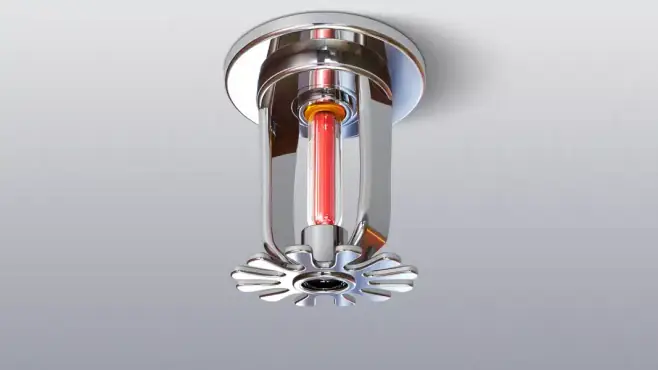
NFPA 13 covers the design, installation, and acceptance testing of automatic sprinkler systems. NFPA 25 covers inspection, testing, and maintenance of water-based fire protection systems, including sprinkler systems, standpipes, fire pumps, and water storage tanks.
That sounds straightforward until you compare a retail suite with a multifamily building in the field.
In retail, sprinkler concerns often come from change. New shelving gets taller. Stock piles up too close to heads. Pendant locations that worked for one tenant no longer fit the next. A simple demising wall adjustment can create a chain reaction of sprinkler modifications. The system itself may be perfectly serviceable, but the tenant’s use of the space drifts away from what the system was designed to protect.
In multifamily, the system concerns are more often tied to continuity. The building has common spaces that need regular access for inspection, testing, and maintenance. If there are standpipes, a fire pump, or other supporting water-based equipment, the recordkeeping and scheduling burden is naturally greater. Commercial fire sprinkler systems Colorado property owners depend on are not install-and-forget assets. They require ongoing attention under NFPA 25, and the local enforcement agency verifies compliance.
This is where routine fire suppression system inspection Denver work becomes especially important. Inspections reveal deficiencies. NFPA guidance makes clear that findings, deficiencies, and impairments are part of normal maintenance and need to be addressed under the applicable standard. In plain terms, discovering a problem is not a failure. Leaving it unresolved is the failure.
I have seen that difference play out in how owners react. A retail tenant may view a deficiency as an interruption to business. A multifamily owner may view it as one more line item in an already crowded operations budget. Both reactions are understandable. Neither changes the need to act.
Water supply components tend to carry more operational weight in multifamily
Not every property has the same water supply arrangement, but larger and more complex multifamily buildings often depend on a broader set of water-based fire protection components than a typical retail suite. That can mean a fire pump, standpipes, and more formal inspection scheduling across shared systems.
Under NFPA 25, those systems need inspection, testing, and maintenance. For owners, that translates into calendar discipline and documentation. Fire pump testing Colorado projects require coordination, and if a building also involves domestic water interfaces or backflow assemblies, backflow preventer testing Denver can become part of the annual rhythm of compliance.
Retail spaces can certainly be part of this picture, especially in larger shopping centers or mixed-use projects, but individual suites often experience these systems at one remove. The landlord controls major water-based infrastructure, while the tenant mostly feels the downstream effects of outages, impairments, and access scheduling. That split can create confusion. When a deficiency appears, no one is immediately sure who owns the fix, who calls the service provider, or who communicates with the AHJ.
Multifamily operators usually do not have that luxury. If a water-based fire protection issue affects a building, residents, managers, and maintenance staff feel it immediately. Good operators build a process around that reality.
Documentation matters more than many owners think
Denver-area owners should keep inspection reports, deficiency notices, certification paperwork, and related records ready for review by the fire marshal or AHJ. That sounds simple, yet documentation is where many otherwise decent buildings stumble.
Retail properties often have scattered records because of tenant turnover. One report is with the landlord, another is in a former manager’s email, and the latest corrective invoice is with the contractor who did the build-out. When the next review happens, nobody can show a clean service history.
Multifamily properties have the opposite problem. They may have plenty of paperwork, but it is spread across maintenance logs, management software, third-party vendors, and ownership files. The information exists, but not in a form anyone can pull together quickly.
A good documentation file should make three things obvious. What was inspected or tested, what deficiencies were found, and whether those deficiencies were corrected. That level of organization makes emergency fire protection Colorado response smoother when something does go wrong because the service provider is not starting from zero.
What the fire marshal tends to care about, regardless of occupancy
A fire marshal inspection Colorado teams prepare for is rarely just about whether equipment exists. It is about whether the systems are functional, accessible, and supported by records. Denver’s Fire Prevention Division is authorized to inspect buildings, equipment, and life safety systems, and to investigate disabled or nonfunctioning systems. That gives a clear signal about what owners should treat seriously.
The details vary by building, but a few themes come up again and again:
- current inspection and testing records unresolved deficiencies or impairments blocked, inaccessible, or altered fire protection components system conditions that no longer match the actual use of the space permit and inspection history for recent fire alarm or suppression work
That list is short on purpose. Most inspection trouble can be traced back to one of those categories.
In retail, the mismatch between the system and the tenant’s current layout is a common issue. In multifamily, the recurring issue is often deferred correction. The report exists, the deficiency is known, but the fix keeps getting pushed because access is difficult or budgets are tight.
Fire extinguishers are simple, but they still tell you a lot about a property’s habits
No one writes poetry about extinguishers, but they are one of the clearest tells in a building.
A clean, current extinguisher program usually means the property pays attention to routine compliance. A sloppy extinguisher program usually hints at bigger blind spots. Missing units, blocked cabinets, overdue service tags, and extinguishers used as coat hooks all suggest the same thing: no one is walking the property with a life safety mindset.
That is why fire extinguisher service Denver remains such an important baseline item. Retail spaces need extinguishers that stay visible despite merchandising changes. Multifamily buildings need extinguishers in common and support areas to remain accessible despite resident clutter, maintenance storage, or seasonal overflow.
The extinguisher itself may be the smallest piece of the fire https://coloradopreparednessinsights032.greyhavendaily.com/posts/fire-system-certification-colorado-what-approval-and-acceptance-can-mean-for-commercial-projects protection picture, but it often reveals whether the rest of the system is being respected.
Practical planning for owners, managers, and tenant reps
The smartest buildings do not wait for a failed inspection or a panicked service call. They build fire protection into normal operations.
Here is a practical way to think about it:
- review any remodel, re-tenanting, or layout change for possible alarm or sprinkler impact before work starts keep inspection, testing, and deficiency records in one place that management can access quickly address impairments and nonfunctioning equipment as active problems, not future tasks coordinate annual and periodic service so access, tenant notice, and follow-up repairs do not drift make sure landlords, tenants, and vendors are clear on who owns each corrective action
Those steps help both occupancies, but they matter for different reasons. Retail needs speed and coordination because changes happen fast. Multifamily needs consistency because the building never really closes.
Choosing the right service mindset in the Denver area
Owners do not just need a contractor. They need a service partner that understands how use drives compliance.
A Denver-area provider working in retail has to be comfortable with tenant improvement cycles, permit coordination, after-hours service windows, and the reality that the store may need to stay attractive while life safety work gets done. A provider working in multifamily has to be strong on access logistics, resident communication, recurring inspection cycles, and long-term system stewardship.
For example, Pre Action Fire, Inc is a fire protection company serving the Denver area. The larger point is that whoever you work with should understand the difference between a tenant finish project in a retail suite and a maintenance-driven compliance program in an occupied residential building. Those are not the same assignment, even if both involve alarms, sprinklers, and inspections.
The real difference is not the hardware, it is the building’s daily life
Retail spaces and multifamily buildings can both have fire alarm systems, sprinkler systems, extinguishers, and water supply components governed by familiar standards like NFPA 72, NFPA 13, and NFPA 25. On the surface, that makes them seem similar.
They are not similar in the ways that matter most to operations.
Retail is shaped by frequent change, customer unfamiliarity, and remodel-driven disruption. Multifamily is shaped by continuous occupancy, private living spaces, and the long tail of maintenance and recordkeeping. One property type tends to challenge the system through alteration. The other tends to challenge it through time.
That is the lens owners should use when thinking about fire protection Denver metro needs. If you match the protection strategy to how the building actually functions, compliance becomes more manageable. If you ignore those day-to-day realities, even a well-equipped property can slide into trouble.
Good fire code compliance Denver work is rarely dramatic. Most of it happens in plan reviews, service reports, panel checks, sprinkler inspections, corrected deficiencies, permit coordination, and organized records. It is the steady work behind the scenes. Retail and multifamily simply ask for that work in different ways.