
A lot of owners and facility managers treat a fire protection project like a finish line. The sprinklers are in, the panel is active, the permit is closed, and everybody wants to move on. In practice, that is where the real responsibility starts.
Aftercare is what keeps a system dependable after the installers leave. It covers the quiet, routine work that rarely gets attention until something fails: keeping records in order, scheduling the right inspections, confirming monitoring signals behave properly, and making sure local requirements are still being met as the building changes. For commercial fire protection Colorado properties, that discipline matters just as much as the original installation.
That is especially true in Denver. The Denver Fire Department Fire Prevention Division, along with the Fire Marshal and Fire Code Official, has an active role in enforcing fire code requirements and inspecting conditions such as hazards, disabled life safety systems, and false alarms. Commercial and institutional properties are typically inspected about every 12 months. When those inspections happen, the condition of the building is only part of the story. Inspectors may also review records for fire safety systems, along with exits, emergency lighting, separations, and fire lanes. If something is off, corrections can be ordered.
That means aftercare is not just about maintenance in the abstract. It is about protecting the building, the occupants, and the owner from the very predictable trouble that starts when follow up is delayed.
What “aftercare” really means once a system is approved
For most buildings, the first big post-installation milestone is acceptance. Denver’s process includes fire protection engineering review, and acceptance or approval is required before final sign-off of fire alarm and fire protection permits. That approval matters, but it does not mean the system can now be ignored for a year.
A newly accepted system is still new to the building, the staff, and the daily operating conditions. A fire alarm may be technically compliant and still create headaches if monitoring contacts are mislabeled, staff do not know what a trouble condition means, or a tenant improvement later affects initiating devices. A sprinkler system may pass initial testing and still end up compromised if a valve gets left in the wrong position during unrelated work. Good aftercare catches those practical problems early, before they turn into violations or emergency calls.
This is where a lot of commercial owners in the fire protection Denver market benefit from a shift in mindset. The best handoff is not, “Your project is complete.” It is, “Here is how this system will be maintained, tested, documented, and reviewed over time.”
The handoff package you should insist on
When a project wraps up, the paperwork should not be treated like a stack of closeout clutter. It is the operating history of the system from day one. If there is ever a question during a Denver inspection, a service call, a false alarm investigation, or a future remodel, those records save time and prevent guesswork.
The most useful project closeout file usually includes:
- permit and approval records tied to the installed work accepted plans and any approved revisions test documentation from alarm and fire protection acceptance activities equipment and device information for future maintenance contact information for monitoring, service, and responsible building staff
That file becomes even more important when ownership changes or when the original project team is no longer around. I have seen buildings struggle not because the equipment was unusually complex, but because no one could quickly confirm what had actually been approved, where devices had been added, or whether a modification had been permitted.
Colorado law is clear that installation, modification, alteration, or repair of fire suppression systems generally cannot begin until the required permits are obtained, the job has been registered, and working plans and hydraulic calculations have been reviewed and approved. That matters during aftercare because many “small” changes are not really small in code terms. A relocated wall, a freezer conversion, a new hood, or a change in storage arrangement can have downstream effects on fire suppression systems Denver facilities rely on every day.
Maintenance is not one thing, because the systems are not one thing
One of the most common post-project mistakes is treating all fire protection equipment as if it follows the same schedule and the same standard. It does not.
NFPA 72 is the national code for fire alarm and signaling systems. It addresses design, installation, inspection, testing, maintenance, and emergency communications systems. In day-to-day terms, that is the framework people are usually thinking about when they talk about panel behavior, initiating devices, notification appliances, supervision, and alarm transmission. If you use fire alarm monitoring Denver services, the monitoring relationship sits in that world of signaling and system response.
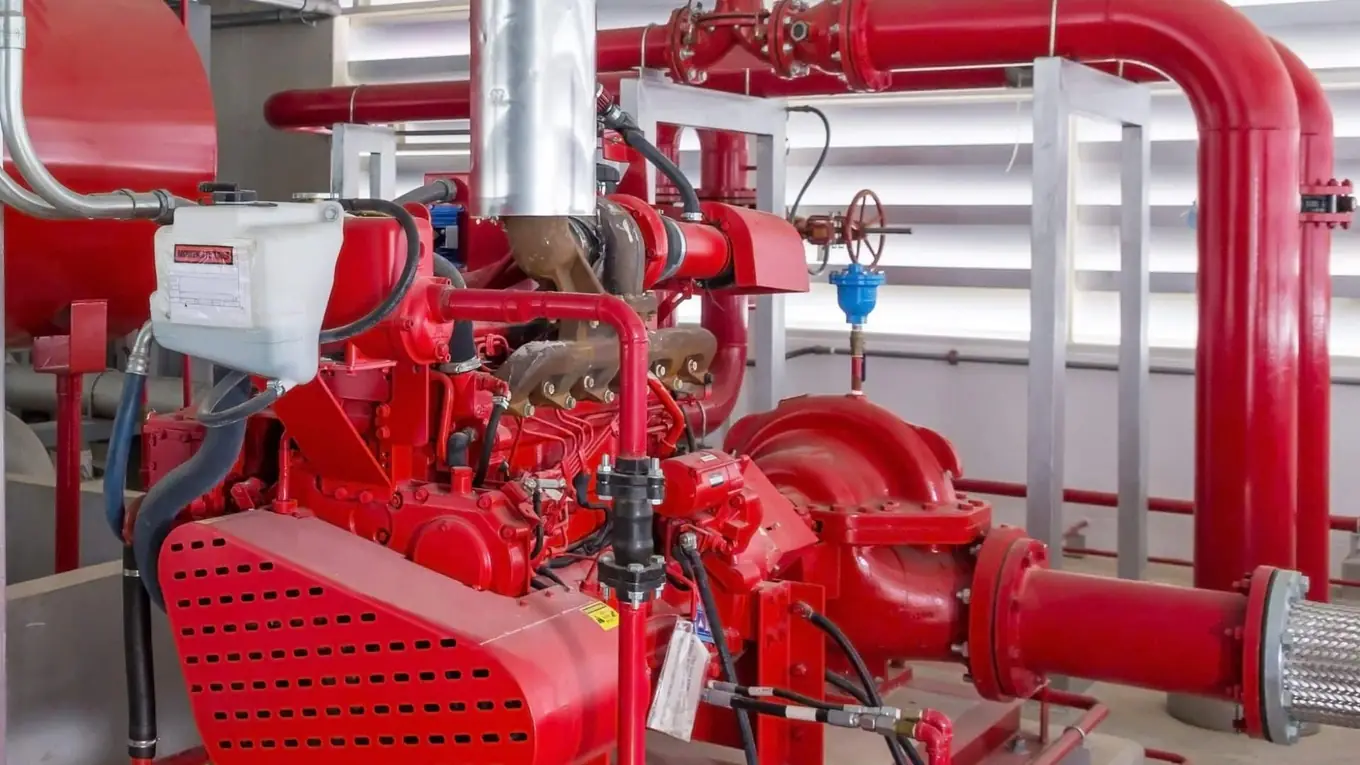
NFPA 25 is different. It covers the inspection, testing, and maintenance of water-based fire protection systems. That includes the systems owners tend to group under the sprinkler umbrella, but the practical scope is broader because water-based protection depends on valves, gauges, pumps, backflow assemblies, and a lot of physical hardware that has to be visually checked, exercised, and tested over time.
In a single commercial building, those responsibilities can overlap in the real world without being the same on paper. A panel supervises a waterflow switch, but the panel’s maintenance program is not the same thing as the sprinkler system’s maintenance program. A fire pump signal may report through the alarm system, but that does not replace a proper fire pump inspection Denver service. A monitored supervisory signal does not excuse someone from maintaining the valve, the gauge, or the backflow assembly. That distinction gets missed often enough that it is worth repeating: monitoring is not maintenance.
Why the first year deserves extra attention
The first year after installation or major modification is when small problems usually reveal themselves. Not because the installer necessarily did poor work, but because buildings are messy. Tenants settle in. Staff learn the system by using it. People store things where they should not. Somebody hangs décor under a device. Another trade returns to finish work above a ceiling. The alarm vendor discovers the account contact list was never updated. It is all ordinary, and it all affects reliability.
In Denver, annual fire safety inspections commonly occur about every 12 months for commercial and institutional properties. If your building was just renovated, that first annual inspection can arrive sooner than expected in operational terms. Owners who sail through it usually have one thing in common: they did not wait for the city to remind them that records, access, and system condition matter.
That first year is a good time to pay close attention to nuisance issues too. A false alarm pattern, a recurring trouble, a valve tamper that keeps coming in, or a repeated supervisory condition should not be shrugged off as an annoyance. Denver’s enforcement role includes disabled life safety systems and false alarms, so recurring signal issues are not just a customer service headache. They can become a compliance problem if allowed to drag on.
Fire alarm aftercare, beyond the panel itself
On the fire alarm side, aftercare is partly technical and partly administrative. A panel can be healthy while the building’s response plan is weak. I have seen facilities where the system was accepted properly, but no one on site could explain who receives supervisory calls after hours or what to do when the monitoring center reports a communication problem.
That is why fire alarm monitoring Denver arrangements should be reviewed during handoff, not months later after a surprise call. Building contacts change. Property managers change. Security desks change. If the monitoring account still points to people who no longer work there, the system may still transmit perfectly and still fail the owner when it matters.
The same goes for changes in use. If a suite is reconfigured, if walls are moved, if a conference room becomes storage, or if a vacant floor becomes occupied again, the fire alarm layout and sequence may need to be reviewed. Denver notes that permits are required for most construction, alteration, or repair work on private property, and that is a point owners should not gloss over. “We only shifted a few things” has a way of turning into unpermitted life safety changes when no one checks early.
Sprinklers, pumps, and backflow, the water side needs its own discipline
Water-based systems ask for a different kind of attention because they depend on physical condition and readiness, not just signal integrity. That includes sprinkler piping, valves, fire department connections, pumps, and backflow prevention components. For owners managing fire sprinkler installation Denver projects, the temptation is to assume the hard part ended when the piping was hydrostatically tested and accepted. In practice, that is when the maintenance clock starts.
NFPA 25 exists because water-based systems degrade in recognizable ways. Valves drift from normal position. Gauges become unreadable. Components corrode. Mechanical rooms collect storage. Exterior conditions affect access. Seemingly minor impairments linger because the system is out of sight and no one wants to interrupt operations to deal with it.
This is where routine service matters, including fire pump inspection Denver and backflow inspection Denver activities when those components are part of the system arrangement. A monitored signal from the pump controller or a trouble at the alarm panel may help identify a problem, but it does not replace the inspection and testing expectations that apply to the water-based system itself.
The same logic applies to special hazard and suppression equipment. If your building has dedicated fire suppression systems Denver occupancies depend on, aftercare has to reflect that equipment’s role and the local requirements tied to it. The broad lesson is simple: each subsystem keeps its own obligations, even when they all report into one building life safety picture.
How Denver inspections affect everyday maintenance decisions
Denver’s annual inspection materials make something very clear: inspectors are looking at the building as it is being operated, not just as it was designed on paper. Exits, emergency lighting, fire-resistive separations, fire lanes, and fire safety system test records can all come into the conversation. If violations are found, an order notice for correction may follow.
That practical reality should shape how owners prepare. Waiting until a few days before the annual visit to chase paperwork or clear blocked access rarely goes well. A better approach is to treat the inspection as a routine checkpoint and keep the building in inspection-ready condition all year.
For operators handling commercial fire protection Colorado portfolios, this is often where a consistent record system pays off. Not fancy software, just consistency. If test reports live in three different inboxes, and the panel history is known only to one former facilities lead, every inspection becomes a scavenger hunt. If records are centralized and someone is responsible for reviewing them, annual visits become much easier.
There is also a timing issue that owners sometimes miss. Denver has adopted new 2025 Building and Fire Codes effective December 31, 2025, and some projects may use either the 2025 or 2022 code set depending on submittal date. That means aftercare is not only about maintaining what you have. It is also about confirming whether a future alteration, repair, or tenant improvement falls under a code pathway different from the one used on the last project. When in doubt, checking early is usually far cheaper than correcting late.
Follow up testing after changes, repairs, or impairments
A strong aftercare plan accounts for the fact that systems do not sit untouched between annual inspections. Devices fail. Leaks get repaired. Suites turn over. A monitoring communicator is replaced. A valve gets closed for work and reopened later. Every one of those events can create a need for follow up testing or at least documented verification.
Denver’s testing guide notes that final sign-off on fire alarm and fire protection permits depends on acceptance or approval, and city materials also note that system acceptance testing and permits may involve coordination with the Fire Department. In some situations, special inspections can occur outside normal business hours when needed. That tells you something important about local expectations: testing is not a paperwork exercise. It is part of the city’s approval and oversight process.
For owners, the lesson is to resist informal shortcuts. If a contractor says, “We just swapped a part,” the next question should be whether the repair changed anything that affects operation, supervision, or code status, and whether any local approval or follow up test is required. That is not being difficult. It is basic stewardship.
A useful internal habit is to ask these questions any time work touches a fire protection system:
- was a permit required or should local requirements be confirmed before work starts did the work change how the system operates, supervises, or reports what testing was performed afterward, and where is that documentation stored does monitoring need to be updated with new contacts or new signal behavior should building staff be retrained on anything that changed
That short review catches many of the headaches that later show up as missed signals, failed inspections, or confusion during an alarm event.
Certification, compliance, and the paperwork owners tend to postpone
In the field, people often use terms like “certified,” “approved,” and “compliant” interchangeably. They should not. Fire system certification Colorado needs are usually tied to a particular stage or purpose, such as project completion, local acceptance, or documentation for occupancy and records. Ongoing compliance is broader. It depends on the system continuing to be inspected, tested, maintained, and operated as required.
That is why NFPA compliance inspections Colorado conversations should never stop at, “Did we pass once?” The better question is, “Can we show that this system has been cared for continuously and that any changes were handled properly?” If the answer is yes, annual inspections and service events tend to be straightforward. If the answer is no, owners often end up paying for rushed visits, duplicate testing, or documentation recovery that could have been avoided.
The paperwork side also helps during emergencies. If a building experiences an impairment or needs emergency fire protection Denver support after hours, accurate records make response faster and more precise. The service provider can identify what is installed, what was last tested, and what approvals or past issues may be relevant. In a real incident, that can shave valuable time off decision-making.
The local requirement question, ask it early, not after the work is done
The simplest aftercare advice is also the one most often ignored: confirm local requirements before assuming a repair or modification is routine. In Denver, permits are required for most construction, alteration, or repair work on private property. Colorado law also sets clear expectations around permits, job registration, and approved plans for fire suppression work. Those are not details to sort out after a contractor is already on site.
Owners sometimes hesitate because they worry the answer will slow the project down. Sometimes it will. But the alternative is usually worse. Unplanned rework, delayed approvals, extra testing, and questions from the authority having jurisdiction cost more than a timely phone call and a proper review.
For buildings with multiple system types, that early check matters even more. A tenant improvement can touch alarm devices, sprinklers, suppression, egress, and monitoring in one small area. What looks like a quick facilities project can become a coordination issue involving permits, acceptance testing, and records updates across several vendors.
What good aftercare looks like in the real world
The https://preactionfire.com/fire-protection-aurora/ best-run properties usually do not have magical systems or unusually large budgets. They do a few ordinary things well, over and over. They keep accepted records where the next person can find them. They schedule inspections before they are overdue. They distinguish alarm monitoring from actual maintenance. They ask whether a change affects permits or approvals before work starts. They treat recurring troubles and false alarms as warning signs, not background noise.
That kind of discipline pays off in very practical ways. Fire safety inspections Denver visits go more smoothly. Contractors spend less time rediscovering the building. Staff know who to call and what normal looks like. The owner has a better shot at avoiding surprise deficiencies, system impairments, and expensive repeat trips.
For anyone responsible for fire extinguisher inspections Denver work, sprinkler maintenance, monitoring accounts, or any other piece of the life safety picture, the big takeaway is this: aftercare is where reliability is either preserved or slowly lost. Installation gets the attention. Maintenance keeps the promise.
If you manage a commercial building in Denver or elsewhere in Colorado, the systems protecting that property need more than a successful turnover. They need follow up testing when conditions change, steady inspection and maintenance under the right standards, and a habit of checking local requirements before small problems become code problems. That is what keeps a system ready when it is finally asked to do its job.
Pre Action Fire, Inc
2921 W 38th Ave, Denver, CO 80211, United States
Phone: (303) 682-0113
Website: https://preactionfire.com