
Jewelry micromotors are essential tools for precision tasks such as engraving, polishing, drilling, and stone setting. Their compact size and high rotational speeds make them incredibly efficient, but they are also prone to overheating if not used correctly. Understanding the root causes of overheating and applying proper corrective measures can help extend tool life and ensure consistent performance.
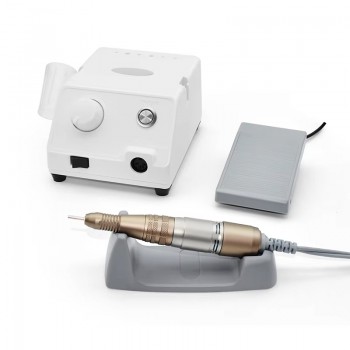
One of the most common causes of overheating is excessive load. When too much pressure is applied during engraving or polishing, the motor must work harder to maintain speed, generating additional heat. This is particularly noticeable when using dull burs or inappropriate attachments. To fix this issue, operators should let the tool do the work rather than forcing it. Using sharp, high-quality accessories and selecting the correct bit for the material can significantly reduce motor strain.
Another major factor is poor ventilation and airflow restriction. Many micromotors rely on internal fans or passive cooling systems to dissipate heat. If the air vents are blocked by dust, debris, or even the user’s hand position, heat can build up rapidly. Regular cleaning of the motor housing and ensuring unobstructed airflow are simple but effective solutions. In dusty workshop environments, periodic maintenance becomes even more critical.
Extended continuous operation is also a frequent contributor to overheating. Jewelry micromotors are often designed for intermittent use rather than long, uninterrupted sessions at high speed. Running the motor continuously without breaks can cause internal components such as windings and bearings to overheat. Implementing a duty cycle—such as 15–20 minutes of operation followed by a short cooling period—can help maintain safe operating temperatures.
Electrical issues should not be overlooked. Incorrect voltage supply or unstable power sources can cause the motor to draw more current than intended, leading to excess heat generation. This is especially relevant when using low-quality power controllers or incompatible adapters. Ensuring that the micromotor is paired with the correct control unit and a stable power source can prevent unnecessary electrical stress.
Worn bearings and internal friction are another hidden cause of overheating. Over time, internal components degrade, increasing resistance within the motor. This not only reduces efficiency but also generates additional heat. If unusual noise, vibration, or reduced performance is observed, it may be time to service or replace internal parts. Preventive maintenance, including lubrication where applicable, can delay such issues.
Improper speed settings can also play a role. Running the motor at very high speeds for tasks that require lower RPM increases heat buildup unnecessarily. Matching the speed to the task—lower speeds for polishing and higher speeds for cutting—helps maintain optimal performance and reduces thermal stress.
In conclusion, overheating in jewelry micromotors is typically the result of excessive load, poor airflow, prolonged use, electrical inconsistencies, or internal wear. By adopting proper techniques, maintaining equipment regularly, and using appropriate settings, users can effectively prevent overheating and extend the lifespan of their micromotors. A well-maintained tool not only performs better but also ensures safer and more precise craftsmanship.
