
For many jewelry enthusiasts, the transition from hobbyist to maker often begins with discovering tools that unlock new creative possibilities. Among these, the rolling mill machine stands out as a surprisingly versatile and inspiring piece of equipment. Though it may appear industrial at first glance, it can become a deeply personal tool in the hands of a DIY jewelry artist.
A jewelry rolling mill machine is primarily used to flatten and shape metal, but its true charm lies in its ability to transform simple materials into textured, customized elements. With a bit of practice, even beginners can use it to elevate their handmade pieces beyond basic designs. Copper, brass, and silver are all popular choices, especially for those experimenting at home.
One of the most approachable projects is creating textured metal sheets. By placing materials like lace, leaves, or even paper patterns between the rollers and a sheet of soft metal, you can imprint intricate designs directly onto the surface. Each pass through the mill produces a unique result, making every piece feel one-of-a-kind. These textured sheets can then be cut into pendants, earrings, or charms.
Another rewarding project involves recycling old jewelry. Instead of discarding broken chains or outdated pieces, you can melt or flatten them using the rolling mill to create new components. This process not only reduces waste but also adds sentimental value, as older items are reborn into fresh designs.
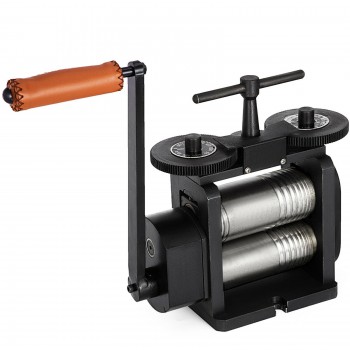
Wire shaping is also an area where the rolling mill shines. By running round wire through the machine, you can create flattened or patterned wire that works beautifully for bracelets or ring bands. This subtle variation in shape adds a handcrafted feel that’s difficult to replicate with store-bought materials.
Of course, working with a rolling mill requires patience and care. Proper annealing of metal—heating it to soften the material—is essential to prevent cracking and ensure smooth results. It’s also important to clean the rollers and materials thoroughly, as even small debris can leave unintended marks.
What makes DIY jewelry projects with a rolling mill so appealing is the balance between control and surprise. While you guide the process, there’s always an element of unpredictability in the textures and finishes you achieve. This interplay keeps the creative process engaging and deeply satisfying.
In the end, a rolling mill is more than just a tool; it’s a gateway to experimentation. Whether you’re crafting gifts, building a small business, or simply exploring a new artistic outlet, it offers endless opportunities to turn raw metal into meaningful, wearable art.
