
A jewelry rotary tumbler can turn rough, unfinished pieces into bright and smooth components, but getting repeatable results is not always as simple as filling the barrel and switching on the machine. Small changes in media, timing, or load balance can completely alter the final finish. Many jewelers discover that consistency comes from controlling details rather than relying on luck.
The first step is understanding that different metals react differently inside the tumbler. Sterling silver softens and burnishes quickly, while brass and stainless steel usually require longer cycles. Mixing several metal types in the same batch often leads to uneven polishing because each material wears at a different rate. Keeping batches separated by metal type helps maintain predictable outcomes.
Load size also matters more than many beginners expect. An underfilled barrel allows pieces to slam into one another, creating dents and scratches. Overfilling prevents proper movement and reduces polishing efficiency. A good rule is to fill the barrel about two-thirds full, including media, jewelry, and liquid compound. This creates enough rolling action without excessive impact.
Choosing the right media is another major factor. Steel shot is excellent for burnishing and work-hardening soft metals, while ceramic or plastic media is better for removing heavier imperfections. Problems often occur when worn-out media is reused for too long. Rounded ceramic pieces lose their cutting ability over time, and dirty steel shot can transfer contamination onto jewelry surfaces. Cleaning and replacing media regularly keeps finishes uniform.
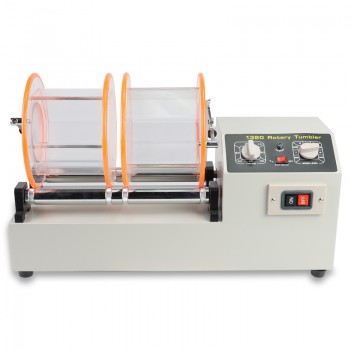
Water and compound ratios should remain consistent from batch to batch. Too much compound creates excessive foam and slows the tumbling action. Too little allows dirt and metal residue to build up inside the barrel. Experienced jewelers often measure their liquids rather than estimating by eye. Even slight variations can affect the surface brightness of finished pieces.
Timing is equally important. Running a tumbler longer does not always improve the finish. Delicate chains, thin prongs, or detailed engravings may lose definition after excessive tumbling. Keeping notes on successful cycles is extremely useful. Recording the metal type, media, compound amount, and duration makes future polishing sessions far easier to repeat.
Another overlooked detail is pre-cleaning jewelry before tumbling. Oils from polishing compounds, fingerprints, or soldering residue can interfere with the process. A quick ultrasonic cleaning or degreasing step prevents contamination inside the tumbler barrel and helps the media work evenly across the surface.
Noise and vibration can also reveal problems early. A smooth rotary tumbler produces a steady rolling sound. Loud knocking usually indicates an imbalanced load or insufficient media cushioning. Correcting these issues immediately prevents damage to both the jewelry and the machine itself.
Consistent tumbling results rarely come from expensive equipment alone. They come from controlled routines, careful observation, and patience. Once a jeweler develops a repeatable process, the rotary tumbler becomes more than just a polishing tool — it becomes a reliable part of daily production, capable of delivering professional finishes again and again.
