
Technology has become an essential part of modern business operations. From communication and recruitment to data management and employee training, digital systems are changing how organizations complete everyday tasks. Businesses are adopting new technologies to improve efficiency, support collaboration, and respond to changing customer expectations. These developments are also influencing the skills employees need and the way teams work together.
1. Automation Is Reducing Repetitive Tasks
Automation allows businesses to use software and machines to complete routine activities with less manual effort. Tasks such as processing invoices, organizing customer information, scheduling appointments, and generating reports can often be handled by automated systems.
This gives employees more time to focus on responsibilities that require judgment, creativity, and problem-solving. Automation can also reduce certain types of human error and help organizations maintain consistent processes.
However, businesses need to review automated workflows regularly. Human supervision remains important when decisions involve complex situations or sensitive information.
2. Remote and Hybrid Work Are Becoming Easier
Digital communication tools have made it possible for employees to work together without sharing the same physical office. Video conferencing, cloud storage, project management platforms, and messaging applications allow teams to coordinate tasks from different locations.
This flexibility has helped organizations introduce remote and hybrid work arrangements. Employees may work from home on selected days while visiting the office for meetings, collaboration, or other activities.
For businesses, these arrangements can expand access to talent beyond a single geographic area. Successful remote work still depends on clear communication, reliable technology, and well-defined responsibilities.

3. Artificial Intelligence Is Supporting Business Decisions
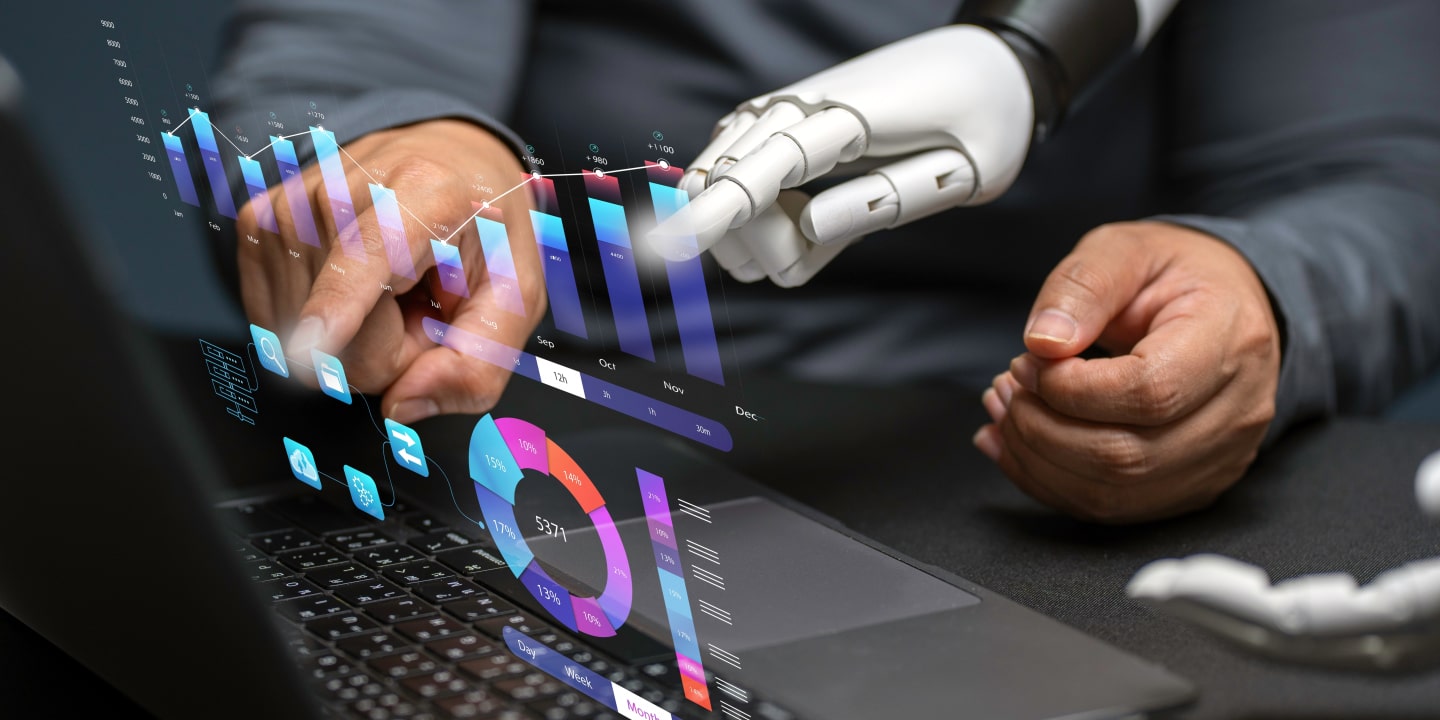
Artificial intelligence is changing how companies analyze information and manage everyday operations. AI-powered tools can summarize documents, identify patterns in large datasets, assist with customer support, and help employees prepare reports.
Businesses can use these capabilities to understand trends and make more informed decisions. For example, customer service teams may use AI assistants to handle common questions, while marketing departments can analyze customer behavior more efficiently.
AI is a support tool rather than a complete replacement for professional judgment. Employees must review important outputs, check accuracy, and consider privacy and security before using AI-generated information.
4. Digital Collaboration Is Improving Teamwork
Modern workplaces increasingly depend on digital platforms that allow employees to work on shared projects. Applications such as Microsoft Teams, Google Workspace, and Slack help teams exchange messages, share documents, and coordinate responsibilities.
Collaborative documents allow several employees to contribute to the same project without creating multiple versions of a file. Shared calendars and task boards also make deadlines and responsibilities more visible.
These systems can improve teamwork across departments and locations. To get the best results, organizations need clear communication rules and consistent methods for storing and sharing information.

5. Workplace Learning Is Becoming More Accessible
Technology has expanded the ways employees can develop professional skills. Online courses, virtual workshops, learning management systems, and interactive training platforms allow workers to access educational resources without always attending in-person sessions.
Employees can learn new software, improve technical knowledge, and complete professional training at a pace that suits their schedules. Organizations can also use digital learning platforms to monitor progress and identify areas where additional support may be needed.
As industries continue to change, ongoing learning helps employees adapt to new tools and workplace expectations.
Conclusion
Technology is transforming the modern workplace through automation, flexible working arrangements, artificial intelligence, digital collaboration, and online learning. These changes can help businesses improve efficiency while giving employees new ways to communicate and develop their skills. However, technology works best when supported by responsible management, proper training, and human decision-making. Organizations that balance digital innovation with employee needs will be better prepared for future workplace changes.