
Staying organized often begins with knowing how to record and manage information. Whether someone is attending meetings, studying a subject, planning a project, or managing everyday responsibilities, effective note-taking can make important details easier to remember. Highly organized people do not necessarily write everything down. Instead, they use structured methods that help them capture key information, identify priorities, and find useful details later.
1. The Cornell Note-Taking Method
The Cornell method divides a page into three sections: a main note-taking area, a smaller cue column, and a summary section at the bottom.
During a meeting or lecture, users write important information in the main area. Afterward, they add keywords or questions in the cue column. A short summary captures the main ideas.
This method is useful because it encourages people to review information instead of simply recording it. Students can use it for revision, while professionals can apply it to meetings, training sessions, and research.

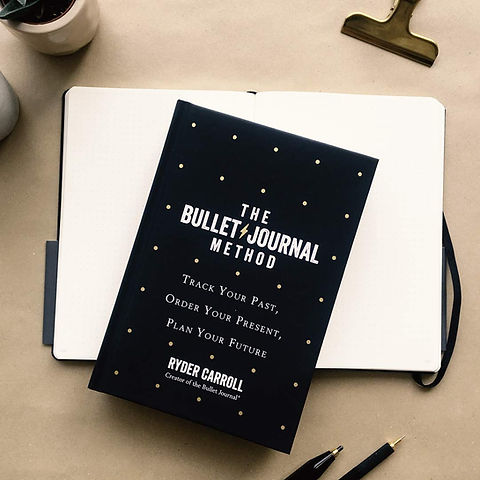
2. The Bullet Journal Method
The bullet journal method uses short entries, symbols, and organized lists to manage tasks, notes, and personal plans. Instead of writing long paragraphs, users record information in a concise format.
For example, a dot may represent a task, a dash may indicate a note, and a circle may mark an event. Users can also create monthly plans, daily logs, habit trackers, and project lists.
Its flexibility makes it useful for people who want to manage different areas of life in one place. It can be maintained in a notebook or adapted to digital note-taking applications.
3. The Mind Mapping Method
Mind mapping organizes information visually around a central topic. Related ideas branch out from the main subject, creating a diagram that shows how different points connect.
This approach is particularly helpful for brainstorming, planning presentations, developing content ideas, and understanding complicated subjects. Instead of following a strict linear structure, users can explore relationships between concepts.
Mind maps can also make large amounts of information easier to review. However, they work best when branches remain clear and do not become overloaded with unnecessary details.

4. The Outline Method
The outline method arranges information using headings, subheadings, and supporting points. Main topics appear first, while smaller details are placed underneath them.
This structure makes notes easier to read because information follows a logical order. It is especially useful during lectures, research, business meetings, and training sessions where several related subjects are discussed.
An organized outline also makes it easier to convert notes into reports, presentations, or action plans. Users can quickly identify major ideas without reading every sentence again.

5. The Digital Note-Taking Method
Digital note-taking uses applications such as Notion, Microsoft OneNote, and Evernote to store information electronically. Users can create notebooks, add headings, attach files, insert images, and search for specific words.
Digital platforms are useful for people who handle information across multiple projects. Notes can be organized into categories, updated whenever necessary, and accessed from supported devices.
Some applications also offer collaboration features, allowing teams to share meeting notes and project information. A consistent folder and tagging system is important to prevent digital notes from becoming difficult to manage.

Conclusion
Effective note-taking is not about writing the maximum amount of information. It is about recording details in a format that makes them easy to understand and retrieve. The Cornell method supports review, bullet journaling organizes daily activities, mind mapping connects ideas, outlining creates structure, and digital applications simplify storage. Choosing a method that fits personal habits can make information management more efficient.