
International Preschool in Singapore: How Multilingual Learning Shapes a Child's Early Years
Explore the benefits of choosing an International Preschool in Singapore where English, Mandarin, and Japanese are part of everyday learning. Discover how Pegasus International Preschool supports communication, cultural awareness, and confidence through its trilingual educational environment.
Growing Up in a World of Different Languages
Singapore is home to families with diverse cultural backgrounds, languages, and educational experiences. For parents raising young children in this multicultural environment, early education offers an important opportunity to introduce different languages and help children become comfortable communicating with people from various backgrounds.
Choosing an International Preschool can provide more than an introduction to academic subjects. It can also create an environment where children discover different cultures, develop communication skills, and learn to appreciate the experiences of others.
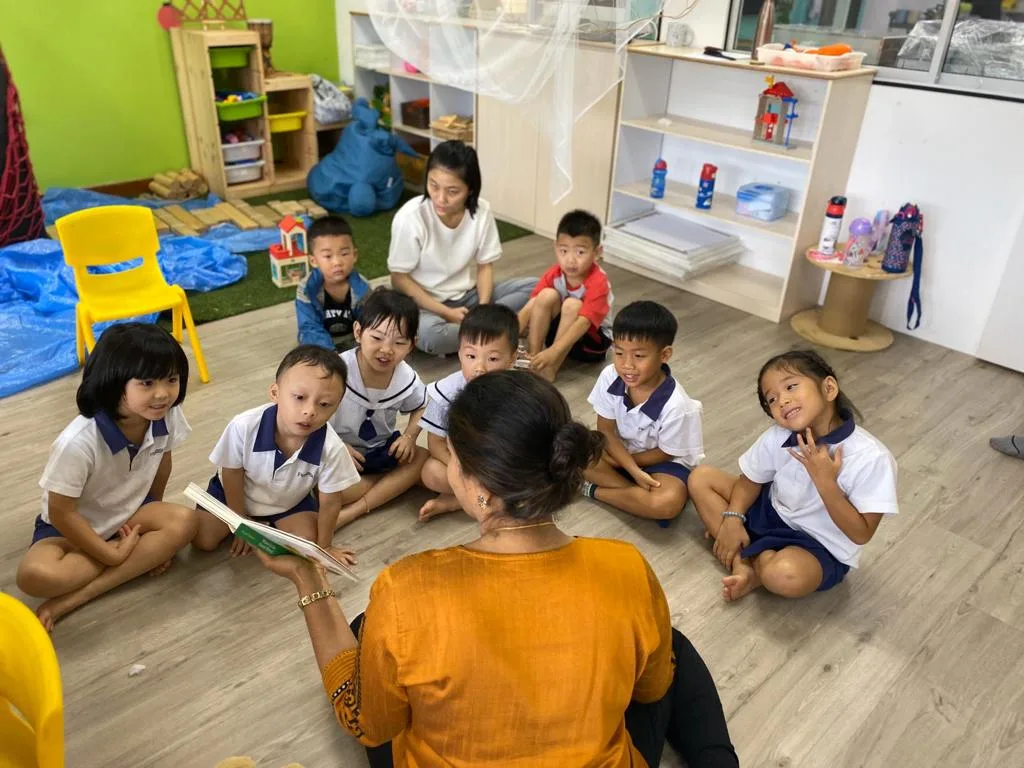
Pegasus International Preschool in Novena offers a distinctive trilingual environment for children aged 18 months to six years. English serves as the main language of classroom instruction, while Mandarin and Japanese are incorporated into everyday learning through stories, songs, conversations, and age-appropriate activities.
This approach allows language to become a natural part of children's experiences rather than something they encounter only during scheduled lessons.
For international and local families, such an environment can create valuable opportunities for children to develop confidence while becoming familiar with different ways of communicating.
Why Early Language Exposure Matters
Young children learn languages through repeated exposure, meaningful interactions, and opportunities to communicate.
When they hear familiar words during everyday activities, they gradually connect sounds with objects, actions, and experiences. A simple greeting, a song, or a conversation during playtime can become an opportunity to develop language awareness.
At Pegasus, children experience English, Mandarin, and Japanese through different parts of the school day.
For example, a teacher may introduce new vocabulary through a story, encourage children to describe their artwork, or use familiar phrases during classroom routines.
These experiences help children understand that language has a practical purpose. It allows them to ask questions, explain ideas, express emotions, and build relationships.
Rather than expecting every child to progress at the same speed, a supportive multilingual environment gives children opportunities to develop at their own pace.
English as the Shared Language of Learning
For many international families, English communication is an important consideration when choosing a preschool in Singapore.
Children may arrive with different language backgrounds. Some may already speak English at home, while others may be more familiar with Mandarin, Japanese, Korean, or another language.
Pegasus uses English as its main classroom language, creating a shared communication environment for children and educators.
Daily activities provide natural opportunities to practise listening and speaking. Children may discuss what they are building, ask classmates for toys, describe their observations, or participate in group storytelling.
These small interactions gradually build familiarity with English.
Importantly, confidence is just as valuable as vocabulary. A child who feels comfortable asking questions and sharing thoughts is more likely to participate actively in classroom activities.
For children who are new to English, predictable routines, friendly educators, and repeated everyday interactions can make the adjustment process more comfortable.
Mandarin and Japanese Add Cultural Depth
A trilingual education offers opportunities to experience languages in different cultural contexts.
At Pegasus, Mandarin and Japanese are woven into the preschool experience alongside English.
Mandarin exposure helps children become familiar with Chinese vocabulary, expressions, songs, and stories. Japanese sessions provide another opportunity to explore sounds, greetings, and cultural experiences.
These activities can be particularly meaningful for families who want their children to maintain connections with their cultural backgrounds while growing up in Singapore.
For children who do not speak Mandarin or Japanese at home, early exposure can also introduce them to different languages in a welcoming environment.
The objective is to encourage curiosity and positive attitudes towards communication. Children can learn that different languages provide different ways to express ideas and connect with others.
Reggio Emilia-Inspired Learning Encourages Communication
Language development becomes more meaningful when children have something interesting to discuss.
This is one reason inquiry-based education works naturally alongside multilingual learning.
Pegasus follows a Reggio Emilia-inspired approach that encourages children to explore questions, investigate their surroundings, and express their discoveries through different forms of communication.
Consider a classroom activity involving building structures with blocks.
Children may begin by discussing what they want to construct. They then negotiate ideas, select materials, explain their decisions, and solve problems when a structure does not work as expected.
During this process, they practise language, mathematical thinking, cooperation, and creativity.
Art, music, storytelling, and hands-on exploration provide additional opportunities for children to communicate without depending entirely on written exercises.
This makes language part of a wider learning experience.
Helping International Children Feel at Home
Moving to a new country can be a major change for young children. They may need to adjust to a different home, unfamiliar surroundings, new routines, and classmates who speak languages they have not encountered before.
An international preschool should recognise that settling in is an important part of the educational journey.
Pegasus welcomes children from local and international families, including families from Japan, Korea, Europe, and other backgrounds.
Its warm community and structured daily routines help children become familiar with their new environment. Educators support children as they build relationships, participate in activities, and gradually develop independence.
Parents also benefit from communication with teachers, particularly when their children are adjusting to a new language or school routine.
A positive transition is not about expecting children to adapt immediately. It is about providing consistent support and allowing them to feel secure before taking on unfamiliar challenges.
A Learning Journey for Different Ages
Multilingual learning at preschool should reflect children's developmental stages.
Pegasus offers five main programmes:
Smart Toddlers: For children aged 18 months to two years, with sensory activities, early communication, and social discovery.
Nursery 1: For three-year-olds developing language, creative expression, and group participation.
Nursery 2: For four-year-olds exploring early literacy, numeracy, and collaborative activities.
Kindergarten 1: For five-year-olds developing stronger communication, independence, and inquiry skills.
Kindergarten 2: For six-year-olds strengthening their foundations for primary school.
As children progress, they encounter increasingly complex activities that encourage communication, independent thinking, and cooperation.
This gradual development helps children become more comfortable expressing themselves in different situations.
Beyond Language: Building Confidence and Cultural Understanding
Learning multiple languages is only one part of a child's development.
Children also need opportunities to understand emotions, cooperate with others, develop physical skills, and explore creative interests.
Pegasus incorporates outdoor activities, sport, music, cooking, and creative experiences into its educational environment.
These activities encourage children to interact naturally. They learn to take turns, follow instructions, share materials, and celebrate achievements with classmates.
Through everyday experiences, children become more aware of different personalities and backgrounds.
This cultural openness can be especially valuable in an international community, where friendships may bring together children with different family traditions and experiences.
Choosing the Right International Preschool in Singapore
When evaluating an International Preschool, parents should look beyond the number of languages offered.
It is equally important to understand how those languages are used, whether teachers encourage communication, and whether children have enough opportunities to participate.
Parents may also want to consider class sizes, age-based programmes, teaching philosophy, outdoor activities, and communication between home and school.
Pegasus International Preschool brings these elements together through its trilingual, Reggio Emilia-inspired educational approach.
Located in Novena at 72 Keng Lee Road, the school provides programmes for children aged 18 months to six years.
For families seeking an early education environment where language, culture, curiosity, and confidence develop together, Pegasus offers an opportunity to experience a different approach to preschool learning.
A school tour allows parents to see how English, Mandarin, and Japanese become part of everyday experiences and how children are encouraged to communicate, explore, and grow.