
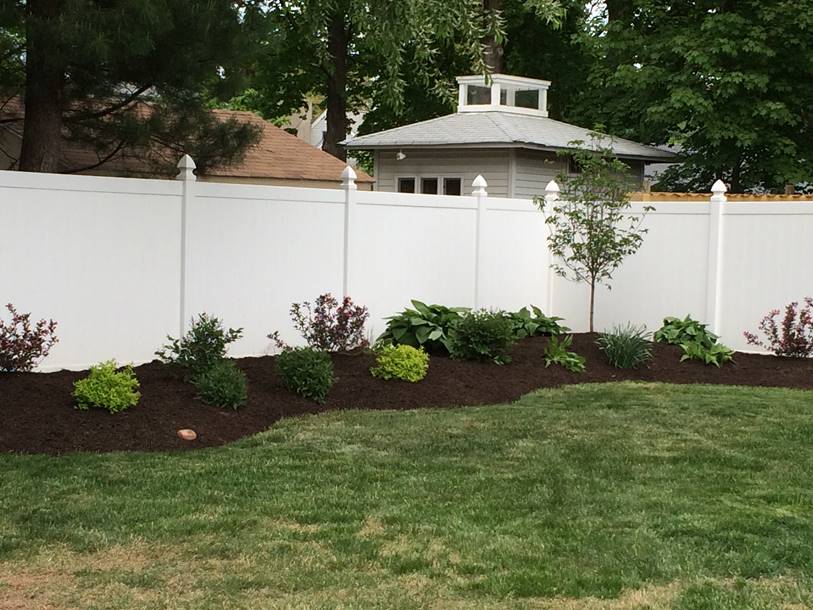


A healthy yard rarely comes from one heroic weekend of hard labor. It comes from steady, manageable habits that fit the space, the climate, and the amount of time a homeowner can realistically give. That is what makes landscape maintenance feel easy. Not effortless, because any living landscape asks for attention, but predictable enough that small jobs stay small and expensive problems never get the chance to build.
After years of working around home landscapes, one pattern shows up again and again. People usually struggle not because they are lazy or careless, but because they try to care for every yard the same way. A shady lot with mature trees does not behave like a sunny suburban lawn. A sandy coastal yard dries out differently than a heavy clay yard after rain. A narrow city lot, a corner property, and a half-acre family yard all need different rhythms.
Good landscape maintenance starts with observation. Before you buy another bag of fertilizer or replace a struggling shrub, spend a week noticing what the yard already tells you. Where does water sit after a storm? Which bed dries first in summer? What section of lawn thins under the dog’s path or under the mailbox heat? The best maintenance plan is built around those answers, not around a generic calendar.
Start with the bones of the yard
Every yard has a framework. Usually it includes turf, planting beds, trees, shrubs, hard surfaces, and irrigation, whether that is a built-in system or a hose and sprinkler. When landscape maintenance feels overwhelming, it helps to think in those categories because each one has its own needs and warning signs.
Lawns ask for mowing, water, and occasional repair. Beds need weed control, mulch, and pruning. Trees need room, sound structure, and attention to roots. Hard surfaces need cleaning and edge control, especially where grass creeps over walkways. Irrigation needs adjustment more often than most people expect. A sprinkler head that was perfect in April may be soaking the driveway by July after growth changes the spray pattern.
This matters because problems in one category quickly spread to another. Too much water for the lawn often leads to fungus in foundation shrubs. Neglected bed edges make the whole yard look unkempt even if the grass is freshly cut. Tree roots that are buried under extra mulch can weaken the tree slowly, then create a costly removal job years later. A tidy landscape is less about perfection and more about keeping the major systems in balance.
Mowing is maintenance, not just appearance
Many people think of mowing as cosmetic, but it is one of the most important cultural practices in the yard. Turf that is cut too short almost always becomes more work. It dries faster, invites weeds, and loses density. In hot weather, scalped grass often goes brown not because it is dead, but because it has been stressed beyond what the root system can support.
Most cool-season grasses https://judahwrwn507.capitaljays.com/posts/landscape-maintenance-mistakes-that-can-damage-your-yard do better when kept around 2.5 to 4 inches, depending on the variety and season. Many warm-season grasses prefer a different range, sometimes much lower, but even then the rule still applies: do not remove too much leaf blade at once. The common guideline is about one-third of the grass height per mowing, and it remains useful because it protects the plant from sudden stress.
Sharp mower blades make a bigger difference than people expect. Dull blades tear the grass instead of slicing it, leaving frayed tips that turn pale or brown. On a broad lawn, that rough look can make healthy turf appear sick. I have seen homeowners spend money on seed and fertilizer when all they really needed was a blade sharpening and a slightly higher mowing deck.
Clippings usually do not need to be bagged unless the grass is excessively long or diseased. When left in reasonable amounts, they break down and return nutrients to the soil. That saves time, cuts waste, and supports long-term lawn health.
Watering with purpose
Water is where many yards go wrong. Some are underwatered, but more are overwatered in a way that encourages shallow roots and weak plants. Frequent, light watering trains roots to stay near the surface, where heat and wind dry them out quickly. Deep, less frequent watering tends to produce stronger root systems.
The exact schedule depends on soil, weather, sun exposure, and plant type, so it is better to think in terms of response than in rigid daily rules. If the lawn springs back slowly when stepped on, it may need water. If the soil in a shrub bed stays damp several inches down day after day, it probably does not. Leaves that wilt in afternoon sun can be misleading, especially for some hydrangeas and annuals, so check the soil before reaching for the hose.
Morning is usually the best time to irrigate. It reduces evaporation and allows foliage to dry, which lowers disease pressure. Evening watering can work when necessary, but leaves that stay wet overnight create a friendlier environment for fungus.
A simple rain gauge or even a straight-sided container can teach you a lot about sprinkler output. Many homeowners assume their system delivers even coverage, then discover one zone puts down twice as much water as another. That kind of mismatch explains a lot of patchy lawns and struggling border plants.
Beds that stay neat with less effort
Planting beds are where landscape maintenance can either become satisfying or turn into a constant battle. A well-built bed with healthy soil, good plant spacing, and a proper mulch layer is surprisingly forgiving. A crowded bed with tired soil and too little mulch invites weeds, disease, and repeated cleanup.
Mulch helps, but only when used correctly. Two to three inches is usually enough for most ornamental beds. Much more than that can trap too much moisture, reduce oxygen exchange, and create conditions that stress roots. Piling mulch against trunks, often called a mulch volcano, is one of the most common and damaging maintenance mistakes. Tree bark should breathe. When mulch stays packed against it, rot and insect problems become more likely.
Weeding is easier when done early and often. Tiny weeds can be removed in minutes. Mature weeds that have seeded into gravel, groundcover, or shrub roots can consume half a Saturday. If there is one truth that saves labor across every kind of yard, it is this: disturb weeds when they are young.
Bed edges deserve more credit than they get. Crisp edges create visual order even when planting styles are loose or natural. On many properties, a fresh edge line between lawn and beds does more for appearance than extra flowers or decorative stone. It is one of the fastest ways to make a landscape look maintained.
Pruning with restraint
Pruning often intimidates homeowners, which is understandable. A bad cut can linger for years. Still, avoiding pruning completely is usually worse than doing a little careful work. The key is to prune with purpose, not just because a plant looks busy.
Dead, damaged, or crossing branches are usually fair targets. Beyond that, timing matters. Spring-flowering shrubs often set buds on old wood, so heavy pruning at the wrong time can remove next season’s blooms. Summer-flowering shrubs usually offer more flexibility. Trees benefit from structural pruning when young, which is far cheaper and safer than trying to correct major problems once limbs become large and heavy.
Hedges are a special case. Shearing them into hard geometric shapes can look tidy, but repeated surface-only trimming often creates a dense outer shell and a thin, shaded interior. Over time, the hedge gets woody and sparse inside. Selective thinning cuts, mixed with light shaping, usually keep shrubs healthier.
There is also a practical trade-off here. Not every yard needs a perfectly manicured look. In many settings, especially on larger lots or in informal gardens, a softer form is both easier to maintain and more appropriate to the site. That kind of judgment saves work and usually leads to better long-term results.
Trees deserve a closer look
If shrubs and flowers are the furniture of a yard, trees are the structure. They shape sun patterns, drainage, privacy, and even wind exposure. They also represent the biggest long-term value in most landscapes, which is why tree care should never be an afterthought.
The most common tree problems in residential yards are surprisingly mundane. Soil piled over the root flare. String trimmer damage around the trunk. Compacted soil from repeated foot traffic or parked equipment. Roots cut during a patio installation. None of those mistakes look dramatic in the moment, but they can weaken a tree over time.
Take a look at the base of each tree. You should be able to see the root flare, where the trunk broadens as it enters the ground. If the trunk disappears straight into mulch or soil like a fence post, it may be buried too deeply. Correcting that can improve tree health and reduce future risk.
Mature trees also change the maintenance needs beneath them. Lawns under dense shade often decline no matter how much seed or fertilizer is applied. In those spots, forcing turf to survive is usually wasted effort. Shade-tolerant groundcovers, mulch rings, or adapted understory plantings often perform better and reduce maintenance.
Soil is the quiet factor behind everything
People often chase visible symptoms when the real issue is soil. Weak lawn color, stunted annuals, standing water, and poor root growth can all trace back to compaction, low organic matter, pH imbalance, or drainage issues.
You do not need to become a soil scientist to make smart decisions. Start simple. If water sits for a day after moderate rain, drainage is likely part of the problem. If a shovel is hard to push into the ground in ordinary conditions, compaction may be limiting root growth. If plants struggle in one bed but thrive in another despite similar care, the soil profile may differ more than it appears from the surface.
Topdressing lawns with compost, amending beds thoughtfully, and avoiding unnecessary traffic on wet soil can improve conditions over time. Aeration helps many lawns, especially on compacted sites, but it is not magic. If the real problem is shade, poor grading, or chronic overwatering, aeration alone will not solve it.
A soil test is one of the more practical investments for homeowners who are tired of guessing. It can prevent over-fertilizing, which wastes money and may do more harm than good. Many landscapes are fed more often than they need to be, especially when every issue is treated as a nutrient shortage.
The seasonal rhythm that keeps work manageable
Most successful landscape maintenance follows a seasonal rhythm. That does not mean rigid dates, because weather shifts from year to year, but it does mean anticipating tasks before they become urgent.
Here is a practical framework that works for many yards:
In spring, clean up winter debris, refresh bed edges, inspect irrigation, and address pruning that fits the plant’s bloom cycle. In early summer, focus on mulch touch-ups, weed control, mower blade sharpness, and deep watering habits before heat stress sets in. In late summer, watch for dry spots, insect pressure, and tired annuals, and avoid heavy pruning that could push tender growth. In fall, remove heavy leaf buildup from turf, cut back only what needs cutting, and prepare young or sensitive plants for winter exposure. In winter, inspect tree structure, hardscape drainage, and the overall layout while the landscape is more visible and less crowded with foliage.This kind of schedule works because it aligns effort with plant behavior. It also spreads labor more evenly. A yard that gets small, timely interventions almost never requires the kind of expensive rescue work that follows long neglect.
Matching plants to the site saves the most time
If one principle makes landscape maintenance easier than any other, it is choosing plants that actually want to live where they are planted. A full-sun perennial in deep shade will never perform well no matter how attentive the gardener is. A moisture-loving shrub in a hot reflected-heat strip near concrete will always need extra help.
This is where experience matters more than trends. A plant may look beautiful at a nursery and still be a poor fit for a particular yard. Homeowners often pick based on flower color or mature height, then discover they have ignored deer pressure, salt spray, drainage, winter wind, or root competition from nearby trees.
Native and regionally adapted plants can reduce maintenance, but they are not automatically maintenance-free. They still need establishment care, occasional pruning, and sensible spacing. The payoff is that once established, they often handle local weather swings better and ask for less water and intervention.
I once worked around a front bed where the owner replaced the same sun-loving annuals in a heavily shaded strip near the porch every year. They bloomed weakly, stretched, and failed by midsummer. After switching to shade-tolerant foliage plants and a few compact shrubs, the bed held its shape for the full season with far less watering and no repeat planting. The maintenance did not become easier because of a trick. It became easier because the plant palette finally matched the conditions.
Tools that earn their place
A yard does not need a shed packed with gadgets. A few dependable tools, maintained well, do more good than a dozen cheap ones left rusty and dull. For most homeowners, the core kit is fairly modest:
A sharp bypass pruner for clean cuts on living stems. A sturdy digging spade for edging, planting, and small repairs. A rake suited to the task, leaf rake for cleanup or steel rake for grading. A hose with a good nozzle or watering wand for controlled irrigation. A mower with a sharp blade and height settings that suit your grass type.The real secret is upkeep. Clean pruners cut better and spread fewer plant diseases. A mower that starts easily and cuts evenly saves frustration every week. A hose that does not kink or leak turns watering into a quick job instead of a chore people avoid until plants are visibly stressed.
When to hire help
Professional help makes sense more often than some homeowners admit. Tree work near structures, drainage corrections, irrigation troubleshooting, and major grading issues are all areas where the wrong approach can cost more than the service call. Even people who enjoy gardening often benefit from outside help for one-time assessments.
There is also a middle ground between doing everything yourself and outsourcing the whole property. Some homeowners hire out seasonal cleanup while handling mowing and watering. Others bring in an arborist every few years for tree evaluation but manage the beds on their own. That hybrid approach often delivers the best value because it targets specialized tasks while keeping routine maintenance affordable.
A good professional should be able to explain not just what they recommend, but why. If someone proposes heavy pruning, frequent fertilization, or a major removal without showing the underlying issue, ask questions. Sound landscape maintenance relies on diagnosis, not habit.
Making a yard easier year after year
The easiest yards are not necessarily the smallest or the simplest looking. They are the ones that have been adjusted over time to reduce friction. Beds are wide enough to access comfortably. Plants are not jammed together at installation. Turf does not extend into awkward slivers that are hard to mow. Watering zones match plant needs reasonably well. High-maintenance features are used sparingly and in the places where they have the most impact.
These improvements often happen gradually. A struggling patch of lawn becomes a mulched tree ring. An overgrown foundation planting gets replaced with slower-growing shrubs. A bed that always erupts with weeds receives better edging and a more consistent mulch layer. Each change removes one recurring annoyance from the maintenance routine.
That is the practical side of Landscape Maintenance that many people miss. It is not only about preserving what is there. It is also about editing the yard so the care it requires matches the life of the person responsible for it. A landscape should serve the property and the people living on it, not create a weekly sense of failure.
A well-kept yard is built through decisions that hold up in ordinary weather, busy weeks, and changing seasons. Mow a little higher. Water a little smarter. Prune with a reason. Protect the trees. Improve the soil where it matters. Notice what the site keeps telling you. When those habits become routine, landscape maintenance stops feeling like a constant catch-up job and starts feeling like stewardship, steady, sensible, and far easier than it first appears.
Majestic Mowing & Landscaping LLC
Phone number: +19733975532
FAQ About Landscape Maintenance
What is landscape maintenance?
Landscape maintenance is the ongoing care, cleaning, and upkeep of outdoor green spaces to keep them healthy, safe, and attractive.
Is $100 an hour too much for landscape work?
An hourly rate of $100 is not too much for specialized or professional landscape work, though it sits at the higher end of the standard pricing spectrum.
How much do landscapers charge for maintenance?
For professional landscaping maintenance, homeowners typically pay $100 to $410 per month for recurring services, or an hourly labor rate of $50 to $100 per hour per crew member.