


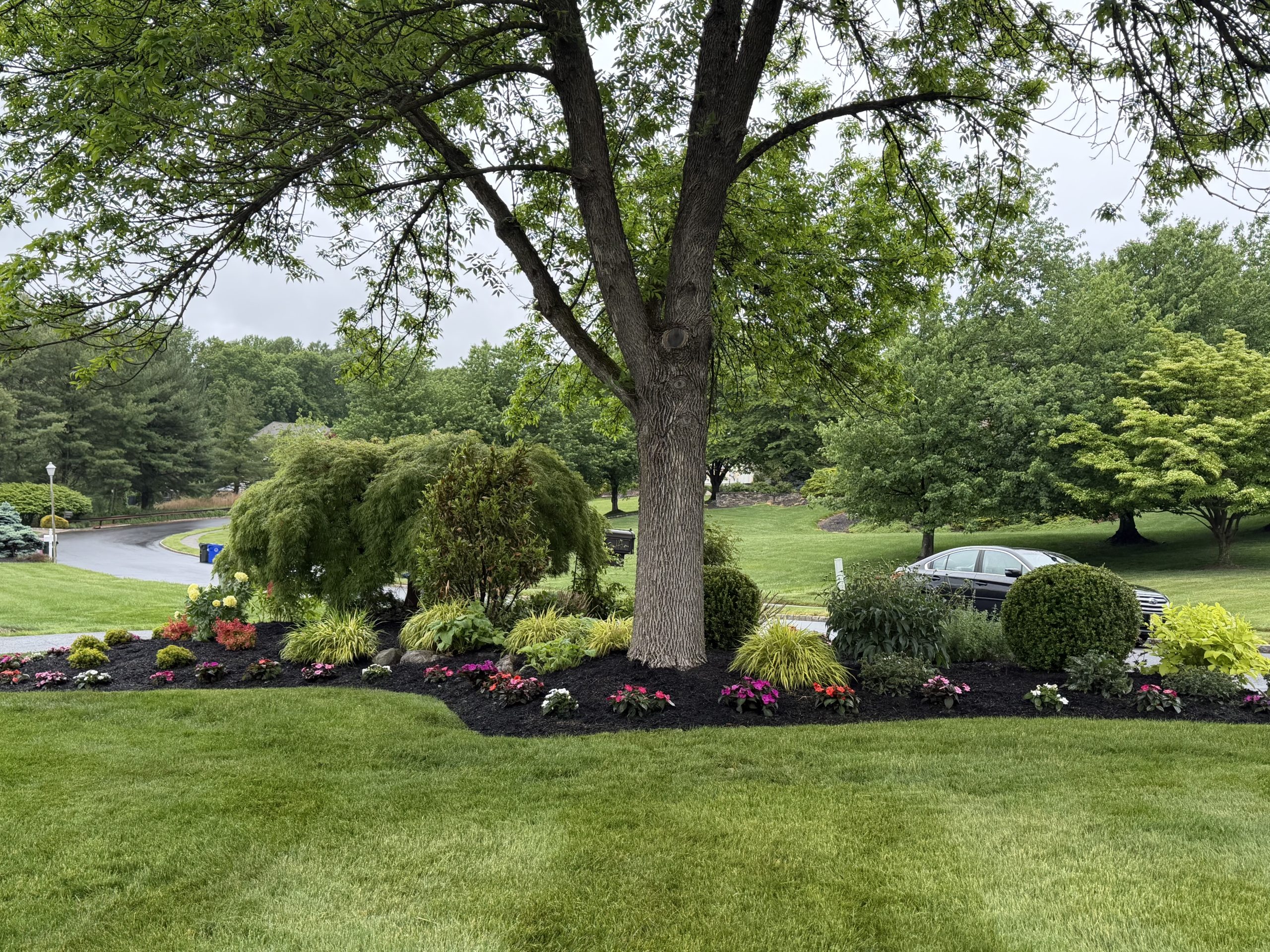
A beautiful landscape in Mendham has to do more than look good from the road. It has to survive freeze and thaw cycles, summer humidity, periods of drought, deer pressure, leaf drop, stormwater runoff, and the ordinary wear that comes from family life. The best properties in this part of New Jersey are not always the flashiest. They are the ones that still feel intentional in late August, still function after a hard rain, and still make sense to the owner three years after installation.
That is where smart Landscape Maintenance makes the difference. Not maintenance as a chore list, but maintenance as a long-term strategy. In Mendham, where many homes sit on generous lots with mature trees, stonework, lawns, foundation plantings, and outdoor living spaces, the real challenge is balance. Homeowners want strong curb appeal, but they also want manageable upkeep, safer walkways, healthier plants, and a yard that does not turn into a weekly headache.
I have seen the same pattern play out on all kinds of properties. A landscape is installed with good intentions, often with a focus on immediate visual impact. Two or three seasons later, shrubs are crowding windows, mulch beds have widened into the lawn, drainage issues have become obvious, and the owner is spending more time and money than expected. None of that means the landscape was a bad idea. It usually means the maintenance plan did not match the reality of the site.
What balance really means in a Mendham landscape
When people hear the phrase "balancing beauty and practicality," they sometimes assume it means compromising the look of the yard. In practice, it usually means editing the landscape so that its beauty lasts longer and costs less to preserve.
A practical landscape in Mendham does not need to be plain. It can include ornamental trees, layered foundation beds, colorful perennials, privacy screening, and a polished lawn. The difference is that each element should justify itself. A shrub that needs constant shearing to stay off a walkway is not really low maintenance, no matter how attractive it looked in the nursery. A lawn that requires frequent intervention because it sits in heavy shade under maples may be less practical than a groundcover or mulched bed. A drainage swale hidden under turf may look neat for a month, then fail every time the soil compacts.
The goal is not less landscape. The goal is better-performing landscape.
In Mendham, mature trees often define the character of a property. They also create the conditions that shape everything beneath them, root competition, shifting shade patterns, acidity from leaf litter, and dry surface soil in summer. If the maintenance plan ignores those conditions, the landscape ends up fighting the site. That fight gets expensive.
Start with the property’s pressure points
Every property has a few areas that quietly generate most of the maintenance burden. On one lot, it may be a wet side yard where turf never takes. On another, it is the front foundation bed where shrubs outgrow the scale of the house every few years. Sometimes it is a steep slope that washes out after storms, or a bluestone patio ringed by beds that spill mulch and debris onto the surface.
Before deciding what to prune, replace, or refresh, it helps to identify those pressure points honestly. This is where experienced Landscape Maintenance Mendham NJ work tends to separate itself from generic service. Local properties are shaped by specific conditions, and the maintenance approach should reflect that. A broad recommendation like “add more color” is not very useful if the bed sits beneath a dense tree canopy and only receives a few hours of filtered light.
The most useful first pass is often observational. Where does water sit after rain? Which plants always look stressed by July? What areas need trimming so often that they never look natural? Which parts of the yard are beautiful for six weeks and unruly for the rest of the year? Those are not cosmetic issues alone. They are design and maintenance issues working together.
Lawn care without treating the lawn like the whole property
Many Mendham homeowners put a great deal of attention into the lawn, and for good reason. A healthy lawn frames the house, sets off planting beds, and creates a sense of order. But the lawn should not absorb all the energy while other parts of the landscape slowly decline.
In this region, a practical lawn program depends on realistic expectations. Cool-season grasses can look excellent in spring and fall, then struggle in the heat of summer, especially in compacted soils or partial shade. Trying to maintain perfect midsummer color everywhere often leads to overwatering, unnecessary inputs, and frustration.
A better approach is to focus on turf quality where turf truly belongs. Open sunny areas usually justify more investment. Narrow strips between tree roots, deeply shaded back corners, and soggy pockets often do not. Those spaces tend to perform better when converted into beds, naturalized areas, or alternative plantings that fit the site.
Mowing height matters more than many people realize. Cutting too short weakens the root system, increases stress during hot weather, and invites weeds. For most cool-season lawns, a higher cut through the warmer months improves resilience. It also gives the property a fuller, healthier look. Sharp mower blades make a visible difference as well. Torn grass tips brown out quickly and can make a decent lawn look tired.
Aeration and overseeding are often worth the effort on older Mendham lawns, particularly where soil compaction is common from foot traffic or repeated mowing patterns. But timing matters. Fall usually offers the best recovery window because temperatures are milder and weed pressure is lower than in late spring.
Shrubs need shaping, not constant punishment
One of the most common maintenance problems on established properties is routine shearing that slowly ruins the natural form of shrubs. It starts with good intentions. Something grows a little wide, a little tall, or a little loose. So it gets clipped. Then clipped again. After a few seasons, the outer shell is dense, the interior is bare, and the plant no longer fits the space.
That is not maintenance. That is containment.
A more thoughtful method is selective pruning based on plant habit and placement. Broadleaf evergreens, flowering shrubs, and screening plants all respond differently. Some benefit from thinning cuts that preserve their natural outline. Others need renewal pruning to remove older canes and stimulate healthier growth. Some simply should not be in that spot if they demand repeated hard cuts to avoid blocking windows or crowding entries.
This is one of the biggest opportunities to improve both beauty and practicality. Right-sizing shrubs to the space reduces labor, improves appearance, and helps the property feel calmer. The front entry should not be swallowed by fast-growing foundation plants. Walkways should not feel pinched by overgrown edges. Windows should not lose light because every shrub was chosen for a three-year look rather than a ten-year fit.
When homeowners invest in Landscape Maintenance with a long view, they often find that strategic replacement is cheaper than endless pruning. A smaller, better-suited shrub may cost something upfront, but it can save years of labor and look better throughout the growing season.
Perennials and ornamental grasses can either simplify the yard or complicate it
Perennials are often sold as the answer to low maintenance, but that depends entirely on selection and placement. Some are durable, tidy, and generous for months. Others flop, self-seed aggressively, attract every deer in the neighborhood, or disappear at the wrong time and leave gaps.
In Mendham, where deer pressure can be severe depending on the property, practicality begins with honesty. If a homeowner loves hosta, daylily, or tulips, that is fine, but those choices should be made with full awareness of likely browsing. There is no value in replanting the same damaged material year after year while calling it maintenance.
Ornamental grasses can be excellent for structure and seasonal movement, especially in late summer and fall. They also need space. Grasses crammed against front steps or tight walks quickly become a nuisance. The same plant that looks elegant in a broad border can feel sloppy in a constrained bed. Scale is everything.
The strongest perennial beds in this area usually rely on repetition and discipline rather than sheer variety. Too many species with different maintenance needs can turn a refined landscape into a patchwork that always seems halfway between blooming and being cut back. A smaller palette, repeated with purpose, usually reads better and takes less effort to maintain.
Drainage problems do not stay hidden for long
A lot of landscape problems that appear to be plant problems are actually water problems. If a bed stays too wet, roots suffocate and plants decline. If runoff repeatedly crosses a walk, the surface becomes slippery and unsightly. If downspouts dump into a saturated lawn edge, the turf thins out and the soil compacts.
In Mendham, where properties often have rolling grades, stone features, and mature tree cover, drainage needs to be part of ongoing Landscape Maintenance, not just something addressed during installation. Seasonal inspection matters. So does watching how the site behaves during real weather events, not just dry-day walkthroughs.
Sometimes the fix is simple, resetting a grade at the edge of a bed, cleaning out a buried drain, redirecting a downspout outlet, or reducing mulch that has built up and trapped water against stems and trunks. Other times the issue is structural and needs more significant work. What matters is not waiting until decline becomes obvious across half the property.
Poor drainage also affects aesthetics in subtle ways. Mulch washes out. Edging erodes. Moss creeps into areas that should stay firm and walkable. Plant foliage yellows or drops early. Homeowners often spend money replacing plant material when the real need is correcting water movement first.
Mulch helps, until it starts causing problems
Mulch is one of the simplest ways to make a landscape look cared for. Fresh mulch sharpens bed lines, suppresses weeds, moderates soil temperature, and helps retain moisture. Used well, it is a practical tool. Used heavily or carelessly, it creates its own set of issues.
On many older properties, mulch gets applied year after year without enough removal or redistribution. Beds rise. Trunks get buried. Surface roots are smothered. Water movement changes. In shaded areas, thick mulch can stay damp too long and encourage rot or fungal issues around susceptible plants.
Most ornamental beds do better with a moderate layer, not a deep blanket. The cleanest look usually comes from proper edging, weed control, and plant density, not from piling on extra inches of bark. Around trees, mulch should be kept away from the trunk flare. The classic volcano shape is one of the most common and most avoidable mistakes in residential landscapes.
Color matters less than texture and consistency. A uniform mulch application across the property ties together different planting areas and helps the landscape feel intentional. It should support the garden, not shout over it.
Hardscapes deserve maintenance too
Landscape Maintenance is often treated as a plant-only service, but on many Mendham properties the hardscape carries just as much visual weight as the lawn and beds. Bluestone walks, stone retaining walls, gravel paths, patios, and entry steps all need periodic attention if the landscape is going to feel truly finished.
Weeds in joint lines are an obvious issue, but they are not the only one. Settlement can create trip points. Organic debris trapped in corners can stain stone and hold moisture. Moss can become slippery on shaded surfaces. Gravel migrates into turf edges and beds. The details are small, but they shape how the entire property feels.
A well-maintained patio should look integrated with the surrounding plantings, not under siege by them. Beds near hardscapes often need more deliberate pruning and cleanup because that is where disorder shows first. If a property includes outdoor dining or seating areas, the maintenance plan should reflect how those spaces are actually used. A yard may be visually attractive, but if furniture is constantly dusted with pollen, paths are cluttered with overgrowth, and nearby beds attract bees at every meal, then the practical side has been neglected.
Seasonal timing is where many good landscapes go wrong
The same maintenance task can be helpful or harmful depending on timing. Pruning too early, fertilizing at the wrong moment, cutting back perennials prematurely, or seeding when conditions are poor all create avoidable setbacks. The Mendham climate asks for timing that follows the plant and the season, not the calendar alone.
A few priorities almost always deserve attention at the right time:
Spring is best used for cleanup, evaluating winter damage, edging beds, and correcting small drainage or grading issues before summer growth hides them. Early summer is the time to watch irrigation habits, monitor disease pressure in turf and ornamentals, and avoid excessive pruning that drives weak regrowth. Late summer into fall is usually the strongest window for lawn repair, planting many trees and shrubs, and making structural pruning decisions with the full season’s growth in view. Late fall should focus on leaf management, final cutbacks where appropriate, and winter preparation for vulnerable plants and hardscape areas. Winter is useful for evaluating the bones of the landscape, where screening is thin, where structure is missing, and where overgrown plants have outlived their placement.What often hurts a landscape is not neglect in the obvious sense. It is random effort. Work gets done, but not in the right order or at the right time. A coordinated seasonal rhythm generally produces better results with less total labor.
Privacy screening should solve a problem without creating a larger one
Privacy is a major priority on many suburban and semi-rural properties, especially where neighboring homes are visible in winter or outdoor living spaces need separation. The temptation is to plant fast and dense. That instinct is understandable, but it often creates maintenance burdens that become obvious only a few years later.
Fast-growing screening plants can outstrip their spaces quickly, especially along property lines, pool areas, and driveways. Once they reach size, they may need repeated pruning that strips away their natural character or leaves them thin in the wrong places. Some become vulnerable to disease or storm damage when packed too tightly.
A more balanced approach often combines different plant types and staggered layers. That creates a softer look, reduces the all-or-nothing risk of a single-species screen, and usually performs better over time. It also gives the owner more flexibility. If one plant struggles, the whole boundary does not fail at once.
In Landscape Maintenance Mendham NJ settings, privacy work should also account for deer, winter burn exposure, and snow storage near drives and walks. A screen that looks great in June but browns out by February is not doing the full job.
The cleanest landscapes are usually edited, not overloaded
There is a tendency, especially after a renovation or a few seasons of enthusiastic planting, to keep adding. Another hydrangea here. More annual color there. One more bed along the driveway. The property gets fuller, but not necessarily better. It also gets harder to maintain in a consistent way.
Some of the most attractive landscapes in Mendham rely on restraint. Strong lawn panels. Well-defined bed lines. A limited number of well-performing shrubs. Perennials used where they have room to shine. Containers placed with purpose rather than scattered everywhere. This kind of editing is what helps a property feel polished throughout the year.
A good maintenance eye asks not just what to add, but what to remove or simplify. Sometimes taking out a struggling planting bed improves the whole yard. Sometimes reducing annual displays in favor of evergreen structure cuts labor significantly while keeping the property elegant. A practical landscape does not need to prove how much work went into it. It should simply work.
When to adjust the maintenance plan instead of pushing harder
There are moments when the right answer is not more fertilizer, more pruning, or more frequent visits. It is changing the plan.
If a bed remains weedy despite regular attention, it may be too sparsely planted or too exposed to runoff. If shrubs constantly block windows, they are likely the wrong species or set too close. If a lawn area needs repeated patching, the site may no longer support turf well. If decorative stone keeps washing into the driveway, the edge detail may be failing rather than the maintenance crew.
That kind of judgment is what turns basic upkeep into thoughtful Landscape Maintenance. It recognizes that a landscape is dynamic. Trees mature. Light changes. Families use the yard differently over time. Drainage patterns shift. What worked ten years ago may no longer be the best answer now.
A practical review of the property once or twice a year can save a lot of money. It helps identify where routine service is enough and where a design correction will provide better value. Many of the highest-maintenance landscapes are not neglected. They are simply asking maintenance crews to compensate for deeper mismatches in plant choice, spacing, or layout.
A useful standard for decision-making
When homeowners are unsure whether a landscape feature is worth keeping, I like a simple test. Ask whether it contributes in at least two ways. Does it look good and reduce erosion? Does it provide privacy and stay manageable? Does it soften stonework and hold up through the season? If a feature offers https://penzu.com/p/5c6ced35c18f62a1 only a brief visual moment but creates months of work, it may not deserve its spot.
That same test helps with upgrades. Before adding a bed, tree, hedge, or decorative feature, it is worth considering a short practical checklist:
- How much seasonal care will it require after the first year? Will its mature size suit the space without repeated hard pruning? Does the site support it in terms of sun, soil, drainage, and deer pressure? Will it improve how the property functions, not just how it photographs? If it struggles, will the fix be simple or expensive?
These are not glamorous questions, but they lead to better landscapes. Beauty lasts longer when it is supported by clear-eyed decisions.
The long view pays off
The properties that age best in Mendham are usually not maintained by reacting to every small issue. They are maintained by understanding the larger pattern of the site. Sun and shade. Water movement. Mature scale. Seasonal use. The owner’s real tolerance for upkeep. When those factors guide decisions, the landscape begins to settle into itself.
That is the sweet spot where beauty and practicality stop competing. The lawn looks crisp, but not overworked. The beds feel full, but not crowded. Shrubs frame the house rather than swallowing it. Patios and walks stay clean, usable, and safe. Seasonal color appears where it has impact, not where it creates needless labor. The property feels gracious because it is being managed with judgment, not just effort.
Good Landscape Maintenance Mendham NJ work is not about making every inch perfect every day. It is about preserving the best qualities of the property while reducing the friction that makes ownership less enjoyable. Done well, maintenance protects the investment, but it also protects something more personal, the ease of living with the landscape season after season.
Majestic Mowing & Landscaping LLC
Phone number: +19733975532
FAQ About Landscape Maintenance Mendham NJ
What is meant by landscape maintenance?
Landscape maintenance means the ongoing care, upkeep, and management of outdoor spaces like lawns, gardens, and parks to keep them healthy, clean, safe, and attractive. It involves regular tasks such as mowing grass, trimming plants, and managing water systems.
Is $100 an hour too much for landscape work?
Yes, $100 an hour is on the high end for basic landscaping, but it can be fair depending on crew size, equipment, and tasks. Standard rates usually fall between $25 and $75 per hour, while professional companies often bill $75 to $150+ per hour for multi-person crews or specialized labor.
What does landscape maintenance consist of?
Landscape maintenance consists of regular outdoor property upkeep focused on keeping yards healthy and clean, primarily through routine lawn mowing, plant bed weeding, and shrub trimming.