
Alexandria rewards good design. You see it in the rhythm of brick facades along King Street, the quiet symmetry of a Colonial in Beverley Hills, the tidy lines of a midcentury in Seminary Ridge. When you add to a home here, you are not just buying square footage. You are negotiating with context, history, light, and the daily choreography of your family. A thoughtful design-build approach binds all of that into a single conversation with a single team, which is how great additions get built without fraying nerves or budgets.
What design-build really buys you in this market
In a region with complex permitting and exacting craftsmanship standards, design-build is more than convenience. It is risk management. One contract covers design, pricing, engineering, permitting, and construction. The same team that studies your lot coverage and sightlines will also sequence beams on installation day. That continuity prevents the most common failure points: drawings that cannot be built for the stated budget, material selections made too late to meet lead times, or structural choices that cost more to fabricate than they do to draw.
On luxury additions, the invisible decisions tend to separate a polished outcome from a frustrating one. Placing an LVL flush within an old joist system to avoid a drop beam in the new kitchen pass-through, knowing which brick supplier in the region can still source a near-match for a 1940s run, filing the right stormwater worksheet before the city asks for it, each reduces change orders and schedule drift later. With a single team accountable for both the design ambition and the field execution, you are buying fewer handoffs and more alignment.
The texture of Alexandria neighborhoods
Old Town is its own world, and the Board of Architectural Review keeps it that way. Rear additions often make the most sense there, set back from the street, respecting parapets and cornice lines, and carrying a restrained palette of painted wood, brick, and standing seam metal. Streets like Prince and Duke look friendly, yet behind many facades you will find creative L-shaped additions that fold around courtyards to catch light without broadcasting mass from the alley.
Further west, Del Ray’s bungalows ask for a lighter touch, often a pop-top that honors the porch and roof pitch. In Rosemont and Braddock Heights, side-yard setbacks shape opportunities for modest side wings that expand a kitchen or build out a mudroom between house and garage. Seminary Hill and Beverley Hills have a mix of stone colonials and Cape Cods on sloped lots, which invites lower level walkouts and terrace levels that turn a basement remodeling project into true living space with French doors to gardens. Each micro-neighborhood teaches the same lesson, an addition succeeds when it looks inevitable, as if the house had been built that way from the start.
Zoning, historic review, and the paperwork that matters
Permitting in the City of Alexandria is detail oriented, particularly in and near the Old and Parker-Gray historic districts. When you work within those boundaries, you will likely visit the Board of Architectural Review. They focus on massing, materials, window proportions, and visibility from the public way. A good design-build team prepares a package that anticipates those questions rather than reacting to them. Drawings should show shadow studies, window schedules with muntin patterns, and details for trim profiles that match period precedents.
Outside the historic districts, zoning drives the conversation. Lot coverage, height limits, and setbacks decide where square footage can land. Rear yard setbacks often guide a one or two story rear addition, while side yard rules shape whether a narrow utility wing or pantry can run along the property line. If your home abuts a Resource Protection Area or a mapped stream corridor, additional reviews and stormwater measures may be required. The Chesapeake Bay Preservation Act influences even small projects when impervious area increases. On sloped lots, soil disturbance thresholds can trigger geotechnical notes or extra erosion controls.
Accessory dwelling units have their own rules, with caps on size, placement, and sometimes parking, and those standards can evolve. If an ADU is part of your home additions wish list, confirm the current ordinance early. The city has embraced the idea but expects thoughtful siting and neighborhood fit.
Where the square footage belongs
The best addition is a traffic plan disguised as architecture. Start with how you live. If the kitchen sits at the interior of the plan, a modest bump-back of eight to ten feet can transform it. The cook gains a prep island, the family gets a light-filled breakfast area, and the host finally has a generous connection to the patio. When a first floor is chopped by a steep stair and narrow hall, a side addition can add only twelve feet and still create an elegant gallery that re-centers circulation, which in turn unlocks furniture placement in the living and dining rooms.
Primary suites deserve careful math. A gracious bedroom volume does not need to sprawl. What elevates the suite is a serene bath, a dressing hall with dedicated shoe and handbag storage, doors that close quietly, and windows that collect privacy and light. Sensibly, primary baths in Alexandria often layer a walk-in shower with a frameless panel and a sculptural tub under a window. Radiant heat in the tile floors and dedicated ventilation on a humidistat are musts for comfort and indoor air quality.
Pop-tops have their place. Add a second floor over a modest footprint and you often get two bedrooms, a shared bath, and a landing window that frames treetops. The key is roof pitch and proportion. Keep the eaves honest, align windows vertically with the floor below, and you can double the function without shouting at the street.
Lower level additions on sloped lots can be revelatory. Cut a set of French doors into the new rear wall and you have level access to a terrace. Pair that move with a basement remodeling scope that adds a conditioned wine room and a media den, and the downstairs becomes real square footage, not overflow storage.
Garages, carriage houses, and garden studios are the quiet workhorses. In rear alley contexts, a one and a half story garage with a studio above can be tuned for storage, gym, or guest space. Detailing matters, from carriage doors with divided lights to brick pavers that signal a soft arrival.
Material character and craftsmanship
Alexandria rewards quiet luxury. Brick should sit proud, with crisp mortar joints that respect the existing bond. When matching old brick, color alone is not enough. Size, frog marks, and surface irregularity affect the read. Sometimes the better answer is to differentiate slightly, use a brick that harmonizes rather than mimics, then lean on proportion and setback to keep the conversation honest.
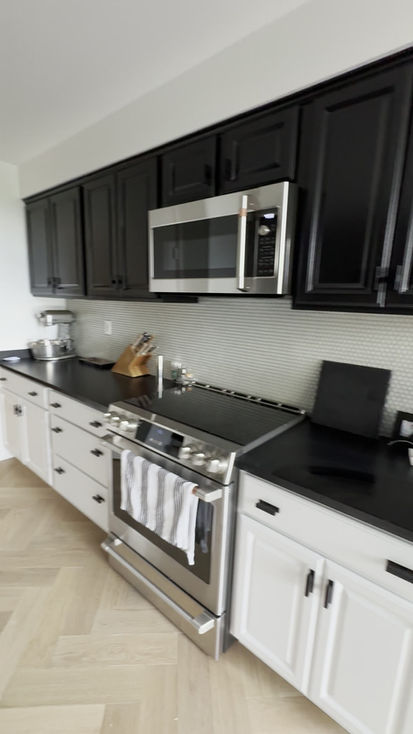
On the interior, a whole home renovations scope often runs alongside the addition so that old and new meet seamlessly. New millwork should reference the existing, not copy it blindly. If your home has two panel doors with beveled sticking, carry that through, but allow the kitchen cabinetry to modernize with inset faces and polished nickel hardware. Natural stone holds its value aesthetically. Honed marble at the island, quartzite at the perimeter, and soapstone on a pantry counter tell a layered story. For bathroom remodeling, large format stone tile on the shower walls and a slab curb keep grout lines minimal. For kitchen remodeling, a discreet appliance package with paneled fronts and an induction cooktop reads as refined rather than loud.
The exterior deserves similar care. Standing seam metal roofs on low-slope rear volumes age beautifully and pair well with copper half-round gutters. If fiber cement is the cladding of choice on a new rear wall, choose smooth boards, paint them a deep neutral, and keep trim profiles slender. True divided light windows are extravagant, so many projects rely on simulated divided lights with spacer bars. The trick is consistent muntin widths and proportion that align across elevations.
Invisible systems that make the addition live well
Luxury lives in silence and steadiness. A well designed addition should have its own mechanical zone rather than overtaxing an old air handler. Variable speed heat pumps, dedicated returns in bedrooms, and dampers that keep temperatures even through the shoulder seasons, these are the details that avoid hot-cold rooms. Spray foam at the roof deck in a pop-top can turn an attic into a semi-conditioned buffer, reducing noise and heat gain.
Sound control between new and old spaces matters. Use mineral wool in floors and interior walls. On the primary suite bath, double layer the drywall with green glue between sheets and you will notice the difference. In kitchens, a remote inline fan paired with a quiet hood insert clears cooking odors without sounding like a jet taking off.
Electrical planning benefits from restraint. Layered lighting creates mood, but it should not feel like a runway. Ceiling cans for wash, pendants for focus, sconces for warmth, toe-kick lighting for night navigation, all on dimmers. In a basement remodeling scope, add floor outlets under planned seating and a dedicated circuit for a wine fridge to avoid nuisance trips.
Budget clarity and where the money goes
High quality home additions in the DC metro area, Alexandria included, often land in the range of 400 to 650 dollars per square foot for well appointed work, sometimes higher when steel, complex foundations, or top-tier finishes enter the picture. A pop-top that includes stair reconfiguration, new baths, and upgraded HVAC can run similarly, while a meticulous rear addition in a historic district may climb due to handcrafted windows, masonry, and review-driven revisions. Detached structures like carriage houses vary widely based on utilities and finishes, with smaller, simpler studios on the lower end and fully finished guest suites higher.
Numbers breathe when scope expands. A kitchen remodeling package paired with the addition may add 120,000 to 250,000 dollars depending on cabinetry, appliances, and stone. Primary bathroom remodeling often sits in the 45,000 to 120,000 dollar bracket for luxury fixtures and stone. Whole home renovations that refinish floors, replace trim, and repaint while the house is open can be a smart add if you want a uniform finish, but they carry their own line items. Good budgeting counts all of it so there are no surprises later.
Schedule follows the same logic. Once permit sets are submitted, reviews can run eight to twelve weeks depending on complexity and season. Construction durations typically run four to eight months for most additions, longer when significant structural work or multiple floors are involved. Lead times for windows and doors can still reach ten to sixteen weeks for custom units, so early selections save weeks on the back end.
A realistic sequence for a calm project
- Vision and feasibility: walk the site, test massing diagrams, measure, and align your wish list with zoning and historic realities. Schematic design with budget checks: draw options, price them in parallel, and reconcile scope with dollars while changes are still cheap. Permit-ready documentation: structural engineering, energy calculations, stormwater plans if required, and the Board of Architectural Review package where applicable. Procurement and preconstruction: lock selections, order long-lead items, finalize schedule, and set dust control and site logistics for living-in-place plans. Build gracefully: open walls, frame, rough-in, insulate, close up, trim, and install finishes with weekly walk-throughs and punch lists that shrink rather than grow.
That rhythm is not glamorous, but it is how you keep the project elegant from the first sketch to the last swipe of wax on the new oak floors.
Case notes from the field
A brick Colonial in Rosemont wanted a bigger kitchen and a mudroom that did not feel like an afterthought. The lot pinched on one side, which suggested a rear addition no deeper than ten feet to preserve the yard. We used a shallow steel moment frame to open the back wall without a bulky post in the middle. The new kitchen added only 240 square feet, yet it changed daily life. A six burner range with a quiet canopy hood, an island with seating for four, a wall of pantry storage with pocket doors, and a breakfast bay that catches morning sun. A short side wing added 60 square feet for a mudroom and powder room with a heated hex tile floor. Because the house had original heart pine floors, we laced in reclaimed boards, then finished the entire first floor together so it read as one.
In Del Ray, a craftsman bungalow received a pop-top. The original two bedroom, one bath plan worked for a couple, then life changed. The second floor delivered a primary suite, two children’s bedrooms, a hall bath, and a laundry closet tucked behind a pocket door. We kept the porch and main roof pitch, then set the new ridge back to sit politely behind the gable. Inside, we insulated the roof deck to gain a conditioned attic slip for storage and ducts. On the exterior, cedar shingles stained a deep gray balanced the existing lap siding. The project read as if it grew up in place.
Integrating the addition with the rest of the house
Great home additions rarely stand alone. Plumbing stacks want to align, electrical panels sometimes need upgrading, and old plaster may resist a crisp paint job alongside new drywall. If your plans include a chef’s kitchen, do not forget how the living room will feel the day after the renovation. New trim profiles, a calmer paint palette, and a lighting plan that touches every room can make the whole home renovations scope feel like value, not bloat. Basement remodeling can turn underused space into a gym, a quiet office, or a guest suite with egress and daylight, which reduces the pressure on the main floors.
A good home remodeling contractor will help you decide what to include now and what to stage. Sometimes the smartest move is to rough in for a future wet bar in the new family room, run conduit for future electric vehicle charging to a planned garage, or add blocking in walls for future built-ins. Design for your five year life, not just the week after you move back in.
Details that elevate daily life
Mudrooms, if done well, feel like antechambers to sanity. Cubbies sized for actual backpacks, a bench at the right height for putting on shoes, tile floors that tolerate rain and grit, and dedicated ventilation for pet care. Kitchens need landing zones beside ovens and fridges, trash pullouts where you stand, and a dish pantry if you love to host. Bathrooms benefit from separate water closet rooms when space allows, heated towel bars, and vanity drawers organized for daily rituals. In a primary suite, a dressing hall between bedroom and bath softens transitions and keeps early showers from waking a partner.
Acoustics shape luxury more than many expect. Solid core doors on bedrooms and baths, gasketed doors to mechanical rooms, and rugs sized correctly keep footfall from echoing. Where a family room meets an open kitchen, a coffered ceiling with acoustic backing above drywall can break up sound without announcing itself as tech.
Sustainability with grace
Alexandria homeowners care about stewardship. A tight envelope and efficient mechanicals reduce energy bills and make rooms feel calm. If you open large portions of the house, consider new windows with warm edge spacers, exterior continuous insulation on new walls, and better air sealing at rim joists. Stormwater deserves a plan. Permeable pavers on terraces and thoughtful grading move water away from the foundation. A simple rain garden can be beautiful and functional.
Material choices tell their own sustainable story. Refinish existing floors rather than replacing, reuse interior doors where possible, and select paints with low VOCs. In kitchens, induction cooktops pair well with strong ventilation strategies and cut indoor pollutants. On roofs, standing seam metal reflects heat and lasts for decades, a wiser choice than replacing composition shingles twice in the same span.
Living through construction without losing your mind
https://zanedrxj865.yousher.com/insider-tips-from-a-home-remodeling-contractor-in-alexandria-north-virginiaMany Alexandria families stay put during work. It is possible with planning. Seal the work zone with double dust barriers and negative air machines. Establish a temporary kitchen with an induction hot plate, toaster oven, and a modest fridge in a den. Protect travel paths with ram board and keep the job clean with a daily sweep. A clear schedule of quiet hours for little ones’ naps or work calls keeps goodwill high. Weekly site walks with your project manager and designer resolve details before they harden.
Choosing the right partner
- Confirm that your home remodeling contractor has meaningful design-build experience in Alexandria, including successful Board of Architectural Review approvals where relevant. Ask for project budgets and schedules that match your scope and level of finish, not generic averages from other markets. Review a current site logistics plan that addresses dust, parking, neighbor relations, and material staging on tight lots. Visit one or two completed projects and, if possible, an active job to see field organization and craftsmanship up close. Clarify warranty and post-occupancy support, including response times and how seasonal adjustments are handled.
The right fit reads quickly. You should feel a balance of design sensitivity and construction pragmatism. They should ask about how you live, not just what you want to build.
The role of kitchens, baths, and basements in an addition
When an addition adds a family room or an upstairs suite, kitchens and baths often play catch-up. Kitchen remodeling tied to an addition should rethink storage and flow, not just swap cabinets. If your family loves to cook, plan zones for prep, cooking, cleanup, and hospitality. The pantry may belong in the new square footage, freeing the original kitchen footprint for wider aisles and a generous island. For bathroom remodeling, go beyond fixtures. Waterproofing details, tile layout that respects sightlines, and lighting that flatters faces matter more than chasing the trend of the moment.
Basement remodeling comes into play when you need flexible space without encroaching on yard or historic massing concerns. With proper drainage and insulation, a lower level can be as pleasant as any other floor. Daylight is the difference. Add a walkout where grade allows, widen a window well, or integrate a glass door at the base of a stair to borrow light. A basement bath with a curbless shower invites aging in place. A playroom that converts to a teen lounge later keeps the house relevant as family life evolves.
Managing the trade-offs
Everything has a trade-off. A pop-top might be the most cost effective way to gain bedrooms, but it may limit the chance for cathedral ceilings downstairs. A deep rear addition wins kitchen and family room space, but compresses the yard unless you stretch into landscape design that recovers outdoor rooms with a terrace and planting. Steel solves heroic spans, yet it adds fabrication time and coordination. Matching historic brick perfectly can be breathtakingly expensive, and a near match tempered with setback and shadow lines can read more honest and graceful.
Budget is its own discipline. Spend on the structure you cannot change later and the finishes you touch daily. Splurge on windows in places that frame your best views and on cabinets you open dozens of times a day. Save on secondary tile and less visible built-ins. Plan for art walls and future drapery so that the house can wear quiet luxury without shouting.
A final word on experience
Great additions in Alexandria feel settled. They sit within their neighborhoods with confidence, the inside meets the outside without a seam, and the home functions with a calm you notice at breakfast and before bed. That comes from hundreds of micro-decisions made in the right order. The design-build process invites those decisions to happen with the same team at the table, which is the surest path to a project that looks inevitable, lives beautifully, and respects the city you chose to call home.
Whether the scope is a rear family room that opens the kitchen, a primary suite that finally puts everything on one level, or a carriage house that doubles as a studio, the aim is the same, to add space that earns its keep. If your plans touch many rooms, a whole home renovations strategy can unify the old and new. If they focus on a single zone, a targeted kitchen remodeling or bathroom remodeling plan can deliver daily pleasure. In any case, choose a home remodeling contractor who understands Alexandria’s nuances, plan tightly, and let craftsmanship show. The house will thank you for it.