
Fall is when Shakopee lawns either set themselves up to bounce back next spring, or they quietly carry problems into the growing season. The weather turns unpredictable, grass growth slows, leaves pile up fast, and it feels like there is always one more thing to “just get to later.” The trick is to work in the order that actually matters for turf health: clean up the canopy, protect the soil, manage weeds the right way for the season, then finish with a lawn mowing and watering routine that matches the temperatures.
What follows is a practical, local-minded fall checklist for homeowners, and it is also a helpful guide if you are hiring a landscaping service in Shakopee MN. I have seen the same patterns year after year: people dethatch too late, they mow too short, they smother the lawn with leaf mats, and they ignore drainage until the ground freezes. This season does not need to be perfect, but it does need to be timely.
Start with the weather pattern you actually have in Shakopee
In Shakopee, fall can swing from mild and sunny to cold snaps that show up with very little warning. That matters because lawn tasks are tied to soil and grass stress, not just the calendar date. A mid-October day that stays above freezing all afternoon gives you enough time to mow, bag leaves, or do touch-up edging. A week later, if temperatures drop and the ground stays damp, some projects should wait.
If you are planning heavier work like aeration or overseeding, timing is everything. You want the grass to have enough time to recover and, for new seed, enough time to root before hard freeze conditions. In practice, that usually means planning around a first hard frost rather than the first day of fall. If you are unsure, watch for steady nighttime temperatures dropping into the low 30s Fahrenheit and soil staying cool and workable. When the ground turns firm and snow starts showing up, the window gets tight fast.
Leaf management is not optional, it is turf protection
Leaves are the most common fall lawn problem I see in Shakopee neighborhoods. People underestimate how quickly a thick leaf layer blocks light and air movement. Wet leaves also create a perfect environment for disease when they remain in contact with the grass for long stretches.
If your lawn gets a steady stream from mature trees, plan on handling leaves like a routine task rather than a once-and-done cleanup. A thin dusting is one thing. A mat that stays wet is another.
The simplest approach is to rake while leaves are still light and dry, then bag or compost what you can. If you use a mulching mower, you still have to be realistic about volume. Mulching works best when leaf amounts are small enough to break down within a reasonable time. When leaves are thick, mulching can turn into smothering.
A focused fall checklist that you can finish
Below is a compact checklist you can realistically complete during one or two weekends. Adjust based on how your lawn looks, not only on the calendar.
- Remove leaf buildup before it forms a thick mat, especially in shaded areas Mow to a proper fall height and avoid scalping when the grass is still actively growing Water deeply only when needed, then cut back as the weather turns colder Aerate only if the lawn needs it, and time it so grass can recover before hard freezes Plan overseeding for bare patches if you see thin spots opening up
Mowing in fall: height, frequency, and the “scalp mistake”
Many homeowners hear “fall is for letting it grow” and take it too far. Others overcorrect the other way and mow too low to reduce work. Both approaches can weaken turf heading into winter.
The goal is to keep the grass healthy enough to keep growing slowly, build energy reserves, and protect crowns. In practical terms, you want a consistent mowing height that leaves enough leaf area to photosynthesize, without letting the lawn get so tall that it shades itself and traps leaves.
If you are mowing more frequently in early fall, set your mower higher and mow based on growth, not on weekly tradition. When growth slows, you do not need to mow as often, but you still want the lawn to look even, not ragged. Scalping is the biggest mowing error I hear about after the first cold snap, because short grass is more vulnerable to winter stress and spring thinning.
A good rule of thumb is to avoid cutting more than about one third of the blade height in a single mowing session. If your lawn has gotten away from you, mow once at a safe height, wait a few days, then adjust rather than attacking it down to a low setting right away.
Watering: fewer applications, better aim
Fall watering is where people either do too much or stop too early. The grass still needs moisture, but it needs it differently. Cooler air reduces evaporation, and late-season rain can do most of the work for you. The catch is that cold weather does not eliminate drought stress. It just makes it slower and harder to notice.
I usually tell homeowners to base watering on soil feel and grass response. If you step on the turf and it feels springy, and footprints do not stay indented for long, you are probably fine. If the soil is dry several inches down, and the lawn looks bluish-gray or dull, watering may be necessary.
When you do water, aim for a deep soak rather than frequent light sprinkling. Deep watering encourages roots to stay active and reduces the urge for shallow root habits. Once nighttime temperatures fall and the ground begins to stay cold, reduce watering and follow the weather. There is no reward in creating soggy, frozen conditions around the root zone.
Aeration and overseeding: when they help, when they do not
Aeration is one of those fall tasks that can make a huge difference, especially on lawns that are compacted from foot traffic, heavy equipment, or repeated wet use in spring. But not every lawn needs it every year.
If your lawn has a lot of thatch and dense, spongy feel, aeration can help. If your soil is already loose and your grass is thick, you might skip aeration and focus on mowing, leaf removal, and targeted overseeding.
Overseeding makes sense when you have visible thin areas, bare spots, or worn traffic zones. The key is choosing seed that matches your current turf type and local performance. Many homeowners rush overseeding and end up with seed that germinates unevenly because it lands on a surface that never stays moist long enough. That is why timing and surface prep matter.
If you are considering a landscaping design installation Shakopee project that includes lawn renovation, talk with the installer about the soil prep method. A good installer will factor in soil compaction, existing plant material, and drainage, not just scatter seed and move on.
When to schedule aeration in the fall
I cannot give you a single date that works for every year because Shakopee temperatures shift. But I can share the decision logic. Plan aeration when the lawn can recover within a few weeks, not when the grass is already “done.” If you aerate right before the ground freezes hard, you do not just delay recovery, you can create a rough surface for winter that still needs attention in spring.
If you want help, a lawn mowing service Shakopee might not offer aeration as a stand-alone item, but many local companies coordinate services. Even if they only mow, their seasonal observations can help you decide whether aeration is worth it this year.
Dealing with weeds: spot control beats broad chaos
Fall is often a strong season for controlling certain weeds, but it is not a universal green light. Some weeds respond better to timing and temperatures. Others can be more stubborn once they have matured.
My experience is that the best results usually come from two strategies: first, reduce the lawn stress that weakens turf and gives weeds an opening. Second, handle weeds with targeted spot control rather than spraying everything on a schedule. You will get fewer surprises, and you will protect desirable grasses and nearby landscaping.
If you use a product, follow the label exactly. Conditions matter. If rain is likely to wash it off soon, or if temperatures are too extreme, results can vary. This is one place where it helps to rely on a local pro if you want predictable outcomes, especially if you also have landscape beds, ornamentals, or edging that could be affected.
Landscape edging and cleanup: the difference between “tidy” and “finished”
Edges look small until you try to maintain them. In fall, edging also becomes a functional cleanup boundary. Leaves love to collect along borders and under shrubs, where raking is harder and lawn mowing gets sloppy.
If you have landscape edging Shakopee MN homeowners often maintain, you know the difference between edging that holds a clean line and edging that has shifted or sunk. As the season cools and soil moisture changes, edging can settle, especially if the area has been disturbed by mowing, foot traffic, or previous planting.
A proper fall cleanup includes trimming back overgrowth that leans into the lawn, pulling debris out of the planting edge, and straightening any visible edging lines so the mower does not repeatedly “bite” into beds. If you are hiring landscaping service in Shakopee MN, ask whether they include edge maintenance with their seasonal visits. Many customers are surprised that small improvements in edging can make mowing look more professional and reduce the time you spend raking afterward.
Tree service and shade: manage the problem at the source
Shakopee yards often have mature trees that make the landscape beautiful, but they also create leaf drop and uneven light. If you are fighting persistent leaf buildup or your lawn struggles mainly in shaded corners, look at the tree canopy first.
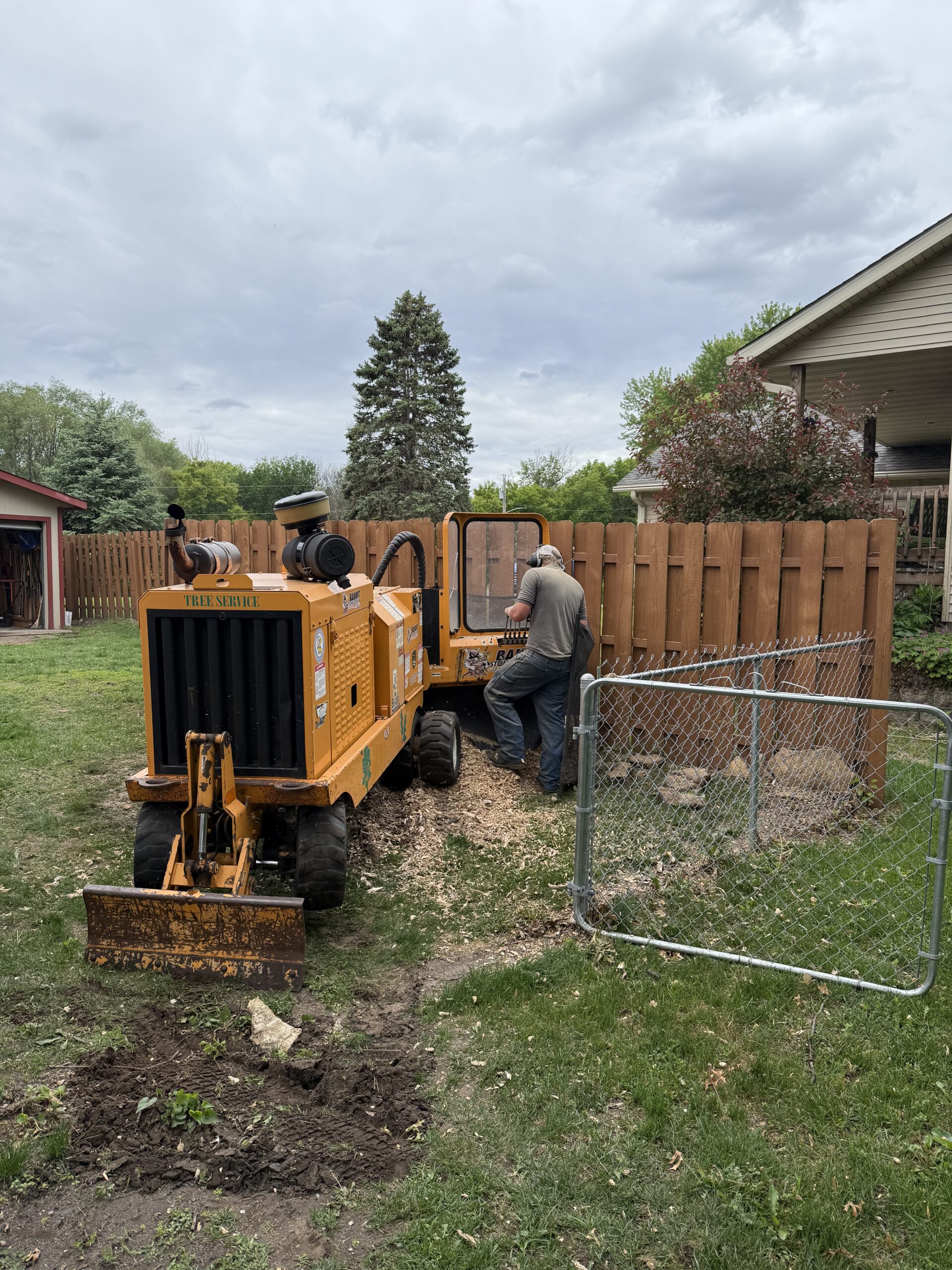
Tree service in Shakopee is not just about safety and removing dead limbs. Strategic trimming can improve light and reduce excessive leaf accumulation in specific areas. Still, trimming is not something to do casually. Over-pruning can harm trees, and the best approach depends on the species and the structure of the canopy.
If you see dead branches, persistent fungus, or limbs overhanging walkways at risk, that is a safety and health conversation. If the issue is mostly lawn health, focus on shaping and clearing with the goal of light penetration and airflow, not just “making it smaller.”
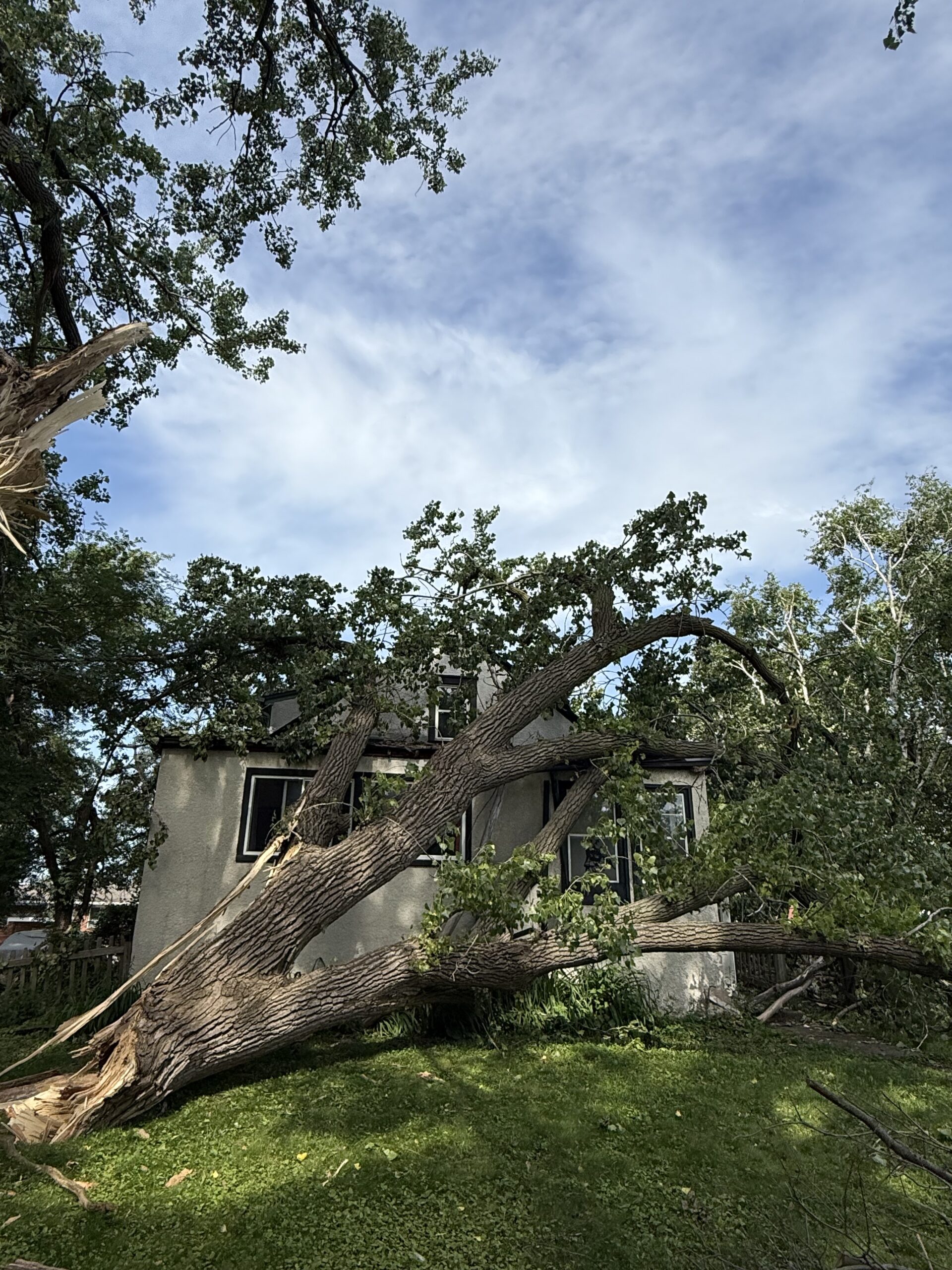
Also watch for branches that repeatedly break or scrape the roof line after wind. Addressing those issues early can prevent cleanup piles from turning into a recurring chore every fall.
What to do about fungus and patchy areas
When leaves stay wet and airflow is limited, lawns can develop thinning patches or discoloration. In fall, some spotting is normal, especially if you have heavy shade, poor drainage, or compacted areas.
Before you add treatments, pause and diagnose. Is the patch uniform and persistent, or does it come and go? Is it where water collects after rain? Is it near a downspout or where soil stays consistently damp?
If the patch is in a low area, improving drainage and reducing standing water will likely help more than any surface-level fix. If it is a traffic zone that never fully recovers, overseeding and traffic management may be the better path.
If you want professional help, a landscaping service can sometimes connect the dots between lawn issues and landscape grading. Landscaping design installation Shakopee can be especially relevant if you have slopes, drainage patterns, and bed edges that channel water unpredictably.
Timing your cleanup so it does not create new problems
People often try to “finish” too early. They rake everything in late September, then stop. The lawn still has seasonal growth, and new leaf drop often arrives later than expected. If you do a cleanup too aggressively without maintaining mowing height, you can leave the lawn exposed and stressed.
A more balanced approach is to set a rhythm: early fall cleanup to reduce buildup, then lighter follow-ups as needed. You can usually tell if your rhythm is right by checking how thick the leaf layer gets between sessions. If you are raking every few days because leaves pile up quickly, adjust your schedule until the lawn stays clear enough to breathe.
Winter preparation: last mowing and leaving the right kind of mess
In Shakopee, the final mow before winter is about maintaining grass height that can tolerate cold and still recover in spring. Do not mow so low that crowns are exposed, but also do not leave grass overly tall. The end goal is even ground coverage and less leaf contact that can smother turf.
After that last mow, keep up leaf removal as needed. It is better to do a couple of smaller leaf sessions than to leave a thick layer to freeze and thaw repeatedly. Freeze thaw cycles can intensify damage in already stressed lawns, particularly under shade and around landscape beds.
Once snow arrives, you should avoid walking repeatedly in the same areas. If you have outdoor events, plan routes. Turf damage from foot traffic in snow can show up as bare spots or thin turf later.
How professional services fit in, and what to ask
If you are busy, or you want more reliable results than a weekend effort, hiring help can be a smart move. Many homeowners combine lawn mowing service Shakopee visits with seasonal cleanup and landscape edging maintenance. That is often the fastest route to an orderly yard because mowing and edging are closely linked in fall, when leaves and growth both pick up momentum.
When you talk to a company, ask questions that reveal how they work, not only what they charge. For example, do they bag leaves or mulch them? Do they address leaf buildup under shrubs and along fences? Do they check lawn height settings based on current growth? Do they have a plan for spot treatment or do they only do broad applications?
If they also offer tree service in Shakopee, that can be useful if you have recurring canopy issues. But you still want clarity on scope. Tree work is not automatically a solution to lawn problems unless it is targeted with a reason.
If your yard is due for a larger refresh, a landscaping design installation Shakopee approach can coordinate grading, planting, and turf renovation into one plan. That matters when drainage or bed layout is driving lawn stress.
Questions that save money and headaches
If you are choosing between doing it yourself and hiring a crew, these five questions keep conversations grounded.
- How do you handle leaf buildup, do you bag, mulch, or use both methods depending on thickness What mowing height do you use in fall, and how do you adjust based on grass growth Do you offer edging Shakopee MN style cleanup, and do you straighten or reset edging lines If you aerate or overseed, how do you time it so grass can recover before hard freeze Do you assess drainage and shaded areas, or do you focus only on surface appearance
Local yard scenarios: what to do in real life
Every Shakopee lawn looks different, and fall tasks change depending on the yard setup. Here are a few common scenarios I have seen.
If your yard has a lot of shade, leaf removal becomes your main job. A lawn that barely gets sun will not respond well to mowing alone. You can have good mowing habits and still struggle if leaves and debris stay trapped along the shaded edges. In that case, improving light through mindful canopy work and keeping leaf buildup down is the foundation.
If your lawn is compacted from play areas, aeration and overseeding can be the difference between a tired lawn and a usable spring yard. But if the grass is already thin because it cannot thrive, aeration without overseeding might not be enough. On the other hand, overseeding without aeration can also fail if the seed sits on a hard, compacted surface.
If your lawn is mostly fine but the trouble spots are around downspouts and low corners, the best fix is often not another round of fertilizer or a quick seed scatter. It is addressing how water moves. You might need small grading changes, better bed drainage, or adjustments to how water flows across the yard. This is where landscaping design installation Shakopee planning earns its keep.
Don’t forget the “small” tasks that make a big visual impact
Fall also reveals the landscaping details you might ignore in summer. Edging lines that are slightly off suddenly look worse when grass growth slows. Bare spots show up clearly after mowing. Shrub beds can look messy when leaves accumulate under their outer edges.
Take a walk right after mowing one afternoon and look at the yard from the street and from the patio. If you see leaf debris trapped in corners, tackle those first. If you see thin turf stripes, those are often mowing-related or traffic-related and can guide your overseeding plan.
This is also a good time to check tools. A sharp mower blade matters more in fall because the grass is often less resilient. Rakes that bend or catch edges create extra work. If you are doing any tree service cleanup yourself, gloves and eye protection are not optional. Branches and fallen limbs are unpredictable, especially after wind.
A sensible end-of-fall routine for Shakopee homeowners
You do not need to do everything at once. What matters is doing the right things at https://chancekwdy748.urbanvellum.com/posts/shakopee-mn-landscaping-from-edging-to-planting the right time, with enough attention to the areas that actually cause problems.
In the last weeks of fall, focus on keeping leaves from forming a mat, mowing at a height that keeps the lawn healthy, and watering only when the soil needs it. If you have bare patches, overseed on a schedule that gives seed time to root. If weeds are popping up, use spot control based on what is actually present rather than chasing every random spot.
If you want the most polished result with the least effort, combine mowing with seasonal cleanup and landscape edging maintenance. That approach is exactly why many homeowners use lawn mowing service Shakopee options alongside landscaping service in Shakopee MN for fall cleanup and property touch-ups. When the yard stays neat while the grass is still adjusting to cool weather, you reduce spring work and increase the odds that the lawn looks ready instead of struggling.
Take a few hours this fall and treat it like a reset. Your spring self will thank you.
JCJ Landscaping and Snow Removal
7 West Travelers Trail, Unit 391, Burnsville, MN(55337)
(952) 649-6655
jjsnowplowing10@gmail.com
Website: https://jcjpropertymaintenance.com