
Vancouver keeps redefining what a yard can be. From narrow Kitsilano lots to generous corner properties in Kerrisdale, homeowners want landscapes that look modern while surviving wet winters, salty air, and the city’s microclimates. Contemporary design in this region is not only about clean lines and minimal planting, it is about marrying form with function, choosing materials that age well, and designing for year-round use. This article lays out practical approaches, trade-offs, and real-world details for anyone planning landscaping in Vancouver BC.
Why this matters
A landscaped yard is rarely a single investment. It affects curb appeal, maintenance time, water use, and how you live outdoors. Done well, a contemporary landscape increases usable space and resale value. Done poorly, it becomes an expensive patch of struggling plants and faded composites. Vancouver’s weather and local regulations add constraints, so the choices you make need to be intentional.
Reading the site before designing
Start outside with observation. Time spent watching sun patterns, wind, and water run-off yields more design accuracy than a stack of inspiration photos. Note which areas get full sun for at least four hours, which are shaded by mature trees, and where rainwater currently pools after a downpour. Also check soil depth near the foundation; many Vancouver lots have glacial silt over compacted fill that requires raised beds or structural soil for trees.
A quick, honest on-site checklist to run through before sketching ideas
- position of neighbour sightlines and where you want privacy existing drainage problems and whether you need to regrade or add French drains overhead utilities or tree protection zones that limit excavation the most-used access routes from house to street and garage budget range for installation versus phased upgrades
These five checks prevent common mistakes: planting where roots will suffocate, installing patios in areas that stay soggy, or committing to expensive features that conflict with municipal tree bylaws.
Principles of contemporary landscaping that suit Vancouver
Simplicity with texture: Contemporary yards often use restrained palettes. Instead of a riot of colors, choose two or three plant tones — for example, two evergreen textures with one seasonal accent. Use repetitive plant masses to create rhythm that reads well from the street and anchors the composition in rain and fog.
Hardscape as structure: In Vancouver, hardscaping often dictates usability. A level patio, a single set of wide steps, and a straight or gently curving path provide clarity. Materials that patina attractively, like natural basalt, honed concrete, or oil-finished cedar, are preferable to plastics that look synthetic within a few years.
Multi-season interest: Select plants that provide visual weight in winter as well as summer. Evergreen hedges, architectural ferns, and forms such as heathers and grasses keep a yard compelling through months of grey.
Water-wise irrigation: Even with winter rain, most Vancouver yards benefit from targeted irrigation in spring and summer. Drip systems reduce waste, and automatic timers with a rain sensor prevent over-watering during the long rainy season.
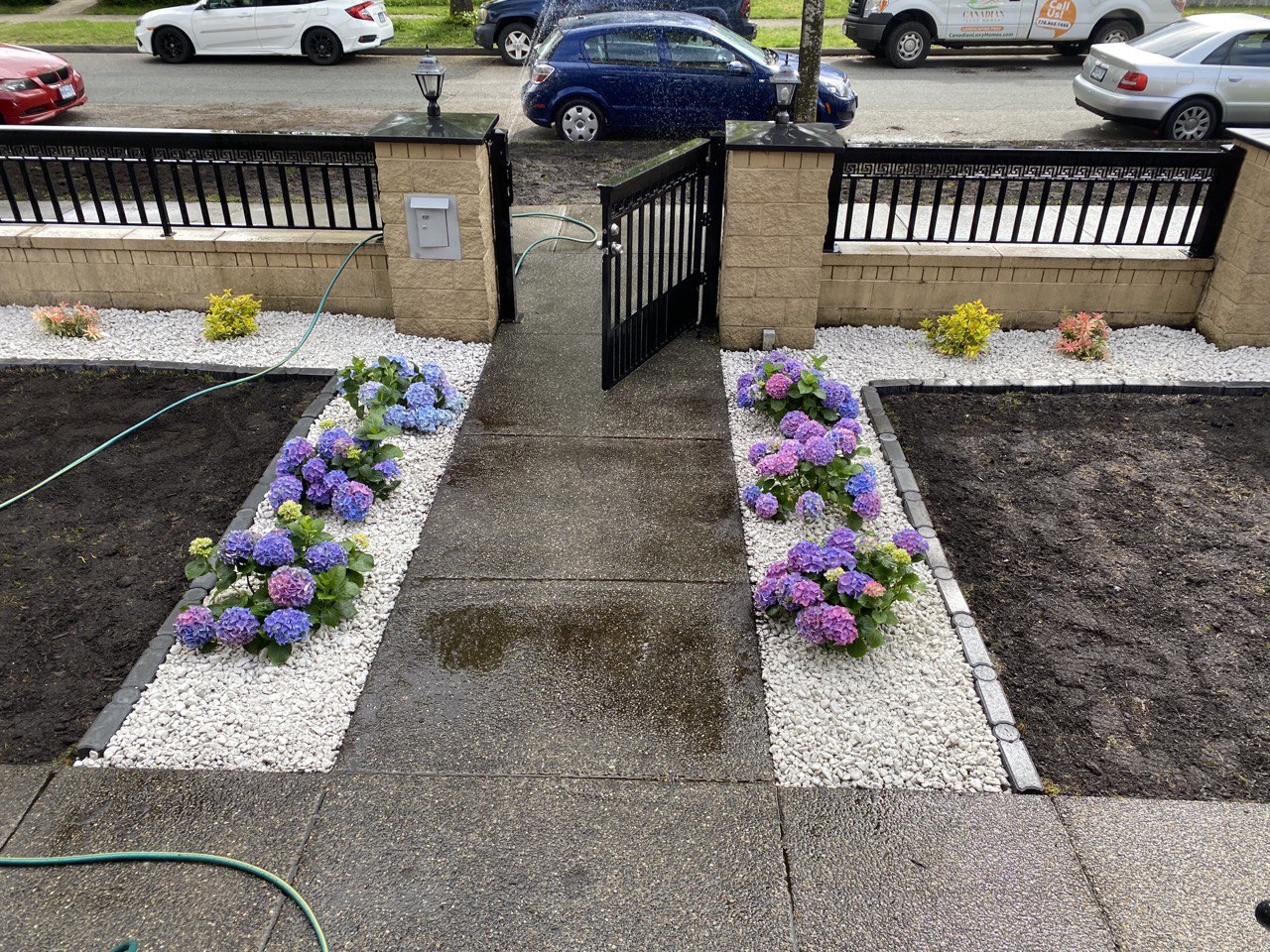
Lighting for evening use: Low-voltage LED lighting defines pathways and illuminates focal trees or sculptural elements. A modest budget for thoughtful lighting extends outdoor living into cool evenings and enhances safety.
Plant palettes that work in Greater Vancouver
A successful plant palette is local, low-maintenance, and layered. Here are reliable categories to mix:
- structural evergreens for year-round form, like pruned yew or Pacific rhododendron deciduous accents that provide spring blooms and autumn color, such as Japanese maples chosen for small scale textural understory plants that tolerate shade, for example woodland ferns and hellebores ornamental grasses and sedges that thrive in moist soils and create movement, such as Carex and Deschampsia
Avoid overplanting with exotics that demand constant care. Vancouver’s climate favors species with proven resilience. Incorporating native shrubs and groundcovers reduces irrigation needs and supports pollinators.
Materials and finishes that actually age well
In coastal climates, finish selection matters more than style alone. A few practical choices I recommend from direct experience on Vancouver projects:
- concrete in a honed or exposed aggregate finish resists wear and stains more effectively than painted surfaces. cedar or Western red cedar cladding, when oiled annually, weathers gracefully and can last decades. Leave small gaps for ventilation to avoid rot. natural stone such as basalt or granite is more durable than limestone in freeze-thaw conditions, and it builds a feeling of permanence. corten steel is attractive for planters and screens, but expect ongoing rust staining on adjacent light-colored materials. Use it where staining is acceptable or on gravel beds.
Trade-offs are unavoidable. Composite decking reduces maintenance but can look plastic at close range, especially in rain. Natural timber takes work, but it repairs easily and has tactile warmth many homeowners prefer.
Rain management that becomes design
Stormwater is not just an engineering problem, it can be a design asset. Vancouver offers incentives https://codyqinf803.huicopper.com/how-landscaping-in-vancouver-bc-increases-property-value and approvals for on-site rain retention in some neighbourhoods. Practical techniques that double as features include permeable paving with rate-controlled subdrains, gravel swales lined with decorative stone, and rain gardens planted with moisture-tolerant natives.
A pocket rain garden near an eavestrough outlet can manage roof runoff and becomes a seasonal flower bed. For smaller city lots, consider a planted trench along the property line to slow water flow. These measures reduce pressure on municipal systems and create varied microhabitats.
Outdoor rooms and how to choose one
Contemporary design often treats a yard as a collection of rooms. A compact Vancouver lot might have a front entry courtyard and a back garden with a dining terrace and a quieter seating spot. Larger properties can add a play lawn or a dedicated garden shed turned potting room.
When choosing rooms, prioritize how you will use the space. If you entertain, allocate 30 to 40 percent of your usable yard to a stable, level patio. For families with children, balance lawn and all-weather surfaces. For people who want gardening, invest that square footage in deeper beds and a composting station.
Lighting and small details that change perception
Small, well-executed details make contemporary landscapes feel intentional. Recessed steps with hidden LED strips reduce glare and read like a single surface at night. Flush gutters integrated into paving prevent puddles and look seamless when maintained. Simple steel edge restraint around beds keeps gravel and soil separated without blunt concrete curbs.
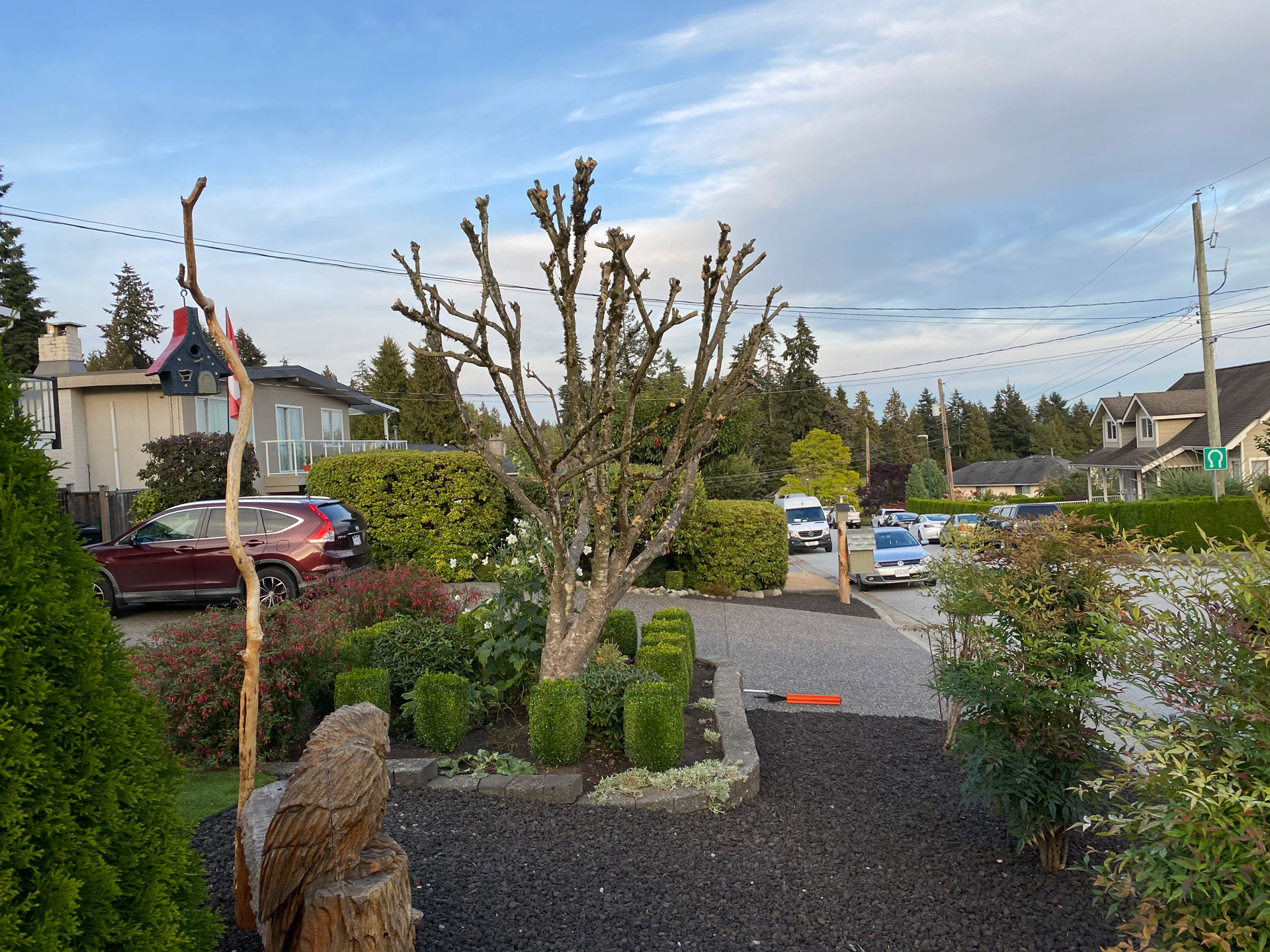
Lighting is an area where modest spending yields outsized returns. Focus on layered lighting, not bright lamps. Path-level lamps, a tree uplight, and soft ambient light near seating create depth and encourage evening use.
Case study examples with numbers
A mid-century bungalow in East Vancouver I consulted on replaced a failing lawn with a mix of permeable paving and raised beds. The project used 60 percent reused bricks from the demolished driveway, saving roughly 20 percent on material costs. Adding a drip irrigation system and a small rain barrel reduced municipal water use for the new beds by an estimated 40 percent in summer months.
On a steeper False Creek lot, we created terraced planters using gabion walls, which reduced excavation costs by about 30 percent compared with poured concrete retaining walls. The client chose native shrubs and ferns, which required minimal supplemental irrigation after establishment and cut annual maintenance hours from 200 to about 60.
These are tangible trade-offs: repurposed materials or structural approaches often save money upfront and reduce embodied carbon, but they may require more on-site coordination during construction.
Hiring and working with landscaping services in Greater Vancouver BC
Selecting a contractor is part skill match and part chemistry. Look for firms that can show local references and completed projects similar in scale and style. Ask for clear breakdowns of site preparation, drainage work, plant warranty terms, and specific materials. A common misstep is accepting a vague quote that omits necessary sub-surface work.
If you search for landscaping near me, prioritize suppliers who understand municipal permitting and tree protection bylaws. A good contractor will identify the need for a development variance or a tree removal permit early, instead of surprising you with change orders later.
Phased approaches for tighter budgets
A contemporary landscape can be installed in phases to spread cost and refine the plan as the site evolves. Typical phasing looks like this: phase one addresses drainage and primary hardscape, phase two installs structural plantings and larger features, phase three fills in seasonal plants and fine details. Prioritize elements that prevent damage and those that enable immediate use, such as a level patio or secure fencing.
A phased plan also lets you test early choices. For example, you can try a smaller, experimental lawn or a few specimen trees before committing to a full planting palette.
Maintenance realities and realistic expectations
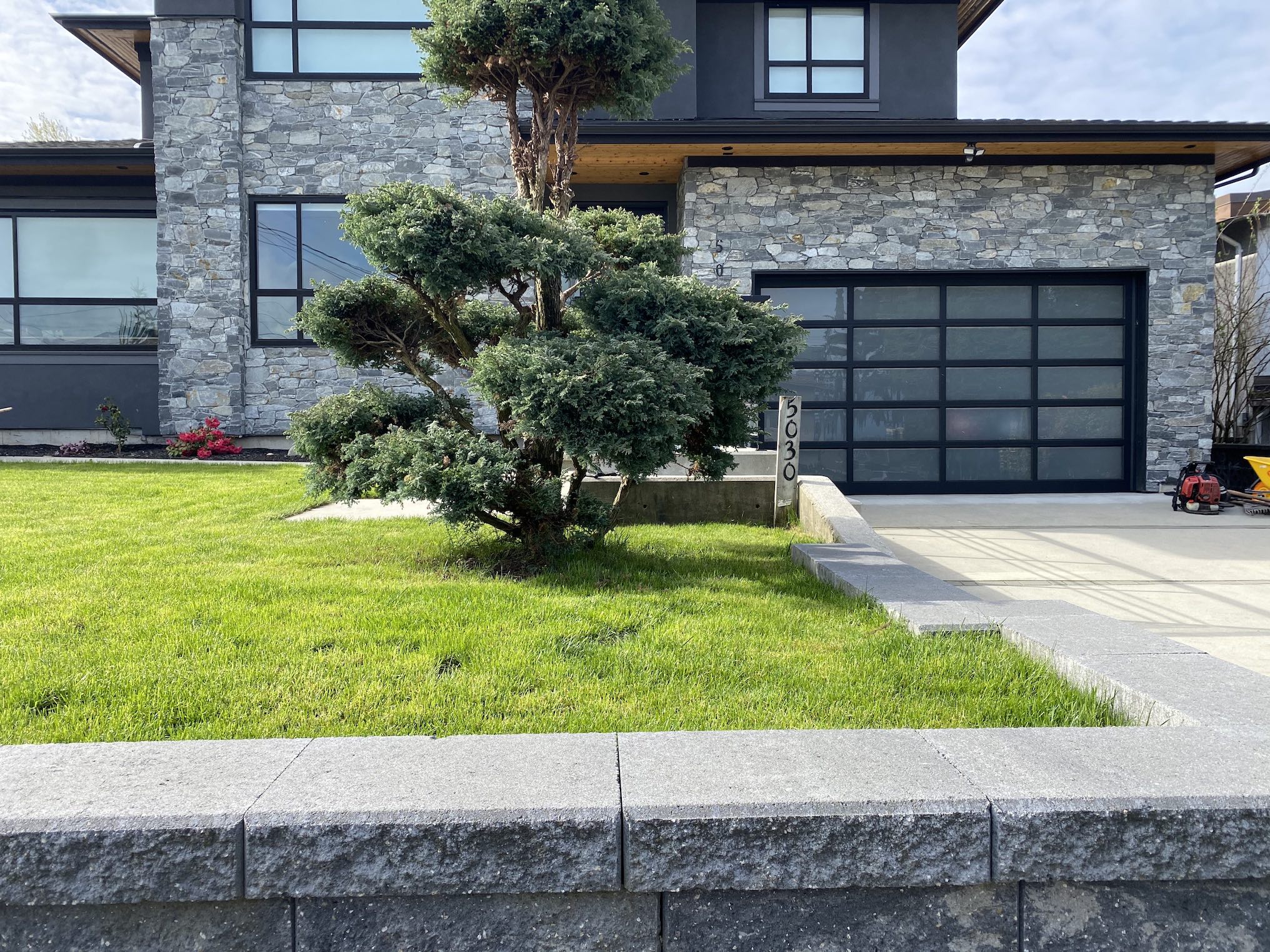
Contemporary does not mean maintenance-free. Minimalist planting can show every weed and decay more clearly than dense cottage gardens. Expect an initial establishment period of one to two years where weekly or bi-weekly care keeps plants healthy. After that, evergreen hedges will require pruning two to three times a year for a crisp look. Drip systems need occasional flushing, and organic mulch will need replenishing every 12 to 24 months.
If maintenance is a concern, specify lower-maintenance species, use larger containerized stock to speed maturity, and ask your landscaper to provide a simple seasonal care plan. Many firms, including local landscaping services, offer maintenance packages that avoid surprises.
Common mistakes and how to avoid them
One frequent error is undersizing circulation spaces. A contemporary path that looks elegant on paper can feel cramped if people cannot pass each other comfortably. Design paths at least 1.2 metres wide for primary circulation. Another mistake is ignoring microclimates. A sheltered courtyard may allow Mediterranean species, while an exposed frontage facing the Salish Sea may need salt-tolerant plants.
Over-reliance on annuals for color is another trap. Annuals can look great in summer but create winter voids. If color is important year-round, plan for bulbs in spring, summer perennials, and shrubs with berries or interesting bark for winter.
Where Luxy Landscaping and other local specialists fit in
Local firms like Luxy Landscaping understand Vancouver’s particular constraints, such as tree protection zones, steep lot challenges, and municipal permit processes. When you choose a contractor with regional experience, you get the benefit of local supplier relationships and tested plant palettes. Ask potential contractors for recent local projects and client references, and verify that they carry liability insurance and WCB coverage for workers.
Making it personal while staying contemporary
A contemporary yard should reflect how you live while still reading as cohesive design. Include one personal element that tells your story, whether a sculptural bench, a collection of potted plants from travels, or a custom gate. Keep these accents intentional and limited so the overall composition remains clean.
Final design checklist to take to your first landscaper meeting
- documented sun and shade observations from your site at three times of day a clear priority list for use: entertaining, kids play, gardening, low maintenance a realistic budget range, including a 10 to 20 percent contingency for unforeseen drainage or soil work photos of three completed yards you like, with notes on what specifically appeals to you questions about local permits, plant warranties, and maintenance options
A purposeful checklist like this saves time and keeps the conversation grounded in your needs. It also reveals how well a contractor listens and whether they propose pragmatic alternatives.
A note on sustainability and materials sourcing
Contemporary landscapes can be materially lighter and more sustainable than they look. Salvaged stone, locally milled cedar, and re-used pavers reduce embodied carbon. For soil amendments, ask for compost that is locally produced and tested. Where possible, source plants from reputable local nurseries that use pest management responsibly and are familiar with the region’s conditions.
Final thoughts on living with your landscape
A yard should grow into its design. Expect adjustments during the first two seasons and budget for tweaks. A living landscape is not static; prune, observe, and adapt. When landscaped thoughtfully, Vancouver gardens reward their owners with extended outdoor seasons, reduced maintenance compared with ill-suited plantings, and a sense of place that respects both the urban context and the temperate rainforest setting.
If you are planning landscaping in Vancouver BC, start with site observation, prioritize durable materials, choose plants suited to local microclimates, and work with a contractor who understands local rules and conditions. Those steps will move a contemporary concept from a Pinterest board to a lasting, usable place you enjoy year-round.
Luxy Landscaping
1285 W Broadway #600, Vancouver, BC V6H 3X8, Canada
+1-778-953-1444
canadianluxyhomes@gmail.com
Website: https://luxylandscaping.ca/