
Transplanting a tree is an investment that pays off only if what follows is intentional, steady care. In New Albany IN, where compact yards, clay soils, and seasonal storms test newly set roots, a successful transplant depends less on the dig and haul and more on the months and years afterward. This article walks through the practical, on-the-ground steps that keep a transplanted tree alive, healthy, and structurally sound. I write from years of work alongside arborists and homeowners, seeing what works on good days and what fails when shortcuts are taken.
Why long-term care matters A healthy canopy and a stable trunk do not emerge immediately after replanting. Transplant shock is real: root loss, altered water uptake, and new microclimates around the root zone force the tree into survival mode. If you stop at staking and a single watering, that tree will likely linger in poor health for years, or decline suddenly during a dry July or a heavy winter. Good follow-through can shorten recovery time from three to eight years down to two or three, and it preserves the value of your landscape planning, whether the goal was shade, privacy, or curb appeal.
Site context in New Albany Soils around New Albany range from heavy clay to well-drained loam pockets. Seasonal rainfall patterns concentrate spring and early summer moisture, while July and August can be bone dry. The Ohio River valley increases humidity and raises the risk of fungal disease in shaded plantings. In practical terms, that means you must manage both moisture extremes and disease risk. Tailor care to micro-site conditions: a tree planted near a foundation, parking strip, or on a slope will need different attention than one in a broad lawn.
First year priorities: establish roots, reduce stress The first twelve months after transplant are critical. Your objective is simple: encourage new root growth, minimize water stress, and prevent mechanical damage.
- Water management. For the first season, water deeply and infrequently, using a slow soak rather than quick sprinklings. A practical pattern is two deep soakings per week during dry periods for trees under 2 inch caliper, and three times per week for larger specimens in their first summer. Each deep irrigation should wet the original root ball plus the surrounding soil out to at least 1.5 times the root ball radius. If rainfall totals exceed about one inch per week, cut back on supplemental water. Overwatering is as harmful as underwatering; persistent saturation kills fine roots and invites root rot. Mulch correctly. Apply organic mulch 2 to 4 inches thick in a broad donut from the base of the trunk out to the dripline when possible. Keep mulch away from direct contact with the bark by leaving a palm-width bare spot at the trunk. Mulch moderates temperature swings, reduces evaporation, and protects roots from lawn mowers and string trimmers. Avoid piling mulch against the trunk, which creates rot and insect habitat. Staking and guying. Stake only when necessary to prevent windthrow. If you stake, use flexible ties and remove all hardware within one year, sooner if the tree is solidly anchored. Prolonged staking slows the development of trunk taper and root anchorage; I have seen tall maples fail years later because they were staked too long, remaining floppy at the base. Pruning for health, not shape. Remove dead, crossing, or damaged branches at the time of planting and during the first year. Do not perform heavy crown reductions to compensate for root loss. That imbalances leaf area and root capacity. Prune conservatively to maintain a healthy leaf-to-root ratio while cutting out problem wood.
Seasonal care: what to expect in year two and beyond After the immediate first-year protocols, the focus shifts from emergency care to guided recovery. Year two is the time to watch growth patterns and adjust practices.
Check root flare and soil grade. Newly transplanted trees are often planted too deep. Pull back mulch and inspect the base for a visible root flare. If the root flare remains buried, consider careful regrading or shallow excavation to reveal it. Long-term burying of the flare leads to crown rot and structural weakness.
Fertilization with restraint. Do not apply high-nitrogen fertilizers in the first year. A light, slow-release, balanced fertilizer in the second spring can be helpful for trees showing pale foliage or weak shoot growth. For most well-irrigated and mulched sites, fertilizer is unnecessary. If you do fertilize, base any application on a soil test or visual deficiency signs rather than a calendar.
Root zone protection. Avoid compaction from heavy equipment, vehicles, or repeated foot traffic over the root zone. Compaction reduces oxygen to roots and limits water infiltration. If you must do work in the area, consider temporary plywood walkways and keep travel paths at least to the outer edge of the root ball.
Watch for pests and disease. Transplanted trees have less vigor and a lower capacity to withstand attacks. Scale, borers, and foliar fungal diseases are the common culprits locally. Inspect the trunk, branches, and foliage monthly during the growing season. Early detection matters; spot treatment, pruning, and improved cultural care will stop most problems before systemic insecticide or fungicide treatment is necessary.
Practical timeline with benchmarks Most clients ask how long it will take before the tree looks "back to normal." Expect the following benchmarks, understanding that species, size at transplant, and site conditions introduce variability.
- six months: the tree may show reduced growth, some leaf drop, and limited new shoots. Root reestablishment is underway but not extensive. one year: new fine roots should be present at the margins of the original root ball; active top growth resumes for many species. two to three years: canopy fullness approaches pre-transplant condition for small to medium trees transplanted with adequate root mass. three to five years: larger trees and species with slower root development reach functional normalcy, though structural maturation continues for longer.
Species matters: common transplant responses Not all trees respond the same. A sugar maple will sulk under heat and compacted clay, while a river birch tolerates wet ground but struggles with drought. Oaks establish slowly; expect a longer timeline but greater longevity once settled. Dogwoods and magnolias require careful moisture management and light placement to avoid sunscald and root stress. When hiring a professional tree service in New Albany Indiana, consider species-specific plans that reflect this variation.
When to call in professionals Some repair tasks are best left to experienced crews. If the tree shows progressive decline after the second year, with dieback increasing, large root plate movement after storms, or signs of root rot such as mushrooms at the base, call a certified arborist. Local tree care services, including Cummins Tree Service, offer diagnosis using root crown excavation, soil probes, and crown assessments. Professionals can apply targeted treatments, install proper structural cabling if needed, and assess whether preservation or removal is the wiser long-term decision. For any heavy pruning, stump issues, or risk-related work, engaging a licensed tree service in New Albany Indiana protects your https://shaneknsp584.wpsuo.com/hiring-tree-care-services-in-new-albany-indiana-checklist property and people.
Stump management and its role in long-term care When a tree is removed or a failed transplant must be replaced, stump care becomes part of the landscape plan. Leaving a stump near a young transplant invites competition, fungal reservoirs, and pest habitat. Tree stump removal followed by stump grinding clears the root decay and makes soil remediation easier. If you plan to replant near the old hole, remove as much woody material as practical, then allow a period for soil settling or bring in fresh topsoil and amendments to create a receptive root environment. A local provider that offers both tree stump removal and transplanting services simplifies coordination and timing.
Landscape integration: the bigger picture A transplanted tree does not exist in isolation. Irrigation lines, lawn fertilizer regimes, neighboring shrubs, and even culverts influence root zone moisture and soil chemistry. Coordinate long-term care with your broader landscape plan. If you use automated irrigation, set a separate zone or program for the new tree to avoid overwatering. When applying lawn fertilizer, keep granules away from the root flare and follow label instructions to avoid herbicide drift that can harm broadleaf trees.
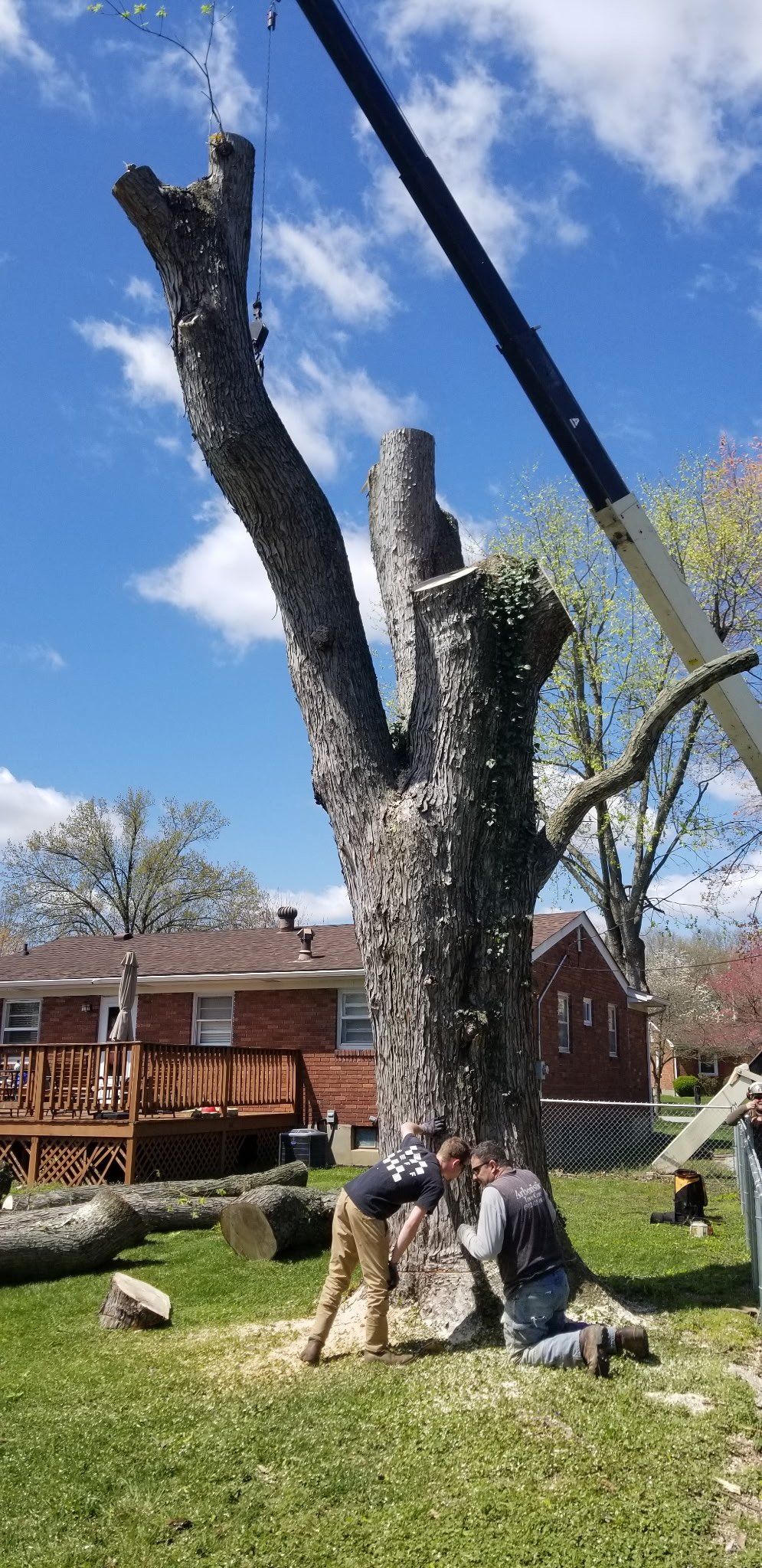
Cost versus value trade-offs Long-term care represents an ongoing cost, but it is modest relative to replacement. A typical schedule of seasonal inspections, two summers of attentive irrigation, and occasional pruning can amount to a few hundred dollars over several years, versus thousands for a mature specimen replacement. For homeowners seeking immediate impact, adding stakes, a flashy mulch ring, and a single fertilizer application might look good initially but costs you later in lost growth and increased risk. Investing in proper care up front preserves shade value, lowers storm risk, and maintains neighborhood aesthetics.
A short checklist for post-transplant seasons
- Year one: deep watering, clean mulch application, minimal pruning, remove temporary stakes within 12 months. Year two: soil grade check, light balanced fertilization only if needed, inspect for pests and root flare exposure. Years three to five: structural thinning as required, continue root zone protection, schedule professional evaluation if decline appears.
Selecting a local provider When you need hands-on help, search for a tree cutting near me or tree trimming services with local references. Ask any candidate about their transplant follow-up protocol, insurance, and references from New Albany projects. A good tree service in New Albany Indiana will provide a written plan that lists irrigation, pruning schedules, and signs of decline to watch for. Companies that perform tree transplanting and follow-up care, such as Cummins Tree Service, can offer continuity of care from the dig through long-term monitoring.
A final practical story I recall a transplant job on a narrow lot in New Albany where the homeowner chose a large caliper maple to replace a foundation tree. The crew did an excellent job on moving and setting the tree, but the homeowner treated it like lawn turf. No mulch, limited watering because of a broken hose, and two summers of drought did the rest. By year two the canopy was half-dead. We refluffed the root zone, applied structural pruning to remove the dead wood, installed a tree gator for controlled irrigation, and mulched properly. The tree rebounded, but only after three years of close attention. That project illustrated the difference between a professional transplant and successful establishment. The move matters, but care makes the move permanent.
If you want your investment to last, plan beyond the transport truck. A transplanted tree becomes a long-term resident. With consistent watering, proper mulch, timely pruning, root protection, and attentive monitoring for pests and disease, a relocated tree in New Albany can thrive for generations. For hands-on tasks or if you have larger specimens, seek reputable tree care services and discuss a multi-year care plan before the spade ever touches the ground.
Cummins Tree Service
10245 Lotticks Corner Rd SE, Elizabeth, IN 47117
(502) 492-4208
cumminstree@gmail.com
Website: https://cumminstreeservice.com/