
In the competitive pet food industry, packaging isn't just about containing your product—it's about preserving freshness, ensuring convenience, and making a lasting impression on pet owners. If you're manufacturing or selling dog treats in bulk, our Slider Zipper Pouch Bags in 5kg, 10kg, and 15kg sizes are exactly what you need to elevate your brand and keep your products fresh.
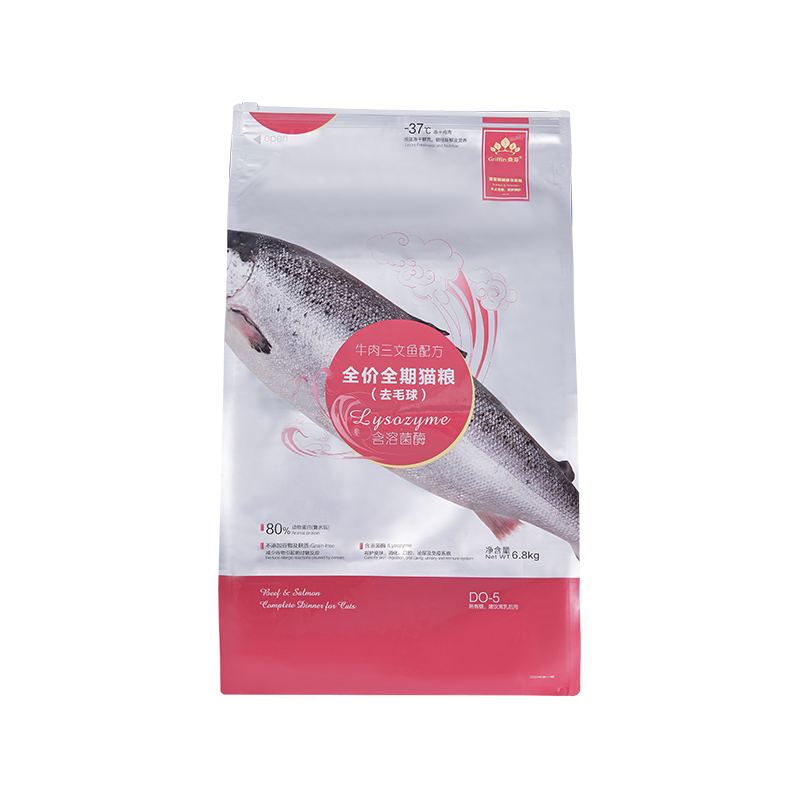
Why Choose Slider Zipper Pouch Bags?
Superior Freshness Preservation
Dog treats need to stay fresh from the first opening to the last bite. Our slider zipper closure system creates an airtight seal that:
- Locks in flavor and aroma
- Prevents moisture and air exposure
- Maintains nutritional value
- Extends shelf life significantly
Unlike traditional packaging, the resealable slider ensures that bulk-sized packages stay fresh even after multiple uses.
Convenience That Pet Owners Love
Modern pet owners value convenience above almost everything else. The easy-glide zipper mechanism allows for:
- Quick and effortless opening
- Secure reclosing in seconds
- One-handed operation
- No need for additional clips or ties
This user-friendly feature encourages repeat purchases and builds brand loyalty.
Available Sizes to Meet Every Need
5kg Pouch - Perfect for Small to Medium Businesses
Ideal for specialty treat makers, boutique pet stores, or subscription box services. The 5kg size is manageable for shipping and attractive to customers who want to try premium treats without committing to larger quantities.
10kg Pouch - The Popular Choice
Our bestseller! The 10kg slider pouch strikes the perfect balance between value and practicality. It's favored by:
- Multi-dog households
- Dog training facilities
- Pet daycare centers
- Serious treat stockers
15kg Pouch - Maximum Value
For wholesale distributors, large-scale operations, or cost-conscious retailers, the 15kg pouch offers:
- Best price per kilogram
- Reduced packaging waste
- Fewer repurchases needed
- Professional bulk storage solution
Premium Features That Set Us Apart
Durable Construction
Made from high-quality, food-grade materials that are:
- Puncture-resistant
- Tear-resistant
- Moisture-barrier protected
- UV-resistant (optional)
Customizable Design
Your packaging is your brand's billboard. Our slider zipper pouches offer:
- High-quality printing capabilities
- Custom size options
- Matte or glossy finish choices
- Window options to showcase products
- Full-color branding opportunities
Eco-Friendly Options
Meet the growing demand for sustainable packaging with our:
- Recyclable material options
- Reduced plastic alternatives
- Biodegradable additives
- Minimal waste design
Industries That Benefit
Our slider zipper pouch bags are perfect for:
- Dog treat manufacturers
- Pet food distributors
- Organic/natural pet product brands
- Training treat suppliers
- Veterinary clinics
- Pet boutiques
- Online pet retailers
- Subscription box companies
Cost-Effective Advantages
Reduced Product Waste
The resealable feature means treats stay fresh longer, reducing returns and customer complaints about stale products.
Lower Shipping Costs
Flexible pouches weigh less and take up less space than rigid containers, reducing your shipping and storage costs.
Shelf Impact
Stand-up pouches with slider zippers command attention on retail shelves and communicate premium quality to consumers.
Versatility
One packaging solution works for multiple product lines, from crunchy biscuits to soft chews to freeze-dried treats.
Quality Assurance
Every slider zipper pouch undergoes rigorous testing to ensure:
- Zipper functionality and durability
- Seal integrity
- Print quality
- Material strength
- Food safety compliance
How to Get Started
Transitioning to slider zipper pouch packaging is simple:
- Choose your size (5kg, 10kg, or 15kg)
- Select your material specifications
- Design your branding (our team can help!)
- Place your order
- Start shipping fresher, happier treats
The Bottom Line
In today's competitive pet product market, packaging matters. Our 5kg, 10kg, and 15kg Slider Zipper Pouch Bags offer the perfect combination of functionality, freshness preservation, and brand appeal. Whether you're a small artisanal treat maker or a large-scale distributor, these pouches provide the professional packaging solution your products deserve.
Ready to upgrade your dog treat packaging? Contact us today to request samples and discover how our slider zipper pouches can transform your product presentation and customer satisfaction.