
In an era of greenwashing fatigue, consumers have grown adept at spotting hollow sustainability claims. They no longer accept vague promises—they demand proof. This shift has quietly elevated kraft paper pouches from a simple packaging choice to a tangible signal of brand integrity. The unbleached, textured surface of kraft paper carries an inherent authenticity that polished plastics cannot replicate. It tells a story before a single word is read.
The Psychology of Texture and Transparency
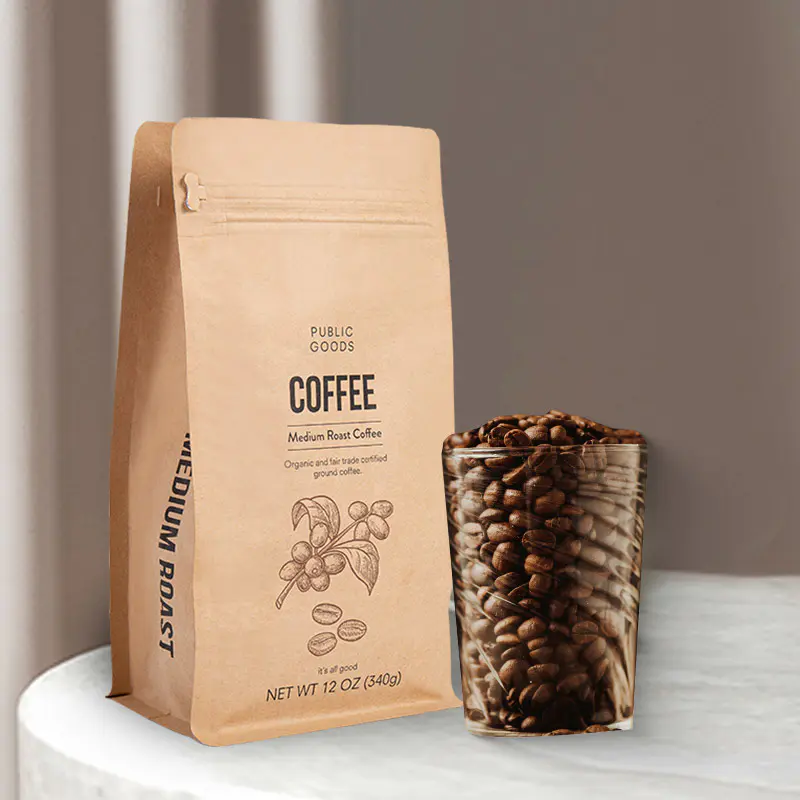
There's a reason craft coffee roasters, small-batch spice makers, and organic snack brands gravitate toward kraft paper. The material's raw, fibrous texture triggers subconscious associations with craftsmanship, simplicity, and honesty. Unlike glossy laminates that feel engineered to conceal, kraft paper feels inherently transparent—literally and metaphorically.
This tactile quality matters in physical retail environments where shoppers make split-second judgments. A product in a kraft pouch invites touch. The slight roughness under fingertips creates a sensory connection that smooth plastic cannot match. For direct-to-consumer brands shipping nationwide, that same texture reassures customers upon unboxing: this brand values substance over slickness.
Closing the Trust Gap in E-Commerce
Online shoppers face a fundamental challenge: they cannot inspect products before purchase. Packaging becomes the first physical interaction with your brand—a moment of truth. Kraft paper pouches bridge this gap by delivering on expectations set by digital marketing.
When a website emphasizes "natural ingredients" or "small-batch production," a plastic bag creates cognitive dissonance. The packaging contradicts the promise. Kraft paper aligns. It visually reinforces messaging without requiring additional explanation. This consistency builds trust incrementally—through texture, color, and material choice that harmonize with brand values.
For subscription box services and meal-kit companies, this alignment proves especially valuable. Customers receiving monthly deliveries develop ritualistic familiarity with packaging. Kraft pouches become recognizable touchpoints that strengthen brand recall while signaling ongoing commitment to environmental values.
Practical Integrity: What Kraft Paper Doesn't Hide
Kraft paper pouches succeed because they make honest trade-offs visible. They don't pretend to be something they're not. Brands using them typically acknowledge limitations upfront: "Store in a cool, dry place" or "Best consumed within 30 days of opening." This transparency paradoxically strengthens credibility.
Compare this to plastic packaging that implies indefinite shelf life through impermeable barriers. When products inevitably degrade, consumers feel misled. Kraft pouches set realistic expectations. Their natural material suggests freshness and timely consumption—values that resonate with health-conscious buyers who prioritize quality over extended preservation.
Implementation Without Compromise
Adopting kraft paper pouches requires thoughtful execution:
- Barrier selection matters: Not all kraft pouches perform equally. For moisture-sensitive products like coffee or dried fruit, specify pouches with plant-based PLA liners rather than conventional plastic films to maintain compostability claims.
- Print intentionally: Minimalist design works best. Heavy ink coverage can compromise recyclability and obscure the natural texture that gives kraft paper its appeal. Let the material breathe—use restrained typography and strategic color accents.
- Size with purpose: Avoid oversized pouches that waste material and create shipping inefficiencies. Right-sized packaging demonstrates respect for resources—a detail environmentally aware consumers notice.
The Quiet Competitive Edge
Major CPG brands still rely heavily on plastic for cost and convenience. This creates space for agile brands to differentiate through packaging integrity. Kraft paper pouches won't suit every product category—high-moisture or oily foods require specialized barriers—but for compatible products, they deliver disproportionate brand value.
The investment extends beyond material costs. It signals to customers that you've considered the full lifecycle of your packaging: production, transportation, consumer use, and end-of-life disposal. In markets saturated with "natural" claims, this tangible demonstration of values cuts through noise.
Authenticity as Strategy
Kraft paper pouches succeed not because they're trendy, but because they're truthful. They cannot convincingly package ultra-processed foods or synthetic products without creating dissonance. This limitation is actually their strength—they naturally filter for brands with genuine alignment between product and packaging.
In 2026's crowded marketplace, consumers reward brands that make fewer, more credible promises. Kraft paper pouches offer a rare opportunity: packaging that builds trust before the product is even experienced. They transform a functional necessity into a silent ambassador for your values—proving that sometimes, the most powerful brand statement is made not through what you say, but through the material you choose to hold your product.