
A decade ago, a net-zero home was a novelty project that drew neighbors to the street to gawk at the roof. Today, it is normal for a client to ask how to get to zero, or even how to leave the grid entirely. As costs for solar, batteries, and high performance envelopes have dropped, the conversation has shifted from, “Is this possible?” to “Which trade-offs make sense for our site, climate, and budget?” I have built cabins that sip 8 kWh a day through icy January nights, and 6,000 square foot custom homes that export more power than they use from April to October. The common thread is careful planning, ruthless load reduction, and a clear-eyed view of how people actually live.
What net-zero and off-grid really mean
Net-zero describes an energy balance over the course of a year. A net-zero electric home might consume 10,000 kWh and produce the same amount from on-site solar. It can remain tied to the grid, importing power at night and exporting surplus during the day. Off-grid is different. Off-grid means no utility connection for electricity and often, for water or sewer. Autonomy sounds romantic, but it moves the technical center of gravity from just efficiency to storage and resilience. A cold snap or a string of cloudy days becomes an engineering challenge, not a billing event.
Clients sometimes ask for both net-zero and off-grid. That is achievable, but not by solar panels alone. The electricity story is only one piece. Thermal envelopes, passive solar gains, domestic hot water, and water systems decide whether a property can float through a tough week or whether someone has to drive out with a jerry can for the generator.
Here is a simple way to keep the terms straight without letting the marketing blur the lines.
- Net-zero: Annual energy balance on paper and on the meter, grid-tied, often with net metering or time-of-use rates. The grid acts as your seasonal battery. Net-zero ready: Envelope, windows, and mechanicals efficient enough that a modest future solar array can offset annual use. Useful when budgets or roof orientation are not yet aligned. Off-grid: No utility service. Power, water, and sometimes communications are on-site systems. Storage and backup are mandatory, not optional. Hybrid or grid-optional: A grid connection exists, but the home can island during outages. Storage and a critical loads panel keep essentials running. Site energy vs source energy: A net-zero claim based on site energy can be valid even when upstream generation is fossil. Some programs look at source energy, which changes the math.
Envelope first, always
I have never seen a battery fix a leaky envelope. The most durable kilowatt-hour is the one you never need to produce. That starts with insulation, air sealing, and windows sized and placed with purpose. Numbers matter. In cold climates, we target wall assemblies of R-30 to R-40 and roof assemblies of R-60 to R-80. In mixed or hot climates, continuous exterior insulation to address thermal bridging does more work per dollar than oversized equipment. For airtightness, I ask for 1.0 ACH50 or better as a baseline, and we push to 0.6 ACH50 on projects where we can control every penetration and plan the sequencing. That level of control means meticulous work around top plates, rim joists, and rough-ins for recessed fixtures. On a timber frame in Vermont, we moved from 2.7 to 0.7 ACH50 by redesigning the air barrier with a smart vapor retarder, taping the sheathing seams, and preplanning every chase. The client noticed it in a different way: almost no drafts and no cold spots behind furniture.
Windows anchor both comfort and load. High solar heat gain glass on the south elevation in snowy climates gives you a free heating boost from November to March, but you must pair it with properly sized overhangs so June sun does not cook the space. In cooling-dominated regions, low SHGC glass pays off and exterior shading often does more than interior blinds. Operable windows with casement hardware seal better than double-hung units. Details like that add up.
Airtight homes require balanced ventilation. Energy recovery ventilators and heat recovery ventilators keep indoor air fresh without throwing away your heating or cooling. I favor dedicated ductwork for ventilation rather than piggybacking on forced-air runs, which avoids pressure imbalances and delivers quieter operation. Swapping a clogged ERV core in year three beats explaining to an owner why their kitchen is pressurized and the fireplace backdrafts.
Mechanical systems that match the envelope
Heat pumps dominate my net-zero and off-grid specifications. They provide efficient heating and cooling from a single piece of equipment, and their performance has improved dramatically. Cold climate air-source heat pumps maintain useful capacity down to 5 F and still deliver heat below zero. A seasonal COP of 2.5 to 3.5 is not a sales claim anymore, it is field data when the envelope is tight and the distribution is simple. Ducted mini-splits in a short, central trunk serve single-story layouts well. For multi-story custom homes, I often combine a small ducted air handler for bedrooms with one or two wall cassettes in high load zones like a two-story great room.
Hydronics can shine in larger homes, but radiant floors are slower to respond and can complicate summer humidity control. If a client is attached to warm floors, we decouple the radiant from space conditioning: low temperature radiant in bathrooms for comfort, and a variable speed heat pump with dehumidification for the bulk of the load. Domestic hot water is a quiet energy hog. Heat pump water heaters with CO2 refrigerants are efficient and fast-recovery, and they work nicely with solar generation curves. In tight mechanical rooms, pay attention to make-up air and condensate management. A wet slab and a tripped float switch are not the kinds of text messages you want from a weekend guest.
Backups still matter. For off-grid or grid-optional builds, a right-sized generator with an auto transfer switch and an exercise schedule takes the edge off bad weather. Diesel and propane both work. Diesel handles cold better and is easier to store safely in larger volumes. Propane is simpler where deliveries are frequent and codes restrict diesel tanks. I prefer to treat the generator as a battery charger that tops off the bank during shoulder seasons rather than a whole-house lifeline.
Solar and storage, sized for how people live
Sizing solar is less about square footage and more about behavior. A family that works from home and cooks daily uses energy differently than a couple that travels three weeks a month. Collect a full year of utility bills when possible, then add or subtract for intended changes: induction range, EV charging, heat pump conversion. As a rough planning figure in the continental U.S., 1 kW of well-oriented PV yields 1,200 to 1,600 kWh per year. A 10 kW array may offset 12,000 to 16,000 kWh. Roof pitch, azimuth, shade from trees, and snow loading alter that math. On a mountain home with a 10:12 pitch, snow sloughs help keep panels clear. In coastal fog zones, tilt and panel spacing to reduce soiling can matter more.
Batteries translate sunshine into resilience. For grid-optional systems, most of my clients settle around 20 to 40 kWh of storage. That covers a day of normal use or several days of frugal use when the sun cooperates. For truly off-grid builds, I run scenarios: two, three, and five days of autonomy under winter conditions. That can push storage to 60 to 100 kWh for larger homes, which impacts the budget and the mechanical space. The layout matters. Batteries want a cool, dry room with fire-rated separation, clearances per the manufacturer, and penetrations sealed to maintain the air barrier. Do not tuck them in a corner of a garage where exhaust and temperature swings shorten their life.
A critical loads panel avoids oversizing. Put refrigeration, well pump, modem and router, some lights and receptacles, ventilation, and perhaps one mini-split on the backup panel. Leave the sauna and the workshop on the non-backed-up side. If the owners add a second EV later, prewire and make the decision explicit: does the EV charge during outages, and if so, at what rate?
Vehicle-to-home is not speculative anymore. Late-model electric trucks and SUVs can supply 7 to 11 kW to a properly designed transfer system. I am beginning to treat the car as a mobile battery that supplements the stationary pack during rare events. It is not a primary strategy, but it can prevent a fridge full of food from spoiling during a three-day ice storm.
Water, wastewater, and the other half of off-grid
Many off-grid dreams fail not for lack of kilowatts but for lack of gallons. A deep, reliable well solves part of the problem, yet I still design rainwater harvesting in drought-prone areas as a buffer. A 2,500 square foot roof in a region with 20 inches of annual rainfall can collect roughly 25,000 to 30,000 gallons with first-flush diversion and seasonal losses accounted for. That can cover irrigation and, with filtration, supplement domestic use. Storage tanks need real estate and engineering. Above-ground polyethylene is serviceable and budget-friendly. Buried concrete tanks protect from UV and wildfires, but they complicate maintenance and require watertight penetrations.
Filtration is a stack, not a single magic cartridge. Sediment removal first, then activated carbon, then UV disinfection for biological safety. If iron or manganese is present, add a dedicated media filter. Oversize service loops and mount gauges so a homeowner can see pressure differentials and know when to swap filters. A well pump controlled by a variable frequency drive smooths starts, stretches tank drawdown, and reduces generator surges.
Wastewater is a local code puzzle. Conventional septic with a properly sized leach field is still standard in rural soils that percolate. Tight lots, high groundwater, or rocky terrain push us toward engineered systems. Drip dispersal beds and aerobic treatment units work, but they bring blowers and controls that draw power. Composting toilets can lighten the load if owners accept a different maintenance routine. Every design should address service in year ten. Where does a pump truck park? How do you reach the UV unit without crawling behind stored boxes?
Fire, wind, and the insurance lens
Wildfire risk and insurers’ appetites are reshaping exterior selections. Class A roofs, metal or high-quality asphalt, ember-resistant vents, and noncombustible siding buy you better odds and sometimes better premiums. In the Sierra foothills, we switched open decks to steel framing with fiber-cement decking, and specified a 5 foot noncombustible zone around the home using gravel and flagstone. Those measures also protect PV conduits and battery rooms. In hurricane and tornado country, hold-downs, impact glazing, and protected PV arrays reduce downtime. I have watched laminated glass take a beating while maintaining the envelope and keeping the lights on from the battery. A net-zero claim feels hollow if a storm blows the system apart.
Controls, commissioning, and the habits that follow
Smart homes are only smart if someone sets up the rules. I treat controls as another trade, not an afterthought. Stagger high draw loads. Heat pump water heater recovery runs mid-day when the array is hottest. EV charging defaults to off-peak or solar surplus. Ventilation ramps with occupancy. Without these rules, you chase peaks with bigger batteries and inverters. Commissioning matters. A blower door test at rough-in uncovers air barrier problems when they are still cheap to fix. Duct leakage tests keep static pressures and noise in check. Data log a month of operation in the first cooling and heating seasons to verify that modeled loads match reality. I have found leaky damper actuators and miswired cassettes that would have been invisible without the graphs.
Homeowner education is the cheapest performance upgrade. A two-hour walk-through with a labeled mechanical room, filter sizes written on housings, and a seasonal checklist prevents a cascade of small failures. As a Custom home builder, I include a one-year check and tune. It pairs beautifully with Property maintenance contracts and keeps the systems in tune as the occupants settle into real life.
Budgets, financing, and the value conversation
A net-zero ready custom home usually carries a premium of 5 to 15 percent over code minimum construction, depending on market, labor, and material pricing. Full off-grid, with storage sized for multi-day autonomy and water systems, can add 25 to 60 percent, especially on remote sites that require road improvements or special equipment. Those numbers sound stark until you account for incentives, avoided utility extensions, and operating savings.
Incentives change, but federal tax credits for solar and batteries have been steady in the 26 to 30 percent range in recent years, and many states or utilities add rebates for heat pumps and envelope improvements. A Real estate developer running pro formas on spec Custom Homes sometimes values the marketing lift of “net-zero ready” more than the immediate ROI. Appraisers are slowly catching up. Provide a packet that includes HERS ratings, blower door results, equipment specifications, and a projected energy balance. It helps the financing conversation.
Investment Advisory for clients with larger portfolios often frames these homes as a resilience hedge. An owner with a Multi-Family building that depends on utility uptime may choose to build a personal residence that can ride through outages. Others see off-grid cabins as diversifiers, places to go when a grid event or a wildfire closes normal routines. The key is to align capital costs with lifestyle value, not just simple payback. Not everything pencils in ten years, and that is fine if the client understands what they are buying.
Codes, permits, and heritage constraints
Permitting for on-site generation and storage is smoother than it was, but there are snags. Solar interconnection timelines have stretched in some jurisdictions. Plan lead time into your schedule, and file complete drawings stamped by a licensed engineer where required. Battery systems trigger fire and electrical code provisions that dictate room construction, clearances, and ventilation. The National Electrical Code Article 690 for photovoltaics and Articles 706 and 480 for storage systems are non-negotiable. Coordinate early to avoid field changes.
Heritage Restorations add a layer of nuance. A landmarked facade may prohibit visible panels. We have tucked PV on rear slopes, integrated them into standing seam roofs, and used solar slates on historic streets where planners insisted on invisibility. Interior insulation must respect vapor drives in old masonry. Renovations in these contexts lean toward net-zero ready, with discrete arrays and high performance interior storms. Expect more meetings and more sample mockups.
Renovations and deep energy retrofits
Not every client starts with a clean slate. Renovations can produce near net-zero performance if you commit to a deep energy retrofit. On a 1980s lake house, we stripped the cladding, added 4 inches of exterior mineral wool, re-flashed openings, and installed triple-pane windows. Airtightness dropped from 6.5 to 1.2 ACH50. We swapped a fuel oil boiler for a pair of cold climate heat pumps and moved the ducts within the conditioned space. The solar array, 12 kW on a restructured south roof, brought the net balance under zero for eight months of the year. The remaining four months were narrow deficits. A small battery bank and a generator covered outages. That project cost less than a full teardown and rebuild, and it kept the sentimental bones the family loved.
Retrofits do require patience. Existing chases are where they are. Hidden rot appears just when you are ahead of schedule. Budget 10 to 20 percent for the unknowns, and stage the work so the home stays habitable. For older structures, consult specialists to preserve details while upgrading performance. Clients who prize heritage trim and plaster do not want to see foam and tape. A skilled crew can deliver both beauty and performance.
Multi-family and community-scale trends
Net-zero is not just a single-family story. Multi-Family buildings with centralized heat pump systems and shared solar can hit impressive performance metrics. The economies of scale for heat pump water heating and ERVs are real. We are seeing community microgrids in new developments, where a Real estate developer wires the block for shared storage and resilience. The business case hinges on demand charges and the ability to shave peaks. In mixed-income buildings, careful attention to ventilation and in-apartment controls prevents a gap between modeled and actual savings. Tenants cook and do laundry on their schedules. Give them thermostats that work and filters they can change, and you reduce service calls.
Climate-specific design, not one-size-fits-all
Cold-dry regions reward airtightness and south glazing. Mechanical ventilation with heat recovery does the heavy lifting, and snow-aware PV mounting keeps production reliable. Hot-humid climates demand latent load control. A heat pump with reheat, or a dedicated dehumidifier, keeps indoor RH under 55 percent to prevent mold. Ventilation strategies must avoid bringing in swampy night air just because the temperature dropped. In marine zones, salt fog and wind push us to specify marine-grade hardware, redundant fasteners, and panels rated for coastal exposure. Desert sites lean on thermal mass, deep overhangs, and small, strategic windows. Batteries benefit from shaded, insulated rooms because summer heat shortens their lives.
There is no universal recipe, only principles. Reduce loads, right-size equipment, plan for maintenance, and respect the site.
Delivery, sequencing, and the role of the builder
A standout project starts at predesign. Bring the energy modeler in when you first sketch roof slopes and massing. A roof broken into six facets for aesthetics can cripple solar yield. Trades need runway too. Electricians must coordinate conduit paths that preserve the air barrier. Plumbers need to understand how a heat pump water heater affects the space. Framers should know which sheathing seams are the air barrier so they protect them during staging.
I include a short preconstruction checklist when a client wants net-zero or off-grid performance.
- Confirm energy model with realistic schedules, plug loads, and ventilation rates. Do not model an empty house. Decide early on roof orientation and obstructions. Chimneys, cupolas, and dormers steal array real estate. Allocate conditioned space for mechanicals and batteries, with code-compliant fire separation and clearances. Map penetrations and chases to protect the air barrier. Every hole has an owner and a sealant. Write an operations and Maintenance plan with filter sizes, intervals, and contacts. Property maintenance is part of performance.
Supervision on site is not glamourous, but it is where performance lives or dies. I have personally stood at a blower door test and watched a smoke pencil reveal a missed top plate. Caulk and a ladder fixed it in five minutes. A month later, that five minutes paid dividends for the life of the structure.
Lifestyle, maintenance, and the quiet reality of living off-grid
The most successful off-grid owners embrace a rhythm. They know when winter solstice is, not as a holiday but as an energy budget constraint. They bump laundry to sunny afternoons. They let the generator exercise once a week and log the hours. Filters change on a calendar, not when the air smells musty. It is not a burden, but it is a habit set. As a builder, I start those habits during handoff. I label, I demonstrate, and I walk away only when the client can explain back how their system works.
For grid-tied net-zero homes, the habits are lighter. Induction cooking feels instantly familiar after a week. Heat pumps become background noise. People worry they will miss flames on a range. The speed and control of a modern induction top converts skeptics, and it removes a combustion source indoors. Indoor air quality wins while the utility bill shrinks.
Where the trend is heading
The components are converging toward simpler packages. Inverters, batteries, and EV chargers will talk to each other without six apps and a half day of commissioning. Heat pump water heaters with CO2 refrigerant will go mainstream, and they will tie into solar scheduling without third-party controls. Windows with integrated shading will cut summer peaks without homeowner intervention. More importantly, local codes and utility programs will normalize these choices. Your electrician will have done ten systems like this before, not one in a decade. For a Custom home builder, that means you can promise performance with less drama. For a Real estate developer, it means predictable costs and durable marketing value.
I do not expect every home to go off-grid. The grid is efficient and, when it works, elegant. But grid-optional is landing as the new baseline for many rural and exurban clients, and net-zero ready is becoming table stakes for new Custom Homes that aim for high resale and low operating costs. Renovations will close the gap for the existing stock, and Heritage Restorations will find quiet ways to hide performance inside beloved forms.
The craft has always been about matching a family to https://anotepad.com/notes/q8wsm6m7 a place, then building something that will still make sense in twenty years. Net-zero and off-grid are not fads. They are tools for that long view. With clear scope, honest budgets, and attentive Maintenance, they let a house perform like a good instrument, tuned to its climate and its people.
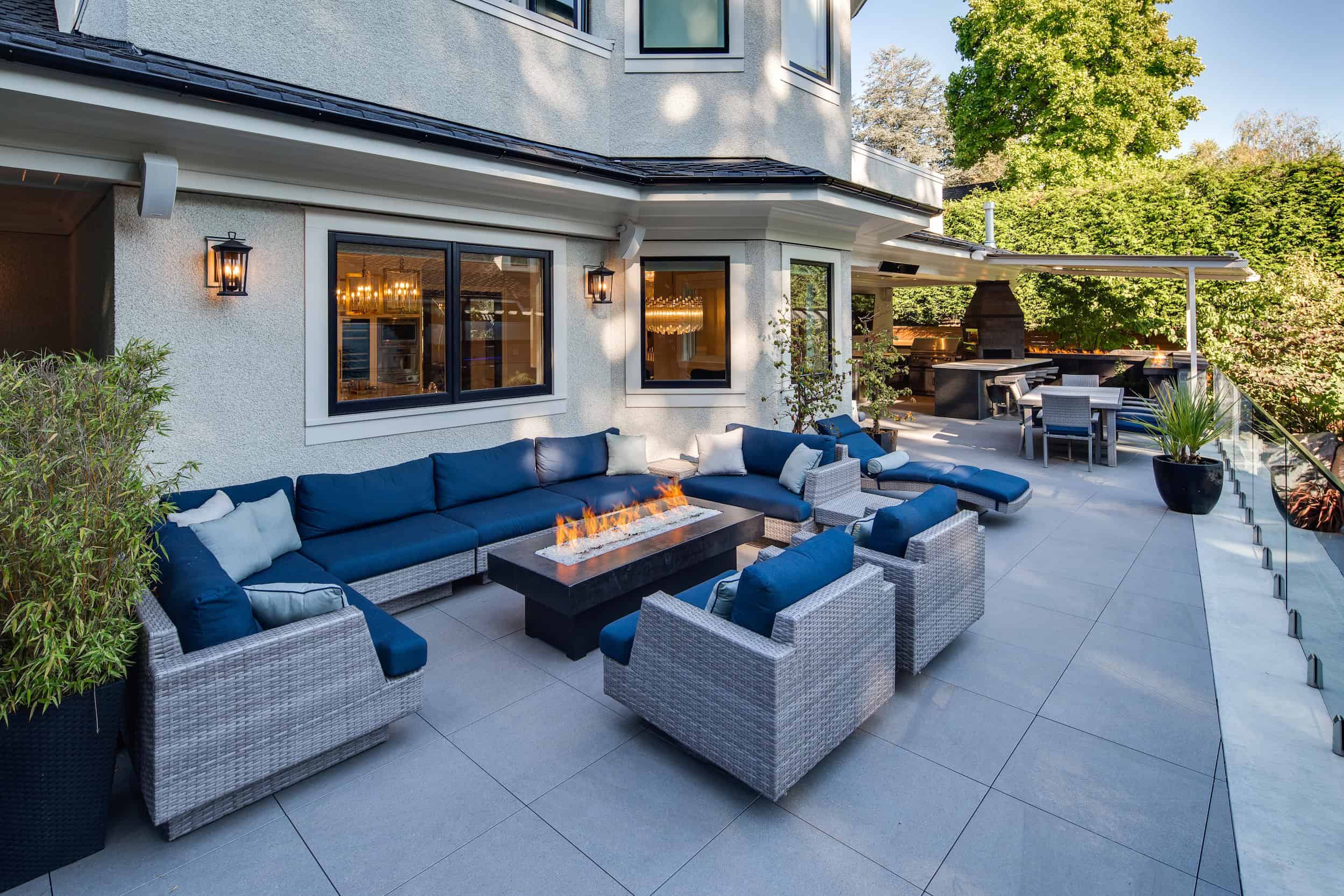
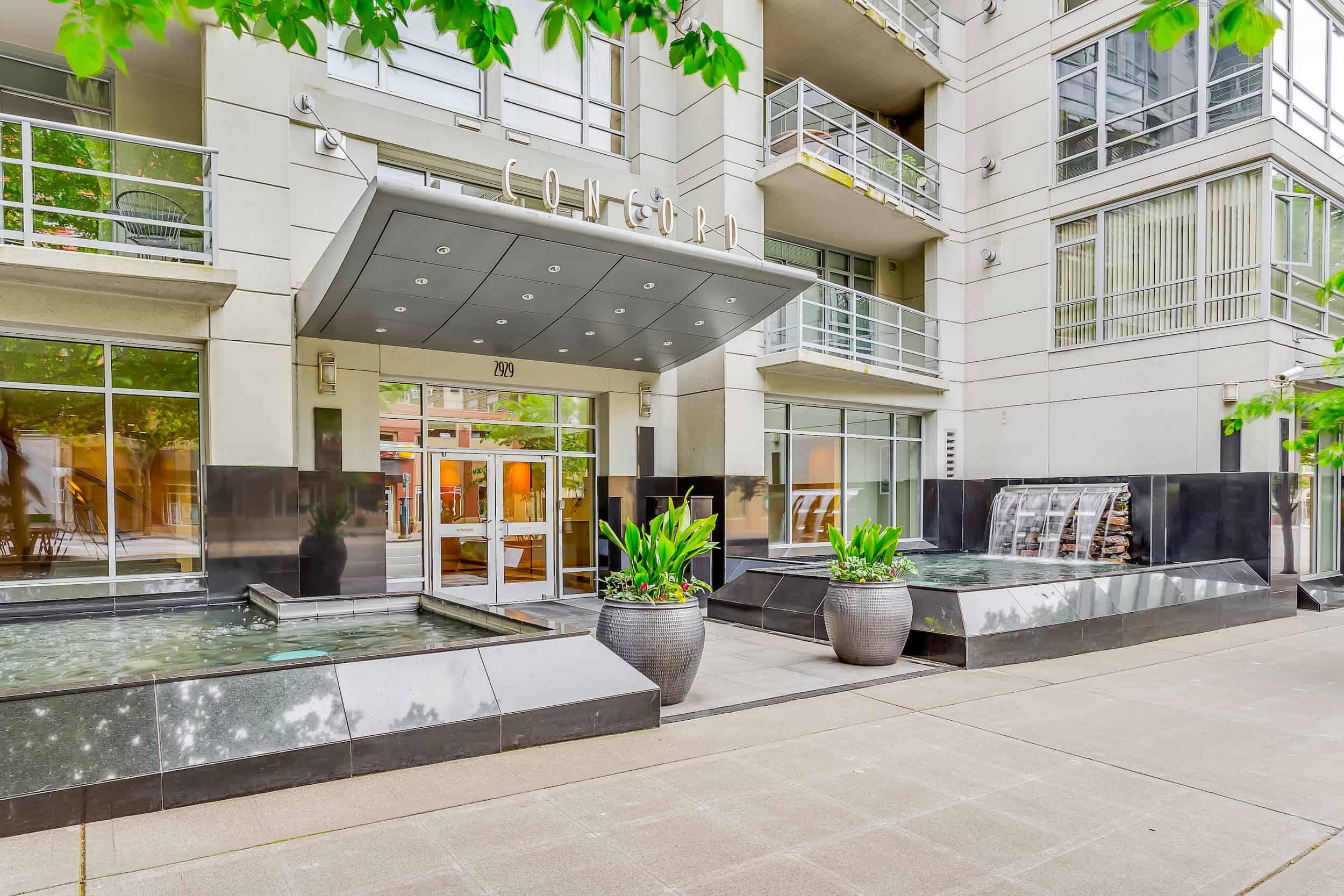
Address: #20 – 8690 Barnard Street, Vancouver, BC V6P 0N3, Canada
Phone: 604-506-1229
Website: https://tjonesgroup.com/
Email: info@tjonesgroup.com
Hours:
Monday: 8:00 AM - 5:00 PM
Tuesday: 8:00 AM - 5:00 PM
Wednesday: 8:00 AM - 5:00 PM
Thursday: 8:00 AM - 5:00 PM
Friday: 8:00 AM - 5:00 PM
Saturday: Closed
Sunday: Closed
Open-location code (plus code): 6V44+P8 Vancouver, British Columbia, Canada
Map/listing URL: https://www.google.com/maps/place/T.+Jones+Group/@49.206867,-123.1467711,17z/data=!3m1!4b1!4m6!3m5!1s0x54867534d0aa8143:0x25c1633b5e770e22!8m2!3d49.206867!4d-123.1441962!16s%2Fg%2F11z3x_qghk
Embed iframe:
Socials:
https://www.instagram.com/tjonesgroup/
https://www.facebook.com/TheT.JonesGroup
https://www.houzz.com/professionals/home-builders/t-jones-group-inc-pfvwus-pf~381177860
The company also handles multi-family construction, home maintenance, and investment advisory for property owners who want a builder with both design coordination and construction experience.
With its office on Barnard Street in Vancouver, the business is positioned to support custom home and renovation projects across the city.
Public site pages emphasize clear communication, disciplined project management, and craftsmanship meant to hold long-term value rather than short-term fixes.
T. Jones Group collaborates closely with architects, interior designers, consultants, and trades from early planning through completion.
The brand presents more than four decades of family-led building experience in Vancouver’s residential market.
Homeowners planning a custom build, estate renovation, or heritage restoration can call 604-506-1229 or visit https://tjonesgroup.com/ to start a consultation.
The business also maintains a public Google listing that can be used as a map reference for the Vancouver office.
Popular Questions About T. Jones Group
What does T. Jones Group do?
T. Jones Group is a Vancouver builder focused on custom homes, renovations, and related residential construction services.
Does T. Jones Group only work on new custom homes?
No. The public services page also lists renovations, heritage restorations, multi-family projects, home maintenance, and investment advisory.
Where is T. Jones Group located?
The official contact page lists the office at #20 – 8690 Barnard Street, Vancouver, BC V6P 0N3.
Who leads T. Jones Group?
The team page identifies Cameron Jones as Principal and Managing Director, and Amanda Jones as Director of Client Experience and Brand Growth.
How does the company describe its process?
The public process page says projects begin with an initial consultation to understand the client’s vision, lifestyle, property, goals, budget, and timeline, followed by collaboration with architects and interior designers through completion.
Does T. Jones Group work on heritage restorations?
Yes. Heritage restorations are listed on the official services page as a distinct service area focused on preserving original character while improving structure, livability, and performance.
How can I contact T. Jones Group?
Call tel:+16045061229, email info@tjonesgroup.com, visit https://tjonesgroup.com/, and follow https://www.instagram.com/tjonesgroup/, https://www.facebook.com/TheT.JonesGroup, and https://www.houzz.com/professionals/home-builders/t-jones-group-inc-pfvwus-pf~381177860.
Landmarks Near Vancouver, BC
Marpole: A major south Vancouver neighbourhood and a gateway from the airport into the city. If your project is in Marpole or nearby southwest Vancouver, T. Jones Group’s Barnard Street office is close by. Landmark link
Granville high street in Marpole: A walkable commercial stretch with shops, services, and neighbourhood activity along Granville Street. If your property is near Granville, the Vancouver office is well positioned for local custom home or renovation planning. Landmark link
Oak Park: A well-known community park near Oak Street and West 59th Avenue. If you live near Oak Park, T. Jones Group is a practical Vancouver option for custom home and renovation work. Landmark link
Fraser River Park: A recognizable riverfront park with boardwalk views along the Fraser. If your project is near the Fraser corridor, the company’s south Vancouver office gives you a nearby point of contact. Landmark link
Langara Golf Course: A familiar south Vancouver landmark with strong local recognition. If your home is near Langara or south-central Vancouver, T. Jones Group is a local builder to consider for custom residential work. Landmark link
Queen Elizabeth Park: Vancouver’s highest point and a common geographic anchor for central Vancouver. If your property is around central Vancouver, the company remains well placed for city-based projects. Landmark link
VanDusen Botanical Garden: A major west-side destination near Oak Street and West 37th Avenue. If your home is near Oak Street or west-side Vancouver corridors, the office is still nearby for planning and consultations. Landmark link
Vancouver International Airport (YVR): A practical regional marker for clients coming from the south side or traveling into Vancouver for project meetings. If you are near YVR or Sea Island connections, the office is easy to place within the south Vancouver area. Landmark link