
Every owner, from a single custom home to a 400‑unit multi‑family portfolio, wrestles with one stubborn question: do we spend now to maintain, or wait and fix when it breaks? Lean too hard into routine maintenance and you carry costs that never seem to end. Rely too much on reactive work and you lose sleep, tenants, and money. The right balance is not a slogan. It is a set of choices tailored to your assets, their age, their use, and the risks you are willing to underwrite.
I have sat on all sides of that table, as a custom home builder protecting high‑end finishes, as a real estate developer watching lender covenants, and as a property maintenance advisor working through winter calls at 2 a.m. With a boiler technician on speaker. The patterns are consistent. Assets tell you what they need if you track the right signals, and the most expensive failures rarely surprise anyone who keeps honest records.
Routine maintenance is not a to‑do list, it is a control system
People imagine routine maintenance as oiling hinges and changing filters. Those tasks matter, but the reason to do them is control. You control failure modes, downtime, and the slope of capital expenditure. In practice, routine work extends asset life, stabilizes cash flow, and reduces the number of variables you face on any given week.
For Custom Homes with hydronic heat and built‑in dehumidification, routine maintenance includes seasonal balancing, verifying supply and return temperatures, and calibrating sensors. That sounds technical because it is, and it prevents the cascade where a $200 circulator issue becomes a $7,000 floor repair after cupping shows up across the living room. In a Multi‑Family setting, routine often centers on air quality, water control, and egress: quarterly hallway pressurization checks, roof drain cleaning before leaf season, GFCI testing, and an annual review of fire‑stopping penetrations. The same idea applies on light commercial mixed‑use, though the cadence may be heavier on HVAC and life safety because tenant businesses carry their own liabilities.
On the developer side, routine maintenance also defends the pro forma. A real estate developer who promises a certain net operating income to investors understands that utilities and repairs hit the statement fast, while a rooftop unit that lasts 18 years instead of 12 shifts replacement outside the typical hold period. That is not academic. On a 20,000 square foot building with four 15‑ton RTUs, you can deflect a six‑figure CapEx by three to five years with clean coils, belt tensioning, and refrigerant checks. The line between property maintenance and investment advisory gets thin here because maintenance decisions compound into asset value.
Reactive work is not a failure of planning, it is a function of reality
Things break. Lightning hits trees. Tenants flush wipes. A backup generator refuses to start during a storm test, but starts fine the next day. You cannot schedule the world into order. Reactive repairs will always make up a share of your maintenance spend. The judgment call is where you accept reactivity because it is cheaper or where you buy insurance in the form of routine work.
Accept reactive work when the consequence of failure is small, the part is cheap, and access is easy. In parking areas, you can run LED pole lights to failure because the replacements are modular and a bucket truck visit does not disrupt operations. In lavatories with dual redundancy, you might let a single flushometer fail and swap it during the next site visit. On swing doors in a stairwell, closer leaks can be handled as calls instead of scheduled work if you carry a few on the van. That is smart triage.
Do not accept reactive work where failure triggers secondary damage, legal exposure, or revenue loss. A boiler in a fully occupied building during a cold snap is not a candidate for run‑to‑failure. Nor is a roof drain on a flat membrane in a region with heavy fall debris. The price of that emergency visit is rarely the technician’s invoice. It is the displacement of tenants, the insurance deductible, and the month you spend negotiating scope with a restoration vendor.
The cost math that actually moves the needle
Facility managers talk about the bathtub curve in reliability. Early failures as defects shake out, a long middle period of stable operation, and then end‑of‑life acceleration. Routine maintenance stretches the middle. The trap is over‑servicing assets that are already in the flat portion of the curve. Filters every month when every quarter would do. Lubrication so frequent that seals weep. Time‑based tasks that ignore run hours.
Two numbers help anchor decisions:
- Fully loaded emergency response often costs 1.5 to 3.0 times a scheduled call. That includes after‑hours premiums, trip compression that increases mistakes, and the second visit to finish a rushed diagnosis. Preventable secondary damage usually multiplies by 5 to 20 the original part cost. A $30 wax ring becomes a $3,000 ceiling repair. A $75 float switch becomes a $7,500 flood in a mechanical room.
Routine maintenance does not eliminate emergencies, but it changes their shape. You move failures into business hours, catch slow trends, and plan replacements when bids are competitive. In our portfolio management reports, the proportion of after‑hours calls drops by 40 to 60 percent within a year when we stand up a disciplined routine program. That change alone covers much of the recurring cost.
Risk is not a single metric
Balancing routine and reactive work requires a ranking of risks that goes beyond a red, yellow, green chart. Risks cluster in five categories: safety, compliance, revenue, reputation, and asset condition. Safety and compliance matter most because they carry human and legal stakes. Revenue risk is next, especially in retail, medical offices, or hospitality where a closed suite bleeds cash by the hour. Reputation follows, particularly in multi‑family where online reviews skew heavily toward maintenance responsiveness. Asset condition sounds soft until you measure it in appraisal comparables. Deteriorated brick, patched drywall, and mismatched finishes signal neglect, affecting cap rates.
A custom home builder sees this in warranty calls. The best warranty experience is not silence, it is swift, competent response paired with prevention. That homeowner will call for renovations years later because trust was built one clean, on‑time visit at a time. For a real estate developer, the analog is lender confidence during periodic inspections. A property that looks cared for wins discretionary approvals.
Case notes from the field
A 12‑unit coastal building built in 2008 came to us after two years of rising repair costs. Residents complained about musty smells in hallways. We found roof drains clear but scuppers partially occluded, and the vapor barrier at the roof parapet had opened at corners. Routine maintenance there was not vacuuming the drains again. It was a quarterly roof walk with photo logs, a fall leaf campaign aligned with the local tree drop, and a spring parapet inspection with sealant touch‑ups. Reactive calls fell by half within nine months, but the bigger win was mold remediation avoided in top floor closets. That would have been a five‑figure hit and weeks of tenant displacement.
In a set of Custom Homes with radiant heat embedded in gypcrete, we added a simple line item: verify glycol concentration and test for pH drift every fall. Two years in, one system showed acidic fluid, a classic precursor to pinhole leaks in copper manifolds. A $200 lab test and a $1,100 fluid replacement prevented an estimated $15,000‑$25,000 repair. That estimate is based on similar failures we had seen where leaks stained ceilings below and required flooring cuts to access manifolds.
On a Multi‑Family mid‑rise, rooftop economizers kept failing. The service vendor recommended new units. We pulled three years of work orders and power readings. Trend lines showed failures clustered after filter changes. The culprit was a maintenance tech who used a filter size that collapsed under negative pressure, starving the economizer on startup. Retraining and a small change in procurement solved the issue. This is why routine programs should include data checks, not just physical tasks.
Heritage Restorations demand a different calculus
A heritage building will punish the wrong maintenance rhythm. Lime mortar wants to breathe. Heavy‑handed sealants trap moisture. Cast iron drain stacks survive for a century, then fail in a single weekend. Routine here emphasizes inspections and gentle interventions. You apply sacrificial coatings on wood, use compatible masonry materials, and photograph conditions at each visit. Reactive work remains, but you aim to discover it during controlled conditions.
We managed a brick church converted to residential lofts. The board debated repointing costs every year. Spending felt painful until a parapet section failed in a storm at a sister property across town. That collapse, mercifully without injury, cost five times the proposed repointing and led to insurance scrutiny on every similar property. Since then, we teach boards to treat masonry like a roof: routine, predictable, and budgeted with discipline. Heritage Restorations thrive when you substitute observation for assumption and choose trades who respect the building’s original logic.
Build a criticality map before you build a schedule
The fastest way to balance routine and reactive work is to classify systems by criticality, then assign them a maintenance posture. High criticality items get proactive attention. Medium criticality is mixed. Low criticality is largely reactive with guardrails.
Create four classes:
- Life safety: fire alarms, sprinklers, egress lighting, smoke control, gas detection. Core services: roofs, boilers, chillers, main electrical, domestic water risers, pumps, elevators. Revenue and comfort: in‑unit HVAC, storefront systems, hot water recirculation, access control. Aesthetics and finishes: paint, flooring, landscape, casework.
Tie each class to failure consequences and legal obligations. Life safety must meet code and inspection cycles, so routine wins. Core services can justify predictive work like vibration analysis on pumps or oil analysis on generators. Revenue and comfort lean routine during peak seasons and can go reactive off‑season with spare parts on hand. Aesthetics often wait until turns, with minor touch‑ups during occupancy to protect reputation.
Data matters more than brand names
Some owners collect manuals, then let them gather dust. A better approach is a short, living dataset:
- Equipment registry with installed dates, model numbers, serials, and capacities. Service history with dates, actions, parts, and costs. Metered data where available, especially run hours and energy use. Visual condition notes with photos tied to locations.
Start small. For a 50‑unit building, a single spreadsheet with tabs for roofs, HVAC, plumbing, and electrical is enough. In larger portfolios, a computerized maintenance management system helps, but discipline beats software. The rule is simple: if you do not record it, you cannot learn from it. After a year, you will see patterns that change your maintenance posture with confidence, not guesswork. For example, you might find that two of six rooftop units consume filters twice as fast because https://juliuslmzl885.lowescouponn.com/routine-vs-reactive-maintenance-finding-the-right-balance they sit near an alley with dust from deliveries. Shift their service to a shorter cadence without paying to over‑service the others.
Budget like a realist: reserves, not wishes
Balanced maintenance comes alive in budgets. Slice spending into three buckets: routine service contracts, reactive repairs, and capital replacements. In multi‑family, a healthy annual maintenance budget often lands between 1.5 and 3.0 percent of asset value, depending on age and building type, with reserves for replacements mapped over 10 to 20 years. Custom Homes with complex systems can run higher in early years as owners tune use patterns and trades get familiar with the house.
A credible reserve study ties expected service life to actual field conditions. Manufacturers tout 20‑year roofs, but a three‑story walk‑up in a windy zone with nearby trees may behave like a 14 to 16‑year roof unless you run seasonal cleanings. Likewise, condensing boilers promise high efficiency, but short cycling from oversized units can kill heat exchangers early. Investment Advisory teams care about these details because they drive unplanned CapEx and debt service coverage ratios. When you plan replacements, you can leverage bulk buys, bundle crane time, and schedule during off‑peak months when contractors are negotiable.
Vendor strategy and response times
Your maintenance posture only works if your trades show up prepared. That starts with simple agreements. Define response windows for emergencies, urgencies, and routine calls. Align parts stocking with assets on site. If your building relies on a specific pump model, buy a spare or at least a rebuild kit. For complex systems, insist on field notes that tie to your registry, not generic invoices that say “service call.”
We ask our core vendors to join an annual walk‑through. Sometimes that means a roofer looking at drains and edges or an electrician opening the main gear. The goal is not to create more billable work. It is to let the specialist point out young failure modes before they turn into 3 a.m. Calls. Over time, this cadence builds a memory for the building as staff turns over.
Renovations change the maintenance equation
Renovations do two contradictory things. They reset finishes and systems in affected areas, and they often expose the maintenance deferred elsewhere. A new kitchen increases moisture loads if the venting is wrong. Upgraded baths add to hot water demand and can stress recirculation loops. Even paint changes can hide hairline cracks that would have told you about foundation movement.
Treat every renovation as a maintenance checkpoint. Verify that new fixtures match system capacity, not just design intent. In Multi‑Family, stagger renovations to test details in a small batch before rolling them out. In Custom Homes, coordinate user training. Homeowners who understand their systems call sooner with accurate descriptions, which shortens diagnosis time and reduces the urge to over‑maintain out of anxiety.
A short, practical maintenance cadence
Use this compact rhythm to anchor your program. It avoids over‑servicing while catching the big stuff.
- Seasonal: roofs, drains, gutters, snow melt systems, heating or cooling changeover, generator test under load, site drainage checks. Quarterly: filter changes based on pressure drop, common area life safety device tests, elevator phone checks, trip hazards walk‑throughs, access control audit. Biannual: water quality checks in boilers and closed loops, infrared scan on panels for hotspots in older buildings, sump pump tests with manual activation. Annual: full roof survey with photos, sealant review on facades, HVAC service with refrigerant verification, domestic water temperature audit for legionella control. After extreme events: storms, heat waves, deep freezes, or long power outages. Look for what changed, not just what broke.
Common traps that distort the balance
Even disciplined teams fall into predictable mistakes that push them too far toward routine cost or reactive chaos.
- Treating warranties as maintenance. A warranty replaces parts. It does not maintain the system. Never let a warranty timeline determine your service cadence. Over‑centralizing decisions. A single approval bottleneck creates delays that turn minor issues into emergencies. Empower field staff within clear dollar limits. Ignoring tenant behavior. In multi‑family, trash chutes, disposal habits, and balcony use drive a surprising share of calls. Education and small changes, like installing better screens or posting clear chute rules, save more than over‑servicing equipment. Deferring envelope inspections. Owners look inward because mechanicals feel tangible. Most water damage comes from the skin of the building. Walk the exterior first. Buying on lowest hourly rate. A cheap tech who needs three visits costs more than a pro who fixes it once and documents the root cause.
Climate, site, and use step in and rewrite the rules
There is no universal schedule because climate and use patterns rewrite the script. In coastal zones, salt chews through metal fasteners and condenser fins. Routine includes fresh water rinses for exterior equipment and faster coating cycles on railings. In northern climates, freeze‑thaw cycles open masonry joints. Snow drift patterns on complex roofs create stress you will not see on drawings. You aim inspections at those corners late in winter when thaw sets in.
Use patterns are just as important. A building with a daycare needs different bathroom checks than one with professional offices. A restaurant tenant on the first floor changes pest control, grease management, and rooftop exhaust maintenance for the whole property. A house with an indoor pool or a wine room wants humidity control expertise, not a generic service contract. The more you tailor routine to actual use, the less you waste on nice‑to‑have tasks while missing the must‑have ones.
What data to watch when you start from scratch
If you are standing up a program where little exists, do not drown in detail. Three reports will carry you through the first year:
- Work order age and after‑hours percentage. If half your tickets survive beyond three days or more than 20 percent happen after hours, you are running hot. Emergency by category. Track top three emergency types and attack the upstream cause with targeted routine tasks. CapEx look‑ahead by year. Even a rough five‑year map that says “RTUs in 2027” changes vendor conversations and avoids panic buying.
Often, the data reveals that a small shift pays big dividends. We once discovered that leak calls spiked on Sundays at a mid‑rise. A janitorial schedule change had staff mopping with too much water on Saturday nights. The answer was not more plumbers. It was a mop bucket training session and a squeegee. The graph flattened the next month.
Where investment advisory meets property maintenance
Investors sometimes view maintenance as a drag on returns. That is a narrow lens. A stable maintenance profile reduces volatility, which lenders and buyers reward. Documented care produces higher exit pricing because it lowers perceived risk. In real terms, a Multi‑Family asset with clean maintenance histories, clear reserve schedules, and low emergency ratios can add 25 to 75 basis points of cap rate advantage compared with a peer that shows chaos. For a $20 million property, that is a seven‑figure swing.
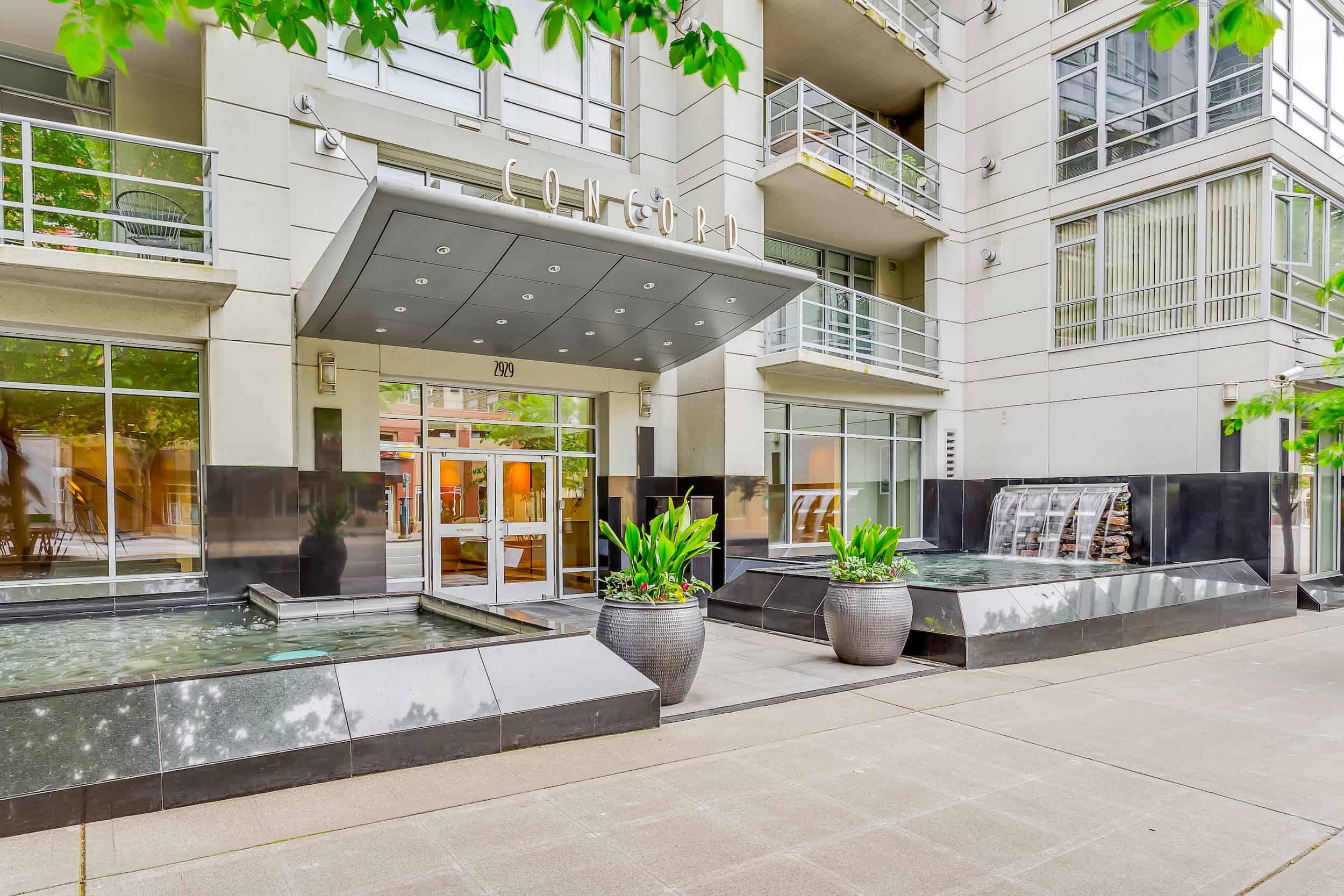
Investment Advisory teams can help owners translate maintenance posture into underwriting. They quantify the benefits of a chiller overhaul now versus a risky summer, model the cost of run‑to‑failure on in‑unit appliances against tenant satisfaction metrics, and time renovations to income growth. The best plans align routine work with value creation, not just cost containment.
A final word on culture
Balance does not hold without culture. Tenants report issues when they feel heard. Staff record details when they trust that data will be used to make their jobs easier, not to blame. Vendors show up when they know they will be paid fairly and treated as partners. Culture sounds soft until you try to run buildings in its absence.
At a custom home, culture looks like a tech who takes off boots, wipes a countertop, and leaves a note that explains what they did in plain language. In a multi‑family tower, it looks like a superintendent who walks the roof after every wind event, not because a checklist said so, but because they understand where the building is most vulnerable. In both cases, routine and reactive maintenance stop being competing ideas. They become tools in a kit, chosen with judgment.
If you remember nothing else, hold this: maintain what can hurt you or your income, react where it is cheaper and safe, and adjust the mix as your building and your data teach you what works. Do that, and you will find the balance that supports both your properties and your peace of mind.
Address: #20 – 8690 Barnard Street, Vancouver, BC V6P 0N3, Canada
Phone: 604-506-1229
Website: https://tjonesgroup.com/
Email: info@tjonesgroup.com
Hours:
Monday: 8:00 AM - 5:00 PM
Tuesday: 8:00 AM - 5:00 PM
Wednesday: 8:00 AM - 5:00 PM
Thursday: 8:00 AM - 5:00 PM
Friday: 8:00 AM - 5:00 PM
Saturday: Closed
Sunday: Closed
Open-location code (plus code): 6V44+P8 Vancouver, British Columbia, Canada
Map/listing URL: https://www.google.com/maps/place/T.+Jones+Group/@49.206867,-123.1467711,17z/data=!3m1!4b1!4m6!3m5!1s0x54867534d0aa8143:0x25c1633b5e770e22!8m2!3d49.206867!4d-123.1441962!16s%2Fg%2F11z3x_qghk
Embed iframe:
Socials:
https://www.instagram.com/tjonesgroup/
https://www.facebook.com/TheT.JonesGroup
https://www.houzz.com/professionals/home-builders/t-jones-group-inc-pfvwus-pf~381177860
The company also handles multi-family construction, home maintenance, and investment advisory for property owners who want a builder with both design coordination and construction experience.
With its office on Barnard Street in Vancouver, the business is positioned to support custom home and renovation projects across the city.
Public site pages emphasize clear communication, disciplined project management, and craftsmanship meant to hold long-term value rather than short-term fixes.
T. Jones Group collaborates closely with architects, interior designers, consultants, and trades from early planning through completion.
The brand presents more than four decades of family-led building experience in Vancouver’s residential market.
Homeowners planning a custom build, estate renovation, or heritage restoration can call 604-506-1229 or visit https://tjonesgroup.com/ to start a consultation.
The business also maintains a public Google listing that can be used as a map reference for the Vancouver office.
Popular Questions About T. Jones Group
What does T. Jones Group do?
T. Jones Group is a Vancouver builder focused on custom homes, renovations, and related residential construction services.
Does T. Jones Group only work on new custom homes?
No. The public services page also lists renovations, heritage restorations, multi-family projects, home maintenance, and investment advisory.
Where is T. Jones Group located?
The official contact page lists the office at #20 – 8690 Barnard Street, Vancouver, BC V6P 0N3.
Who leads T. Jones Group?
The team page identifies Cameron Jones as Principal and Managing Director, and Amanda Jones as Director of Client Experience and Brand Growth.
How does the company describe its process?
The public process page says projects begin with an initial consultation to understand the client’s vision, lifestyle, property, goals, budget, and timeline, followed by collaboration with architects and interior designers through completion.
Does T. Jones Group work on heritage restorations?
Yes. Heritage restorations are listed on the official services page as a distinct service area focused on preserving original character while improving structure, livability, and performance.
How can I contact T. Jones Group?
Call tel:+16045061229, email info@tjonesgroup.com, visit https://tjonesgroup.com/, and follow https://www.instagram.com/tjonesgroup/, https://www.facebook.com/TheT.JonesGroup, and https://www.houzz.com/professionals/home-builders/t-jones-group-inc-pfvwus-pf~381177860.
Landmarks Near Vancouver, BC
Marpole: A major south Vancouver neighbourhood and a gateway from the airport into the city. If your project is in Marpole or nearby southwest Vancouver, T. Jones Group’s Barnard Street office is close by. Landmark link
Granville high street in Marpole: A walkable commercial stretch with shops, services, and neighbourhood activity along Granville Street. If your property is near Granville, the Vancouver office is well positioned for local custom home or renovation planning. Landmark link
Oak Park: A well-known community park near Oak Street and West 59th Avenue. If you live near Oak Park, T. Jones Group is a practical Vancouver option for custom home and renovation work. Landmark link
Fraser River Park: A recognizable riverfront park with boardwalk views along the Fraser. If your project is near the Fraser corridor, the company’s south Vancouver office gives you a nearby point of contact. Landmark link
Langara Golf Course: A familiar south Vancouver landmark with strong local recognition. If your home is near Langara or south-central Vancouver, T. Jones Group is a local builder to consider for custom residential work. Landmark link
Queen Elizabeth Park: Vancouver’s highest point and a common geographic anchor for central Vancouver. If your property is around central Vancouver, the company remains well placed for city-based projects. Landmark link
VanDusen Botanical Garden: A major west-side destination near Oak Street and West 37th Avenue. If your home is near Oak Street or west-side Vancouver corridors, the office is still nearby for planning and consultations. Landmark link
Vancouver International Airport (YVR): A practical regional marker for clients coming from the south side or traveling into Vancouver for project meetings. If you are near YVR or Sea Island connections, the office is easy to place within the south Vancouver area. Landmark link