
The best sustainability plans in multi-family housing read as cost control strategies with long legs. When owners, operators, and residents move in the same direction, energy and water bills fall, equipment lasts longer, and comfort improves. The trick is threading design, construction, and operations so they reinforce each other rather than compete. After two decades of working on apartment rehabs, condo conversions, and mid-rise ground-up projects, I have learned that the buildings that stay efficient are the ones that make maintenance simple, keep residents informed, and align capital plans with utility prices and policy pressure.
Why multi-family plays differently than single-family
Multi-family properties win and lose efficiency dollars at scale. A decision about a central plant or domestic hot water loop touches dozens or hundreds of homes, and that leverage can either compound savings or multiply mistakes. A 100-unit building with average utility costs of 1,600 to 2,200 dollars per unit per year has a six-figure annual spend even before common-area loads and equipment service. A 15 percent reduction across the stack moves the net operating income far more than a single leasing uptick, which also increases asset value when capitalized.
The shared systems also mean shared risks. A poorly balanced hydronic system in a 1960s mid-rise bleeds heat into corridors while corner units freeze. Exhaust fans undersized on a stack draw cooking smells through walls and stairwells. These systemic issues do not yield to a quick appliance swap. They require a plan that starts with loads, then matches equipment to reality, then trains staff to keep it tuned.
Some of my judgment on multi-family comes from mistakes I would not repeat. We once installed high-efficiency boilers on a mid-century building with original distribution piping that was never properly cleaned. The new boilers kept tripping on low flow because the strainers clogged with decades of sediment. A 10,000 dollar line item we hesitated to add during design became a month of callbacks and overtime. On paper, boiler efficiency drove savings, but the return really came from flushing, balancing, and recommissioning the distribution we already owned.
Counting carbon and counting on regulation
Markets are pricing emissions into real estate decisions, if not directly through a carbon tax, then indirectly through benchmarking rules, energy grades, and performance standards. Jurisdictions in North America and Europe have moved from voluntary benchmarking to binding caps or fines for over-emitting buildings. The details vary, but the pattern is clear: the older, larger, and leakier a property is, the stronger the incentive to invest in energy and water performance.
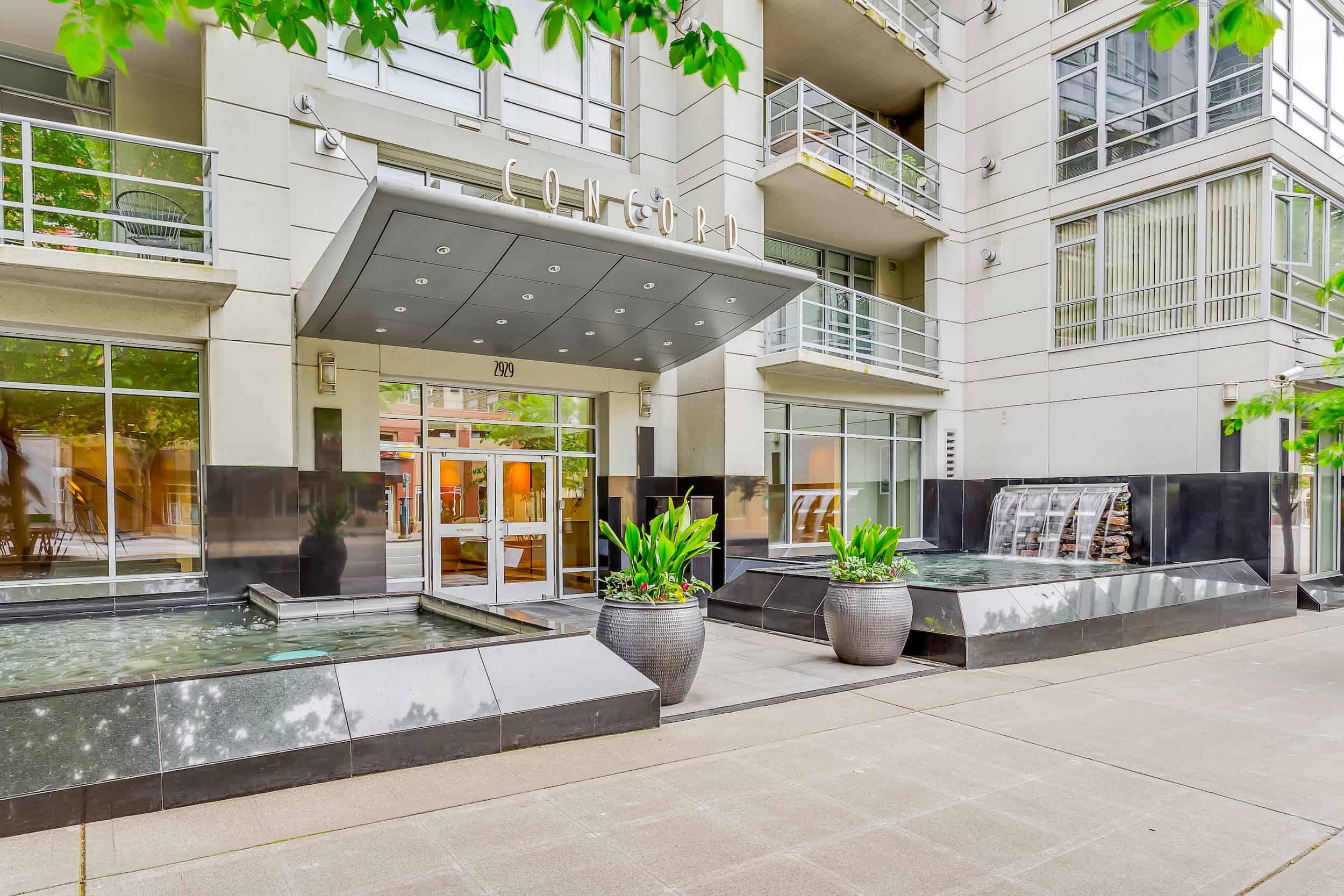
A practical approach is to track two numbers side by side. First, operating metrics like kWh per square foot and therms per square foot, normalized for weather. Second, carbon intensity based on the grid mix and on-site fuels. A building that electrifies space and water heating might see a temporary uptick in electricity spend if rates are high, yet its carbon footprint can still fall sharply as the grid gets cleaner. Owners with longer hold periods understand this curve and position for it. Investment advisory teams increasingly fold these projections into underwriting.
The business case starts with loads, not equipment
A multi-family retrofit that begins with a shopping list tends to overspend. The better sequence starts with envelope and ventilation, then layers in right-sized mechanicals. Lower heating and cooling loads shrink the plant you need, and smaller equipment runs longer and steadier at higher efficiency.
Envelope improvements do not have to be dramatic to matter. In a 96-unit 1970s building we served, simple air sealing around balcony doors, roof-to-wall joints, and pipe penetrations dropped infiltration by roughly 25 percent, verified with guarded blower door testing by stack. We replaced through-wall sleeves with insulated, gasketed units, and we added 2 inches of rigid insulation on the roof during re-roofing. Peak winter gas use fell about 18 percent the first season, even before we touched the boilers. Those measures paid back in five to eight years, while also cutting drafts that caused comfort complaints and maintenance calls.
Lighting and controls are the fast wins most teams know, but the scale is still impressive in tall buildings. Converting common areas to LED with bi-level stairwell fixtures and occupancy sensors typically trims 60 to 80 percent of lighting energy. That often frees electrical capacity for later electrification without a service upgrade. Central exhaust fans with demand-control strategies, coordinated with make-up air, reduce runtime hours and improve pressurization. These are unglamorous tweaks that lower costs reliably.
On the mechanical side, the clearest carbon reductions in multi-family come from electrifying space and water heating. Cold-climate heat pumps now deliver coefficients of performance between 2.5 and 3.5 in real conditions, even at sub-freezing temperatures, when equipment is properly sized and defrost cycles are considered in the design. Heat pump water heaters for central domestic loads can reach similar performance with heat recovery from parking garages or chiller rejects. The trade-off is complexity: refrigerant management, defrost noise, condensate routing, and distribution temperatures must be planned carefully to avoid surprises.
A full electrification move has real constraints. Electrical panels often lack spare capacity, risers might be undersized, and utility transformers cannot always be replaced on the owner’s schedule. Phased electrification, combined with deep efficiency on the envelope, lets owners defer a seven-figure service upgrade. I have seen portfolios switch out gas dryers last, because those plug loads spike demand. Sequencing matters.
Operations and property maintenance win or lose the savings
Even the best equipment drifts without attention. A well-devised maintenance plan preserves savings and staves off premature failures. Start with a clean asset register and a living set of standard operating procedures. If staff cannot find the last balancing report or the current setpoints, they will fly by feel. That approach costs money, often invisibly.
A small multi-family operator I advised had two nearly identical 8-story buildings and yet wildly different gas bills, a 22 percent gap over a heating season. The difference came down to schedule creep on domestic hot water recirculation and a faulty outdoor reset on one boiler plant. Both issues hid in plain sight because residents still had hot water and heat. A single day of recommissioning closed most of the gap. That is maintenance as a profit center, not just a cost line.

Water is another place where operations matter more than fixtures alone. Low-flow showerheads and aerators save 15 to 30 percent on domestic hot water, but only if management distributes and maintains them. Submetered properties frequently see a 15 to 25 percent drop in usage per unit, but it works best when paired with leak detection on risers and a quick-turn work order system. I have watched a hairline crack in a toilet fill valve cost 600 to 1,000 dollars in a single month on a master-metered stack. Cheap to fix, expensive to ignore.
Lessons from custom homes that transfer well
While multi-family differs from single-family in scale and centralization, a good custom home builder teaches transferable lessons about airtightness, thermal bridging, and commissioning. Custom Homes often push for comfort targets residents feel instantly: no cold spots, quiet bedrooms, steady humidity. Those same outcomes raise satisfaction in apartments and reduce turnover.
Details that hold up across product types include continuous exterior insulation at parapets, careful alignment of the air barrier at window openings, and duct leakage testing beyond code minimums. The physics does not care about tenure type. Tighter envelopes cut peak loads and allow heat pumps to work in their efficient range. They also reduce stack effect in taller buildings, so you get warmer ground floors and cooler top floors without overdriving the systems.
Renovations and heritage restorations without losing performance
Older masonry buildings and historic facades intimidate teams that see energy upgrades as intrusive. They need not be. In a 12-unit heritage restoration of a brick walk-up, we restored the original windows but added interior storm panels with low-e coatings. They preserved the sightlines and trim, reduced infiltration dramatically, and raised surface temperatures enough that residents stopped pulling out plug-in heaters on cold nights. We insulated the roof from above during re-roofing, specified vapor-open materials, and installed small multi-split heat pumps with concealed line sets routed through existing chases. Heating bills dropped by roughly one third. The landmark commission signed off because the exterior appearance stayed true.
Trade-offs do emerge. Triple-pane replacements with historic profiles exist, but lead times and costs climb fast. Sometimes the smartest move is staged: improve air sealing now, upgrade controls, and plan for a window package when scaffolding goes up for facade work already in the budget. Renovations align best with capital events you must do anyway, like roof replacements, riser overhauls, or elevator modernizations.
Central plants, distributed systems, and what fits where
Multi-family buildings gravitate to central systems for economies of scale, but the right answer is context specific. For 4 to 6 story walk-ups with individual gas furnaces or PTACs, shifting to packaged cold-climate heat pumps in each unit can make sense, especially when electrical panels can be upgraded stack by stack. Noise, condensate routing, and balcony space become design constraints. Residents gain thermostat control and lose combustion in the home, which often helps with insurance.

For mid- to high-rise properties with hydronic distribution, air-to-water or water-to-water heat pumps integrated with thermal storage can electrify without rebuilding every riser. Lower distribution temperatures increase efficiency, so envelope improvements and coil upgrades in fan coils might be necessary. A plant that hits 120 to 130 degrees Fahrenheit for most hours and reserves higher temps for rare peaks often performs better than a system that tries to hold 160 degrees all winter. Thermal storage tanks or phase change materials help smooth peaks and reduce demand charges.
Domestic hot water is the hard nut, especially in cold climates with high morning spikes. Heat pump water heating at scale works well when combined with storage sized to cover peaks and with careful recirculation design. Expect a learning curve on acoustic treatment, defrost management near fresh air intakes, and backup strategies for rare events. In my experience, an all-electric DHW system with a mixed strategy, storage stratification, and heat recovery from garage exhaust or elevator machine rooms can reach 50 to 70 percent lower site energy than gas, with paybacks in the 7 to 12 year range depending on incentives and rates.
Controls, data, and the difference between dashboards and decisions
Most buildings do not need another dashboard. They need a short list of watched metrics and a person assigned to act when thresholds are crossed. Useful data in multi-family usually boils down to:
- Whole-building electricity and gas by interval to spot drift early, ideally fed into a simple weekly review. Supply and return temperatures on main loops, plus outdoor air temperature, to verify reset schedules and diagnose stuck valves. Domestic hot water recirculation temperatures at remote points, which expose dead legs and balancing issues that waste energy. Runtime hours for big fans and pumps, paired with occupancy schedules, to right-size operating windows. A modest set of apartment environmental sensors during commissioning, rotated through units to tune setpoints and identify problem stacks.
That list is not long by design. When operators chase dozens of points, they chase little. A two-hour monthly review with a maintenance lead, a property manager, and a contractor who knows the systems tends to produce better results than a glossy portal no one opens.
Financing, incentives, and underwriting the savings
Dollar for dollar, the cheapest energy is the energy you never buy. Still, most owners need help bridging first costs. Green financing products, utility rebates, and tax credits can shift paybacks by years. Under the current U.S. Federal landscape, heat pump incentives, commercial energy efficiency deductions, and low-interest programs from housing agencies can collectively cover 15 to 40 percent of qualifying costs, sometimes more when projects serve income-restricted residents. The specifics change with policy cycles, so a good investment advisory partner maintains a live incentives map and ties applications to the design calendar.
Utility tariff structure matters as much as rebates. Demand charges can erode heat pump savings if systems start up together after setbacks. Staggered schedules, soft-start drives, and thermal storage help. In some markets, time-of-use rates reward preheating or precooling common spaces in off-peak hours. Finance teams should model scenarios with conservative and optimistic rate assumptions rather than a single average.
Capital planning should line up the efficiency work with unavoidable replacements. If a chiller is five years from end-of-life, it often makes sense to move the envelope and controls measures now to shrink the eventual plant. When owners try to do everything at once, projects stall. When they parcel measures too finely, they lose synergies. The sweet spot is two to three coordinated scopes over five to seven years.
Construction sequencing without tenant revolt
Retrofits inside occupied buildings succeed when disruption is small, predictable, and clearly communicated. Tenants will forgive a day without hot water if they know the exact day, the window, and the number to call if timelines slip. They will not forgive vague notices posted the night before. I have watched leasing strengthen in properties that ran upgrades like clockwork, because residents saw the care that went into the process.
Noise, dust, and odors matter. Use low-VOC materials, schedule drilling during work hours, and pilot measures in a few units to refine the sequence. For interior heat pump installs, pre-fabricated line set kits shorten time in each home and reduce errors. In older buildings, plan for surprises: asbestos in pipe insulation, hidden knob-and-tube wiring, or undersized chases. Carry a contingency and keep a fast-acting abatement contractor on call.
Resident engagement that sticks
Residents control a surprising fraction of building energy through window operation, thermostats, blinds, and hot water use. Education that respects their time pays. Short, graphic placards in laundry rooms about drying times and lint trap efficiency lead to real savings. Emails that show building-wide progress nudge behavior better than one-off tips. Incentives like small rent credits or gift cards for units that participate in sensor pilots or allow access for envelope work create goodwill.
In co-ops and condos, committees can turn engagement into action. One building we supported created a green team that tested induction cooktops on rolling carts during lobby events. Induction won residents on speed and safety rather than carbon messaging. That paved the way for a central gas riser decommissioning plan everyone could accept.
Where maintenance and design meet: parts, training, and handoff
A design that looks brilliant on paper can sink in operations if the parts are exotic or the service network is thin. Choose equipment with local support. Standardize across properties where possible to simplify inventory. Write O&M manuals that carry forward commissioning setpoints and rationale, not just cut sheets. I ask for a one-page quick start for each major system that a new maintenance hire can use on a weekend.
Training should be budgeted as an item, not an afterthought. Pay staff to attend, invite them early to design meetings, and include them in punch walks. When maintenance staff help write the control sequences, they own them. Metrics improve when the people with the wrenches also carry the why.
Five pitfalls that quietly erode savings
- Oversizing equipment “just in case,” which short-cycles heat pumps and boilers and lowers efficiency. Ignoring distribution, especially balancing on hydronic loops and DHW recirculation, where a lot of waste hides. Forgetting panel and riser capacity when planning electrification, then discovering upgrade timelines that stretch over a year. Treating sensors and dashboards as the solution, without assigning accountability or response protocols. Skipping a debrief phase after the first heating and cooling seasons to correct setpoints, fix control logic, and lock in results.
A simple roadmap that works across building types
- Benchmark utilities and walk the building with maintenance. Write down loads, complaints, and chronic repairs. Ground the plan in what staff knows. Fix the envelope leaks you can reach, upgrade lighting and basic controls, and recommission existing systems. Take the cheap wins first. Plan the mechanical conversion in phases, starting with the domestic hot water or space conditioning piece that aligns with capital cycles and electrical capacity. Secure financing and incentives early, tie them to milestones, and test the work in a pilot stack before scaling. Train staff, engage residents, and track a small set of metrics. Revisit after the first season, then bake lessons into standards.
Bringing it together across the team
Sustainability on a multi-family asset is not a specialty project, it is a throughline in development and operations. A real estate developer who bakes envelope and system choices into pro forma assumptions avoids value engineering that costs more later. A property maintenance lead who pushes for better access panels and valve tags makes future repairs faster and cleaner. A custom home builder’s obsession with air sealing and comfort elevates apartments and reduces load. Renovations and heritage restorations can protect character while cutting waste, if planned with respect for both history and physics. An investment https://cesariqpy798.wpsuo.com/custom-homes-with-sustainable-materials-build-greener-live-better advisory group that understands incentives, rate structures, and asset hold periods will underwrite the right package, not just the cheapest one on bid day.
When the people who build, finance, and care for these properties align, the result is durable efficiency. Tenants notice comfortable rooms and steady hot water, not the equipment in the basement. Owners notice utility lines that no longer spike and capital budgets that stretch further. The atmosphere notices too, though it does not send thank you notes. It rewards consistency.
Address: #20 – 8690 Barnard Street, Vancouver, BC V6P 0N3, Canada
Phone: 604-506-1229
Website: https://tjonesgroup.com/
Email: info@tjonesgroup.com
Hours:
Monday: 8:00 AM - 5:00 PM
Tuesday: 8:00 AM - 5:00 PM
Wednesday: 8:00 AM - 5:00 PM
Thursday: 8:00 AM - 5:00 PM
Friday: 8:00 AM - 5:00 PM
Saturday: Closed
Sunday: Closed
Open-location code (plus code): 6V44+P8 Vancouver, British Columbia, Canada
Map/listing URL: https://www.google.com/maps/place/T.+Jones+Group/@49.206867,-123.1467711,17z/data=!3m1!4b1!4m6!3m5!1s0x54867534d0aa8143:0x25c1633b5e770e22!8m2!3d49.206867!4d-123.1441962!16s%2Fg%2F11z3x_qghk
Embed iframe:
Socials:
https://www.instagram.com/tjonesgroup/
https://www.facebook.com/TheT.JonesGroup
https://www.houzz.com/professionals/home-builders/t-jones-group-inc-pfvwus-pf~381177860
The company also handles multi-family construction, home maintenance, and investment advisory for property owners who want a builder with both design coordination and construction experience.
With its office on Barnard Street in Vancouver, the business is positioned to support custom home and renovation projects across the city.
Public site pages emphasize clear communication, disciplined project management, and craftsmanship meant to hold long-term value rather than short-term fixes.
T. Jones Group collaborates closely with architects, interior designers, consultants, and trades from early planning through completion.
The brand presents more than four decades of family-led building experience in Vancouver’s residential market.
Homeowners planning a custom build, estate renovation, or heritage restoration can call 604-506-1229 or visit https://tjonesgroup.com/ to start a consultation.
The business also maintains a public Google listing that can be used as a map reference for the Vancouver office.
Popular Questions About T. Jones Group
What does T. Jones Group do?
T. Jones Group is a Vancouver builder focused on custom homes, renovations, and related residential construction services.
Does T. Jones Group only work on new custom homes?
No. The public services page also lists renovations, heritage restorations, multi-family projects, home maintenance, and investment advisory.
Where is T. Jones Group located?
The official contact page lists the office at #20 – 8690 Barnard Street, Vancouver, BC V6P 0N3.
Who leads T. Jones Group?
The team page identifies Cameron Jones as Principal and Managing Director, and Amanda Jones as Director of Client Experience and Brand Growth.
How does the company describe its process?
The public process page says projects begin with an initial consultation to understand the client’s vision, lifestyle, property, goals, budget, and timeline, followed by collaboration with architects and interior designers through completion.
Does T. Jones Group work on heritage restorations?
Yes. Heritage restorations are listed on the official services page as a distinct service area focused on preserving original character while improving structure, livability, and performance.
How can I contact T. Jones Group?
Call tel:+16045061229, email info@tjonesgroup.com, visit https://tjonesgroup.com/, and follow https://www.instagram.com/tjonesgroup/, https://www.facebook.com/TheT.JonesGroup, and https://www.houzz.com/professionals/home-builders/t-jones-group-inc-pfvwus-pf~381177860.
Landmarks Near Vancouver, BC
Marpole: A major south Vancouver neighbourhood and a gateway from the airport into the city. If your project is in Marpole or nearby southwest Vancouver, T. Jones Group’s Barnard Street office is close by. Landmark link
Granville high street in Marpole: A walkable commercial stretch with shops, services, and neighbourhood activity along Granville Street. If your property is near Granville, the Vancouver office is well positioned for local custom home or renovation planning. Landmark link
Oak Park: A well-known community park near Oak Street and West 59th Avenue. If you live near Oak Park, T. Jones Group is a practical Vancouver option for custom home and renovation work. Landmark link
Fraser River Park: A recognizable riverfront park with boardwalk views along the Fraser. If your project is near the Fraser corridor, the company’s south Vancouver office gives you a nearby point of contact. Landmark link
Langara Golf Course: A familiar south Vancouver landmark with strong local recognition. If your home is near Langara or south-central Vancouver, T. Jones Group is a local builder to consider for custom residential work. Landmark link
Queen Elizabeth Park: Vancouver’s highest point and a common geographic anchor for central Vancouver. If your property is around central Vancouver, the company remains well placed for city-based projects. Landmark link
VanDusen Botanical Garden: A major west-side destination near Oak Street and West 37th Avenue. If your home is near Oak Street or west-side Vancouver corridors, the office is still nearby for planning and consultations. Landmark link
Vancouver International Airport (YVR): A practical regional marker for clients coming from the south side or traveling into Vancouver for project meetings. If you are near YVR or Sea Island connections, the office is easy to place within the south Vancouver area. Landmark link