
Energy use is baked into how a building is put together, not just into the equipment it runs. If you are planning Renovations to lower utility costs, the most powerful choices usually hide in the envelope and mechanical systems rather than in shiny gadgets. I have spent two decades guiding owners through upgrades in Custom Homes, Heritage Restorations, and Multi-Family properties. The projects that deliver the biggest savings pair sound building science with good sequencing, practical site constraints, and steady Maintenance. Getting those choices right can cut total energy use by 30 to 60 percent, often with comfort gains that matter more than the line on the bill.
Start with the building you have
Before picking products, read the building. A 1920s brick rowhouse behaves differently from a 1990s stucco home, and a garden-style Multi-Family building has other pressure and distribution issues altogether. I walk properties with a thermal camera during a chilly morning to see heat loss paths, check attic depth with a measuring stick, and look for the telltale dust streaks on fiberglass that signal air leaks. Utility data is equally useful. A full year of electric and gas bills reveals seasonal swings, base loads, and whether your biggest waste sits in winter heating, summer cooling, or year-round hot water.
Budget and disruption tolerance shape the plan. If you are opening walls for a kitchen, that is the moment to improve wiring, add air sealing, and bring insulation details up to code or better. If tenants are in place, target measures that can be done from the exterior or in mechanical spaces to minimize access. A Real estate developer cares about net operating income, appraised value, and construction risk. A homeowner may care first about rooms that never feel right. Both care about not doing the same job twice.
Tighten the envelope before swapping the machine
Heat you do not lose is heat you do not have to buy. The envelope, not the furnace, sets your baseline. In practice this means air sealing, insulation, and thermal bridging control.
Air sealing comes first. A leaky house can exchange half its inside air every hour on a windy day. Caulking baseboards barely moves that needle. You need to target the big gaps at the top and bottom: the attic plane, penetrations around plumbing and chimneys, recessed lights, and rim joists in the basement. With blower door directed work, I regularly see older homes move from 10 to 14 air changes per hour at 50 pascals down to 4 to 6. The difference shows up in steadier temperatures and fewer drafts. It also shrinks the sized capacity for heating and cooling by a third or more.
Insulation should then be continuous and at the right R values. In cold and mixed climates, R-49 to R-60 in the attic is a strong target, achieved with blown cellulose or fiberglass over an air-sealed deck. In hot climates, radiant barriers paired with R-38 can keep attic temps from spiking above 120°F. Wall insulation is trickier in existing buildings. Dense-pack cellulose in empty studs works well for wood frame houses. For masonry, you need to respect moisture flow. Foam on the interior can cause freeze-thaw in old brick if done carelessly. On a brownstone Heritage Restoration my team led, we chose interior wood-fiber board with a lime plaster finish to allow vapor movement while improving R value, and paired it with interior storm windows. No peeling paint, and heating bills dropped about 28 percent.
Thermal bridging is the quiet thief. Steel beams that pass through to the outside, slab edges, and uninsulated headers conduct heat like wires conduct electricity. When we renovate, we wrap exterior rims with rigid insulation, add thermal breaks under new door thresholds, and specify insulated headers. The details do not make for glossy photos, but they shave real dollars off bills and reduce condensation risks that grow mold behind trim.
Windows and doors: replacement is not the only path
Window marketing often oversells savings. A single-pane window with leaky sashes is a comfort problem, but the energy payback for full replacement can stretch beyond a decade. You have options. Low-e interior storm panels add a second air layer and drop U values to levels comparable to mid-tier double glazing, at a fraction of the cost. In historic districts, we often rebuild original sashes with weatherstripping and add storms. For severe solar gain on west exposures, spectrally selective low-e glass cuts unwanted heat while preserving daylight.
When replacing, look at whole-window U factor of 0.25 to 0.30 in cold climates and solar heat gain coefficient tuned to orientation. Good installation seals the rough opening, back dams the sill, and protects the water plane. I have corrected more bad installs than bad windows. A leaky perimeter will rot the frame and bleed conditioned air, erasing the performance claim on the label.
Doors leak less energy than windows because of smaller area, but they can be major air leak sites. A new insulated fiberglass or steel door with adjustable sweeps solves drafts cheaply. On a 1960s ranch remodel, a tight new door and proper weatherstripping made as much perceived difference as the attic insulation, largely because the entry sat in a windy corner.
Heat pumps, boilers, and right-sizing the system
Upgrading the envelope lets you buy a smaller, smarter machine. Too many homes still wear oversized furnaces that short-cycle, create uneven rooms, and waste power. A competent load calculation, not a rule of thumb, sets capacity. In houses we have air sealed and insulated well, we routinely cut design heat loads by 30 to 50 percent.
For many projects, heat pumps are the workhorse. Modern cold-climate air-source units can deliver full capacity down to 0°F and keep running well below that. They provide both heating and cooling and pair nicely with zoning. Ducted air handlers can fit in existing chases, or ductless heads can serve open plans. I prefer slim-ducted units where architecture allows, both for aesthetics and air distribution. Coefficients of performance of 2 to 4 mean every unit of electricity in yields two to four units of heat out. If your power is reasonably priced or you plan rooftop solar, operating costs can undercut gas, especially when paired with a tight shell.
Hydronic systems still shine in certain cases. A well-tuned condensing boiler with outdoor reset https://andrevdvg158.theburnward.com/property-maintenance-for-short-term-rentals-a-host-s-guide and panel radiators provides quiet, even heat. But the return water must run cool to condense and save fuel. That means larger heat emitters or lower loads. In Multi-Family retrofits with existing radiators, we often insulate, air seal, and adjust controls first so return temps can drop into the 120 to 130°F range. Then the condensing equipment actually condenses.
Distribution matters. Leaky ducts in attics can dump 20 percent of your cooling into the sky. Seal with mastic, not tape, and test the result. Balance airflow with dampers and check static pressures. On one Custom Homes project, just correcting duct layout and leakage cut runtime by 15 percent without touching the equipment. Zone control via thermostats and smart dampers offers comfort gain as much as savings, especially in two-story homes where upstairs bakes in summer.
Hot water: the quiet load that never takes a day off
Water heating spends money at every hour. A heat pump water heater can cut electric use by half or more compared with resistance tanks, and it cools and dehumidifies the surrounding space. Put it where that cooling helps, like a warm basement, not a conditioned closet where the cooling fights your heating. Gas tankless units save standby losses but need proper venting and can be oversized to chase shower performance. I have had good results with a modestly sized tank and efficient fixtures. Low-flow showerheads now deliver 1.5 to 1.8 gpm with good spray patterns. Recirculation loops shorten waits, but unmanaged they can burn energy. Add a timer or demand control button so hot water only circulates when needed.
Pipe insulation is cheap and effective. Every line you can reach should be wrapped, especially the first 10 feet from the heater. In Multi-Family buildings, central plant systems benefit from heat trace controls and balancing valves so tenants get consistent service without running the loop hot around the clock.
Ventilation and indoor air: tight houses need fresh air on purpose
Air sealing raises the need for controlled ventilation. A small heat recovery ventilator or energy recovery ventilator brings in fresh air while capturing most of the heat or cool you already paid for. In cold climates, HRVs shine. In humid climates, ERVs limit moisture intake. I like to tie ventilation to bedrooms and living areas with quiet, low-watt fans, and exhaust stale air from kitchens and baths. This takes load off the heating and cooling equipment, keeps humidity in a healthy band, and reduces window condensation.
Do not rely on range hoods alone to manage kitchen pollutants. They help if they actually exhaust outside and move 150 to 300 cfm quietly enough that people use them. Check make-up air provisions for larger hoods to avoid depressurizing the house, which can pull flue gases back down a chimney. With gas cooking, consider induction. It cooks fast, keeps kitchens cooler, and eliminates combustion products indoors.
Lighting, appliances, and plug loads
After the big systems, LEDs are the easy win. They cut lighting energy by 70 to 80 percent and slash air conditioning loads in summer by reducing waste heat. Dimmers and occupancy sensors matter in spaces like hallways, closets, and garages. The more interesting work is in appliances and plug management. Induction cooktops, heat pump dryers, and refrigerators with variable-speed compressors sip power compared with older gear. Smart strips that cut power to idle electronics reduce base load by a meaningful margin, especially in homes with a lot of devices.
Roofs, attics, and solar readiness
If you are replacing a roof, take the opportunity to improve the attic plane. Install a proper air barrier at the ceiling, add baffles for ventilation at eaves, and bring the insulation depth up to target. In hot, sunny zones, a cool roof finish can lower roof temperatures by tens of degrees and reduce cooling demand. If geometry allows, plan for solar. PV costs have fallen to the point where simple, unshaded roof arrays often pay back in seven to ten years, faster with incentives. Even if you are not ready, run conduit, leave roof space clear of vents, and note truss loading so a future array can go on without another remodel.
Quick wins that usually pay back in under two years
- Air seal the attic hatch, top plates, and big penetrations with foam and gaskets Swap every bulb for high-CRI LEDs and add occupancy sensors in low-use rooms Seal and mastic-tape any exposed ductwork in attics, basements, or garages Install smart thermostats with learning or schedule features and lock out wild setpoints Wrap hot water pipes and add a timer or demand control to existing recirculation loops
Heritage Restorations: efficiency without erasing character
Historic buildings want to dry. Adding interior foam against old brick or sealing every crack with modern membranes can trap moisture and damage the very fabric you aim to preserve. We approach Heritage Restorations with reversible, vapor-aware strategies. Interior storms preserve wavy glass and mullion profiles while delivering low-e performance. Lime-based plasters and wood-fiber boards insulate without blocking vapor. Air sealing focuses on the attic, basement, and service chases, leaving primary facades minimally touched. Mechanical upgrades hide in secondary spaces. On a 1910 Craftsman, a slim-ducted heat pump fed through closet chases replaced a noisy floor furnace. The living room still looks like 1910, but the heating bills look like the 2020s.
Historic commissions often approve measures that do not alter street appearance. Documented energy models help, especially if you show that a less visible storm solution saves as much as replacing windows on a protected facade. Grants and tax credits sometimes exist for sensitive efficiency work. A Custom home builder with preservation experience can thread that needle.
Multi-Family buildings: scale the savings, mind the systems
In Multi-Family properties, small per-unit gains roll into large portfolio impacts. Start with central systems and distribution. A poorly insulated domestic hot water loop can cost thousands a year. Valve balancing, pipe insulation, and smarter recirculation controls pay back fast. Central boilers and chillers need regular commissioning. Flue sensors going out of calibration or fouled strainers waste fuel in a way a tenant never sees, but the owner certainly does.
Ventilation has bigger stakes in dense buildings. Stair pressurization, corridor ventilation, and garage exhaust need to be tuned to code and to energy targets. In a mid-rise we retrofit, corridor supply fans ran 24/7 at full speed, flushing conditioned air out of apartments through undercut doors. Variable frequency drives and pressure-based controls cut fan energy by 60 percent and improved comfort.
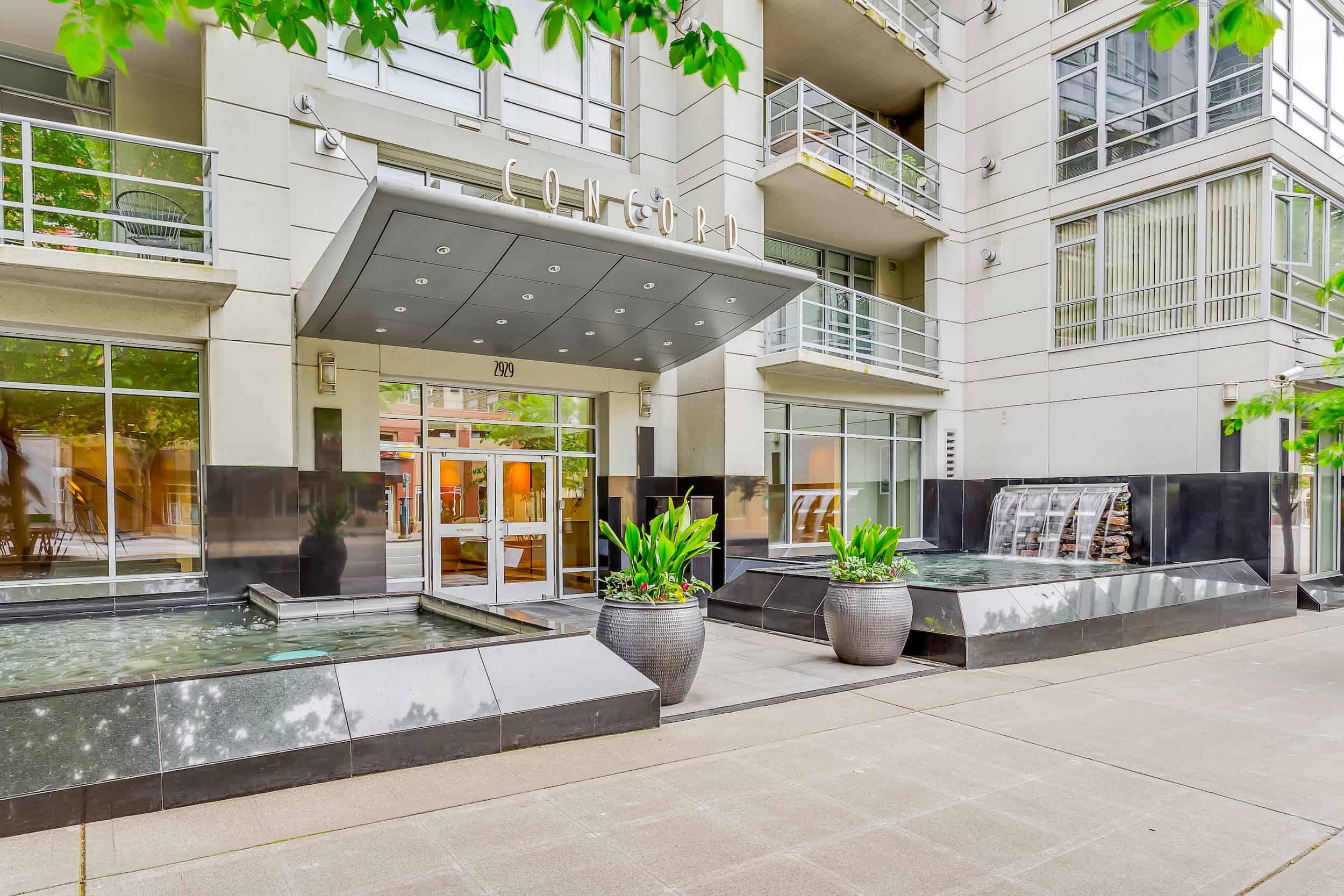
Submetering or at least good building analytics helps target efforts. In one 120-unit building, we found three apartments using triple the average hot water. A few leaks and a constantly running recirculation pump inside a single unit accounted for a surprising chunk of the gas bill. With large loads, think heat recovery. Laundry and data closets throw off heat that can preheat domestic water.
Controls and data: equipment does what it is told
Modern gear is efficient out of the box only if controls match the building. Outdoor reset curves for boilers, compressor staging for heat pumps, night setbacks that make sense for your envelope, and humidity controls that consider shoulder seasons all affect bills. On a high-performance envelope, aggressive setbacks often backfire. The system must work hard to recover each morning, and comfort suffers. Gentle setbacks, or steady setpoints with modulation, tend to win.
I like to measure. Smart meters, circuit-level monitors, and temporary data loggers reveal whether a new heat pump is underperforming or whether a teenager’s gaming rig is the real load. Commissioning is not a luxury. It is how you confirm that you got what you paid for.
Property maintenance protects the investment
Efficiency is a living condition, not a one-time purchase. Filters clog, refrigerant charge drifts, and weather seals compress. A Property maintenance plan aligned with your efficiency upgrades keeps savings locked in. Quarterly filter changes, annual coil cleaning, checking duct static pressure after any renovation, and verifying heat pump defrost cycles all matter. For hydronic systems, bleed radiators, verify expansion tank pressure, and test safety valves. For ERV or HRV units, clean or replace cores and filters seasonally.
Small things go far. Door sweeps wear out. Attic hatches lose their seals. Caulk joints at siding and trim open up over years of sun. A half day a year with a caulk gun, weatherstrip kit, and a patient eye often preserves as much energy as a big-ticket upgrade.
Costs, incentives, and how to weigh returns
Owners ask what pays back. The honest answer depends on climate, utility rates, and the starting condition. In broad ranges:
- Attic air sealing and insulation often recoup within two to five years. Duct sealing in exposed spaces pays back in one to three years. Heat pump conversions vary. If displacing electric resistance, payback can be three to six years. If displacing cheap gas, longer, but comfort and cooling benefits still argue strongly. Window replacement tends to be a comfort and maintenance decision, with energy paybacks often beyond ten years unless starting from very poor units.
Incentives tilt the math. Utility rebates for heat pumps, heat pump water heaters, smart thermostats, and insulation are common. Federal credits can cover 10 to 30 percent of qualified costs up to caps. For Multi-Family, whole-building performance incentives can be substantial if you model and verify results. An Investment Advisory lens looks at internal rate of return, cap rate impact, and risk. Lower utility spend lifts net operating income, which multiplies into value. In a 40-unit building I advised, a $280,000 envelope and mechanical package cut annual expenses by $52,000. At a 5.5 percent cap rate, that translated to nearly $945,000 in value, aside from happier tenants and fewer complaints.
Sequencing: the order of work matters
- Diagnose with data, site inspection, blower door, and infrared. Know your leaks and loads before you buy equipment Seal and insulate the envelope, then retest. Lock in the reduced load so you can size systems correctly Fix distribution, including ducts and hydronics. Improve airflow, balance, and leakage before new equipment Select right-sized mechanicals, set up smart controls, and commission thoroughly with measured performance Finish with lighting, appliances, and solar readiness, then establish a Maintenance schedule to preserve gains
This sequence avoids paying twice. I have watched owners replace a furnace, then cut their heating load in half with air sealing and insulation, and end up with a short-cycling unit that struggles to dehumidify in summer. Do the envelope work first, then buy the machine that meets the new need.
Two brief project stories
A young family bought a drafty 1950s brick Colonial. Their must-haves were comfort upstairs and a kitchen remodel. We sealed the attic plane, dense-packed empty walls, and added R-60 over the ceiling. A right-sized two-stage heat pump replaced an oversized furnace. The remodeled kitchen let us fix leaky recessed lights and add a ducted range hood. Bills dropped 38 percent year over year, but the owner mostly talks about how her daughter’s room finally feels like the rest of the house.
A Real estate developer acquired a tired, 72-unit walk-up. Gas bills ran high, and tenants complained about lukewarm water in the morning. We logged loop temperatures, found the recirculation pump running flat out, and mapped uninsulated mains in the garage. New pump controls, full pipe insulation, and balancing valves stabilized hot water delivery. A subsequent envelope push in corridors and attic spaces, plus LED retrofits, brought common area energy down by 55 percent. With utility rebates, the simple payback on the total package hit four years, and tenant satisfaction scores improved notably.
Pitfalls to avoid
Chasing gadgets while ignoring the envelope wastes money. Setting dense schedules on smart thermostats without thinking through recovery times produces comfort complaints. Window replacements that leave the rough opening unsealed invite water damage. Spraying closed-cell foam against historic brick without a hygrothermal study risks spalling. And on the operations side, letting a sophisticated heat pump system run for years without a refrigerant check or software updates slowly gives back the gains you fought for.
How a Custom home builder coordinates efficiency
In Custom Homes, you have full control from the first sketch. You can position windows to harvest winter sun and avoid summer gain, align framing to allow continuous insulation, choose mechanical rooms that make duct routes short and straight, and specify high-performance assemblies that fit budget and climate. The same thinking applies in Renovations, just with more constraints. A seasoned Custom home builder sequences trades so the air barrier is not Swiss-cheesed by electricians and plumbers, and checks the work with blower door tests at mid-construction. That one mid-course test saves headaches and rework.
When to hire specialists, and when to keep it simple
Energy modeling, hygrothermal analysis, and commissioning are worth their fees on complex projects, cold climates, or Heritage Restorations with moisture risks. For a straightforward ranch house in a mild climate, spend the money in the attic and ducts, and choose a reputable installer for the heat pump. For Multi-Family buildings, involve an engineer early. Whole-building measures tap larger incentives, but they ask for better documentation and verification.
Measuring the result and keeping it
Pre and post blower door tests quantify envelope gains. Thermography confirms insulation coverage. Smart meters let you track reductions against weather-normalized baselines. In Multi-Family, pick a handful of representative units for submetering so you can extrapolate with confidence. Share results with residents. People change behavior when they see their usage and understand why the building feels better. Quietly, this is one of the strongest retention tools you have.
The bottom line
Energy efficiency is not about a single product. It is a series of choices that respect how buildings breathe, shed water, move heat, and serve the people inside. The best projects make the envelope tight and warm, the systems balanced and right-sized, the controls sensible, and the Maintenance routine. Bills drop, comfort rises, and the building ages more gracefully. Whether you manage a Multi-Family asset with a clear Investment Advisory case to make, or you are renovating a beloved house with original trim and squeaky floors, the path to lower energy costs starts with reading the building, setting the work in the right order, and insisting on details that few visitors will ever notice. That quiet work adds up, month after month, in ways you can measure and in ways you simply feel when you come home.
Address: #20 – 8690 Barnard Street, Vancouver, BC V6P 0N3, Canada
Phone: 604-506-1229
Website: https://tjonesgroup.com/
Email: info@tjonesgroup.com
Hours:
Monday: 8:00 AM - 5:00 PM
Tuesday: 8:00 AM - 5:00 PM
Wednesday: 8:00 AM - 5:00 PM
Thursday: 8:00 AM - 5:00 PM
Friday: 8:00 AM - 5:00 PM
Saturday: Closed
Sunday: Closed
Open-location code (plus code): 6V44+P8 Vancouver, British Columbia, Canada
Map/listing URL: https://www.google.com/maps/place/T.+Jones+Group/@49.206867,-123.1467711,17z/data=!3m1!4b1!4m6!3m5!1s0x54867534d0aa8143:0x25c1633b5e770e22!8m2!3d49.206867!4d-123.1441962!16s%2Fg%2F11z3x_qghk
Embed iframe:
Socials:
https://www.instagram.com/tjonesgroup/
https://www.facebook.com/TheT.JonesGroup
https://www.houzz.com/professionals/home-builders/t-jones-group-inc-pfvwus-pf~381177860
The company also handles multi-family construction, home maintenance, and investment advisory for property owners who want a builder with both design coordination and construction experience.
With its office on Barnard Street in Vancouver, the business is positioned to support custom home and renovation projects across the city.
Public site pages emphasize clear communication, disciplined project management, and craftsmanship meant to hold long-term value rather than short-term fixes.
T. Jones Group collaborates closely with architects, interior designers, consultants, and trades from early planning through completion.
The brand presents more than four decades of family-led building experience in Vancouver’s residential market.
Homeowners planning a custom build, estate renovation, or heritage restoration can call 604-506-1229 or visit https://tjonesgroup.com/ to start a consultation.
The business also maintains a public Google listing that can be used as a map reference for the Vancouver office.
Popular Questions About T. Jones Group
What does T. Jones Group do?
T. Jones Group is a Vancouver builder focused on custom homes, renovations, and related residential construction services.
Does T. Jones Group only work on new custom homes?
No. The public services page also lists renovations, heritage restorations, multi-family projects, home maintenance, and investment advisory.
Where is T. Jones Group located?
The official contact page lists the office at #20 – 8690 Barnard Street, Vancouver, BC V6P 0N3.
Who leads T. Jones Group?
The team page identifies Cameron Jones as Principal and Managing Director, and Amanda Jones as Director of Client Experience and Brand Growth.
How does the company describe its process?
The public process page says projects begin with an initial consultation to understand the client’s vision, lifestyle, property, goals, budget, and timeline, followed by collaboration with architects and interior designers through completion.
Does T. Jones Group work on heritage restorations?
Yes. Heritage restorations are listed on the official services page as a distinct service area focused on preserving original character while improving structure, livability, and performance.
How can I contact T. Jones Group?
Call tel:+16045061229, email info@tjonesgroup.com, visit https://tjonesgroup.com/, and follow https://www.instagram.com/tjonesgroup/, https://www.facebook.com/TheT.JonesGroup, and https://www.houzz.com/professionals/home-builders/t-jones-group-inc-pfvwus-pf~381177860.
Landmarks Near Vancouver, BC
Marpole: A major south Vancouver neighbourhood and a gateway from the airport into the city. If your project is in Marpole or nearby southwest Vancouver, T. Jones Group’s Barnard Street office is close by. Landmark link
Granville high street in Marpole: A walkable commercial stretch with shops, services, and neighbourhood activity along Granville Street. If your property is near Granville, the Vancouver office is well positioned for local custom home or renovation planning. Landmark link
Oak Park: A well-known community park near Oak Street and West 59th Avenue. If you live near Oak Park, T. Jones Group is a practical Vancouver option for custom home and renovation work. Landmark link
Fraser River Park: A recognizable riverfront park with boardwalk views along the Fraser. If your project is near the Fraser corridor, the company’s south Vancouver office gives you a nearby point of contact. Landmark link
Langara Golf Course: A familiar south Vancouver landmark with strong local recognition. If your home is near Langara or south-central Vancouver, T. Jones Group is a local builder to consider for custom residential work. Landmark link
Queen Elizabeth Park: Vancouver’s highest point and a common geographic anchor for central Vancouver. If your property is around central Vancouver, the company remains well placed for city-based projects. Landmark link
VanDusen Botanical Garden: A major west-side destination near Oak Street and West 37th Avenue. If your home is near Oak Street or west-side Vancouver corridors, the office is still nearby for planning and consultations. Landmark link
Vancouver International Airport (YVR): A practical regional marker for clients coming from the south side or traveling into Vancouver for project meetings. If you are near YVR or Sea Island connections, the office is easy to place within the south Vancouver area. Landmark link