
The art of travel often feels at odds with the bottom line. Tickets, lodging, meals, activities—everything adds up, and yet the urge to explore, to breathe new air and bump into strangers with stories is irresistible. Over years of planning trips for friends, family, and clients, I’ve learned that budget travel isn’t about pinching pennies so hard you miss the point. It’s about making deliberate, informed choices that stretch your money without draining the experience. This article weaves together hard-won tactics, real-world stories, and practical plans that help you travel farther, smarter, and with less stress.
A practical mindset: travel planning as a craft Travel budgeting starts long before a suitcase is unzipped. It begins with a framework—clarity about what matters most on a given trip, and a willingness to trade some comforts for momentum. The truth is, no single strategy fits every destination. A beach escape in Southeast Asia will demand different levers than a city break in Western Europe. The goal is to assemble a toolkit you can adapt, not a one-size-fits-all rulebook.
I’ve learned this from trips that folded open like maps you can live inside. I once turned a three-week trip to multiple Latin American countries into a unified journey by treating each segment as a budget envelope: transportation, lodging, meals, and experiences. If the price rose sharply in one zone, I leaned into another, more affordable segment without scrimping on the essence of the trip. The result was a seamless experience that felt expansive rather than frugal, with room for spontaneous detours that didn’t derail the budget.
Best ways to travel with intention If you’re reading this, you likely want to see more places for less money while preserving the soul of your trip. The following ideas are tested in the field and cross-verified by travelers who chase bargains while still chasing stories. They aren’t gimmicks; they’re choices grounded in how real travel unfolds.
Choose your battles: where to splurge and where to save One of the most powerful decisions in budget travel is deciding where to allocate money for maximum impact. A late-night bus ride across a country might save you a full day’s lodging, but arriving exhausted can sap your enthusiasm for the first day on the ground. Similarly, a supremely comfortable hotel in a city full of affordable guesthouses can feel wasteful, while a modest but spotless place with a good neighborhood can be a revelation. The trick is to identify the moments that shape your experience the most.
For many travelers, the biggest returns come from lodging choices and travel routes. A comfortable bed in a safe, authentic neighborhood can transform a day’s energy. On a trip through the Balkans, I found a family-run guesthouse with a balcony overlooking a cobblestoned street. The price was half what I would pay in a hotel district, yet the https://ortiono.gumroad.com/ atmosphere and proximity to local markets made mornings feel alive rather than transactional. In contrast, a last-minute flight deal might be too stressful if it leaves you with long layovers and a foggy first day. Weigh the cost of fatigue against the dollars saved, and you’ll start to see value in places that feel lived-in rather than corporate.
Time as a currency matters as much as money Budget travel thrives on efficient time use. Every hour saved is a dollar saved, but more importantly, it’s a freedom gained—the chance to linger in a market, to notice a shopkeeper’s routine, to catch a bus that circles a neighborhood you never intended to explore. The trick is to map your days around predictable rhythms: buses that run on a reliable schedule, neighborhoods that wake up early and stay lively late, meals that fit between activities rather than interrupt them.
In a trip to Southeast Asia, I booked overnight trains to connect big-ticket destinations. It reduced lodging costs and packed travel into the quiet hours when seats were easier to secure and the scenery felt more cinematic. The trade-off was sleep—sometimes minimal and sometimes enough to feel refreshed for a morning exploration. The payoff, though, was the ability to hit more places without sacrificing the pace that makes travel feel like a living documentary rather than a slide of postcard moments.
Shop smart, but shop with the story in mind Budget travel often hinges on the right purchase at the right time. This means being strategic about when to buy, where to buy, and how to use what you buy. It’s not about chasing the lowest price for its own sake; it’s about buying what genuinely improves the trip. A few examples from the road will illustrate the point.
First, consider transport passes. In Japan, a rail pass can simplify logistics and save money if you plan multiple long-distance hops. In parts of Europe, a regional rail pass combined with a couples- or youth-discount card can unlock savings across cities and rural towns alike. The key is to forecast how many travel days will be spent on trains and buses and compare the pass price against point-to-point tickets. If you can shift a couple of journeys to slower, more scenic routes because the pass covers them, the experience often becomes richer without a proportional price increase.
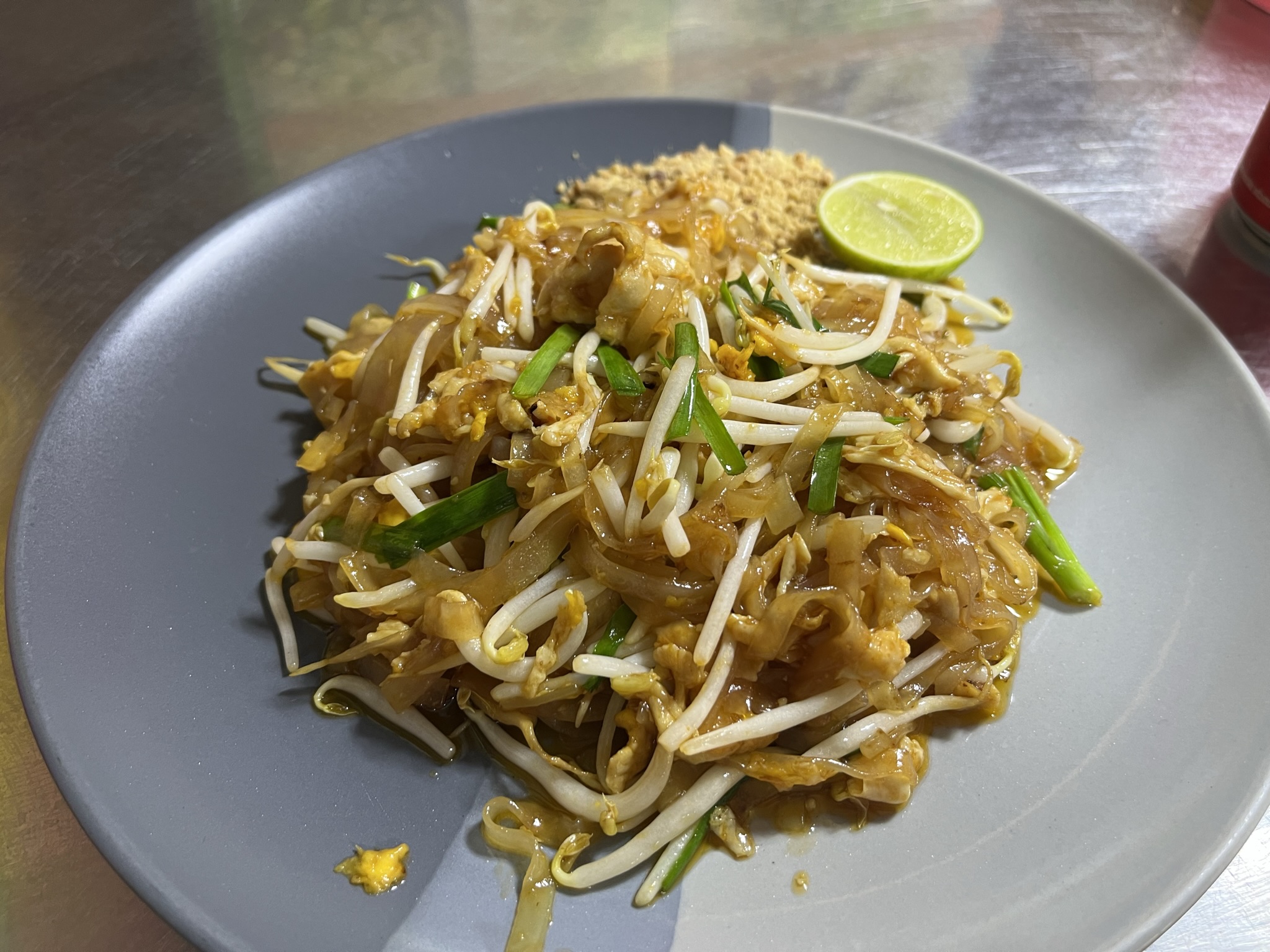
Second, meals can be both a budget line item and a cultural thermometer. I’ve learned to seek meals that are both affordable and emblematic. A modest local lunch in a small family trattoria often costs a fraction of a tourist bustle but tastes like the city’s heartbeat. Street food is not a shortcut; it’s a doorway to a place’s daily life. The best meals I’ve had have arrived when I turned a list of recommended spots into a wandering lunch, following a line of chatter, steam, and aroma rather than a map.
The power of travel communities and reputable online guides Travel online guides and communities form a vast, sometimes overwhelming, repository of knowledge. The real magic happens when you use them as a compass rather than a fixed plan. Read widely, then trust your own sense of where the trip should bend.
I rely on a handful of guiding principles. First, cross-check three independent sources for a given piece of advice or a route. If two or three sources converge on a recommendation, you’re likely standing on solid ground. Second, pay attention to the travel style behind the advice. A guide that suits a backpacker’s rough-and-ready approach might not fit a family with young children or a pace-averse traveler. Third, consider the context. A neighborhood that’s prime for sunset photography can be a magnet for crowds during certain hours. Knowing how crowd dynamics shift with time helps you steer around bottlenecks without sacrificing the moment.
Engagement, not burden, with cost-aware planning Planning a trip with a budget in mind does not mean living by a spreadsheet alone. It means giving yourself permission to be curious, to question the value of every choice, and to adjust on the fly. I’ve found success by building a modular plan: a core framework of flights, trains, and major lodging reserved early; a flexible window for local experiences; and an open-ended segment that invites spontaneous discoveries.
A practical example from a recent multi-city journey illustrates the power of this approach. I scheduled a ten-day itinerary stretching across three countries. The backbone included a fixed multi-city rail pass and a modest apartment in a central, well-connected neighborhood. Then I kept a flexible buffer for experiences I would not want to miss, like a guided food tour in a historic quarter or a sunrise hike on a nearby ridge. The result felt cohesive and generous, with enough structure to prevent missteps but enough looseness to absorb the magic that happens when you follow a compelling suggestion from a local.
Two lists to guide you through the practicalities Travelers often appreciate concise checklists that can be pulled out mid-trip for quick decisions. The following lists are designed to be used when a decision feels crowded or when you want a straightforward nudge toward a better choice. They’re not exhaustive, but they’re sharp and practical.
Checklist for smart lodging choices
Neighborhood over brand name: a true sense of place matters more than a glossy lobby. Proximity to transit: walkable access to buses or trains saves time and stress. Walkability test: seems safe and lively, even during evening hours. Transparent pricing: no hidden fees for taxes or service charges. Realistic expectations: read recent reviews and differentiate between cosmetic fixes and structural problems.Mini toolkit for budget travel essentials
A versatile travel jacket with deep pockets for local currency, cards, and transit passes. A compact daypack with a foldable umbrella and a light layer for changing weather. A reusable bottle and a small dry bag to keep snacks fresh and electronics dry. A SIM card or local eSIM plan for reliable maps and translations without roaming headaches. A digital wallet setup with a couple of backup payment methods in different currencies, plus an offline map app.Edges, cautions, and the real world Budget travel does not exist in a vacuum. It lives in airports with crowded lines, in weather that shifts plans, in festivals that raise prices and crowd capacity, in hostels with quiet hours that don’t align with your usual rhythm. The best travelers learn to anticipate these edge cases, to have a humane fallback plan, and to be willing to shift priorities when necessary.
An airport anecdote illustrates the point. On a long layover in a crowded hub, I watched a dozen travelers struggle with a poorly timed check-in system. The same hour, a group of locals eased through a short, efficient security line that had been updated last month. The difference was not luck; it was knowledge—knowing which counters open early, which lines move quickly, and where to seek help when the process feels unduly tedious. It reminded me that even on travel days, the smallest preparedness pays dividends later.
Edge cases often become the most memorable parts of a trip. A misbooked ticket may force a detour that introduces you to a hidden neighborhood with a coffee shop that becomes your anchor for the next three days. A sudden rainstorm can turn a planned outdoor market into a lively indoor bazaar where you meet a craftsman who crafts pieces you cherish later as souvenirs. The point is not to chase risk for its own sake, but to acknowledge that risk is a constant companion and that a flexible, curious mind is the best insurance against it.
The value of a long horizon Budget hacks are not about squeezing every cent in a single trip. They are about building a set of habits that compound over time. When you travel with a long horizon in mind, you start to see patterns: neighborhoods that consistently deliver value, seasonal price cycles, and transportation schedules that allow you to stretch funds across a longer period. With this perspective, you begin to treat travel as a sustainable practice rather than as a series of one-off purchases.
I have found that a patient, strategic approach to travel pays off in two key ways. First, you avoid the stress that comes with tight, last-minute bookings and overpacked itineraries. Second, you end up with more meaningful experiences because you are not forced to squeeze everything into a rushed window. In many respects, budget travel is about the opposite of luck. It’s about smart preparation, deliberate choices, and a willingness to let the story unfold at its own pace.
Guides for planning travel that endure If you plan with durability in mind, your trips accumulate value like a well-tended library. You gain not only the current trip but also a catalog of experiences you can reuse later. Your favorite guides to travelling become less about prescriptive itineraries and more about adaptable methodologies: verify, compare, decide, and adjust.
The travel planning process starts with a clear definition of priorities. What do you want to experience more of? Do you crave food markets, architectural wonders, quiet beaches, or a mix of all three? With priorities in hand, you can assemble a small set of reliable sources that reflect your preferences. A handful of online guides can provide maps, neighborhood histories, and practical tips, but your own notes from each trip are what transform a good plan into a trustworthy resource for the future.
From planning to living the plan A good trip is rarely a straight line. It is a path you carve as you go, a sequence of decisions made with a sense of direction but with room to improvise. The best planners carry this mindset: a calendar that leaves a couple of open slots for spontaneous discoveries, a budget that allows for unplanned delights, and a mindset that travel is more about people than places. The most vivid memories I carry from the road are conversations in a tiny bakery at dawn, a late-night ferry that cuts through a foggy sea, and the quiet moment when a sunset paints the city in shades you did not expect to see.
If you want a practical way to begin, here is a method I have used successfully for years. First, outline the trip with three non-negotiables: a major transit leg, a neighborhood that feels alive, and one unique experience that cannot be simulated with a guidebook. Second, estimate a daily budget that covers lodging, food, transport, and activities with a 20 percent cushion for emergencies or a special moment. Third, identify two buffers—one for a planned upgrade or a special meal, and one for an unplanned detour you might want to pursue if it arises. Finally, after you arrive, keep a simple log for the first four days, noting what worked, what didn’t, and where you feel your energy returning.
Stories that emerge from shared travel wisdom There is something almost communal about sharing tips and travel ideas. It’s a form of mentorship that travels as freely as the traveler. I remember a late-evening conversation with a local guide in Lisbon, who explained how the city’s tram 28 runs with a rhythm rooted in the neighborhood’s social fabric. He spoke not just as a guide, but as someone who knew the city’s pulse. His insight helped me time a day better, to start early when crowds would be heavy and to linger during late afternoon light when the city glowed with a mellow warmth. It is not enough to know the route; it is essential to understand the tempo of a place.
That same principle applies to travel online guides. They should inform without dictating. Use them to verify practicalities such as opening hours, entry fees, and access to public spaces, but let your own experience fill in the gaps. The best guides invite you to see a place through different lenses—a market run by grandmothers who know every stall’s secret, a museum that preserves a neighborhood’s memory, a park where locals exercise at dawn and drift into conversation with passersby. It is this layering of perspectives that creates a travel story you can tell with honesty and pride.
A note on information quality and staying anchored The information economy around travel moves quickly. Prices rise and fall, and local conditions shift with seasons and policy changes. The responsibility on the traveler is to stay anchored to reality: question hyperbolic promises, cross-check numbers, and maintain flexibility. If a deal sounds too good to be true, it often is, and the best hedge is to compare with recent, reputable sources.
In practice, this means setting aside time before a trip for a careful check on major expenditures, then letting the rest of the journey evolve. You should also embrace a pragmatic mindset about comfort. The difference between a luxury upgrade and a medium upgrade is rarely worth widening the budget to a breaking point, but a carefully chosen upgrade in lodging or transport can unlock a more enjoyable time that you will remember for years. The trick is to calibrate comfort against momentum and to know when to push and when to pull back.
The road ahead: practice, patience, and persistence Budget hacks are not a one-off trick; they are a lifelong discipline. With each trip, you refine your sense of value, learn to ask better questions, and grow more confident in your ability to turn a modest budget into a meaningful, expansive travel experience. The more you travel, the more you learn which compromises you can live with and which ones you would rather avoid for the sake of a genuine moment that becomes a shared memory.
In the end, the most enduring advice is straightforward. Travel with intention, listen to places and people, approprately pace your days, and treat budget as a tool rather than a constraint. The result is not merely cheaper travel; it is travel that feels expansive, humane, and deeply yours. When you approach planning this way, the journey itself becomes a guide, teaching you how to see value in places you might otherwise overlook and how to hold onto the feeling of discovery even after lines of budget and schedule have faded from memory.
A closing reflection on sharing tips and ideas To those who contribute ideas and share tactics, thank you. Your practical notes, your missteps turned into lessons, and your willingness to describe real numbers—how much a night in a certain city costs, how much a city pass saves you in a week—these are the currency of better travel for everyone. When you articulate the specifics—the exact neighborhood you stayed in, the quiet café where you slowed down, the bus route that dropped you off at a market bursting with color—you create a map that others can follow, adapt, and improve upon. The shared wisdom does not diminish with use; it expands.
From my desk to the road, may your next trip feel abundant, grounded, and alive. May your budget work in harmony with your curiosity, and may your plans always leave room for the moments you cannot predict but will remember forever. Travel is not merely a series of savings achieved; it is a series of experiences earned. And the more you invest in the craft of planning with care, the more generous the road becomes.