
If you’ve lived in Kansas City long enough, you learn a few patterns. The summers can be humid enough to feel like the air is sticking to your skin, then a week later the storms roll through and everything smells like wet concrete. Your air conditioner has to handle all of that. And one of the most common trouble spots, especially during stretches of high humidity, is the drain line.
Most homeowners think the “clog” issue sounds like a plumbing problem, but it’s really an HVAC problem that shows up as water. When an AC drain line clogs, the system can’t move condensation away from the indoor coil. That trapped water can overflow into areas it shouldn’t be, create musty smells, shorten equipment life, and trigger shutdowns. The good news is that with solid AC maintenance in Kansas City, you can prevent most drain line clogs before they become an emergency.
Below is what I look for in HVAC service calls across the Kansas City metro, how drain line clogs happen in real homes, and what HVAC contractors typically do to keep things flowing.
Why your AC drain line matters more in Kansas City than you’d expect
An air conditioner cools by pulling moisture out of the air as it passes over the indoor evaporator coil. That moisture turns into condensation, which then has to drain away. The drain line is the path that water takes once it leaves the coil.
In a drier climate, a slow drain might not be noticed immediately. In Kansas City, the humidity can be high for long stretches, especially in spring and summer. The coil gets more condensation, so the drain line moves more water. More water means more chances for something to grab hold: slime, biofilm, algae-like growth, or debris that slowly builds up over time.
Here’s a detail that surprises a lot of people: a drain line doesn’t usually clog all at once. It tends to worsen gradually. You might first see a slightly reduced cooling performance, a recurring “wet” smell when the system kicks on, or a faint gurgling sound near the furnace or air handler. Then one hot afternoon after a long run, the drain line can’t keep up, and water shows up where it shouldn’t.
I’ve opened more than a few air handler cabinets where the insulation around the line was damp, and you could tell it had been happening for weeks, not hours. The homeowner noticed the musty odor first, then the water. That timeline is common when maintenance is skipped and biofilm gets a head start.
How drain clogs actually form, from the inside out
A clogged drain line is rarely a single “plug.” It’s usually a combination of factors that encourage buildup.
When moisture sits in a drain pan and the drain line, it creates the kind of wet, nutrient-rich environment where slime thrives. Even if the water is clear when it starts moving, the inside surfaces can become coated. Over time, that coating grows thicker and starts catching more debris. Dust, lint, and tiny bits of organic material that drift through the air handler can add to the problem.
Kansas City homes also vary a lot. Some have older ductwork or imperfect drainage slope. Some have drain lines that run longer distances, include more elbows, or use tubing that’s more prone to partial restriction. A slight restriction might still drain enough on mild days, but on humid days, the system produces more condensation, and the same restriction suddenly becomes a real clog.
Then there’s the “secondary issue” that I see after a clog starts developing. When the drain line cannot evacuate water fast enough, the system can trip a safety. Many air handlers use an overflow switch or condensate safety device to stop the equipment if water rises too high. You’ll often see symptoms like the AC running for a while and then shutting down, or the thermostat refusing to call cooling again until the equipment resets. Homeowners interpret it as “the unit is failing,” but the trigger is often drainage.
Signs you have a drain line problem before it becomes water damage
You can catch this before you get a ceiling stain or soaked insulation. The trick is knowing what to watch and not dismissing early warnings as “just humidity.”
In my experience, drain line clogs show up in a few repeatable ways:
- A musty or sour odor that appears after the AC has been running for a while Slow draining, gurgling sounds, or bubbling near the indoor unit Water in or around the drain pan, even if it’s “only a little” Frequent shutdowns related to condensate safety switches Unusually high humidity indoors that doesn’t match the feel of the weather
That odor is often the earliest clue. Slime and biofilm can create a smell that feels like a damp basement, even if there’s no visible leak. It’s not always obvious until you’ve lived with the smell long enough to recognize it as “not normal.”
If you have any of these symptoms, it’s worth calling for inspection. AC repair in Kansas City MO often begins with drainage because it’s the simplest place for moisture to get trapped and do damage.
The real consequences of ignoring a clogged drain line
A drain clog can turn into a bigger problem than homeowners expect, partly because condensation can interact with the air handler in ways that are easy to miss.
First, the coil stays wetter than it should. When the coil runs in a constantly damp state, it can attract more buildup, and the system has to work harder. That can lead to reduced comfort, higher energy use, and in some cases, premature wear on components.
Second, water can migrate. Even if the drain line seems “mostly okay,” partial clogs allow water to sit in the pan longer than normal. That increases the chance of overflow, and overflow doesn’t always look dramatic. Sometimes you get damp insulation around the blower section, sometimes you see water trails in the cabinet. Over time, that moisture can contribute to corrosion and mold growth.
Third, the condensate overflow switch can do its job, which is good and also frustrating. It protects the equipment and prevents a full overflow. But when the switch trips often, the homeowner experiences it as repeated cooling failures. A technician might see a “drain issue” first, then address the sensor and line afterward, because leaving the line restricted means the shutdown will keep coming back.
The cost of letting it slide is usually higher than the cost of prevention. You can spend more later on diagnostic time, emergency calls, and repairs to components affected by moisture.
How often should you service drain lines in Kansas City?
The simplest answer is that drain lines should be checked as part of regular AC maintenance, and more frequently if you notice early symptoms or your system operates a lot in peak humidity.
Many homes benefit from seasonal service before the hottest months. Kansas City summers can put heavy demand on the system, and a clogged drain line often becomes noticeable mid-summer. If you have a system that runs longer cycles, deals with high humidity, or is in an older home with longer drain runs, paying attention earlier is smart.
If you already suspect a slow drain, you don’t have to wait for “the next season.” A professional HVAC contractor in Kansas City MO can inspect the system, confirm whether the line is partially restricted, check the drain pan and overflow safety switch, and address biofilm buildup. That’s not just a “clean it and hope” task. It’s about identifying the cause and making sure the system drains properly under real operating conditions.
What a good inspection looks like (and what to ask for)
A drain line inspection isn’t just “pour some cleaner in.” That approach can mask the issue for a short time while the root cause remains. If the line is partially clogged, you want someone to confirm flow and check the surrounding components that influence drainage.
When I service homes, I look beyond the visible pipe. I check where the drain line starts at the condensate pan and how it runs to the termination point. I also pay attention to the indoor coil condition, because heavy dirt on a coil can increase condensation problems or change how the system performs.
A legitimate inspection also addresses the overflow safety device. If that switch is tripping, you want to verify the water level it detects and confirm that the drain line can keep up during a typical cooling call. It’s not enough to clear a clog. The system has to remain dependable during normal use.
If you’re scheduling HVAC repair in Kansas City MO or routine maintenance, it’s reasonable to ask whether the technician will inspect the condensate drain path, verify proper drainage and safety operation, and check for signs of moisture accumulation inside the air handler. Those questions usually lead to a better visit.
Practical prevention you can do between service visits
Maintenance is a two-part effort. Professionals handle the internal checks and cleanouts. Homeowners can help by reducing the conditions that lead to buildup and by catching early warnings.
The biggest daily factor is airflow. When a filter is dirty, airflow drops. Reduced airflow can cause the coil to operate differently, and that can contribute to condensation problems. It can also cause more dust to cycle through the system. Better airflow means fewer contaminants moving through the drain pan area indirectly.
You can also reduce strain during high humidity. Running the system with correct thermostat settings and avoiding oversized cooling swings helps it dehumidify more consistently. When the AC short cycles, moisture removal often suffers. That can lead to more water being produced, more time sitting in the pan, and more buildup.
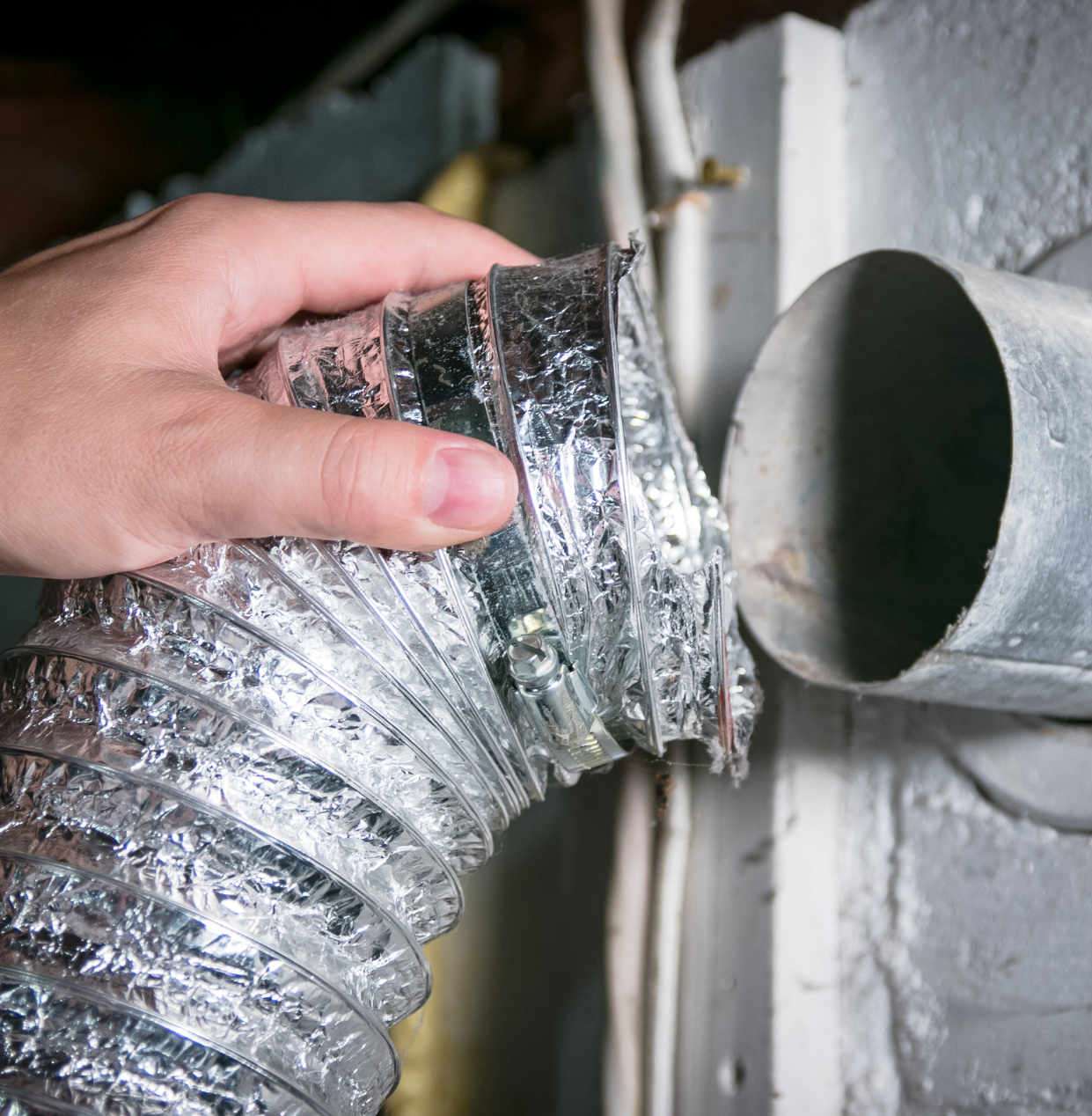
If you want a simple, homeowner-friendly checklist, here’s what I recommend watching. It’s not meant to replace service, it’s meant to keep you from missing the pattern:
- Check the filter monthly during peak season and replace on schedule Listen for gurgling or bubbling sounds when cooling starts Smell for damp or musty odors after several hours of AC operation Watch the drain area for any signs of water or staining on nearby surfaces Confirm your condensate overflow device is not actively tripping (if your system alerts you)
If you catch a sign early, the fix is usually straightforward. Once water damage and heavy biofilm buildup happen, the job becomes more involved.
Common causes of drain line clogs in typical Kansas City homes
Not all clogs come from the same root problem. Here are a few categories I see frequently, along with why they matter.
Older installations sometimes have drain lines that slope improperly or include sections that trap water. Even if the line drains “okay” during mild runs, the trapped moisture becomes a growth environment. Tiny buildup reduces flow further each season, and eventually the system overloads that reduced capacity.
Another common cause is a dirty evaporator coil paired with restricted airflow. If the coil is dirty, the system can produce more condensation than expected and distribute it differently across the coil surface. That changes how quickly the pan collects water and can overwhelm a drain line that might otherwise handle normal flow.
Then there’s the myth that pouring anything down the drain line fixes the issue permanently. Chemicals can sometimes help loosen organic buildup, but without verifying flow and removing the coating, you might only delay the clog. If your drain line is partially restricted, the water can still accumulate enough to trigger odors and safety trips.
Finally, some drain terminations are poor. If the drain line ends in a location that allows backflow or if the termination doesn’t discharge cleanly, water can stagnate. Stagnant water is where problems start.
What a professional fix usually involves
When a technician clears a drain line, the goal is not just to get water moving briefly. The goal is to restore reliable drainage during real cooling loads. That means the technician typically combines cleaning with verification.
Here’s a short list of the kinds of steps you might see during a serious drain line service. Different systems need different approaches, so not every home gets every step.
- Inspect the drain pan and indoor coil area for moisture buildup Confirm condensate flow and check for partial clogs in the line Clean the line using methods suited to the system type and buildup level Test or verify the overflow safety switch operation Check related components like the air handler setup and drain slope
Sometimes, if the line is older or has recurring buildup, the technician will suggest changes to reduce future recurrence. The trade-off is that not every “upgrade” makes sense in every home. A simple cleaning and a better maintenance schedule might be enough. Other times, addressing slope or replacing a problematic section prevents repeat calls the next season.
That’s one reason you want an HVAC contractor who takes troubleshooting seriously instead of treating every case like the same job.
How AC system behavior can contribute to drainage problems
A drain line clog is often treated as an isolated plumbing issue, but system behavior matters a lot.
If your AC is oversized, it can cool the air quickly and shut off before it has time to remove moisture efficiently. That can leave humidity higher indoors, which increases condensation production when the unit does run. The drain line still has to manage moisture, but the moisture conditions in the pan can become more unpredictable.
If your system is undersized, it runs longer cycles. Longer cycles generally produce more total condensation, which means the drain line has more volume to handle. That’s not inherently bad, but if the line has any restriction or buildup, longer run time exposes the weakness.
If the system is short cycling due to thermostat issues, refrigerant problems, or airflow problems, it can create a frustrating loop. Water might accumulate faster than it drains during each cycle. Then the line never fully clears between runs, so buildup accelerates.
A competent maintenance visit usually reviews system conditions that influence moisture. That is where AC maintenance in Kansas City becomes more than “clean something.” It’s about comfort and reliability together.
The Kansas City seasonal schedule that tends to work
In practice, the best time to prevent drain line issues is before heavy humidity hits. The second best time is any time you notice warning signs.
A good approach for many homeowners is to plan maintenance in late spring or early summer, before long, humid runs become the norm. That timing lines up with when biofilm starts thickening and when temperature swings and storms can increase humidity and system workload.
If you already had drain line problems last year, it’s smart to treat this season differently. Make sure the drain line gets inspected, not just the general system check. Many homeowners only think about the drain line when water shows up. Preventing repeat problems often requires a slightly more targeted service visit.
If you’re trying to decide between one general tune-up and a more focused drainage inspection, I’d choose the focused route if you’ve ever smelled damp air, seen a “clean but wet” pan area, or dealt with repeated shutdowns due to condensate safety.
When you should act immediately
Most drainage issues are preventable, but sometimes the system gives you a clear warning that you shouldn’t ignore.
If your AC is shutting down repeatedly during cooling and the indoor air handler is making unusual noises, don’t assume it will “burn off.” If you smell strong odors that feel like mildew, and they show up soon after the system starts, that HVAC contractor in Kansas City MO often points to active buildup and trapped moisture.
Also, if you see water around the air handler, on nearby sheet metal, or dripping from an area you wouldn’t normally see it, treat it as urgent. Water can travel, and the longer it sits, the more damage it can cause.
In those situations, AC repair in Kansas City MO should include drainage inspection as a core part of the diagnosis, not an afterthought.
A quick story from the field: the “minor” odor that wasn’t minor
A few summers back, a homeowner called because the air smelled “off” whenever the AC ran. The thermostat kept working. Cooling seemed okay for the first hour, then the smell became more noticeable. No visible leaks. No obvious puddles.
When the air handler cover came off, the drain pan looked damp all the way around. The drain line was partially restricted, and the overflow switch had likely been doing its job by keeping water from rising too high. The homeowner had simply never seen the safety action, because the system was shutting down and restarting in a way that felt like normal cycling.
We cleared the line, addressed buildup in the drain pan area, and checked the safety device operation. After the fix, the odor disappeared within a day. That case is a good reminder: drainage problems often start as comfort issues, then become equipment issues.
If you had waited for water damage, the job would have involved more cleanup and more uncertainty.
How to choose the right HVAC contractor for drainage issues
Drain line service is one of those topics where the quality of the diagnosis matters as much as the cleaning.
Look for an HVAC contractor in Kansas City MO that takes time to inspect, explains what they found in plain language, and verifies the system is draining properly under cooling operation. A tech who can’t explain whether the line was restricted or how they confirmed flow is less reliable, even if they get the system running again for the day.
Ask questions. If you’re dealing with a recurring issue, ask what changed since the last service. If the drain line clogged once and it’s already happening again, you need an answer that addresses the pattern, not just the symptom.
Quality HVAC repair in Kansas City MO often comes down to whether the contractor understands moisture dynamics and safety devices, not whether they can pour a treatment and walk away.
Keeping your AC reliable year after year
Preventing drain line clogs comes down to three practical things: correct airflow, routine maintenance, and early attention to warning signs. Kansas City humidity makes neglect more expensive, but it also makes prevention easier because the patterns show up clearly if you know what to look for.
A well-maintained system dehumidifies more consistently, drains smoothly, and runs without the safety trips that interrupt comfort. When you build maintenance around those goals, the drain line stays a quiet part of the system, doing its job without drama.
If you want a straightforward next step, schedule AC maintenance in Kansas City with a contractor who includes condensate drain inspection and who will verify drainage and safety operation. If you already have symptoms, treat them as a drainage diagnosis, not a “wait and see.” That mindset saves time, protects your home, and keeps your cooling season from turning into a string of preventable problems.
All 4 One Heating & Cooling
5828 Woodland Ave, Kansas City, MO 64110, United States
816-699-8366
all4onehvac@gmail.com
Website: https://all4onekc.com/