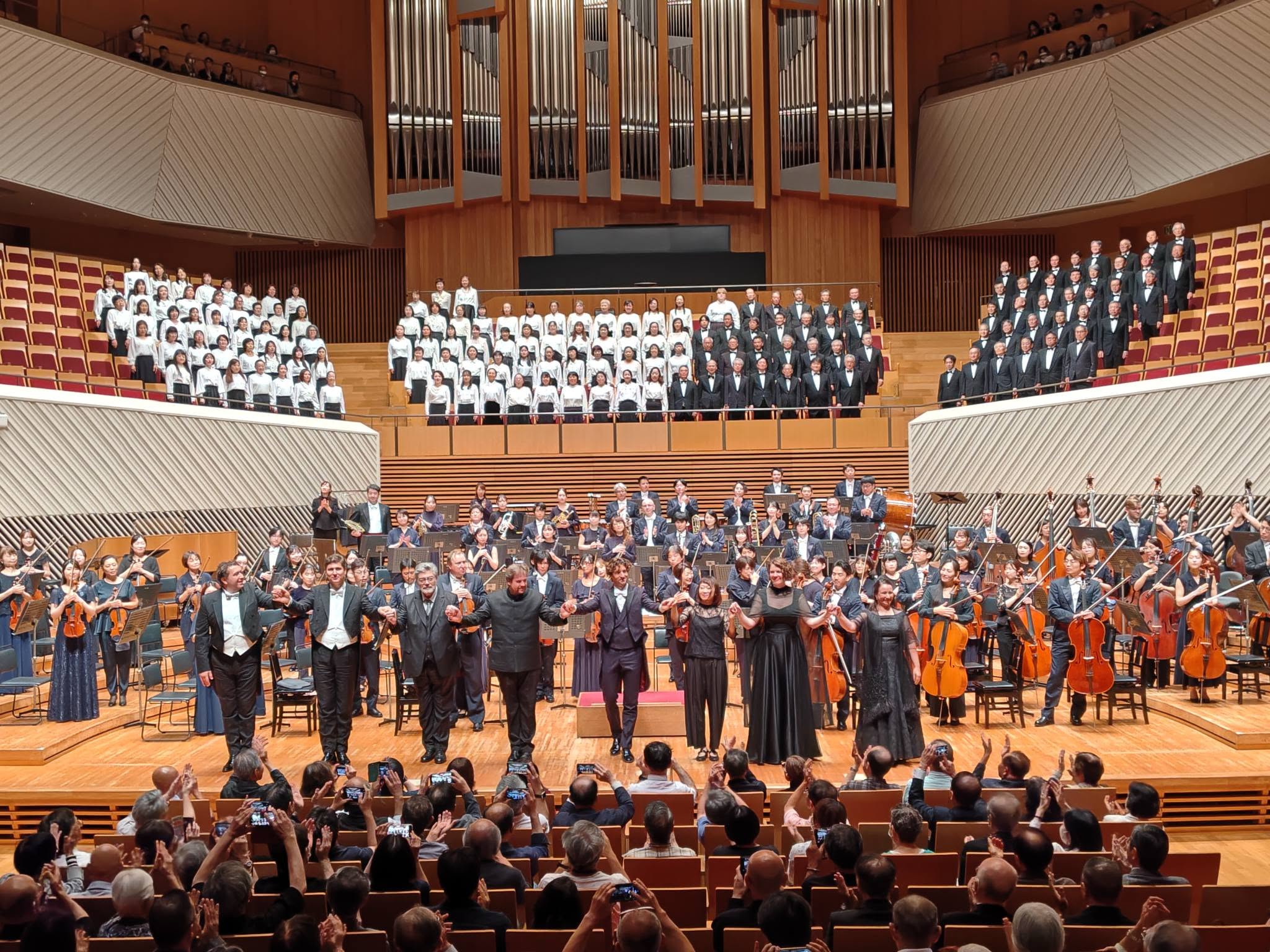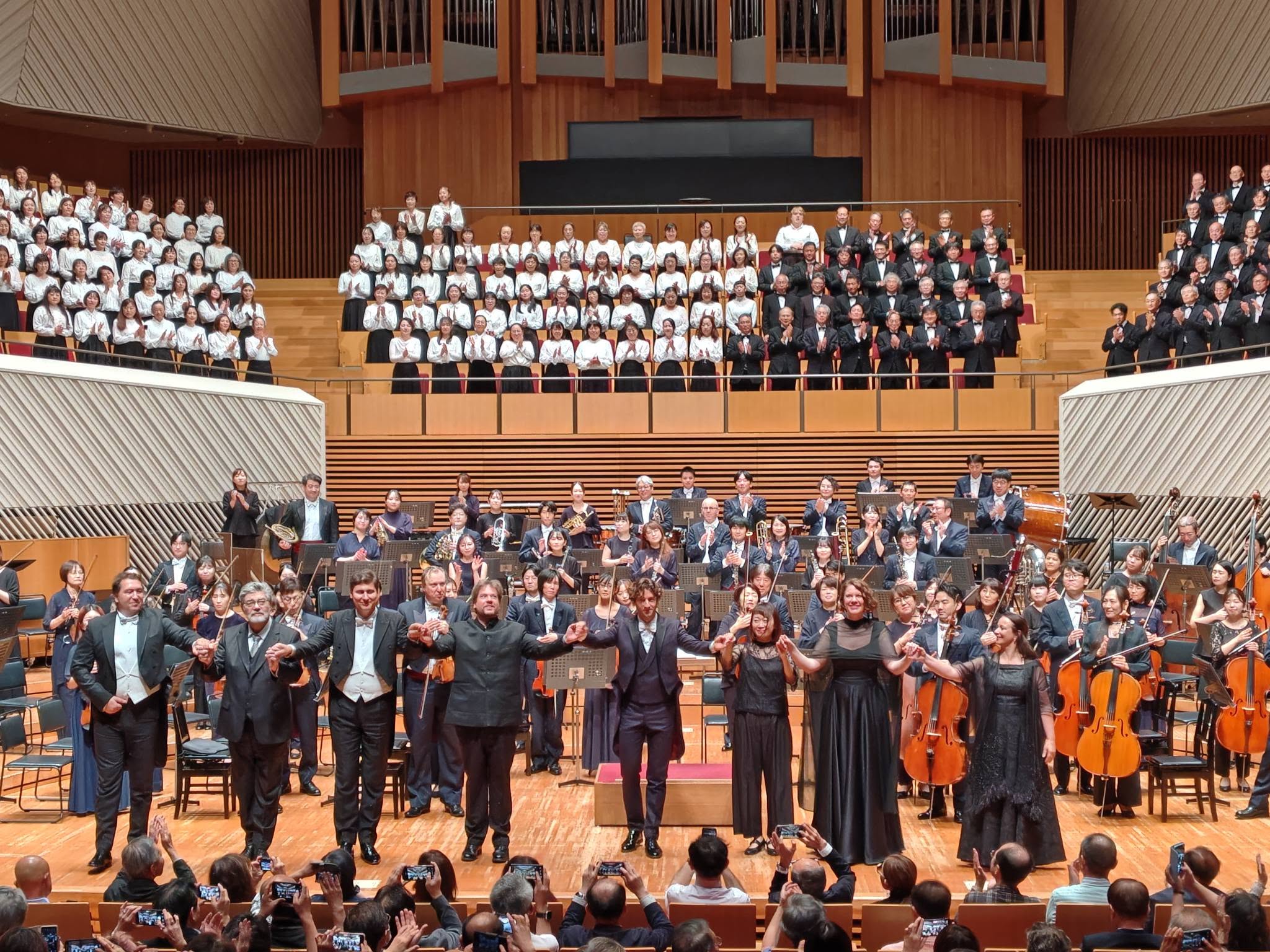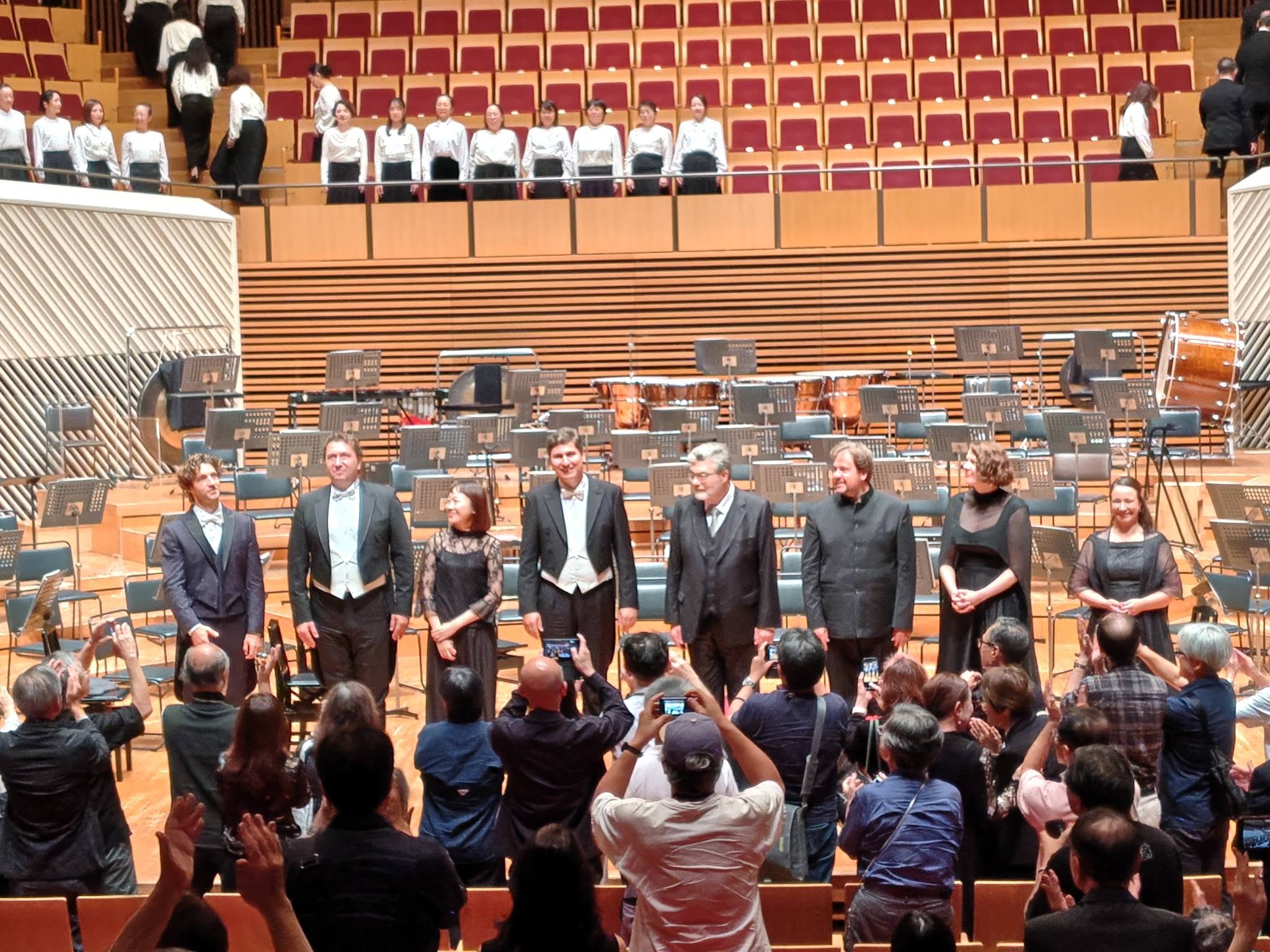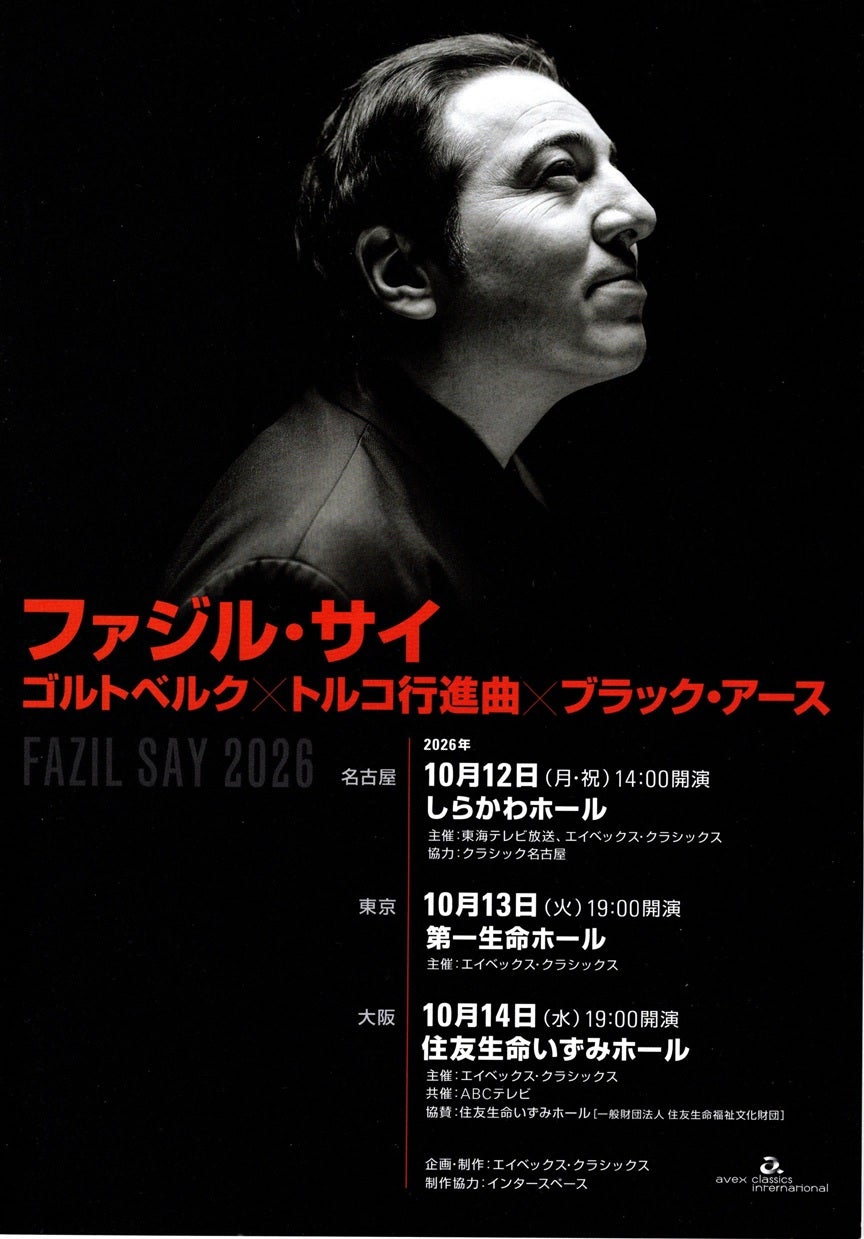
(10月13日・第一生命ホール)
ファジル・サイの生演奏を初めて聴いた。ピアニストとして素晴らしいことをまず認識させられた。音色の美しさ、混じり気のなさ、純粋な音にまず魅了された。強音の濁りのなさ。高音も本当に美しい。圧倒的な技術に裏打ちされた安定感のあるピアノは、どのような表現にも柔軟に対応する。言わば、重心が安定した船のようなもので、どんなに激しい嵐の中にあっても、中心は揺るがず、余裕の中で演奏が展開されていく。聴き手としては、安心して演奏に浸ることができる。
それは最後の自作曲を弾いていく場面でも同様であり、ピアノの弦を押しながら特殊な音を出すような場面でも、音それ自体が美しく、現代音楽の不協和音のとげとげしさはない点が素晴らしかった。
前半はバッハの「ゴルトベルク変奏曲」。演奏時間は50分強と短い。全体的にテンポは速い。しかし1本の軸がしっかりとあり、どれほど動いても、緩急の差、ダイナミックの差をつけようとも、音楽の芯は揺らがない。自由であり、同時に安定感がある。
聴いていても楽しく飽きさせない。
アリア サラバンド風の優雅な音楽だが、先に書いたように音色の美しさに魅了された。装飾音が瑞々しい。
第1変奏 二声のインヴェンション。跳躍する低音がダイナミック。高声部の軽やかなこと。
第2変奏 三声のインヴェンション。速いテンポ。躍動する低音。
第3変奏 同度のカノン。同じ高さで旋律を追いかける、最初のカノン。これは音色が明快であった。
第4変奏 パスピエ風の舞曲。四声の模倣が生む、素朴で活発な音楽。予想以上にダイナミック。
第5変奏 急速なトッカータ風。細かな音型と、両手の交差・跳躍が特徴。この両手の動きが圧巻。アクロバティックであるが、余裕綽々。両手が交差していないように思えたが。
第6変奏 二度のカノン。追唱声部が二度上から入り、軽快に絡み合う。アグレッシブな演奏だった。
第7変奏 ジーグ。付点リズムが弾む、軽やかな舞曲だが、付点リズムと巻き込むような装飾音が鋭い。
第8変奏 技巧的な二声の変奏。広い音域を行き交う両手の動きは、まったく危なげがない。交差しているようにも見えず、音を左右の手に振り分けて弾いていたのかもしれない。
第9変奏 三度のカノン。穏やかな流れの中で、声部が整然と重なる。滴るような美音。
第10変奏 四声のフゲッタ。短い主題が各声部に現れる、小規模なフーガ。切れ味のいい演奏。左手でリズムをとる仕草がグールドのようであった。
第11変奏 ジーグ風の技巧的変奏。音階と分散和音が軽やかに流れ、楽しげである。両手の交差が多い変奏だが、サイの手元にはそれがほとんど見えない。第5変奏と第8変奏でも同様に感じた。サイ自身、ルツェルン交響楽団の広報誌のインタビューで、第5変奏と第11変奏を挙げ、二段鍵盤のチェンバロでは生じない交差の問題がピアノでは起こると説明し、「演奏可能にするために、各演奏者が独自の解決法を見つけなければならない」と語っている。音を左右の手に巧みに振り分けているのだろうか。
第12変奏 四度の反行カノン。追唱声部が旋律の上下を反転させて応答する。サイのピアノは自然で自由である。堂々とした曲だが、サイの演奏にかかると重々しく感じられない。
第13変奏 緩やかなアリオーソ風。二声の伴奏の上に、装飾豊かな旋律が歌われる。
アンジェラ・ヒューイットは『最も崇高な曲。作品全体の情感の転換点を示している』と語ったが、サイの演奏は軽やかで、楽しげである。音色は瑞々しく美しい。
第14変奏 華やかなトッカータ風。鋭い装飾音と大きな跳躍が際立つ。鋭い装飾音のきれいなこと!グルーブ感があり、こうした乗りの良さはサイならでは。
第15変奏 五度の反行カノン。最初のト短調の変奏で、内省的な表情を持つ。ここにきて初めてテンポを落としたように感じられた。それまで前面にでてこなかった威厳のような雰囲気も醸し出された。手の動きや表情にも、何かを訴えるような仕草を見せた。
第16変奏 フランス風序曲。堂々とした付点リズムの序奏に、活発なフーガ風の部分が続く。後半の幕開けを告げる。華やかな演奏であった。
第17変奏 軽快なトッカータ風。音階や分散和音が、両手の間を駆け巡る。ここでも交差する両手の動きは見えない。鮮やかな速さ。
第18変奏 六度のカノン。密接な模倣による、活発な対位法的音楽。明るい演奏。
第19変奏 三声の舞曲風。短い音型が声部を移り、軽やかな流れを作る。愉悦が溢れた。
第20変奏 華やかな技巧的変奏。急速な音型と両手の交差が連続する。完璧なテクニック!唖然とする。
第21変奏 七度のカノン。ト短調。半音階的な動きを伴い、憂愁を帯びる。再びト短調の哀愁。パセティックな演奏で、柔らかく悲しみの感情を打ち出していく。
第22変奏 アラ・ブレーヴェ。四声による、端正で古風な対位法的音楽。ヒューイットは『いつも生まれ変わったような気持ちになる』と言うが、そうした感情はわかず、推進力を感じた。
第23変奏 技巧的な二声の変奏。両手が短い音型を応酬し、音階の動きへと展開する。サイの遊び心が発揮された軽やかな動き。ここでは両手をやすやすと交差させた。
第24変奏 八度のカノン。複合拍子の揺れるリズムが、牧歌的な雰囲気を生む。きれいな音に陶然となった。
第25変奏 アダージョ。ト短調。半音階と不協和音を多用する、深い悲哀を湛えた緩徐変奏。ヒューイットは『全変奏中で最も偉大な曲』と言うが、サイはテンポをあまり遅くせず、淡々と弾いた。7、8分かかることもある曲だが、サイは5分くらいの演奏だった。
第26変奏 急速な技巧的変奏。細かな音型とサラバンド風のリズムが重なる。急なテンポの変化がピアニストには難しいはずだが、サイは楽々と弾く。圧巻のテクニックだ。
第27変奏 九度のカノン。最後のカノンで、独立した伴奏低音を持たない二声の音楽。
二つの声部が追いかけっこしていくが、サイはいたずらっ子たちが戯れるように軽やかに弾いた。
第28変奏 トリルを中心とする技巧的変奏。持続する震える響きに、細かな音型が絡む。明晰な良い音が必要とされる曲だが、サイのトリルはまるで鈴が響くように美しい。躍動するピアノ。
第29変奏 力強いトッカータ風。厚い和音と急速な走句が交替し、終結へ向けた高揚を作る。快速演奏。両手の交差も楽々と弾く。
第30変奏 クォドリベット。二つの俗謡を対位法的に組み合わせた、大らかでユーモラスな音楽。テンポが速い。もう最後のクォドリベットに来てしまった。
アリア(回帰) 冒頭のアリアを再び奏する。30の変奏を経て、同じ音楽へ戻る。
愉しい時間があっという間に過ぎたという感覚があった。
後半はモーツァルトのピアノ・ソナタ第11番《トルコ行進曲付》K.331。ゴルトベルク変奏曲と同じく、ベースがしっかりとした上で、多彩な表現を展開する。
第1楽章、主題は透明感のあるピュアな表情で魅了。第1変奏はやや速め。第2変奏は躍動する。第3変奏はテンポが速く、ダイナミックでその振れ幅も大きい。第4変奏はユーモラス。明るい。第5変奏はテンポを落とし、きれいな高音を響かせる。天国的な美しさ。天使たちが戯れるようだ。第6変奏は、遊び心を発揮して次々と装飾技巧を展開した。
第2楽章メヌエットは歌うような滑らかな動き。第3楽章「トルコ行進曲」は、速いが音の粒がそろっている。リズムの刻みの切れ味が良い。最後まで美音を保って躍動した。
最後は自作作品をまとめて演奏した。中には今回が日本初演となる曲もあった。
ここでのサイの演奏は、さらに自由さを得て、内からほとばしる楽想を次々と展開していくという印象を受けた。
youtubeやサイのfacebook公式動画にある映像を添付する。
「セス」 トルコのホテル放火事件を題材とする詩にもとづいた、哀切なピアノのためのバラード。悲しみの感情が三拍子の速いワルツのように広がっていく。
https://www.youtube.com/watch?v=Sp30CVKlpGQ
「ナズム」 トルコの詩人ナズム・ヒクメトを追悼する、白鍵だけで奏される曲。
https://www.youtube.com/watch?v=PwaptUovfd0
重苦しい雰囲気で始まり、哀感に満ちた音楽が展開される。
「クラロス~予言の神殿~」 古代のアポロ神託の聖地に着想を得た作品。日本初演。
激しく、かつ神秘的な音楽。
https://www.facebook.com/watch/?v=745107711472565
「小さな黒い魚」 未知の世界へ旅立つ魚を描く、同名の絵本にもとづく小品集。今回は第1曲と第4曲が日本初演。
https://www.facebook.com/watch/?v=1994322007741541
抒情的な曲想。
「ブラック・アース」 弦をミュートしてトルコの伝統楽器サズの響きを模し、民謡とジャズを織り交ぜた代表作。
https://www.youtube.com/watch?v=oSGyMhtYqMM
宇宙的な広がりを感じた。
「パガニーニ・ジャズ」 パガニーニ《24のカプリース》第24番の主題を、ジャズ風に展開する技巧的な作品。
https://www.youtube.com/watch?v=C8luaYhLIt4
これぞ超絶技巧!
アンコールはモーツァルト(ファジル・サイ編)「トルコ行進曲(ジャズ版)」。
https://www.youtube.com/watch?v=WWftABQV4Wk
最後をさらに盛り上げた。