
After a hard storm in Corpus Christi, the urge to fix everything immediately is strong. You see shingles on the lawn, water spots on a ceiling, siding pulled loose, maybe a deck board that shifted or splintered. The house feels exposed, and every hour seems important. That sense of urgency is real, but it can push homeowners into fast decisions they regret a month later.
The trick is to move quickly where it matters and slowly where it counts.
That sounds contradictory until you have lived through a storm cleanup. Right after bad weather, you do need to protect the property from further damage. You also need to document what happened and notify your insurer. What you do not want to do is sign with the first contractor who knocks on the door, promises a full replacement before anyone has inspected the damage, or asks for a large cash payment on the spot.
Comparing exterior contractors after a storm is not about dragging your feet. It is about keeping enough control to make a sound choice for your roof, siding, and any exterior structures that took a hit. In a coastal place like Corpus Christi, where homes deal with salt air, humidity, heavy rain, intense sun, and hurricane season, that judgment matters even more.
The first decision is not who to hire, it is what not to do
A lot of homeowners assume the contractor search starts with estimates. Usually, it starts earlier than that.
In Texas, homeowners are generally advised to make only temporary repairs right away after storm damage, and to take photos or video first. Permanent repairs should wait until the insurer has had a chance to inspect the damage. That matters because a carrier may deny a claim if permanent repairs are made before the damage is inspected. It is also smart to keep receipts and document every damaged area you can safely access.
That means your first contractor conversation should not be, “How fast can you replace this?” It should be, “Can you help me stabilize the damage without compromising my claim?”
A calm, reputable contractor understands that distinction. If you mention a possible storm damage insurance claim Texas homeowners often have to deal with after wind or hail, a professional should not try to bulldoze past the insurance process. They should understand that temporary protection and careful documentation come first.
I have seen people get tripped up here by perfectly understandable panic. A small leak turns into a race. Someone shows up, offers a same-day contract, and starts talking about a full roof replacement before the homeowner has even called the insurance company. That is exactly when slowing down by one day can save you weeks of trouble later.
Corpus Christi homes need a different kind of contractor judgment
Storm repairs on the Gulf Coast are not the same as storm repairs in a dry inland market. Corpus Christi homes sit in a mix of salt air, humidity, strong sun, and driving rain. Materials that look fine on paper can perform very differently when they live near the coast year after year.
That affects how you compare bids.
If you are talking about roof repair Corpus Christi homeowners often need after wind events, the conversation should focus on whether the roof still sheds water reliably, whether there are repeated leaks, whether shingles are missing or lifted, and whether there are soft spots or more widespread damage. If you are evaluating roof replacement Corpus Christi contractors recommend, age and cumulative wear become a bigger part of the discussion. A contractor who jumps straight to replacement without discussing extent of damage, age, or leak history is not giving you much to compare.
The same goes for siding. Along the Texas coast, vinyl siding and fiber-reinforced cement are among the most common materials. That does not mean one is always better. It means your comparison should stay grounded in coastal realities like moisture resistance, durability, maintenance needs, and how the material handles strong sun and hard rain. If a contractor cannot explain those trade-offs in plain language, the estimate may be less thoughtful than it looks.
Deck work deserves the same discipline. A deck can seem secondary when the roof is leaking, but after a storm, rails, stairs, fasteners, and surface boards all deserve attention. If you are speaking with a deck builder Corpus Christi homeowners might hire after a storm, the discussion should cover layout, intended use, access, railing, and materials, along with how you will maintain it over time. On the coast, sun and moisture do not take long to punish neglected wood.
Good comparisons come from asking the same questions every time
When people say they got “three bids,” they often mean they had three completely different conversations. One contractor looked at the roof only. Another mentioned siding. A third suggested waiting on insurance. Then the homeowner tries to compare prices that are not for the same work.
That is where storm-season confusion starts.
A better approach is to keep your questions consistent. Ask each contractor how they would handle temporary protection, what they see as storm-related versus older wear, what documentation they provide, whether they recommend repair or replacement and why, and what they need from you before they start. Ask the same set of questions every time. You are not just collecting prices. You are comparing judgment.
Here are five questions worth asking every exterior contractor after a storm:
What damage do you believe is from this storm, and what looks older or unrelated? Do you recommend temporary protection only for now, or do you believe full repair or replacement is already clear? What photos, notes, or written scope will you provide so I can compare your assessment with others? How would you approach insurance timing so I do not jeopardize an inspection? What exactly is included in your price, and what is not included?Those questions do two things at once. First, they help you compare the contractor. Second, they slow down anybody who relies on pressure instead of clarity. A good contractor usually welcomes specific questions. A weak one often gets impatient.
Watch how they behave before you ever read the estimate
Homeowners often focus on the paperwork and miss the behavior. After a storm, behavior tells you a lot.
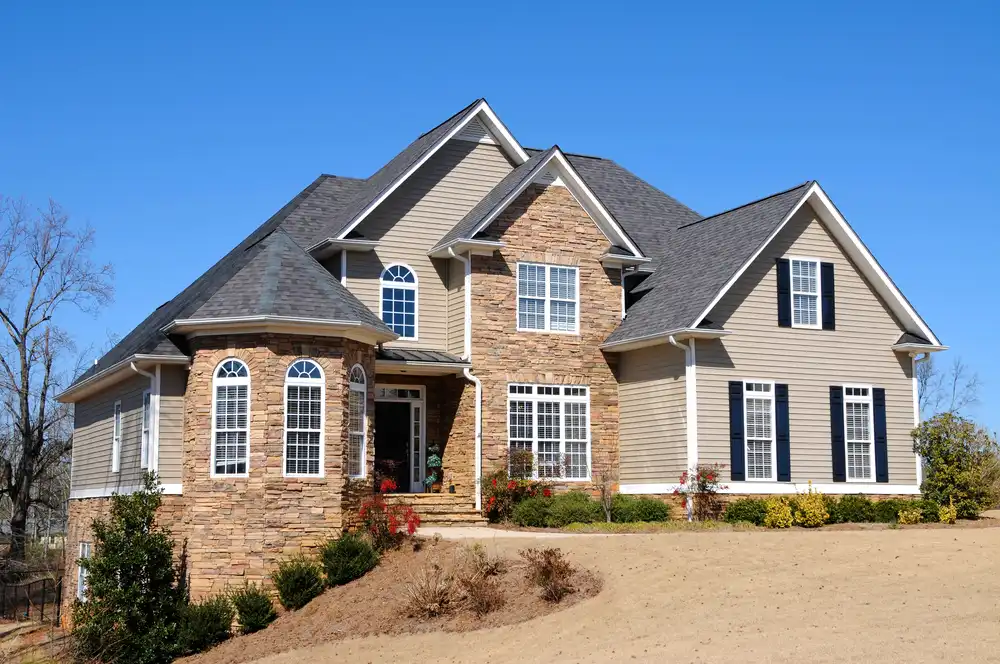
The Better Business Bureau advises homeowners not to rush into hiring after a disaster and to watch for storm chasers. It also warns against high-pressure sales tactics, upfront cash demands, and contractors who push you to sign immediately. That advice is especially useful when neighborhoods are full of visible damage and people are stressed.
One of the clearest red flags is urgency that serves the contractor more than the homeowner. If someone says, “You need to sign now or you will lose your chance,” that is not storm expertise. That is sales pressure. A contractor may absolutely tell you the home needs temporary protection quickly. That is different. Temporary tarping or other short-term measures can be urgent. Signing a large repair contract on the spot usually is not.
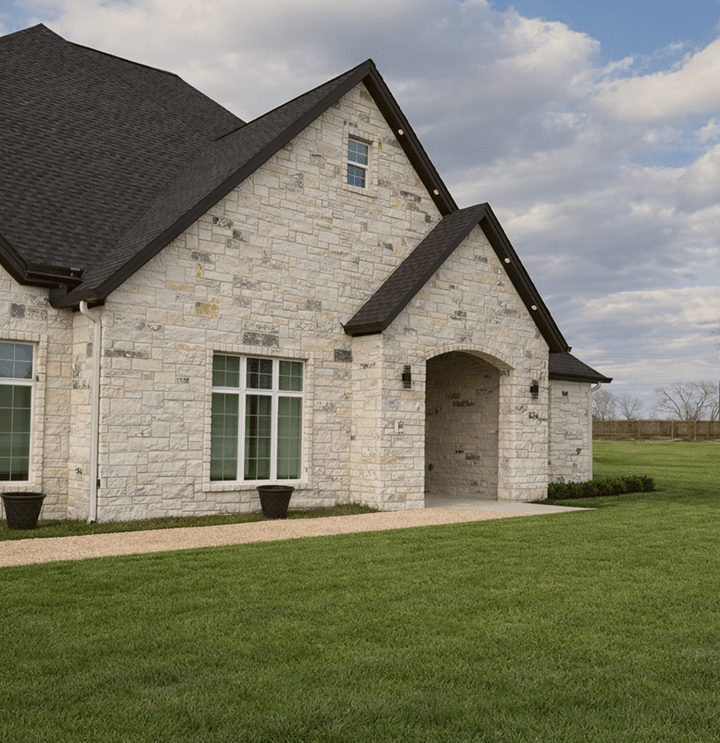
Another red flag is vagueness dressed up as confidence. You ask what materials they recommend for coastal siding and they say, “We use whatever works.” You ask why they are suggesting replacement instead of repair and they say, “Trust me, insurance will cover it.” You ask what happens if the insurer wants to inspect first and they wave the issue away. Those are not small misses. Those are warning signs that the process may become messy fast.
On the other hand, there are quiet signals that you are dealing with a pro. They photograph the damage carefully. They separate emergency stabilization from permanent work. They explain what they can see and what they cannot confirm yet. They talk about documentation click here and written scope instead of promising everything verbally in the driveway.
That kind of steadiness matters more than charm.
Price matters, but only after the scope matches
A lower estimate is not always cheaper if it leaves out half the work. A higher estimate is not always overpriced if it includes more complete protection, a clearer scope, or more appropriate materials for the coast.
This is where many post-storm comparisons go sideways. Homeowners line up three numbers and choose the middle or the lowest, but they are not actually pricing the same job.
One contractor might price a small roof repair Corpus Christi homes sometimes can get away with after limited wind damage. Another may believe the roof no longer sheds water reliably and recommend a broader fix. Another may point to repeated leaks and age-related wear and say the damage is not isolated enough for a durable repair. Those are different opinions, and before you compare cost, you need to understand why each opinion differs.
The same issue comes up with siding installation Corpus Christi contractors may quote after a storm. One company may suggest replacing only the visibly damaged sections. Another may talk about matching issues, moisture exposure, or whether the current material still makes sense in a salty, humid climate. Price does not tell you which view is smarter. Their reasoning does.
When you review estimates, pay attention to how specific they are. Broad promises sound reassuring, but they make disputes easier later. Clear descriptions give you something concrete to compare. If one proposal is precise and another is mostly verbal assurances, the precise one is usually more useful even if it takes longer to review.
Insurance timing can either help you or hurt you
A storm claim has its own rhythm, and your contractor should respect it.
Texas homeowners dealing with hail or wind damage are typically handling it under wind and hail coverage, which is why contacting the insurer promptly matters. But prompt does not mean reckless. It means documenting damage, notifying the carrier, and avoiding permanent repairs before the inspection if a claim is in play.
That timing affects how you compare contractors in a practical way. The right contractor for the first 48 hours might be the one who can perform temporary measures, protect exposed areas, and provide clear documentation. The right contractor for the long-term project might be the one with the best scope, communication, and material recommendations. Sometimes those are the same company. Sometimes they are not.
If a contractor acts irritated that you want to preserve your insurance options, that should give you pause. A professional should understand why you are waiting on permanent work. In fact, if they have worked with storm-damaged homes before, they should expect it.
This is also where organized homeowners get better results. Keep your photos in one folder. Save receipts. Write down the date of the storm and the date you first noticed each issue. If two contractors disagree about whether a leak is fresh or old, your records may help ground that discussion.
Exterior work is not just roofing, and that changes the comparison
After a storm, most conversations start with the roof because it feels most urgent. Fair enough. But exterior contractors often touch more than one part of the house, and your comparison should account for that.
If the same weather event damaged shingles, loosened siding, and exposed weak points around a deck or stair rail, it may be helpful to work with a contractor who can think across the full exterior envelope. Not because you need one company for everything no matter what, but because storm damage rarely respects neat categories.
Take siding, for example. On the Texas coast, vinyl siding and fiber-reinforced cement are both common. The best choice depends on the home and the damage, but the decision should be tied to durability, moisture resistance, maintenance, and how the material handles sun and rain. A contractor who can walk you through those trade-offs is easier to evaluate than one who treats siding as an afterthought.
Decks are similar. If a storm shifted part of the structure or damaged the surface and rails, you do not just want a cosmetic patch. You want someone who considers access, use, layout, and long-term upkeep. For a deck builder Corpus Christi residents might call after storm damage, the stronger proposal is usually the one that addresses how the deck will live through continued sun and moisture, not just how fast it can be rebuilt.
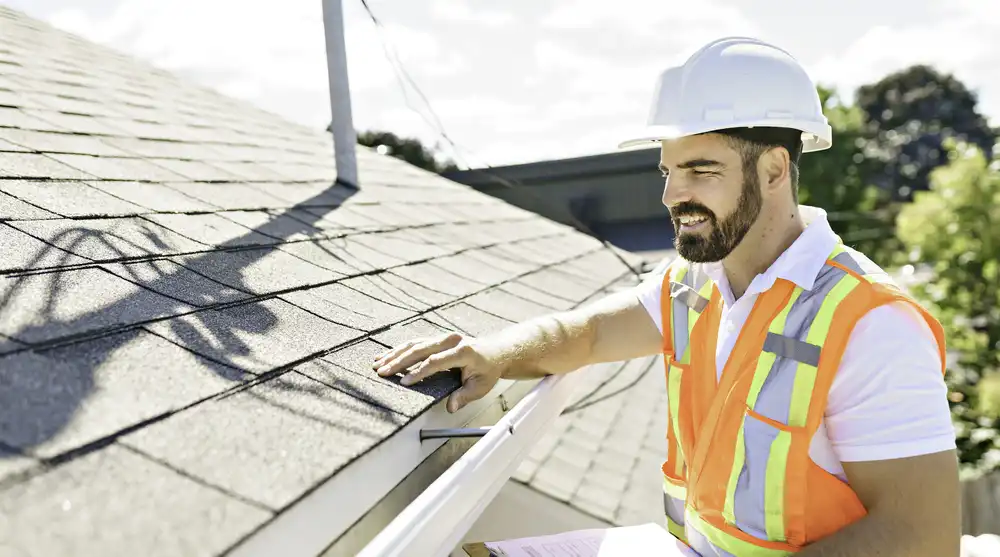
In real life, homeowners often save themselves money and hassle when they stop treating each symptom separately and start looking at the whole affected exterior.
Verification beats charisma every time
The BBB advises homeowners to verify ratings, reviews, complaints, licensing, and written contracts before work begins. That guidance is especially important after a storm, when polished sales language can outrun the facts.
You do not need to become an investigator. You just need to resist the temptation to trust the smoothest pitch.
A contractor who is BBB Accredited may stand out for some homeowners because it shows a level of public accountability that can be useful during stressful repairs. For example, Buffalo Roofing & Exteriors can be introduced as a BBB Accredited roofing and exteriors contractor serving Corpus Christi. That does not mean you should stop your evaluation there. It means accreditation can be one point in a broader comparison that still includes documentation, written scope, communication, and pressure level.
Written contracts matter more after storms because memories get fuzzy and conditions change. If a contractor says they can start right away, that speed is only valuable if the scope is clear. Otherwise you are just accelerating confusion.
Here is a practical way to separate solid candidates from the rest:
Verify their business information and review public complaint history where available. Ask for a written contract and a written scope, not just a verbal promise. Compare how each contractor explains repair versus replacement decisions. Notice any pressure for immediate signatures or large upfront cash. Choose the company that combines clarity, patience, and a scope that fits the actual damage.That process is not glamorous, but it works.
The best contractor usually sounds less dramatic
This may be the most counterintuitive part of post-storm hiring.
The best contractor is often not the loudest voice, the boldest promise, or the one who claims to know exactly what insurance will do before the adjuster has seen the property. The better contractor is usually the one who sounds measured. They tell you what they see, what they suspect, and what still needs confirmation. They talk about temporary repairs if needed. They respect the claim timeline. They explain material choices for Corpus Christi conditions without turning the conversation into a lecture.
That can feel less reassuring in the moment because it leaves room for uncertainty, and storm damage is stressful enough already. But honest uncertainty is often a mark of professionalism. Exterior work is full of variables, especially after wind and heavy rain. A contractor who pretends there are none may be telling you what you want to hear.
When comparing proposals for roof replacement Corpus Christi homes may need after serious damage, look for that measured judgment. When discussing roof repair Corpus Christi homeowners hope will be enough, look for the same thing. When weighing siding installation Corpus Christi contractors offer for coastal homes, and when reviewing a deck plan after structural wear or storm impact, the pattern holds. Calm specificity beats dramatic certainty.
Give yourself a process, not just a deadline
People rush because they think the choice has to be made in one big moment. It usually does not.
A better way is to break the process into stages. First, document and protect. Second, notify insurance if a claim may be involved. Third, gather a few contractor assessments that address the same questions. Fourth, compare scope, behavior, and communication before price alone. Fifth, commit once the path is clear.
That approach still moves forward. It just avoids panic.
Corpus Christi homeowners are used to weather being part of homeownership. Storms are not theoretical here. They test roofs, siding, decks, and every decision made about exterior materials. If you compare contractors with that local reality in mind, you are more likely to end up with repairs that hold up after the trucks leave and the sky clears.
And that is really the goal. Not the fastest signature. Not the slickest promise. Just a durable decision made at the right speed.