
こんにちは、azrocksです。
一般的な翻訳手順はこんな感じらしいので、自分も参考にしてみました。
1.本をスキャンし、PDFファイル作成。
2.PDFファイルのテキスト化。私はNew Ocr(newocr.com)を使っています。
3.プリエディット(アルファベットのスペルチェック、不要な改行を削除)
4.機械翻訳(DeepLとGoogle翻訳でダブルチェック)
5.ポストエディット(正確性と日本語としての自然さの観点で修正)
今日の翻訳。序章だけ目を通す人も多いので、興味を引き付ける必要あるが、どうにも硬い文章になってしまいました。
Genesis And Classification Of Agates And Jaspersの序章抜粋
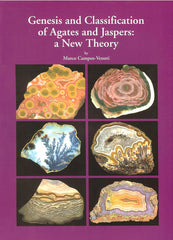
In mineralogy, as in geology, stones speak to us of an ancient past and the conditions under which they formed. The science of reading in the stones is one of the most fascinating fields of human learning. In part investigator and naturalist, the geologist collects clues and finds the causes. It is not an exact science, using an inductive deductive method, in a similar way to police investigations.
鉱物学では、地質学と同様に、石は太古の過去とそれが形成された環境を語ってくれる。石を読み解く科学は、人類の学問の中で最も魅力的な分野の一つである。地質学者は、調査員であると同時に博物学者でもあり、手がかりを集め、原因を突き止める。厳密な科学ではなく、警察の捜査と同じように、帰納的演繹的手法(注)(一つの事例から理論を導き[帰納法]、さらにその裏付けとなる事例を探し出して理論を証明する[演繹法])を用いる。
For this study, I have not used high-tech instruments, or chemical analysis, but only direct observations. I faced the cabinets of collectors as they were geological outcrops and I did a field study of them. Some samples may furnish valuable clues on a certain stage of their formation. The collector of stones with the geologist's eye can gather a large number of clues, to create a genetic model. Surely some deductions will need analytical insights, but the model proposed here is consistent and profound.
この研究では、ハイテク機器も化学分析も使わず、直接の観察のみを行った。コレクターの鉱物標本キャビネットを地上の露頭と見なし、現地調査を行った。標本によっては、その形成のある段階について貴重な手がかりを与えてくれるかもしれない。地質学者の眼を持った石のコレクターは、多くの手がかりを集め、遺伝子モデル(形成機構に関する理論)を作ることができる。分析が必要な理論もあるが、ここで提案する理論は整合性があり、本質的である。
Virtually all types of amorphous or microcrystalline silica were taken into consideration in this model and were put in relation with genetic dynamics and its geological context. The model explains the formation of jaspers, chalcedonies, agates and thunder eggs and the origin of structures such as moss and plumes in the chalcedony, orbs and breccia in jaspers, and bands in agates.
この理論は、事実上すべての種類の非晶質と微晶質のシリカ鉱物が考慮され、形成機構と地質学的な環境との関連を説明する。具体的には、ジャスパー、カルセドニー、アゲート、サンダーエッグの形成機構と、カルセドニーにおけるモスやプルーム、ジャスパーにおけるオビキュラー(円形の模様)やブレシエイテッド(角礫岩化)、アゲートにおける縞模様などの構造の起源、を説明する。
(注)『帰納的演繹的手法』は帰納的と演繹的という真逆の言葉が並んでいて全然わからなかった。。文脈からそれらしい補足を付けてみました。