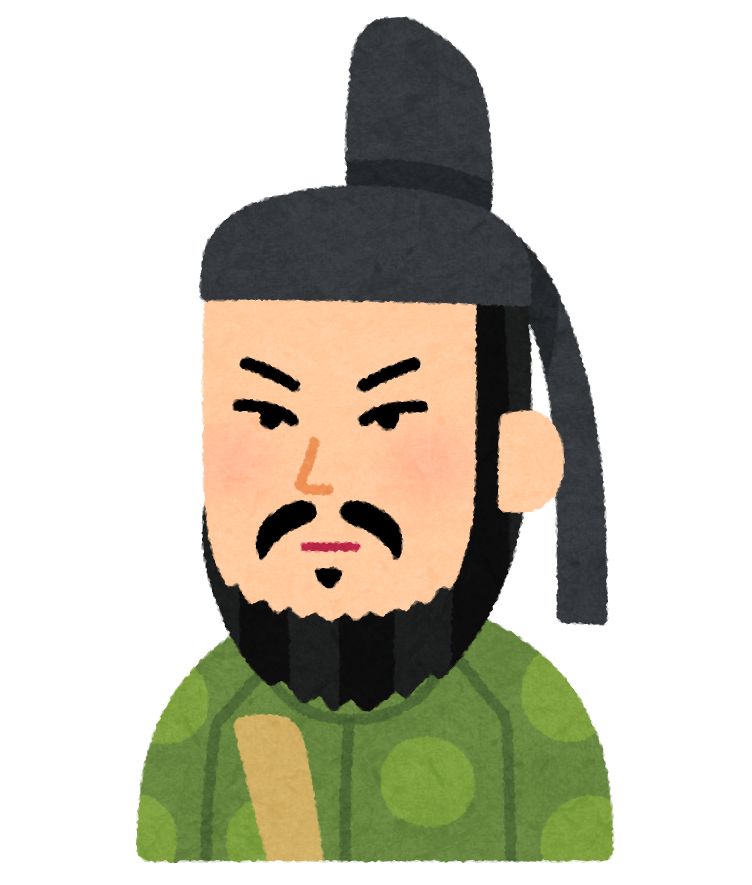
2〜3年前から戸籍が少しだけ絡む仕事をしてきて、気になったことがあり「戸籍の日本史」を読み始めた。まだ40ページほどしか読んでいないけど、余談としてコテンラジオで聞いていた鑑真の話が出てきた面白かった。
7世紀に大化の改新が行われ律令制度を立ち上げていたときに課税を強化するために採用したのが戸籍制度だった。ただ、その頃課税のために制定された班田収授法では、対象者に口分田を付与され、租庸調などの税の負担だけでなく、兵役や労役を課されてかなりの税負担となっていた。
税から逃れるために耕作地から逃げ出し、戸籍の対象から外れていたと思われる。また、他にも出家して僧侶になることで、戸籍を抜け出す人もいたらしい。
勝手に僧侶になってもらうと困るので、僧侶の公認制度を作るために来てもらったのが授戒師である鑑真であった。
自分の聞き方が間違っていなければ、コテンラジオでは日本においてサンガの仕組みが確立されていなくてその支援のために来たと言われていた。朝廷が公認制度を作る目的は行基のような公認されていない僧侶が活躍していたからだと語られていたと思う。
コテンラジオを聞くだけでなく、本を読んでいくことで理解が深まっていくのが面白い。
そもそもこれまで歴史に興味があって本を読んできたけれど、コテンラジオと出会って耳で歴史を聞くという面白さに目覚めた。五感を使って歴史の理解を深めていきたい。目と耳を使っているので次は何があるんだろう。舌(味)か?
For the past 2-3 years, I've been involved in work that slightly involves family registers, and I started reading
"The History of Japanese Family Registers" out of curiosity. Although I've only read about 40 pages so far, it was
interesting that a story about Kenin, whom I heard on the radio show "Koten Radio," came up.
The family register system was introduced in the 7th century during the Taika Reforms when the Ritsuryo system was
established to strengthen taxation. However, at that time, the Banshi Shussu system, which was implemented for
taxation purposes, allocated a portion of land (Koku-bun-den) to the subjects. In addition to paying taxes like
sokuyocho, they were also required to perform military and labor service, resulting in a significant tax burden.
It is believed that some people fled their cultivated land to escape taxes and were therefore excluded from the
family register system. Additionally, some people reportedly became monks to escape the family register system.
To prevent people from arbitrarily becoming monks, Kenin was invited to establish an official monk recognition
system.
If I understood correctly from "Koten Radio," the Japanese Sangha system was not yet established, and he came to
provide support. It was said that the imperial court aimed to create an official recognition system because there
were many influential monks, like Gyoki, who were not officially recognized.
Reading books alongside listening to "Koten Radio" allows for a deeper understanding.
While I've always been interested in history and read books, encountering "Koten Radio" opened my eyes to the
enjoyment of learning history through auditory means. I want to explore history using all my senses. Having used
my eyes and ears, I wonder what's next? Taste?