
Carpathian mushrooms are rightfully considered one of the "visiting cards" of the region. Boletus kings, stubbornly bright chanterelles, boletus sparkling with sticky moisture, aristocratic truffles and other representatives of the mushroom brotherhood excite the imagination of tourists and make their hearts sink in anticipation of the next prey.
According to folk traditions, mushrooms in the Carpathians are elevated to a kind of cult. They are called breadwinners, attributed magical properties, mentioned in fairy tales and songs, and, of course, know how to collect and cook. No matter what modern and diverse entertainment the Carpathians offer to guests, mushrooms are always popular and may well compete with extreme types of outdoor activities, because they cause no less adrenaline rush and a storm of positive emotions.

Types of mushrooms in the Carpathians
More than 200 varieties of mushrooms grow here - beautiful, useful and environmentally friendly.
Forest mushrooms are a valuable source of protein, as well as vitamins (A, B1, B12, C, D) and trace elements (potassium, calcium, copper, zinc, sulfur, manganese, iodine, phosphorus, etc.). Mushrooms stewed in sour cream sauce with feta cheese, salted and pickled variations, potato and mushroom pancakes, fragrant banosh, dumplings with cabbage and mushroom filling and other delicacies should be tasted by every tourist.
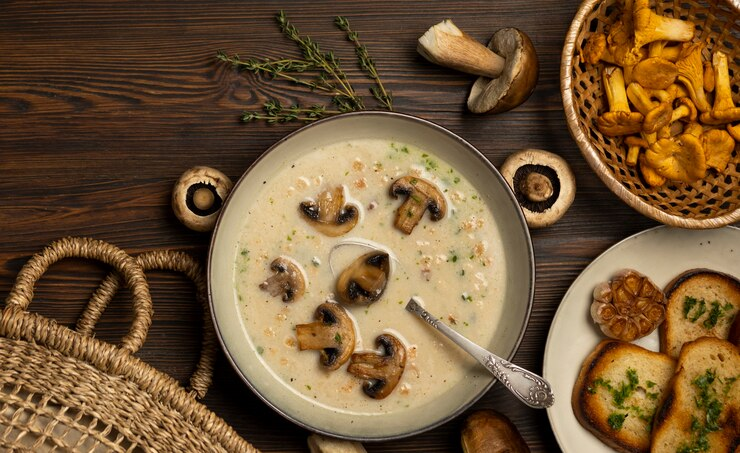
Edible mushrooms of the Carpathians
According to the classification, all edible mushrooms of the Carpathians are divided into 4 groups, based on their nutritional value and taste characteristics:
-
1 The group is elite, with delicate pulp and exquisite taste. The protein content is increased, and there are also enough vitamins and minerals in the composition. These are milk mushrooms, mushrooms (porcini mushrooms), delicious mushrooms, truffles.
-
2 group - are not inferior in usefulness, but have a tougher pulp. These include: boletus, champignons, boletus, boletus mushrooms.
-
3 group - includes chanterelles, autumn and summer mushrooms, flywheels, morels, russula. Excellent product, but slightly inferior in taste.
-
4 group - all other edible types of mushrooms.
It is worth clarifying that there is also a group of "conditionally edible mushrooms" - a source of constant temptation for lovers of experiments and thrills. These mushrooms do not pose a danger only if the correct cooking technology is observed, therefore they do not tolerate amateurism.
Poisonous mushrooms of the Carpathians
In the Carpathian region, there are more than 20 species of poisonous mushrooms, the use of which is very dangerous for humans. Most often, false mushrooms, red and panther fly agarics, pale toadstool fall into the mushroom picker's basket. Some toxic mushrooms are very similar to their edible "relatives", which leads to mischoice.
-
Pale toadstool (green fly agaric) - similar to honey agarics and russula, often found on the slopes of the mountains. Its venom is more toxic than the venom of a snake! A distinctive feature of the latter is the greenish tint of the cap and the characteristic ring on the leg.
-
Fly agaric spring - confused with champignons, you can distinguish thanks to the film ring on the leg.
-
Gall fungus - mushroom pickers do not always distinguish with a boletus, but the lower edge of its cap is coloured pink instead of yellow. At the fracture site, the satanic mushroom turns red or black.
-
False mushrooms are visually similar to the autumn edible version. They differ in the colour of the cap and the ring on the leg.
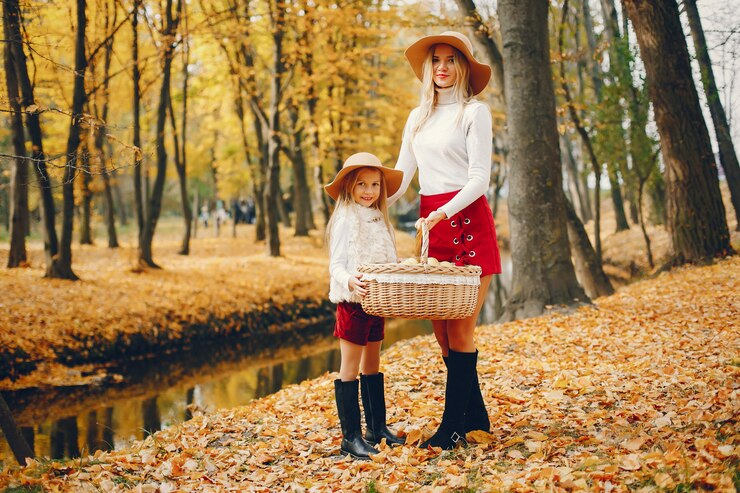
Practice shows: it is much easier to recognise tubular mushrooms (boletus, boletus, boletus) than lamellar mushrooms (honey mushrooms, russula, mushrooms, waves). If you are going to pick mushrooms in Bukovel, we recommend taking wicker baskets with you. This is a safe alternative to plastic bags or plastic buckets with lids - without air access, forest gifts spoil much faster.
When does the mushroom season start in the Carpathians
Depending on weather conditions, the folk "mushroom" begins in June, although some mushrooms can be found as early as the end of April. According to an ancient sign, yellowed leaves on the birch become a signal for the start of a mass mushroom hunt. The collection continues until the very frost (end of October). In summer, you can collect boletus, chanterelles, porcini mushrooms, stitches, morels. The largest number of Carpathian mushrooms is found in early autumn, after rains. Porcini mushrooms, champignons, boletus, honey agarics, boletus, deer horns and several dozen more edible mushrooms show their caps from the ground. The best time of day for a hike in the forest will be morning (6-7 o'clock).
Porcini mushrooms in the Carpathians
The undoubted favourite of the folk cuisine of the Hutsul region is boletus - one of the most nutritious, healthy and delicious mushrooms. It belongs to the first, highest category and is considered a local delicacy. The season of porcini mushrooms in the Carpathians begins in June and ends when the ground is fettered by frosts (late October - early November).
The best place to search for boletus is considered to be spruce or fir-beech forests, which are located at an altitude of 1400-600 m above sea level. According to experienced mushroom pickers, often the boletus king chooses the most unexpected places for himself. Sometimes these mushrooms can be seen in the Carpathians in spring even at the end of April, although such cases are rare. A prerequisite for the active development of mycelium is the presence of moisture. Going to the Carpathians for mushrooms in the summer, pay attention to shrubs and birch forests, do not forget to look under oak, hornbeam and beech. A sad "addition" to the abundance of boletus mushrooms in the summer is their not very good quality - a significant part of the products is affected by tiny worms and has a fluffy structure. If you came to Bukovel in early autumn, it is better to pick mushrooms in places popular for summer collection, in the lowlands. With the advent of cold weather and a decrease in air temperature, the "migration" of boletus is observed. Porcini mushrooms in the Carpathians in October begin to grow a little higher, in the depths of old forests, surrounded by alpine hornbeams and oaks.
If you love porcini mushrooms, the Carpathians are the perfect place for exciting searches. If you wish, you can make an individual order to the restaurant's chefs, and they will prepare your "trophy" according to your favourite recipe.
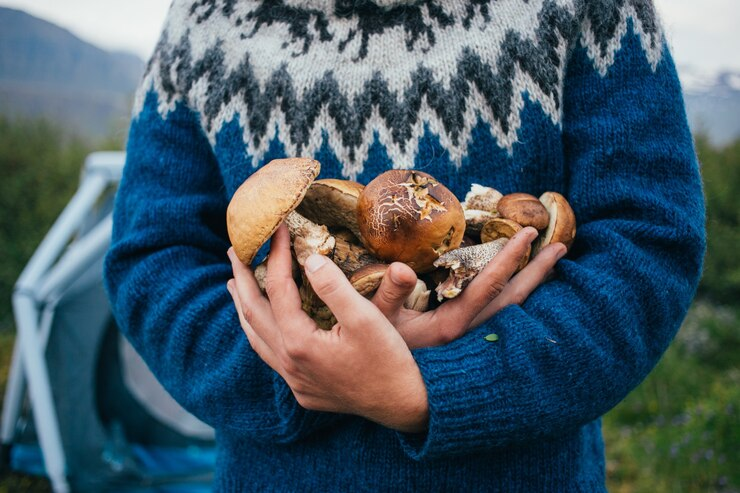
Where to look for mushrooms in the Carpathians?
Mushroom places are numerous and diverse — glades, forest edges, valleys, mountain slopes, etc. The following areas are famous for their special yield:
-
Kryvopillia Pass;
-
Bangofa (near Mount Peep);
-
the vicinity of Lake Synevyr;
-
near the Shypit waterfall;
-
Outskirts of Mukachevo;
-
Tsarivka or "Mushroom meadow»;
-
Charming Beskydy;
-
Dukon's meadow;
-
the villages of Lushmory, Dragovo, Vyshka, Kolochava, Dzherelna Huta, Solochyn;
-
villages of Mykulyntsi, Ilkivtsi, Shchaslyve, Kryte.
At the beginning of the season, mushroom picking will be especially effective in sunny meadows and the southern slopes of the Carpathians. In hot weather, the best place for quiet hunting would be the northern slopes and wet mosses..

In the piggy bank of the mushroom picker
Using our table, you can quickly navigate the time and place to find your favourite mushrooms.
|
Name |
Location |
Season |
|
Porcini mushroom |
Mixed and sparse forests, lichen forests |
End of May to mid-September |
|
Oiler |
Coniferous forests |
Beginning of June — first half of September |
|
Milk mushroom |
Deciduous and coniferous forests |
July to September |
|
Ryzhik |
Sparse spruce and pine forests |
End of July — beginning of September |
|
Boletus |
Birch forests and copses |
End of May — beginning of October |
|
Honey agaric |
Deciduous and coniferous forests |
August to September |
|
Boletus (boletus) |
Aspen, birch or mixed with spruce forest |
June — early September |
The mushroom season in the Carpathians is a real holiday for everyone who loves excitement and nature, delicious dishes and new experiences. Mushroom tours will give you a great opportunity to feel like a real pro of quiet hunting and enjoy well-deserved "trophies"».