
We hope all you are getting ready for the New Year. Everybody at Bridge is looking forward to helping you with your English next year. Also, thanks for reading part 2 of our series on jazz history!
In the first part of this series, we explored the birth of jazz in New Orleans and how artists started to improvise musicial ideas in the moment. Today, let's explore how improvisation evolved after this period and how jazz recordings became an important part of this genre's growth.
In the 1910’s, technology advanced to the point where people could buy and listen to musical recordings in the comfort of their homes. As a result, there was a search to find new musical talent all over the United States. From the moment jazz first started to be recorded, it instantly became popular all over the country, and there grew to be a great demand for this new music.

This popularity led to the next era of jazz which is referred to as big band or swing jazz. People wanted to see these great musicians who they heard on record, so jazz clubs grew in size, specifically in places like Chicago and New York City. Because these bands were playing to very large audiences, bandleaders decided to recruit more musicians so that their sound was louder and more powerful. These big bands often included between 15-25 musicians, and live shows were often wild events with lots of dancing.

At this time in the 1920’s, jazz exploded all over the world thanks to records being sent to mainly Europe and Asia, and by the mid 1930’s, it was the most popular musical style globally in terms of record sales. This era saw jazz musicians become wealthy people, and for the African-American community, it represented freedom from poverty at a time when there were very few black people with money or influence in American society. The voices of black Americans were starting to finally be heard.
Please follow the links below for great songs from the swing era:
Duke Ellington and his Cotton Club Orchestra "Jubilee Stomp" (1928)


The Count Basie Orchestra "Bugle Blues". (1937)
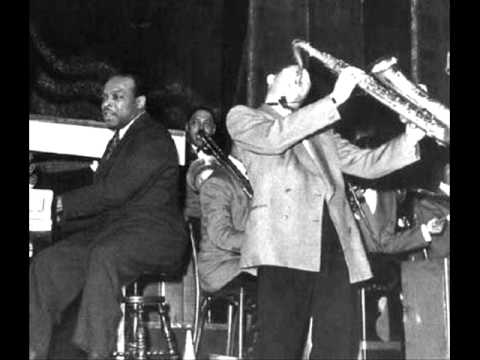
By the 1940’s, jazz musicians had been playing so many shows and practicing their own innovative techniques in swing bands that the skill of some of these players rose to an astonishing level. These musicians eventually became frustrated with playing in big bands where they might not be heard or have the opportunity to grow, so they started their own small groups with usually around 4-7 players. In these small groups, the focus shifted from making the crowd dance to improvising the majority of the music and showcasing the extraordinary talent of the skilled musicians. This style of jazz became know as bebop, and bebop players played longer and more complicated solos than swing jazz players and incorporated influences from many different musical styles.

Please check out these recordings below to hear some great examples of bebop:
Charlie Parker "Cherokee". (1942)

Dizzy Gillespie "Manteca" (1947)

Thank you so much for reading and please keep checking our blog for part 3 of our series on jazz history!
If you liked this post, please click the link below.


