
So you have decided to order a custom box and are now looking at the different options of printing your custom box. Most people want to know what are the printing methods and how are they applied on the boxes. Well, there are three main printing methods used in the production industry. They are Flexographic printing, digital printing and litho laminating. These methods are used and applied to your logos and your creative artwork in relation to what is needed. The first way and the cheapest way is Flexographic Printing.
Bend It Till You Make It
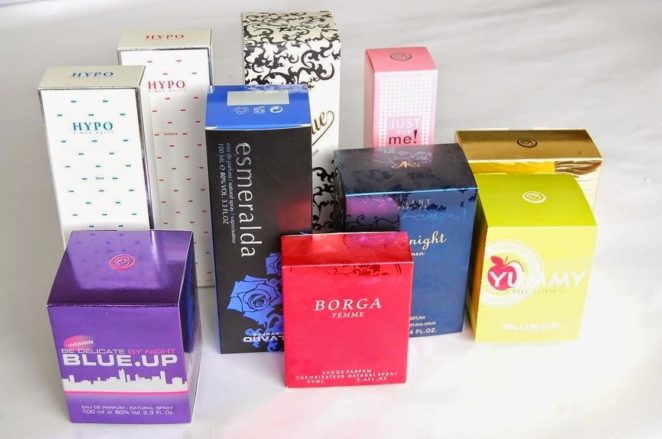
Flexographic printing is a type of printing procedure that uses a flexible plate. It has been compared to being a "modern version of the letterpress" and it can be used on almost every type of material such as plastic, metallic cellophane, paper etc. It is also the most basic form of printing available because it comes in 1 to 3 colors. Flexographic has built a reputation for being used in simple projects.
Let's Go Digital

Then we have Digital printing, one of the latest forms of printing. It was invented in 1991 and can be broken down into two more subcategories, inkjet and xerographic. Digital printing is still considered very cost effective, the main difference between digital and flexographic is that digital applies a full range of colors onto the printing.
The Double L
Finally there it Litho laminating, often considered the most high quality and expensive. When you litho laminate you glue a printed press sheet to the board and then continue to die- cut it and process it to the box. With litho laminating, you receive much higher quality than digital printing and flexographic printing.
It is All About The Money
However, after you choose a type of printing your main concern becomes cost. Adding a type of print to your box usually, costs less than people generally think they do. Research shows that adding one color print results in a 10% in comparison the price of the actual box. Higher quality printing does in fact usually cost more but in the long run, paying for the printing will probably be one of the cheaper bills. Also, when you are considering a type of printing to use you should think about how fast you need it done. Research has shown that Flexographic has a high press speeds ( how fast something is pressed) ranging from 200 to 300 fpm ( feet per minutes) while digital printing has low press speeds that run on average at 50 to 100 fpm One of the important questions that you should ask the manufacturer is how long does it take and then compare it to other manufacturers to see a total price estimate. In the big picture of things over the years, it can be seen that the total average time to produce custom boxes is now down to 3 to 5 business days.
There are alternatives to printing methods such as
- Drawing on the design yourself
- Using stickers
- Printing at home
- Etc.
Buy if you would like to look as professional as possible then I suggest you join the mass of people who are using manufacturers to print up designs for them. Technology is changing exponentially fast, no one knows where it is headed so maybe the future of printing will changing and these methods might become considered old.
Feel the excitement when "un-boxing" your latest mobile phone. Smell that rose-printed perfume packaging. Shake Extra resources your birthday gift and guess what's inside. Oh, what happiness that perfect box brings to your loyal and soon-to-be avid customers!
Good business is all about presentation. After all, what meets the eye gives the first impression. Even before opening the packaging, your business is already being assessed. And since attractive packaging nowadays comes in the form of boxes and not in bags or pouches any longer, it has been quite a necessity for businesses to indulge in the production of their very own, individual, custom boxes.
Custom boxes come in various shapes, sizes, materials, and purposes. There are heart-shaped boxes, square, triangle, cylindrical, and almost any shape that a businessman is willing to pay for.
And the lids don't just open in one step. There are custom boxes that seem to lead to a closet or, simply put, another world. There are boxes that can fit a person or a car, and tiny but romantic ones that the expectant receiver wishes would contain a diamond sparkle. Some goods are kept in sturdy wooden boxes, while the nature-lovers prefer recycled paper or raw materials like pineapple fiber and silk weave. The most common occasions that call for a lovely presentation are holidays and birthdays, but of course anniversaries, promotions, graduations, and weddings always have these attractive containers in hand.
Whatever it is you are selling, a custom box will always come in handy. Even hot-dogs stalls on the sidewalk sometimes need it. It may seem like an excessive expenditure for some, but in the long run, a good packaging is always beneficial for marketing and advertising your products. Essentially, this is because you can never predict that lucky business day for large orders, and you'll never guess how far your products reach, and the types of people they end up being given to.
The most important thing that a good custom box carries is your company or business logo. Is it a tick mark? A crown? A ribbon? A diamond? Customers are most likely to guess the brand names associated with the logo that is printed, embossed, stitched, or stamped outside the box. Also, the material used in making the box unconsciously adds to the appreciation of the customer. Imagine the difference when taking out that pricey handbag from a box embossed with gold logo, with the whole box covered in a silky shimmer and an elaborate but classy design that makes you want to display the box itself sans the handbag. Now, imagine a thin all-white box with your purse loosely running about inside it. Yes, a perfect custom box makes all the difference!