
Fireplaces are as much about comfort as they are about compliance. If you’re adding a new unit, converting a wood burner to gas, or sliding in an electric fireplace insert, the success of the project hinges on codes, clearances, venting, and inspections. The parts that matter most are often hidden behind finishes: flue connections, gas line sizing, electrical circuitry, framing materials, and the way the chimney is built or lined. I’ve seen flawless stonework conceal a venting mistake that smoked out a living room on the first cold night, and I’ve watched a tidy gas fireplace fail an inspection because a valve lacked proper access. Permits and codes exist to prevent those outcomes, and to protect your investment when it’s time to sell.
This guide distills what actually counts during fireplace installation, how inspectors think, where homeowners commonly stumble, and how to plan the work so it passes on the first try. Whether you’re choosing a gas fireplace insert for a drafty masonry hearth or framing a new bump-out for an electric fireplace insert, there are a handful of rules that apply in every zip code.
Why permits matter more than you think
A permit does more than signal compliance to the city. It forces the project to follow a documented path, which means the fireplace and chimney system will be sized, vented, and protected as the manufacturer intended. That traceability matters when something goes wrong. Insurance carriers often look for proof of permits and final approval before paying out after a fire. Real estate transactions run smoother when you can hand a buyer the final inspection card, the model and serial numbers, and any chimney inspections on file. I once worked with a homeowner who self-installed an unvented gas unit in a tight den without a permit. The room felt stuffy, the CO alarm chirped intermittently, and the home sale stalled until we replaced it with a direct-vent gas fireplace and documented the fix. The extra cost would have been smaller if they had pulled a permit at the start.
Start with your local code, then read the manual twice
Fuel-gas and mechanical codes vary slightly by state or province, but most U.S. jurisdictions adopt versions of the International Residential Code (IRC), International Mechanical Code (IMC), and International Fuel Gas Code (IFGC). In Canada, you’ll see CSA B149 for gas and CSA B365 for solid fuel systems. Local amendments often add restrictions around seismic bracing, air sealing, or vent termination clearances. Inspectors are usually friendly resources and will answer scope questions before you apply.
Even so, the most powerful document for your specific unit is the manufacturer’s installation manual. Codes defer to listed, labeled appliances when the manual is more restrictive, and inspectors lean on those requirements during sign-off. Clearances to combustibles, vent lengths and elbows, hearth extension dimensions, mantel limits, and termination rules are all spelled out there. Two different gas fireplaces can have wildly different allowed vent runs. If you try to apply a rule of thumb without reading the manual, you’ll end up opening a finished wall to shorten a vent by three feet.
Permit scope by fuel type
A typical permit set includes a floor plan or sketch, the appliance model, venting path, fuel supply details, and sometimes structural notes if you’re adding weight or cutting joists. The scope shifts depending on fuel.
Wood burning systems live and die by chimney design. A new masonry fireplace is a structural project that involves footings, flue tile or stainless liner, proper smoke chamber shaping, a throat damper or top-sealing damper, and a chimney height that meets the 3-2-10 rule: the chimney needs to be at least 3 feet above the roof penetration and at least 2 feet higher than any portion of the building within 10 feet. Factory-built, UL-listed wood fireplaces simplify the equation but still demand precise clearances from framing, insulation, and sheathing. Expect the permit to flag fireblocking at top and bottom of the chase, noncombustible hearth materials, and any outside air kit penetrations.
Gas fireplaces and gas fireplace inserts come under mechanical and fuel gas permits. You’ll show the BTU rating, the gas line size and route, shut-off valve location, sediment trap, and the venting configuration with part numbers. Direct-vent units are the current standard because they draw combustion air from outdoors and exhaust outside, improving safety and indoor air quality. Vent-free units remain legal in some areas, though increasingly restricted. If your jurisdiction allows them, expect added rules around room volume, oxygen depletion sensors, and CO alarms. Don’t assume a vent-free unit will pass just because it’s sold at retail.
Electric fireplaces and electric fireplace inserts are the simplest to permit, but they still need a circuit sized to the manual. A typical 120-volt unit pulls up to 12.5 amps. Larger models use a dedicated 240-volt circuit. Inspectors look for listed receptacles, wire gauge matching the breaker, proper clearances from combustibles, and a way to service the unit if it’s recessed. People tend to treat electrics like décor, yet overheating happens when someone shares that circuit with a space heater and a hair dryer on the other side of the wall.
What inspectors actually check
Over the years I’ve watched inspectors walk jobs with a mental checklist that mirrors the code books but focuses on the failure points. They start outside, glance at vent terminations, measure to operable windows, soffits, property lines, decks, and grade. They check that caps are listed and match the vent brand. Inside, they look for clearances and labels, verify that any chase is fireblocked and insulated correctly, and confirm access to shut-offs and junction boxes.
Gas line work gets a close look. Pressure tests, approved materials, bonding, drip legs, and appliance connectors all count. With wood-burning units, they check chimney integrity, height, spark arrestor screens, and hearth projection. A quick tug on the surround sometimes reveals a combustible mantel intruding into the clearance zone. For electric units, they’ll pop the cover on the nearby panel and verify breaker sizing and AFCI/GFCI requirements if the circuit location demands it.
Chimney inspections deserve their own mention. If you are dropping a gas fireplace insert into a masonry fireplace, the existing flue must be evaluated. Old unlined chimneys cannot safely vent modern appliances. A certified chimney cleaning service can sweep, camera-scan, and document the condition, then size and install a stainless liner matched to the insert’s specifications. A west inspection chimney sweep or similar regional firm may also provide Level 2 inspections after a fuel-type change, which many codes require whenever you install a different class of appliance.
Venting rules that trip people up
Venting is where most do-overs happen. Every brand has a venting chart that limits total equivalent length, including the extra resistance from elbows. A 90-degree bend might count as 5 to 8 feet in the calculation, so a short run with multiple turns can exceed the maximum. Horizontal terminations have https://www.safehomefireplace.ca/fireplaces/gas/ minimum clearances to grade and building openings. If you plan to terminate under a deck, expect a fight with the manual unless the deck is open and meets specific height and spacing rules.
Masonry chimneys paired with gas inserts require relining down to the appliance collar. An oversized flue will cause condensation, reduce draft, and corrode the liner. Wood stoves and wood inserts need insulated liners when the chimney runs cold on an exterior wall. It’s not just a performance issue, it’s a safety issue. I’ve seen glazed creosote build up in a mis-sized exterior chimney in one season, and the homeowner had no idea until the chimney inspections report showed Stage 3 deposits.
Electric fireplaces don’t vent combustion gases, but they do reject heat. If you recess an electric fireplace insert in a tight built-in without honoring the manufacturer’s ventilation openings, the unit can cycle on thermal limit and wear out prematurely. The manual’s louver and clearance notes matter as much as a gas unit’s vent chart, just for different reasons.
Clearances and combustibles
Combustible material near heat is where aesthetics collide with safety. Mantels, shiplap, TV alcoves, and cabinets all have to sit outside the stated envelope. Clearances are not negotiable. Some units allow mantel deflectors or heat management kits to move heat away from sensitive finishes or electronics. If you want a TV above a gas fireplace, look for models with ducted heat or side discharge designed for that configuration. If the manual gives a minimum distance, stick to it, and remember that mounting a soundbar can create a lip that catches rising heat.
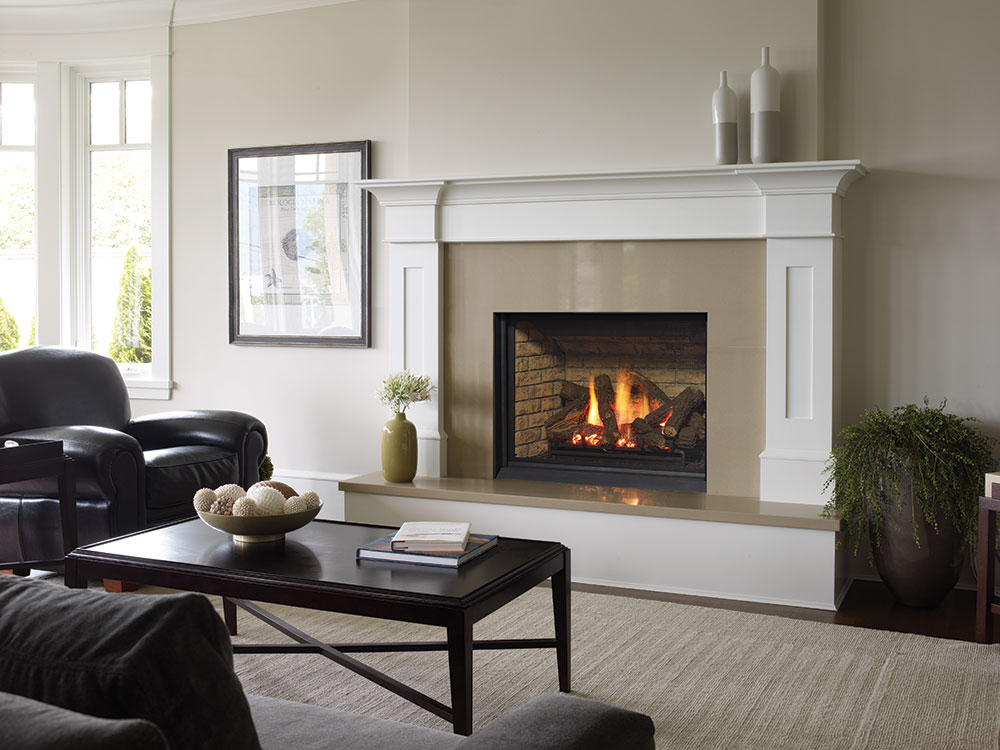
Hearth extensions for wood-burning fireplaces are another common miss. The required depth depends on the fireplace opening size. Many jurisdictions follow 16 inches minimum for an opening under 6 square feet, and 20 inches where the opening is larger. Thickness and thermal protection also matter; a pretty slab can fail if it lacks the right insulating underlayment. With factory-built units, use the exact hearth materials and dimensions in the listing. Swapping materials on the fly can void the listing and fail inspection.
Air supply and room volume
Combustion air and dilution air are subtle but critical. Wood stoves in tight homes can backdraft if the kitchen range hood or dryer runs during a cold start. Some listed fireplaces require an outside air kit to stabilize draft. Direct-vent gas fireplaces pull combustion air through their coaxial vent, which helps, but the room still needs enough volume to handle radiant heat and any secondary leakage. Vent-free gas fireplaces have strict room volume rules because they consume indoor oxygen and add moisture; that’s one reason many regions restrict or ban them. Before choosing an appliance, measure the room, consider adjacent spaces, and confirm the manual’s ventilation and make-up air notes.
Electrical, controls, and safety systems
Gas fireplaces now arrive with electronic ignition, variable-speed fans, lights, and smart controls. That means a receptacle in the chase, a junction box with access, and cable routing that avoids sharp bends or hot surfaces. Plan for a service loop and a way to remove the unit for maintenance without cutting wires. Battery backup systems often require a specific panel location. If you’re coordinating an electric fireplace insert, dedicate the circuit and route the cable so the unit can slide out for service.
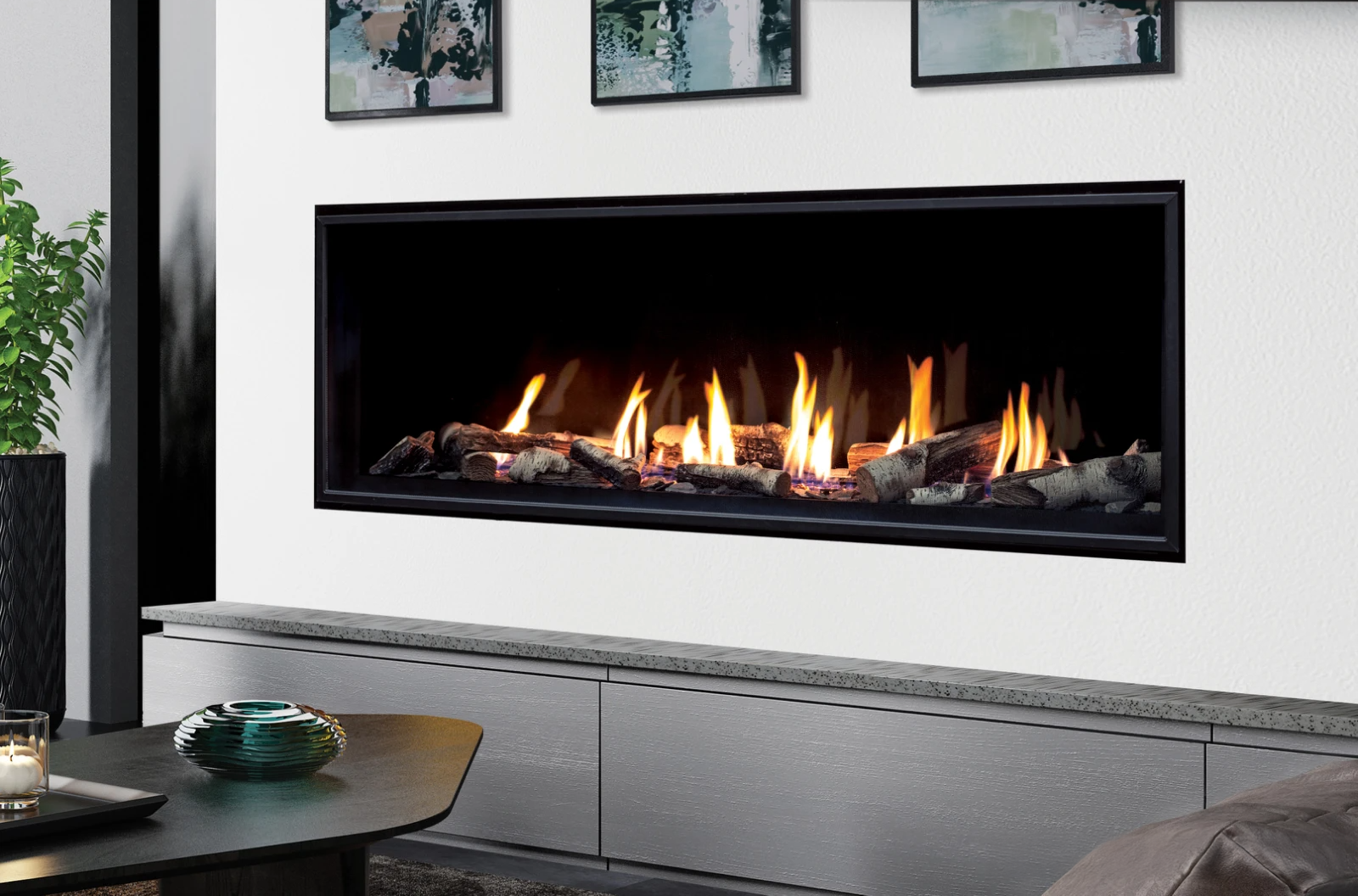
Carbon monoxide and smoke alarms must be up to date and placed per local code. If you convert a wood-burning fireplace to a gas fireplace insert, add a CO alarm on that floor if one isn’t already present. Some inspectors won’t sign off without seeing date stamps on alarms.
When you need a structural engineer
It’s rare, but certain projects trigger structural review. A full masonry fireplace adds significant load, and a rooftop chimney can introduce uplift and lateral forces. Cutting joists or studs to route a vent or build a chase requires approved framing details. When you cantilever a bump-out to house a direct-vent unit, someone should calculate loads and specify connectors. If your plans include built-in stone cladding around a factory unit, check the manual for maximum finish weight and anchoring method.
Working with professionals who know the code
A good contractor will do two things early: pull the installation manual and walk the space to verify createable clearances and vent routes. They will also recommend a chimney cleaning service if a legacy chimney is part of the plan. A thorough sweep and camera inspection followed by a written report sets a baseline. If you see language about cracked flue tiles, missing mortar, offset flues, or inadequate height, budget for a liner or rebuild. On gas projects, licensed plumbers handle the fuel line sizing and pressure test. Electric fireplace inserts call for a licensed electrician to land the circuit and verify AFCI or GFCI requirements based on location.
I’ve had good experiences bringing an inspector into the conversation early when a homeowner wants something unconventional, like a side-vented unit near a property line or a large electric fireplace insert integrated with a millwork wall. A quick email with the unit cut sheet and site photos often saves a redesign later.

Passing the first inspection
Your best chance at a smooth sign-off is preparation. Group documentation in a simple packet: permit card, appliance manual, venting chart, gas line schematic, pressure test results or gauge on site, electrical one-line if applicable, and chimney inspections or liner certifications. Make sure labels on vents and terminations remain visible until final. Keep clearances marked with painter’s tape before finishes go in. If an inspector can see what they need without digging, they are more likely to pass you with a smile and a stamp.
Here is a concise pre-inspection checklist you can adapt:
- Appliance manual printed and on site with model and serial number captured Venting complete, labeled, sealed, and within equivalent length and clearance limits Gas line sized, bonded, pressure-tested, with accessible shut-off and sediment trap Electrical circuit correct for voltage and amperage, with accessible junction or receptacle Chimney cleaned, lined, and documented if using an existing masonry fireplace
Special notes on inserts versus new fireplaces
A fireplace insert is a self-contained appliance sliding into an existing firebox. Gas fireplace inserts use a co-linear vent system that sends one liner up for exhaust and one for intake, both sized to the manufacturer’s specs. Electric fireplace inserts simply plug into a dedicated receptacle or hardwire, depending on model. When you choose inserts, expect the chimney to set boundaries. An offset in the flue can restrict liner size or elbow movement. We sometimes shift the insert a bit or specify a rectangular liner to navigate tight spots, but that is brand-specific and must be listed in the manual.
A new factory-built gas fireplace, by contrast, gives you freedom to place the unit where it performs best, within venting rules. It also means framing a chase, insulating, and installing firestops at each floor or ceiling penetration. Construction sequencing matters: vent and gas rough-in should happen before drywall, and mantel or millwork after the trim-out inspection. With electric fireplaces, sequencing is simpler, but resist the urge to install the unit too early; dust and paint overspray can foul fans and finishes.
Maintenance and ongoing compliance
Once the system is in and approved, maintenance keeps it safe. Gas fireplaces and gas fireplaces inserts benefit from annual service to clean burners, check pressures, and verify vent connections. Sooting on glass or persistent odor are early signs of trouble. Wood-burning appliances need regular chimney cleaning, especially in the first heating season while you learn how your wood and draft behave. Creosote formation varies dramatically with moisture content of the wood and burn habits. Electric fireplace inserts need their intake and exhaust paths kept clear of dust, and fan motors will last longer if the unit isn’t run on high in a closed cabinet.
Chimney inspections come in three levels. Homeowners usually encounter Level 1 during routine service, Level 2 after changes in fuel type or following a chimney fire, and Level 3 when demolition is needed to access concealed areas. If you switch from wood to a gas insert, a Level 2 is often required. A reputable west inspection chimney sweep or similar certified provider will document findings with photos and clear recommendations. Keep those records. If you ever sell the house, they can be worth as much as new paint.
Common pitfalls and how to avoid them
The most frequent failures I see share a few themes.
Vent terminations placed too close to windows or soffit intakes cause recirculation and fume complaints. Verify clearances on paper before you start drilling, and remember operable windows count differently than fixed panes.
Mantels built tight to the opening without checking the manual create expensive change orders after the carpentry is done. Mark mantel limits on the wall before the finish carpenter starts.
Undersized gas lines starve modern appliances that modulate up to high BTU outputs. If you are adding a gas fireplace to a home with a tankless water heater, range, and dryer, have the plumber do a full house gas load calculation and size the manifold accordingly.
Assuming an electric unit will run on any nearby circuit leads to nuisance breaker trips. Read the data tag and pull a new circuit if you need to. It’s cheaper than tearing out finished cabinetry later.
Skipping the chimney cleaning service when installing a gas insert into an old fireplace invites draft problems and odors. A clean, sized liner solves issues before they start.
Codes evolve, so plan with the future in mind
Local codes change every few years, sometimes faster when jurisdictions adopt new energy or safety standards. What passed a decade ago might not meet current rules. Cities are also tightening efficiency and air quality standards, which can influence allowed appliance types. Direct-vent gas fireplaces and sealed wood appliances with certified low emissions remain widely accepted, while vent-free gas fireplaces face growing restrictions. Electric fireplace inserts are gaining traction where builders want flame effect without combustion or venting.
Plan for maintenance access and future upgrades. Leave an extra junction box in an accessible cavity. Choose vent brands with broad availability in your region. Keep the manual sealed in a plastic sleeve behind a nearby access panel. It seems excessive until a service tech thanks you and finishes the call in half the time.
Working sequence for a clean project
Most successful installations follow a rhythm that reduces surprises. First, select the appliance based on room size, desired look, and venting feasibility, not solely on photos. Second, verify code allowances and pull permits. Third, have any existing chimney evaluated and cleaned. Fourth, rough in gas and power with shut-off and access baked into the design. Fifth, route and secure venting or liners according to the manual. Sixth, schedule the rough inspection before closing walls. Seventh, finish surfaces, respecting clearances and mantel limits. Finally, schedule a final inspection, light the unit with the inspector present if requested, and document the serial numbers, gas pressures, and any commissioning settings.
A project that respects those steps often avoids last-minute chaos. Homeowners enjoy the fireplace sooner, and service calls are rare.
Where a pro adds tangible value
I’ve met plenty of capable DIYers, and some installations are within reach if you’re comfortable with framing and finish work. Fuel gas piping, chimney lining, and electrical circuits are areas where a licensed pro pays for themselves. They know local inspectors and the quirks of regional amendments. In colder climates, for example, we often increase vent slopes a touch to deal with condensate and use wind-resistant terminations near open fields. Coastal homes call for corrosion-resistant fasteners and periodic cap replacement. None of that shows up in a glossy brochure, but it makes a difference five winters in.
If you’re shopping providers, look for credentials and experience. NFI-certified technicians for gas and wood, CSIA-certified sweeps for chimney inspections, and licensed trades for gas and electrical. Ask for photos of similar completed jobs and copies of typical permit documents. A contractor who welcomes permits and inspections is usually the one you want.
Final thoughts from the jobsite
A good fireplace installation starts on paper and ends with quiet confidence. The flame looks right, the glass stays clean, the remote responds, and the room feels comfortable. You don’t smell exhaust, hear rattles, or watch the breaker trip when someone runs the toaster. That outcome comes from reading the manual, respecting codes, planning the vent route, sizing the fuel supply, and scheduling the inspections that keep everyone honest.
Whether you end up with a sleek gas fireplace, a traditional wood burner with a lined chimney, or one of the new electric fireplace inserts tucked into a built-in, treat the permit as part of the build, not a hurdle. Use a chimney cleaning service where a legacy flue is involved, document your choices, and keep your inspection records. The fireplace will warm the room on the first cold night and keep working for years, which is the point of doing it right.