
You can feel safety in your bones when a hearth is set up right. The flame looks steady, the glass stays clear, the room warms evenly, and no one is cracking a window because their eyes burn. That is the baseline for a properly installed and maintained gas fireplace. The moment you smell a faint egg odor, hear popping in the vent, or see soot on the surround, that baseline is gone. The question isn’t whether gas fireplaces are safe in theory. The question is whether your specific installation, venting, and usage match what the equipment was designed to handle.
I have installed and serviced gas fireplaces for more than a decade, through winters where we ran them for six months straight, and I can tell you why they get such mixed reputations. They are safer than open wood fires in several ways, but they trade sparks and creosote for gas supply, combustion air, and exhaust dynamics. Understanding those trade-offs will keep your living room warm and uneventful.
The safety profile of gas fireplaces, plainly stated
Gas fireplaces eliminate an entire category of risk that comes with wood: embers popping out, smoldering ashes, and creosote fires in a dirty flue. They also avoid indoor particulate levels that spike when someone cracks the wood stove door too fast. Modern gas fireplaces and gas fireplace inserts include oxygen-depletion sensors, automatic shutoff valves, flame rectification systems that verify ignition, and sealed combustion chambers that pull air from outside rather than robbing your room of oxygen.
On the other hand, they introduce gas and exhaust concerns. Natural gas and propane are safe when contained and burned cleanly, but leaks can accumulate quietly. Exhaust venting can be blocked by nesting birds, snow, or a crushed liner. A cracked heat exchanger or poor seal can allow flue gases to backdraft. None of this means a gas fireplace is inherently risky. It means the numbers favor homeowners who take venting and inspections as seriously as the remote control.
If you want something almost foolproof from a combustion standpoint, you can go electric. An electric fireplace insert has no flame, produces no carbon monoxide, and needs no vent. The trade-off is that it provides ambiance and supplemental heat, not whole-house heating in the coldest climates, and it depends on your electrical panel and the grid rather than a gas line.
How gas fireplaces work when they work safely
A gas fireplace has a few core parts that must cooperate: the gas valve, the burner, the ignition and flame-sensing system, the firebox, and the vent system. Direct-vent units, which are most common today, use a co-axial or two-pipe system. One pipe brings in outside air for combustion, the other sends exhaust out. This sealed approach isolates the flame from living air, stabilizes the burn, and reduces drafts in the room. Vent-free units, allowed in some jurisdictions and prohibited in others, discharge combustion byproducts into the room. Their design keeps emissions below regulatory limits, but they still add humidity and trace gases indoors. B-vent units use room air for combustion and vent up a flue; they are less common in new installations.
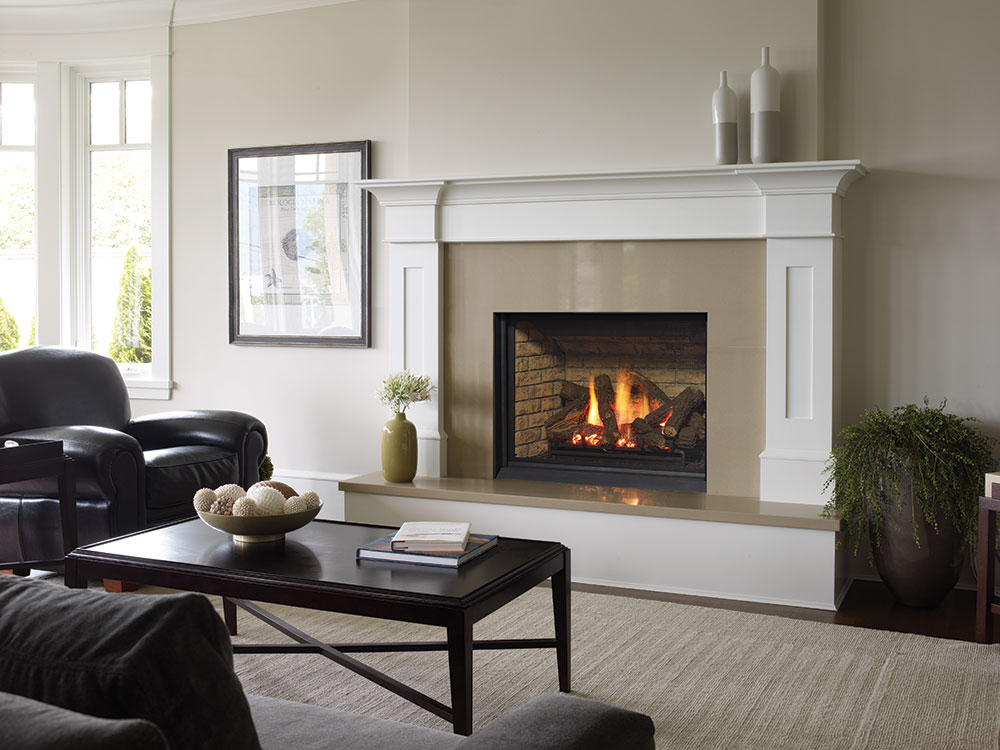
When a gas fireplace is operating correctly you will see a steady flame that washes uniformly over the logs. You won’t see soot collecting on the glass or smell anything beyond a faint warm-metal scent during the first few minutes of use. The glass should get hot but not crackle with thermal shock. If your model has a fan, it should ramp up after the heat exchanger warms and push air evenly without rattling. Controls should respond quickly, and the pilot (on standing pilot models) should be small and blue, not tall and lazy.
The main risks and what keeps them in check
Carbon monoxide is the hazard everyone worries about. You can’t see or smell it, and it binds to hemoglobin two hundred times more strongly than oxygen. Direct-vent gas fireplaces, maintained and vented correctly, produce very little carbon monoxide indoors. The trouble starts with blocked vents, improper draft, cracked seals, or DIY gas piping. That is https://spencermcoq704.theglensecret.com/how-to-prepare-your-home-for-a-chimney-cleaning-service why I will not install a new unit without verifying make-up air and vent clearances, and why I recommend carbon monoxide alarms on every level of the home, especially near sleeping areas. They cost about as much as a tank of gas in the car and they save lives.
Gas leaks are the second concern. The sulfur “rotten egg” smell that utilities add to gas is your friend. If you smell it, leave the house, call the gas company, and let a pro find it. I’ve traced leaks to loose flare fittings behind a valve, a nicked flex connector that someone bent one time too many, and a careless screw that pierced a concealed gas line during a mantel install. These are preventable, and a qualified installer pressure-tests the line before lighting the unit.
Burns and glass contact are less dramatic but common. Tempered glass on a gas fireplace can exceed 400 degrees Fahrenheit within minutes. I’ve seen fingerprints ghosted into the glass from children pressing their hands against it; that is a lesson you don’t want to repeat. Use a safety screen or barrier, and treat that glass the way you would a stovetop.
Sooting and incomplete combustion show up long before they become a life-safety event. You’ll see black on the ceramic logs or white hazing on the glass. Often the fix is as simple as repositioning logs to the manufacturer’s diagram, clearing a spider web in the orifice, or correcting gas pressure. Ignore it and you can foul the glass permanently and contaminate the vent. The same goes for a flame that lifts off the burner and roars; that points to too much primary air or draft anomalies.
Venting is not optional, it is the backbone
A direct-vent fireplace lives or dies on its vent path. Elbows, length, and termination all matter. Deviate beyond the manufacturer’s chart and you’ll see flame instability and higher CO. I have a rule: count elbows twice. Each ninety-degree turn adds resistance to flow, and while the manual provides an equivalent length chart, field conditions rarely match the drawing. If I suspect marginal draft, I choose a larger diameter liner if the equipment allows it, or I re-route to shorten the run. Rooftop terminations need clearances from the ridge and adjacent walls; sidewall terminations need to be away from soffit vents, windows, and building corners that cause eddies.
If you have an existing wood-burning fireplace and you are considering a gas fireplace insert, respect the chimney. Many homeowners assume they can drop a liner anywhere and call it a day. A proper fireplace insert installation uses a listed liner sized to the appliance, sealed to a top plate, and connected to a termination cap that prevents rain and wildlife from entering. Before we run that liner, we carry out chimney inspections from the firebox to the crown, checking for offsets, tile breakage, voids, and prior smoke chamber defects. If we find debris or flaky creosote from the fireplace’s wood-burning past, a Chimney cleaning service clears it before any insert goes in. Debris left behind can fall, plug the liner, and set you up for poor performance or worse.
In older homes with odd chimney geometry, a west inspection chimney sweep in our region once invited me to see a three-offset flue that pinched the liner. The homeowner had tried to push a corrugated liner himself, got it stuck, and crushed a section. That unit produced long lazy flames and smoked the room. A camera inspection found the pinch, and we replaced the liner with a smooth-wall model that could handle the offsets. The unit snapped into clean combustion and the glass stayed clear. Venting changes behavior fast. Get it right and your fireplace rewards you with quiet, reliable heat.
What a safe installation looks like, step by step
Before any fireplace installation, we confirm the gas supply, vent path, and clearances to combustibles. That means measuring gas pressure at the appliance with a manometer and confirming that the meter and regulator can support the BTU load when the furnace, water heater, and range all run together. It also means verifying that the planned vent meets the manufacturer’s tables, not just an installer’s hunch.
A safe install also pays attention to framing and finishes. The clearances in the manual are not “nice to haves.” Mantels must sit above a certain height. Surround materials must meet temperature limits. I have seen stone veneer fail because the adhesive was not rated for high heat and the backer board bridged the fireplace chassis, creating a thermal path that baked the adhesive. That is not a gas safety issue, but it is a homeowner liability and a headache that feels preventable because it is.
Once the unit is in, we test draft, leak-test connections with a non-corrosive solution, and check flame quality at high and low fire. Glass is cleaned with the right product for the ceramic coating. We place the logs exactly as shown in the diagram. People think that is aesthetic; it is not. Misplaced logs deflect flame, cool parts of the burner, and create soot. We label the shutoff valve, explain the remote and pilot modes, and review basic safety with the homeowners. A conscientious setup is part installation, part education.
Maintenance that actually matters
Most gas fireplaces need an annual visit, especially if they run daily for several months. Some owners stretch it to two years if their unit stays spotless and performs well, but they still test their CO alarms monthly and keep vent terminations clear. The cleaning itself is not glamorous but it pays dividends. We pull the glass, dust the logs with a soft brush, vacuum burner ports, clear any spider webs from the air shutter, and check the pilot assembly. We verify millivolts on standing-pilot systems and inspect wiring and connections on electronic ignition models. We look for glass gasket degradation and tighten any loose fasteners.
Chimney inspections stand alongside that seasonal care. If your gas fireplace insert vents through a lined chimney, you want a sweep who understands gas appliances, not only wood. Combustion byproducts from gas can be mildly acidic and they condense if the flue is oversized or cold, corroding liners over time. A pro will notice a white powder residue around the termination and look down the stack to confirm. If the liner is damaged, replace it before winter. Good sweeps also spot wildlife nests early, and they know how to check sidewall vents hidden behind shrubs. Those checks cost less than a service call for a no-heat night in January.
Are vent-free gas fireplaces safe?
This is the most polarizing topic in my field. Vent-free units are legal in many states and barred in others. They are engineered to burn cleanly enough to meet indoor air standards, and they include oxygen depletion sensors that shut them down if room oxygen drops. I have installed them in dens with high ceilings and good makeup air where the customer wanted flame on a wall without drilling a vent. Those jobs went smoothly.
My hesitation is not theoretical. These units still release water vapor, nitrogen dioxide, and trace pollutants into the room. Put one in a small, tight bedroom and you will fog the windows and wake with a dry throat. People sensitive to combustion byproducts may feel it. Local codes often prohibit them in sleeping rooms and limit BTUs per square foot. If you choose vent-free, follow the manual word for word and expect to crack a window from time to time. I prefer direct-vent for most homes because it takes air quality risks off the table.
Electric fireplace inserts as a safety benchmark
An electric fireplace insert eliminates combustion risks and the need for a chimney. If you have a sealed chimney or you live in a condo where drilling an exterior wall is a nonstarter, electric can give you a visual flame effect and gentle heat with almost no maintenance beyond dusting. Installation is straightforward: a dedicated circuit for larger models, proper clearances around the unit for ventilation, and an outlet placed legally in the cavity, not a cord snaked through the surround.
Electric fireplace inserts are also handy in homes where young kids touch everything. The fronts get warm but usually not dangerously hot, and there is no glass panel that hits stovetop temperatures. The downside is heating output. Most are limited to 1,500 watts, which means around 5,000 BTU of heat, enough to take the edge off a room but not replace central heat on a 10-degree night. Match the tool to the job. If you need ambiance and a buffer, electric works. If you want to heat a big space in a cold climate during a power outage, stay with gas fireplaces paired with a backup power plan for the blower.
Common myths I still hear and what the evidence says
“Gas fireplaces don’t need any chimney services.” If you have a direct-vent unit with a sidewall termination, you still need visual checks and occasional cleaning of the intake and exhaust screens. If you have a gas fireplace insert venting through a chimney, you absolutely benefit from a Chimney cleaning service when debris accumulates. Birds do not read manuals.
“CO alarms are redundant because the unit is sealed.” Sealed does not mean infallible. Gaskets age. Vents get blocked. Homes change pressure when bath fans, range hoods, and dryers run together. CO alarms provide a safety net that costs little and sits quietly until needed.
“Logs can be arranged any way because they’re ceramic.” Manufacturers test combustion with specific log placement. Move a log forward and you can deflect flame into the glass, overheat the pane, and cause sooting. The manual’s photo spread is not a suggestion.
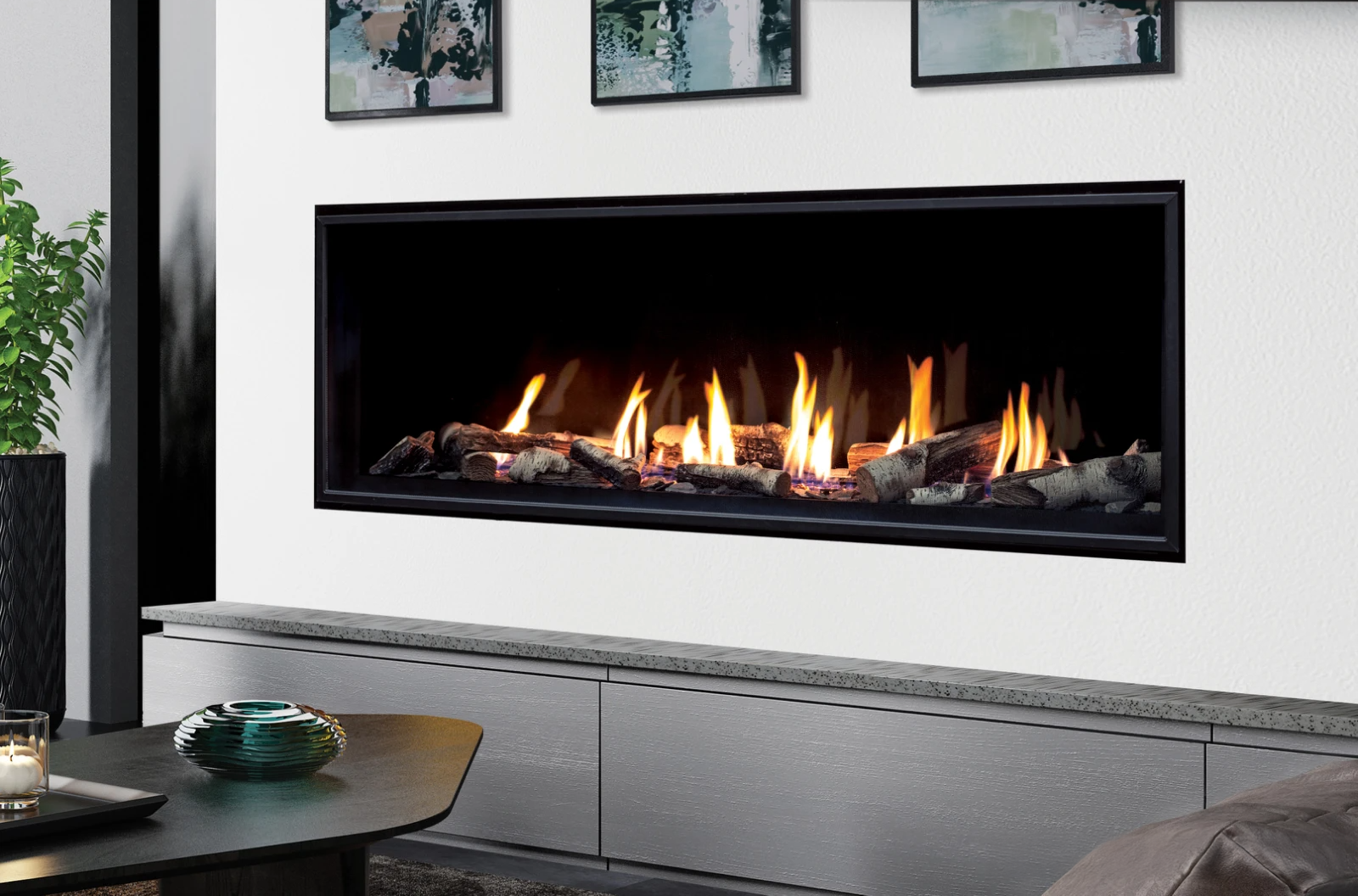
“If it starts, it’s safe.” Ignition proves the pilot and gas valve work. It does not prove the vent is clear, the draft is stable, or the flame is clean. Take a minute to observe the flame pattern and listen to the blower. Short cycling, surging flame, or staining on the glass are early clues.
“Electric fireplace inserts cost more to run.” It depends on your utility rates. At typical rates, 1,500 watts costs less per hour than a gas unit at high fire in some regions and more in others. The bigger difference is heat output; gas models can deliver several times the BTUs.
Signs your gas fireplace needs attention
A gas fireplace tells on itself if you watch it. The flame color should be mostly yellow tipped over blue, not all blue like a stove burner and not deep orange with soot at the tips. The glass should stay clear for months, not haze every week. The pilot should not blow out in a light draft. If you hear popping or see flames lifting off the burner, the air-fuel mix is off. If the remote becomes erratic, it might be low batteries, but it could also be a failing thermopile.
In one townhouse we service, a homeowner called about a chemical smell after ten minutes of use. The house was freshly painted, and the VOCs drove the odor higher when heated. We ran the unit with the windows open for an hour and the smell faded. Had the smell continued, I would have measured CO and checked the vent termination for blockage. Not every smell is a hazard, but every unexpected odor deserves attention.
Choosing the right unit for your home
Start with the room and the goal. A large, open living room in a northern climate pairs well with a direct-vent gas fireplace sized for the space, usually in the 20,000 to 35,000 BTU range, controlled by a thermostat. A smaller den or a bedroom, where allowed, might suit a lower-output unit or an electric fireplace insert if you want ambiance and gentle heat. If you have a masonry fireplace that sits unused because it’s drafty, a gas fireplace insert can transform it. Just budget for a full vent kit and any masonry work needed to prep the cavity.
Installation quality matters as much as brand. Work with a contractor who shows you the venting chart before you sign, who offers chimney inspections when an insert is involved, and who responds to questions without hand-waving. Ask who handles warranty service. The company that sells and installs your unit should be willing to stand behind it in January, not just in September when the schedule is quiet.
Practical safety habits that make a difference
Here is a compact routine that keeps most systems out of trouble.
- Test carbon monoxide alarms monthly and replace them every five to seven years per the manufacturer’s label. Keep the safety screen or barrier in place and teach children that the glass is hot. Consider a hearth gate for toddlers. Look at the flame for a minute at the start of the season. If it is unstable, too blue, or sooty, schedule service. Keep the vent termination clear of snow, leaves, and nests. Check after big storms and in spring. Book annual service with a qualified technician and, if you have a chimney, schedule a sweep for chimney inspections at the same time.
Where professional help earns its keep
A good technician does more than vacuum dust. They measure gas pressure at the manifold, adjust air shutters, verify the vent’s integrity, clean and reseal the glass, and test safeties. They know the difference between a thermocouple and a thermopile and carry both on the truck. They also know when a unit is at the end of its safe life. I once condemned a twenty-year-old B-vent unit that backdrafted in a tight retrofit. The homeowner chose a new direct-vent model, and the problem vanished. No amount of cleaning would have fixed the underlying draft conflict.
If your unit is part of a fireplace insert conversion, a competent sweep and installer team will coordinate. The sweep confirms the chimney is sound and clean, the installer sizes and runs the liner, and both return for a final check after a couple of weeks of use to make sure the system stays stable as the house settles into winter. That follow-up, often overlooked, catches small issues before they grow.
The bottom line for homeowners
Gas fireplaces are safe when they are matched to the space, installed to the book, and maintained with modest discipline. They offer steady heat, real flame, and lower indoor particulates than wood. Their risks are predictable and manageable: respect the vent, verify combustion, and watch for the small signs that tell you something has drifted out of tune. If you want heat and flame without combustion, electric fireplace inserts serve well, especially in tight spaces or buildings with venting limitations.
If you remember nothing else, remember this: warmth and safety travel together when you give the equipment the air it needs, the venting it requires, and the attention it deserves. A fireplace should be the most relaxing feature in your home. A little vigilance upfront keeps it that way through every long winter night.