
Your mouth tells a story long before you feel a toothache. A seasoned dental hygienist learns to read that story in a few minutes: the way plaque settles behind lower incisors, the faint bleeding along the gumline, the grind marks on your molars from a stressful month. Hygienists spend their days catching small problems while they are still simple and coaching patients through habits that pay off years down the road. If you think of your dentist as the architect of your oral health plan, the dental hygienist is the builder and the daily project manager.
This role deserves a clear explanation, because many people mistake a hygienist for a “cleaning technician” and miss the depth of training and judgment involved. Preventive care is not just polishing your teeth. It is risk assessment, diagnostics, gentle troubleshooting, and patient education, delivered in 45 to 60 minute blocks with real people who arrive with busy lives and varied needs.
Training, scope, and how hygienists work with dentists
Dental hygienists complete accredited college programs with coursework in anatomy, periodontology, radiology, pharmacology, and infection control. In most jurisdictions they pass national board exams and a clinical assessment before licensure. Day to day, they work within a scope set by provincial or state regulations. That scope usually includes dental exams focused on periodontal health, oral cancer screening, X‑rays, dental scaling, root planing, application of fluoride and sealants, and patient counseling on home care.
Hygienists collaborate closely with dentists. During a typical visit, the hygienist gathers data and provides preventive care, then briefs the dentist for a comprehensive exam. If the dentist recommends a filling, a crown, a dental implant, or a root canal, the hygienist helps the patient understand the plan, the alternatives, and how to maintain the result. In clinics that provide cosmetic dentistry, orthodontic braces, or teeth whitening, hygienists often handle pre‑treatment assessments and aftercare instructions because prevention still matters when a smile looks perfect.
The practical difference shows in workflow. A hygienist’s assessment sets the tone. If your gum measurements show deep pockets or significant bleeding, the dentist may change the day’s plan from a routine polish to periodontal therapy, or add diagnostic steps before moving ahead with cosmetic veneers or teeth whitening.
The first few minutes matter: assessment with a trained eye
I like to sit patients upright for a brief conversation before the exam. People clench less when we talk about concerns in that position, and they offer more details. Sore jaw on waking, bleeding after flossing, sensitivity to cold. Those clues guide the order of operations. If someone is uncomfortable, I aim to resolve the source early so the rest of the appointment is easy.
The clinical assessment begins with a visual scan of the soft tissues: cheeks, tongue, floor of the mouth, palate, tonsillar area. This doubles as an oral cancer screening. We look for asymmetry, color changes, ulcers that do not heal within two weeks, and any unusual lumps. I palpate under the jaw and along the neck, feeling for enlarged nodes or tenderness. Most findings are benign, like a canker sore or a blocked salivary gland that clears with hydration. Once in a rare while, I see a lesion that warrants a prompt referral. Catching something early can change a life, and it starts with eyes trained not to rush.
Next comes the periodontal charting. Using a thin probe, I measure the sulcus depth around each tooth. Healthy gums usually measure 1 to 3 millimeters with minimal bleeding. Depths of 4 millimeters suggest early periodontal involvement; 5 millimeters and beyond raise concern about bone loss. Bleeding on probing is a useful marker of inflammation. A hygienist notes the pattern. Localized bleeding along the lower front teeth often points to calculus buildup and flossing lapses. Generalized bleeding may tie to systemic factors like diabetes, pregnancy, or medications that influence gum response.
Radiographs, when indicated, complement the picture. Bitewings visualize interproximal areas between teeth where decay loves to start, and they provide a snapshot of bone levels. Periapicals focus on individual teeth when there is pain, a deep pocket, or a suspected abscess. We follow evidence‑based schedules for X‑rays based on caries risk, not on a fixed annual ritual. A low‑risk adult might need bitewings every 18 to 36 months; a high‑risk patient with frequent cavities needs them more often. In London, Ontario and elsewhere, dental clinics adopt similar risk‑based protocols because they respect radiation safety and diagnostic value.
The heart of hygiene: scaling, root planing, and biofilm control
Plaque is not just debris. It is a living biofilm that hardens into calculus when left undisturbed. Calculus creates a rough scaffold where more bacteria adhere, which inflames the gums and deepens pockets. The hygienist’s key task is mechanical disruption of that biofilm and removal of calculus so the tissues can heal.
We use ultrasonic scalers that vibrate at high frequency with a cooling water stream, paired with hand instruments that refine the finish. The choice depends on the surface and the patient. Ultrasonics are efficient for heavy calculus and stain. Hand scalers excel in tight spaces and along delicate root curves. A good hygienist moves with economy: light fulcrums for stability, gentle but confident strokes, frequent checks for patient comfort. I prefer to tackle the lower anterior calculus early because patients feel an immediate difference and relax.
When periodontal pockets deepen beyond 4 millimeters, a standard cleaning won’t do. Root planing, sometimes called deep cleaning, smooths infected root surfaces below the gumline and disrupts bacteria within pockets. This is often done quadrant by quadrant, sometimes with local anesthesia for comfort. I set expectations realistically: after root planing, the gums may feel tender for a day and teeth can be sensitive to cold for a week or two. The payoff, measured at a 6 to 8 week re‑evaluation, is reduced bleeding and shallower pockets. Not every site responds equally. Furcation areas on molars, where roots divide, are notorious harbors. That is where technique, time, and targeted home care are critical.
Polish, fluoride, and sealants: small touches with outsized value
Polishing removes residual stain and plaque that scaling did not reach. A hygienist chooses the least abrasive paste that will do the job. People often think the minty smooth feel after polishing is the point of the visit. It is pleasant, but the biology changed during scaling and root planing. The polish is the bow on the package.
Fluoride varnish is a workhorse. It adheres to teeth for several hours, strengthens enamel, and reduces sensitivity. I use it selectively in adults with exposed roots, white spot lesions after orthodontic braces, or a run of new cavities. For children, I often add dental sealants on molars once they fully erupt. A sealant is a thin, protective coating that blocks bacteria from settling into deep grooves. It is quick, painless, and buys years of cavity prevention when applied correctly.
The part everyone remembers: practical coaching that fits a real life
No one benefits from a lecture. Coaching works when it respects the reality of a patient’s routines. I ask what is already working, then look for the smallest change with the biggest impact. For many, that means building a habit around the toothbrush that they already use.
A few sharp observations help. If someone has thick calculus behind the lower front teeth, I suspect a high mineral content in saliva and a flossing gap. I show interdental brushes because they can be easier than floss for certain contacts. If I see toothbrush abrasion near the gumline, I switch them from a hard brush to a soft powered brush and demonstrate a light grip. For long coffee drinkers considering teeth whitening, I discuss stain management and timing. Whitening works best after thorough cleaning and when gum tissues are healthy. Whitening gels do not lift intrinsic discoloration from tetracycline stains or old fillings, and sensitivity can spike if gums are inflamed.
When orthodontic braces are in place, hygiene becomes both harder and more important. Food traps under brackets fuel plaque growth. I routinely demonstrate threaders, water flossers, and a two‑minute per quadrant approach for brushing. Patients who master that routine finish orthodontic treatment with healthier gums and better long‑term stability.
When prevention leads to bigger conversations
A hygienist often spots early signs that require the dentist’s intervention: a shadow on a radiograph between molars that signals decay, a cracked line that collects stain and catches a sharp explorer, or a fractured cusp that explains a sudden zing with cold water. We translate those findings into plain language and options.
Fillings restore structure and stop decay from advancing. If a crack or decay runs under a large portion of the tooth, a crown may be wiser than risking a fracture later. Root canal treatment looks intimidating on paper, but it can save a tooth that would otherwise need extraction. I have watched people return to coffee and ice cream happily days after a root canal once the infection settled. If a tooth cannot be saved, a planned tooth extraction performed gently and followed by thoughtful replacement beats waiting for pain to dictate the timetable.
Replacement options differ. A dental implant, placed by a dentist skilled in surgery or a dental implants periodontist, feels most like a natural tooth and helps preserve bone. Fixed bridges can work when neighboring teeth need crowns anyway. Dentures, either partial or full, restore chewing and confidence when multiple teeth are missing. Whether in a downtown dental clinic or a suburban office, the hygienist’s role does not fade after these procedures. We guide maintenance: how to floss around an implant, how to clean under a bridge, and how to soak and brush dentures without warping them. In regions like London, Ontario, you will see clinics offering dental implants London Ontario, dentures London Ontario, and emergency dentist London Ontario services under one roof. Hygienists anchor continuity between departments so the patient’s daily care remains coherent.
Periodontal disease and systemic health
Gum disease is not just a mouth problem. Research links periodontal inflammation to harder blood sugar control in diabetes and associates active gum disease with increased cardiovascular risk markers. Correlation is not causation, but I have watched diabetic patients who improved flossing, used interdental aids, and completed periodontal therapy show better glycemic readings, alongside healthier gums. Conversely, chronic periodontal inflammation tends to flare in people under heavy stress or sleep deprivation, often the same patients who clench and grind at night.
We measure success with tangible markers: less bleeding on probing, shallower pockets, and stable radiographic bone levels. Patients sometimes expect instant results. Healing is incremental. Think in three‑month checkpoints, not overnight miracles. I occasionally add localized antimicrobials in deep, resistant sites. They are not a cure by themselves, and I am frank about that. The foundation remains mechanical biofilm control at home and in the chair.
Pain control and comfort: small techniques, big difference
A routine hygiene visit should not hurt. Most discomfort comes from inflamed tissues or heavy buildup. Topical anesthetic gels, buffered local anesthesia when needed, and mindful technique turn an anxious appointment into a tolerable one. I coach slow nasal breathing and strategic breaks. Patients who clench tend to lift their tongue and tense their shoulders. A gentle reminder to drop the shoulder and rest the tongue softens the whole jaw. Those details matter as much as which scaler I pick up.
Sensitivity after cleaning is common where recession exposes roots. Fluoride varnish, desensitizing pastes, and adjusting brushing technique usually settle things within days. I warn people ahead of time so they are not surprised. If sensitivity persists, we revisit occlusion and assess for hairline cracks, which sometimes need a dentist’s attention.
Cosmetic goals that last: whitening, veneers, and healthy gums
Cosmetic dentistry only looks good when the foundation is healthy. For professional teeth whitening, I prefer to stage it after we stabilize gum health and complete any necessary fillings. Whitening gels do not change the color of composite fillings or porcelain veneers, so sequence matters. A cosmetic dentist planning porcelain veneers will often ask for a hygiene visit just before impression appointments to ensure margins are clean and the color match is accurate. In clinics marketing cosmetic dentistry London or teeth whitening London Ontario, a hygienist is often the first professional to map out stain patterns, sensitivity risk, and realistic shade targets.
I temper expectations with real numbers. Many patients jump two to four shades with in‑office whitening, then maintain with custom trays at home. Heavy smokers or daily black tea drinkers need more maintenance. If someone dreams of an unnaturally white shade, we talk about translucency and how teeth that look like bathroom tiles can read as fake in daylight. Subtlety wins in photos and in person.
Emergencies and triage
Hygienists play a quiet but essential role in emergency dental service. During a phone call or a quick chairside screening, we help triage: severe pain with swelling, trauma from a fall, a crown that popped off before a job interview, or a dry socket after a recent extraction. We give practical advice for the hours before the dentist can see the patient. Keep the crown, avoid chewing on that side, rinse gently with warm salt water, manage pain as advised. If there is a spreading infection or fever, we escalate quickly. Emergency dentist London and emergency dentist London Ontario listings often include hygienists on the front line fielding those first calls, and experience in triage keeps small crises from becoming big ones.
Myofunctional habits and the bigger picture
Occasionally the pattern of plaque, gum irritation, and wear tells a deeper story. Mouth breathing, tongue thrusting, and low tongue posture can drive narrow arches, open bites, or gingival recession over time. Myofunctional therapy enters the discussion when I see those signs, especially in children or adults considering orthodontic braces. Correcting oral posture and swallowing patterns can support stable orthodontic outcomes and better sleep. It is not a buzzword. It is another preventive tool that addresses cause rather than just effect.
What a productive hygiene visit looks like
Patients often ask how to judge whether a visit went well beyond the obvious clean feeling. Here is a concise checklist that reflects quality without jargon.
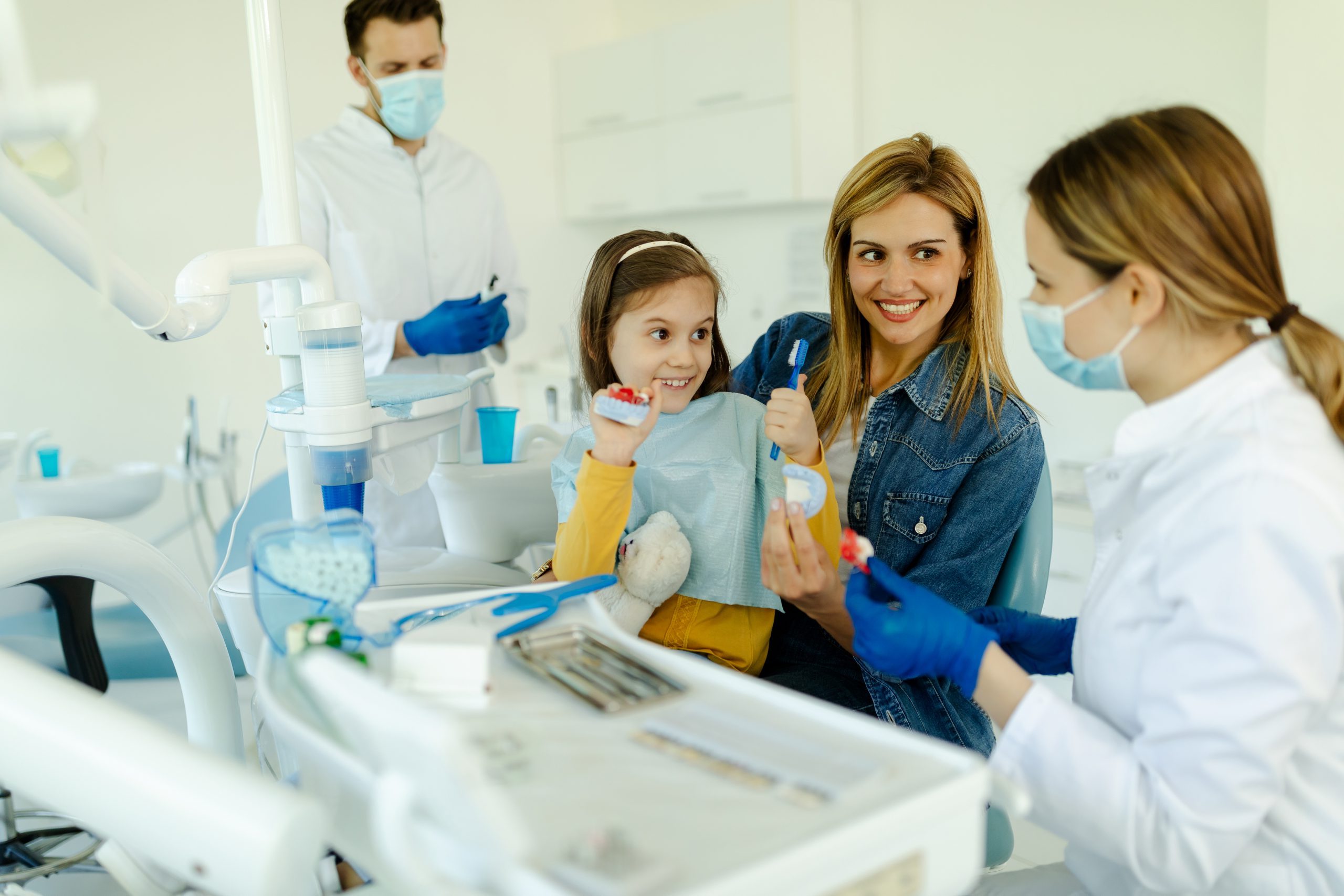
- You left with a clear sense of your current gum health, not just “everything looks fine.” Any recommended X‑rays were explained, including why they were needed now. You received one or two specific home‑care tweaks to try, based on your mouth, not a generic script. Sensitive areas were addressed during the visit, with a plan if symptoms persist. Next steps were discussed in practical terms, whether that means a routine recall, targeted periodontal therapy, or a consultation for fillings, implants, or whitening.
Recall intervals: why three, four, or six months is not one‑size‑fits‑all
Every mouth has its own ecosystem. Some people grow plaque slowly and have resilient gums. They thrive on six‑month recalls. Others build calculus quickly or have systemic risks that tip them toward inflammation. They do better on three or four‑month intervals. I decide by combining data points: bleeding percentage, pocket depths, calculus rate, dexterity and compliance, and history of decay. Insurance schedules are helpful, but biology sets the true cadence.
For patients with implants, I prefer three or four‑month maintenance for the first year. Peri‑implant tissues behave differently than natural gums, and bone loss can advance quietly. Hygienists adjust instruments to avoid scratching implant surfaces and focus on meticulous plaque control. Education is essential: a water flosser plus interdental brushes around implant crowns can reduce inflammation dramatically.
A note on children, teens, and braces
With children, prevention pays the highest dividend. Fluoride exposure, sealants, and coaching parents on snack patterns change trajectories. I measure growth and arch development informally during recalls. If I see crowding signals or a crossbite going unaddressed, a timely referral to discuss orthodontic braces can simplify future treatment. Teens in braces need practical routines, not guilt. We work out a two‑minute morning and a three‑minute night plan, and we celebrate visible improvement. Compliance often improves when they hear that healthier gums mean less discomfort at adjustment visits and a brighter reveal when the brackets come off.
How hygienists support major treatments
Big dental services require small daily habits to succeed. After a tooth extraction, I review clot protection, gentle rinsing after the first 24 hours, and what to avoid so the socket heals. For dental implants, I walk patients through the timeline: site preservation if needed, implant placement, healing check, and the final restoration. During that span, we police plaque vigilantly. With new dentures, I coach insertion and removal, storage, and tissue rest, plus the reality that sore spots are normal in the first week and easily adjusted. These conversations are where empathy matters. I have seen a first‑time denture wearer near tears on day three, then smiling at day ten after two small adjustments and a pep talk.
Choosing a clinic and a team that fits
Patients in mid‑sized cities have many options, from a neighborhood dental clinic London to a larger practice that offers cosmetic dentistry London Ontario, dental implants London, or teeth whitening London. The quality of hygiene care depends less on the zip code and more on how the clinic schedules time, invests in continuing education, and values prevention. If every hygiene slot is compressed to 30 minutes, corners get cut. If the team meets regularly to review protocols for radiographs, periodontal therapy, and implant maintenance, outcomes tend to improve.
A quick way to gauge fit is to listen for curiosity. Does the hygienist ask about your routines, medications, and comfort level, or do they rush to polish? Do they coordinate smoothly with the dentist, especially when decisions touch cosmetic dentist services like porcelain veneers or when considering referrals to a dental implants periodontist? Preventive care is relational. It thrives in clinics where hygienists are trusted clinicians, not just the prelude to “the real appointment.”
Costs, value, and how prevention saves real money
People sometimes view hygiene as a line item to trim when budgets tighten. The math tells a different story. Skipping a couple of cleanings can transform a small area of bleeding into a periodontal pocket that needs root planing. Neglected decay between molars often escalates into the need for a crown or even a root canal within a year or two. A single avoided crown can pay for years of preventive visits. That is before you count the comfort and time saved by staying ahead of problems.
For patients comparing options in a market like Dentists London Ontario, pricing will vary modestly across practices, but the biggest variable is the https://paradigmdental.ca/our-dental-care-services/dental-implants/ quality and thoroughness of care. A thorough cleaning with personalized coaching is worth more than a quick polish that leaves risk unaddressed.
The human side: what experienced hygienists learn over time
Experience sharpens judgment. I have had patients return after a tough season of caregiving or exams with gum inflammation that did not exist six months earlier. We adapt, forgive, and reset routines. I have watched new parents navigate the first teething months and guided them on wiping gums, timing the first dental exams, and avoiding bedtime bottles that bathe teeth in sugar. I have seen anxious adults delay treatment until an emergency forces an urgent visit. With a calm approach and clear explanations, their next appointments go smoother. Small wins add up: less bleeding, a new habit that sticks, a teenager who takes pride in clean braces, a coffee lover who finally keeps stain at bay.


Hygienists are translators between dental science and daily life. We focus on the quiet victories that prevent the dramatic ones. You may think you came for a teeth cleaning. What you receive is a partnership, one that keeps you out of the emergency chair, extends the life of your fillings and crowns, supports cosmetic goals, and preserves the simple pleasure of eating without worry.
If you have not met your hygienist yet, or if past visits felt rushed and impersonal, ask for a longer appointment and a conversation about your goals. Bring your questions about whitening, braces, implants, or dentures. A good hygienist will map a path that fits your mouth and your schedule, and will hand you two or three tools you can actually use. That is preventive care at its best: practical, respectful, and the most cost‑effective dental service you will ever receive.