
I have sat with people who carried nightmares for decades and watched them breathe easier after ten well paced sessions. I have also watched highly motivated clients stall when the plan was wrong for their history. Trauma therapy is not a single road. It is a set of maps, some well tested, some promising, and a few that lead nowhere good. The trouble is that myths about what works and why still shape choices people make. Some myths scare people away from care. Others push them into approaches that do not fit. The research is clearer than the rumor mill, and it points toward a blend of precision and compassion.
What has the strongest evidence
When someone walks in with posttraumatic stress, the most consistently effective options are trauma focused therapies that target the memory and its meaning. Prolonged Exposure, Cognitive Processing Therapy, and EMDR top the list. Across many randomized trials, these treatments reduce core PTSD symptoms for a large share of clients, often within 8 to 16 sessions. Outcomes are not identical, but they are broadly comparable. That tells us two things. First, spending time with the memory and its consequences matters. Second, there is more than one efficient route to relief, so fit and preference are not trivial.
Medication can help with sleep, hyperarousal, or depressive symptoms, but on its own it rarely resolves trauma memories. SSRIs have mixed but meaningful benefits for some people. Prazosin sometimes helps with nightmares, although results vary by study. For many, the most durable relief arrives when medications, if used, sit alongside therapy that addresses avoidance, distorted beliefs about self and world, and the body’s fight or flight habits.
Complex trauma has a different contour. When the injuries stretched across childhood or involved repeated betrayal, people often benefit from a staged approach: first stabilize and widen the window of tolerance, then process memory, then build life skills and connections. This can take longer, and that is not a failure. It is a reflection of what the nervous system needed to do to keep someone alive.
Myth 1: You must relive the worst moments in graphic detail to heal
People often fear that therapy will force them to re-experience every sensory detail. Good trauma therapy does not chase intensity for its own sake. It aims for engaged, safe contact with the memory, not drowning in it.
Exposure therapy asks you to face what you avoid, yet that can be paced. We choose starting points, decide on duration, plan how you will ground and how you will know when to pause. EMDR works with a snapshot of the memory while guiding the brain’s natural information processing, often without verbalizing every detail. Cognitive Processing Therapy sometimes processes trauma with little in-session recounting, focusing instead on the meanings you drew from the event, like responsibility or safety.
The point is to reconsolidate the memory so it becomes a memory, not an ever present trap. People can do this work without describing things they do not want to put into words. Mastery is the target, not exposure for exposure’s sake.
Myth 2: Avoidance keeps me safe
Avoidance is adaptive during danger. It also maintains PTSD when danger has passed. When you avoid reminders, your brain never updates its prediction that the reminder equals catastrophe. Over time, life shrinks. Research on exposure shows that when contact with feared reminders happens predictably, in tolerable doses, and with recovery time, the feared response diminishes. Improvement rarely arrives all at once. It looks more like small circles of avoidance turning into small circles of agency: one street you drive again, one conversation you no longer dodge, one room in the house that stops feeling haunted.
Avoidance also lives in the body. People hold their breath, freeze their eyes, or lock their pelvis without noticing. That is one place somatic therapy can help, because it teaches you to feel, name, and influence those patterns. Not magical, just skilled training of the same nervous system that once went to red alert for good reason.
Myth 3: Talk therapy is enough for trauma
Unstructured talking helps with grief, shame, and loneliness. It is not, by itself, a reliable way to resolve traumatic memory. Without a plan that names avoidance, discusses how memory reconsolidation works, and trains you to tolerate the sensations that come with processing, people often recycle the same story and feel worse.
That does not make talk cheap. It means the talk should be directed. Cognitive interventions that question beliefs like I should have stopped it, or The world is permanently dangerous, matter a great deal. They are even more potent when paired with in-session experiences that let your body discover something new, like the fact that your chest can swell with breath without disaster following, or that you can feel your feet on the floor while thinking about the day you used to float away from.
I have seen clients make clear progress when standard cognitive therapy stalled after we added specific skills from somatic approaches: tracking body sensations for a minute or two without judgment, shifting posture to support a sense of agency, or using eye gaze and head turning to exit a freeze response. This is not mystical, it is motor learning plus attention training. The evidence for named brands of somatic therapy varies, and not every claim holds water. Still, when bottom up methods are used thoughtfully, they tend to improve tolerability, reduce dropouts, and help clients stay present long enough for the hard work to take root.
Myth 4: Somatic therapy is pseudoscience or, on the flip side, the only real way to heal
Both extremes miss the mark. Body focused work rests on robust physiology. Interoception, breath mechanics, the vagus nerve’s role in arousal, and the way muscles lock and release under threat are not fringe ideas. Some named modalities overpromise, and a few rely on theories that get the biology wrong. That does not nullify the value of well chosen techniques.
There is encouraging evidence for trauma sensitive yoga improving PTSD symptoms in some groups, with effect sizes in the small to moderate range. Movement therapy that emphasizes choice, titration, and present moment attention often helps people reenter their bodies without overwhelm. Somatic therapies that ask you to complete hypothetical fight or flight responses or tremor until a memory clears can be useful for a subset, but they are not universally validated, and they should not replace therapies with stronger evidence unless there is a specific reason. A good integrative plan looks at your goals, symptoms, and tolerance, then blends top down and bottom up methods.
Myth 5: EMDR works because of eye movements that unlock the trauma center
EMDR works for many. The eye movements may help by taxing working memory during recall, which can reduce the vividness and emotional punch of a memory. Tapping or bilateral sounds sometimes do the same. The mechanism is debated, and EMDR also contains ingredients common to other effective treatments: careful preparation, graded exposure to the memory, and updated meaning. The takeaway is practical. If you like its structure and find the bilateral stimulation helpful, EMDR is a sound choice. It is not magic, and its benefits do not imply that your trauma was stuck in a brain region waiting for a finger wag to set it free.

Myth 6: Trauma therapy has to take years
For single incident trauma without complicating factors, many people see strong gains within a few months. Prolonged Exposure often runs 8 to 12 sessions. Cognitive Processing Therapy is commonly delivered in 12 sessions. EMDR protocols vary, but briefer courses are common for discrete events. Treatment length expands with complexity: chronic childhood abuse, ongoing threat, severe dissociation, or comorbid substance use often require longer, staged work. Therapy moves at the pace of safety. That is not a promise of slowness, it is a commitment to do the right thing at the right time.
When therapy drags without direction, re-evaluate. Are we still orienting, a state that feels safer than moving? Are we avoiding the avoidances? Is homework inconsistent because the plan does not fit your life? Course corrections are normal. Research shows that early shift in avoidance and beliefs predicts better outcomes. If nothing shifts by session four or five, speak up and adjust.
Myth 7: If therapy makes me feel worse after sessions, it is retraumatizing
Discomfort is part of exposure and memory processing. A brief spike in distress after a hard session is expected. Retraumatization means harm that overwhelms your capacity to cope in a way that echoes the original injury. Good therapy guards against this by teaching you to monitor arousal, choose when to slow down, and close sessions well.
I teach people to recognize signs that they are outside their window of tolerance: tunnel vision, numbness with panic underneath, losing time, or feeling unreal. When these show up, we step back. Processing is not a hero’s trial. The right dose is the one that leaves you spent but intact, and able to return the next week with some curiosity about what changed.
Myth 8: Children are too young for trauma therapy, or they must rehash everything to get better
Children and teens respond well to structured, developmentally sensitive trauma care. Trauma Focused CBT has a strong evidence base for kids, and it typically involves caregivers. The work includes coping skills, gradual exposure in storytelling or play, and practice reclaiming safe routines. The details of the event are handled with care, often through drawings or brief narrative chunks tuned to the child’s capacity.
Attachment therapy is a phrase that covers a lot. At one end are attachment informed treatments that are gentle and effective, like Circle of Security, parent child interaction that fosters safety, or dyadic developmental psychotherapy principles that focus on connection, curiosity, and regulation. At the other end are outdated or harmful practices that claim to fix attachment by coercion. Anything that uses restraint, coerced eye contact, or humiliation is not therapy. The research favors working with the caregiver child system, building predictable, responsive interactions, and repairing ruptures without reenacting control.
Myth 9: A single mandatory debrief right after trauma prevents PTSD
Critical incident stress debriefing was popular for years. Controlled studies found little benefit and potential harm when people were pushed to retell events before they had the capacity to process. What helps in the immediate aftermath looks more like psychological first aid: restore safety, provide practical support, normalize a range of reactions, connect people with resources, and watch for those who need more. Intrusive symptoms in the first weeks often settle without formal intervention. Early therapy is appropriate for those at high risk or those who want it, but mandatory venting sessions are not protective.
Myth 10: Grief counseling should move you to acceptance and closure by a deadline
Grief is not a disorder, it is a human response to loss. Many people do not need formal grief counseling. They need time, community, and permission to grieve in their own way. The idea that there are five stages to be completed in order is tidy and untrue. People oscillate between confronting the pain and taking breaks from it. That back and forth is healthy.
Where therapy helps is when grief becomes prolonged and impairing well past cultural expectations, or when trauma fused with grief makes the loss unapproachable. Complicated Grief Therapy and related approaches teach people to revisit the story of the loss, reengage with life goals, and rebuild connections. Movement matters here. I have worked with widowers who could not speak for more than a minute about their spouse without shutting down, yet when we walked while talking or did gentle movement therapy focused on rhythm and breath, they could stay with the sorrow and remember more than the hospital room. Somatic therapy principles help in grief too, because bodies flinch from pain as surely as minds do, and gentle motion widens tolerance.
Myth 11: Trauma lives in the body as stored toxins or knots that must be released
Trauma shapes the body, but not by stockpiling physical toxins or storing memories in muscles like files in a cabinet. The changes are functional. Your autonomic nervous system recalibrates toward vigilance. Muscles and fascia hold tension patterns learned during threat. Interoception gets blunted or hyper-alert. Somatic flashbacks are real experiences of body states that echo the past, triggered by cues your thinking mind may miss, like a smell or posture.
Because these are learned patterns, they can be unlearned. Bottom up work helps. You can practice shifting from collapsed posture to one that supports agency, lengthen your exhale to nudge the vagus nerve toward calm, or use orientation movements that tell your midbrain it is 2026, not the year of the assault. No detox is required, just consistent, targeted practice that pairs new body states with updated meanings.
Myth 12: Movement therapy is nice but frivolous
Deliberate movement can be a treatment ingredient, not a wellness add on. The logic is straightforward. Trauma often narrows attention and motion. People move in straight lines, hold breath, and brace. Movement therapy, when adapted for trauma, restores curiosity about space and self. It also gives people a way to practice approach and withdrawal in a controlled fashion, which mirrors the flexibility we want in emotions.
The research is small but growing. Trials of trauma sensitive yoga and dance movement therapy show symptom improvements for some participants, particularly in body awareness and emotion regulation. These are not replacements for trauma focused talk therapies in most cases. They are valuable adjuncts or entry points for those who cannot yet tolerate direct exposure work.
Myth 13: Online trauma therapy is ineffective
Telehealth studies during and after the pandemic show outcomes for established trauma treatments that are comparable to in person care for many clients. Not everyone will prefer a screen, and privacy at home matters. For rural clients, caregivers who cannot travel, or people who find offices triggering, remote sessions are a lifeline. Practical adjustments help: larger text in shared worksheets, clear screen breaks, and concrete plans for grounding off camera.
What good trauma therapy tends to include
- A shared, written plan that names goals, methods, and how you will measure progress Skills for arousal management before touching traumatic memory Graded, collaborative exposure to reminders or memories, with consent and pacing Work on beliefs about self, others, and the world that shifted because of trauma Attention to the body, relationships, and daily structure so gains generalize
If a plan lacks these elements, ask why. Sometimes there is a good reason. Often, the omission explains why progress has stalled.
Evidence meets the messy middle
Statistics comfort clinicians, but no one heals in averages. Dropout rates in some gold standard therapies hover around 20 to 30 percent. That number has faces: a father who could not bear imaginal exposure because he feared his anger, a nurse who left EMDR when the bilateral tones made her lightheaded. Neither failed. We changed course. The father started with skills from sensorimotor psychotherapy to tolerate anger and used in vivo exposure to drive instead of phone scroll while stopped at the light near the crash site. The nurse switched to Cognitive Processing Therapy with walking homework. Both improved, then returned later for deeper memory work when life allowed it.
Culture shifts efficacy too. A rape survivor whose family believes silence is noble may need a therapist skilled in negotiating loyalty and autonomy. An immigrant who survived state violence may not feel safe naming perpetrators. In those cases, trauma therapy may start with oblique approaches: working with nightmares, reclaiming routines, or doing movement therapy that strengthens agency without narrative disclosure. Attachment therapy principles also matter, particularly when early relationships were dangerous. With adults, this looks like careful attention to the therapy relationship itself: pacing intimacy, naming ruptures, and modeling repair. You cannot reason someone out of vigilance if your own office replicates a familiar power imbalance.
Safety without stagnation
People ask how to know when to rest and when to lean in. Two cues guide me. First, can you return from discomfort within minutes using skills you know? If yes, we can likely press a bit more. Second, does the work make your world bigger this month, even by one square foot? More sleep, a new grocery aisle, a text sent, a song played that you have avoided. If the world narrows, even with effort, we recalibrate.
Here is a brief checkpoint I share when sessions intensify:
- Before: a plan for grounding, a phrase that says stop, and one person you can contact after session During: at least two body based anchors you can use without prompting, like feet pressure or eye orientation After: a predictable activity that reorients you to life now, such as a short walk, warm meal, or call to a friend
This simple loop makes the work more durable. It also reminds you that therapy happens in your week, not just in the hour.
Sorting claims when you are not a researcher
You do not need to read journal articles to make wise choices, but a few principles help. Beware universal cures. Look for specificity in what a therapy targets and what outcomes it changes. Check whether the approach has at least one randomized trial or strong real world data, and whether practitioners acknowledge limits. Credible providers welcome your questions and offer options instead of insisting that discomfort equals progress or that you must do it their way to heal.
A practical rule of thumb: if a therapy cannot explain how it addresses avoidance, updates memory or meaning, or widens your window of tolerance, it may soothe but not resolve trauma. That might be enough for now. Relief has value. Just name it for what it is.
Where grief, trauma, and bodies meet
Grief counseling, somatic therapy, and trauma therapy often intersect. After a sudden death, the body remembers, sometimes more fiercely than the mind. I worked with a paramedic who could not tolerate the smell of ethanol wipes. He was not consciously thinking of the scene when he smelled them at the clinic, but his stomach flipped and his vision narrowed. We did two things. First, gentle exposure to the wipes while focusing on his back against a chair, not his breath at first because breath cues made him dizzy. Second, grief work that let him speak about the lost patient’s name, not just the https://spiralsandheartspacehealing.com/trauma-therapy call. Those threads, pulled together, let him get vaccinations again without a tailspin and also let him bring a photo of the patient’s memorial card to session and cry, which he had postponed behind competence. Movement therapy helped him recover after sessions, because a ten minute jog loosened the chemistry that pooled when he sat with sorrow.
The research backs this blend. Targeted exposure and cognitive work reduce PTSD. Grief specific therapy helps when mourning is stuck. Somatic and movement practices widen tolerance so the necessary feelings do not bowl you over. Attachment informed elements restore safety in relationships so progress can leave the room and join your life.
The bottom line without the slogans
Trauma therapy, at its best, is precise and humane. It respects the body and the story. It does not demand heroics or promise erasure. It makes room for grief counseling where loss dominates, draws on somatic therapy where the body carries the loudest signals, and even borrows from movement therapy when stillness feeds freeze. Attachment therapy principles remind us that healing happens in connection, not isolation.
If you are starting, ask for a plan that names what you will do and why. If you are stuck, consider whether avoidance, beliefs, or body states are being addressed directly. Shift the mix. For many, the work is measured in weeks to months, not years, with the understanding that those with layered injuries may need more time and a staged path. My experience and the data agree on this: progress arrives when we match method to person, not myth to fear.
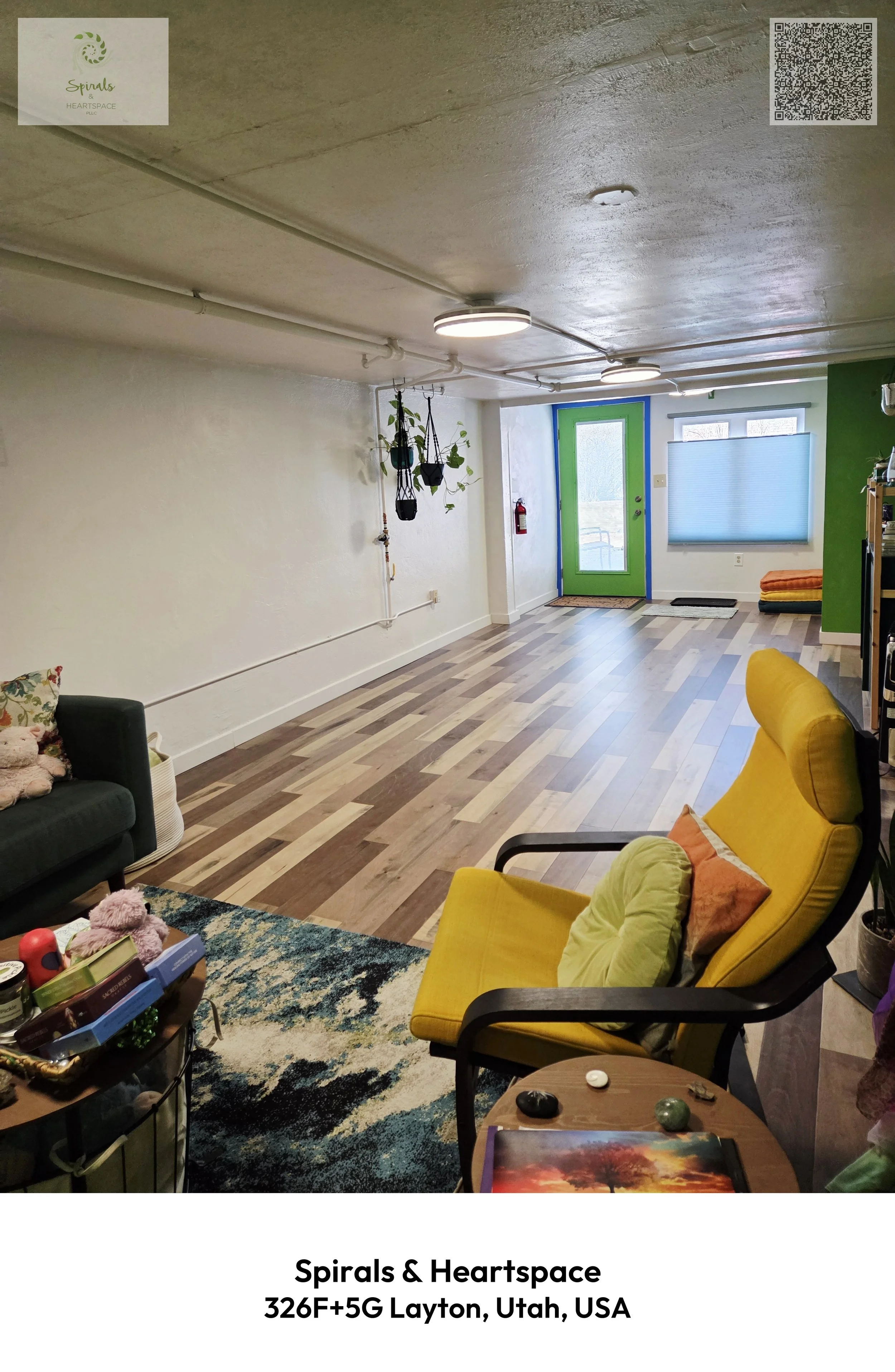
Name: Spirals & Heartspace
Address: 534 W Gentile St, Layton, UT 84041, United States
Phone: 385-301-5252
Website: https://spiralsandheartspacehealing.com/
Hours:
Monday: 9:30 AM - 7:00 PM
Tuesday: 9:30 AM - 7:00 PM
Wednesday: 9:30 AM - 7:00 PM
Thursday: 9:30 AM - 7:00 PM
Friday: 9:30 AM - 7:00 PM
Saturday: Closed
Sunday: Closed
Open-location code (plus code): 326F+5G Layton, Utah, USA
Map/listing URL: https://maps.app.goo.gl/M1jmgkhNyaMPCCJ8A
Embed iframe:
"@context": "https://schema.org",
"@type": "ProfessionalService",
"name": "Spirals & Heartspace",
"url": "https://spiralsandheartspacehealing.com/",
"address":
"@type": "PostalAddress",
"addressLocality": "Layton",
"addressRegion": "UT",
"addressCountry": "US"
Spirals & Heartspace is a Layton therapy practice offering somatic, trauma-informed support for adults who feel stuck in survival mode.
The practice focuses on trauma therapy, somatic therapy, grief counseling, movement therapy, and attachment therapy for clients looking for deeper healing work.
Based in Layton, Utah, Spirals & Heartspace offers therapy for adults in the local area and notes that both in-person and online sessions are available.
Clients who feel exhausted, disconnected, or trapped in long-standing patterns can explore a body-based approach that goes beyond traditional talk therapy alone.
The practice also offers coaching, consultation, and authentic movement for people seeking personal growth or professional support in related healing work.
For people searching for a psychotherapist in Layton, Spirals & Heartspace provides a local Utah base with services centered on trauma recovery, nervous system awareness, and attachment healing.
The official website identifies Layton and the surrounding Davis County area as the local service region for in-person care.
A public map listing is also available as a reference point for business lookup connected to the Layton area.
Spirals & Heartspace emphasizes a warm, embodied, creative approach designed to help clients reconnect with truth, clarity, and a more grounded sense of self.
Popular Questions About Spirals & Heartspace
What does Spirals & Heartspace help with?
Spirals & Heartspace offers support for trauma, grief, attachment wounds, emotional overwhelm, and body-based healing through somatic and movement-oriented therapy.
Is Spirals & Heartspace located in Layton?
Yes. The official website has a dedicated Layton, Utah location page and describes the practice as serving Layton and surrounding communities.
What therapy services are offered?
The website highlights trauma therapy, somatic therapy, grief counseling, movement therapy, and attachment therapy. It also lists coaching, consultation, and authentic movement.
Does Spirals & Heartspace offer online sessions?
Yes. The Layton location page states that both in-person and online sessions are available.
Who leads Spirals & Heartspace?
The official site identifies Ande Welling as the therapist, coach, movement facilitator, and guide behind the practice.
Who is a good fit for this practice?
The site is geared toward adults who feel exhausted from old survival patterns, complicated family dynamics, grief, self-abandonment, or unresolved trauma and want a deeper, body-aware approach.
How do I contact Spirals & Heartspace?
You can visit https://spiralsandheartspacehealing.com/ and use the contact form to inquire about therapy, coaching, consultation, authentic movement, or speaking.
Phone: 385-301-5252
Landmarks Near Layton, UT
Layton – The practice explicitly identifies Layton as its local base, making the city itself the clearest location reference.Davis County – The Layton page says the practice serves individuals throughout Layton and Davis County, so this is an important regional service-area landmark.
Wasatch Mountains – The location page directly references Layton as sitting against the Wasatch Mountains, making this a natural local landmark for orientation.
Northern Utah – The site describes Layton within northern Utah, which is useful for people comparing nearby therapy options across the region.
Surrounding Layton communities – The official location page says the practice serves Layton and surrounding communities, which supports broader local relevance without overclaiming exact neighborhoods.
If you are looking for a psychotherapist in Layton, Spirals & Heartspace offers a local Utah therapy practice with in-person and online options for adults seeking trauma-informed support.