
A few people have asked me lately about my custom doll boxes, and why I make them. All of dolls without exception comes with its own handmade box, I started this concept with the first doll and have been doing it ever since. The reason I do this is because usually when you customize a Blythe doll; the alterations mean that it's often hard to get them back into the original Takara box, the other reason is that I mostly put a viewing window in the front of the box, this gives the customer the option of showing her off without getting her dusty.
I know of very few doll makers who ALWAYS put their dolls in custom boxes and for me it's a bit sad that people assume collectors have cabinets, and/or want to constantly dust their dolls off. The boxes, a good one, will take a day to make easily and so I think this may be a reason most makers don't include them.
If they did they would have to add this to their already inflated prices.
So when I say custom boxes what do I mean? Do I take an old shoe box and slap some paint on it?
No way, they are all made from offcuts/scraps of used cardboard and other recycled materials and made from the ground up. This is why no two boxes are the same, they are not perfectly square or true and this is part of the appeal.
I start with the base, usually 12-14 inches by 5-6 inches, then the sides and ends, glue them together with UHU or something similar. I do exactly the same with the lid making sure it's slightly bigger of course to slip over the base. It's a good idea to cut the window now as trying to do it once it's glued can shake it around and break the sides off.
Once everything is glued it is left to set, then the finish has to be decided. I sometimes cover in thick wall lining paper, or thin tissue paper soaked on PVA. It depends on the customer and the doll too, I tend to use a thick lining paper that would normally use for lining walls before decorating for the most part.
Reason being is that it is absorbent and won't buckle when it's painted, you can use a single big sheet and mitre it around the box or what I do is use scraps and them glue them down with PVA glue. The main thing is to never puts the ends of the paper scraps on the edges of the box or the corners; they will just peel off or rip. Always put the centre of the paper scrap on the edges of the box and glue them outward away from the edges, this will cover the gaps between the joins in the cardboard, and also add strength when the glue is dried.
A good way of giving a box an antique look is to brush coffee or tea into the paper after it is dried on the box. 3-4 layers of cold tea or coffee brushed into the paper will give a nice deep amber colour. You can do this with any water based paint, diluted well it should give a faint stain in the paper rather than coating it in thick paint.

To finish off I always seal the box with wax, just pour hot wax onto the paper and smear it with the back of a hot spoon. The hotter the spoon the deeper the wax will penetrate the paper, but will also burn the paper and turn it darker. You need to experiment then choose your preferred look.
For more information or how to order a box. See my website. I am a pro custom doll maker.
Cardboard Boxes come in various sizes and shapes. From Small Cardboard Boxes to boxes with shapes (like heart shape for Valentines Day) to Custom shapes that work for company logos. You can usually buy cardboard boxes custom box printing on-line and in stores around the country. The special order type are sometimes available at printing companies as well as office supply stores.
Cardboard boxes are made from corrugated fiberboard, (sometimes called corrugated cardboard or just cardboard), or paperboard (essentially paper with a weight typically greater than 600g/m2, and also commonly referred to as cardboard, solidboard or posterboard).
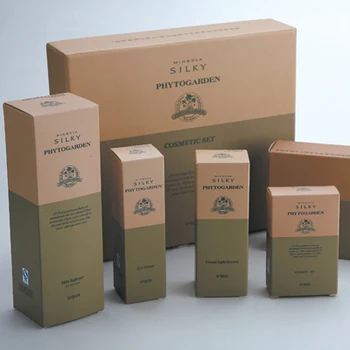
A cardboard box can be printed to promote its contents and this can be achieved with flexographic, lithographic or screen printing techniques. Cardboard is an easy product to reuse as well. Cardboard storage boxes do have many other practical uses as well. Popular in the 1980s with the emergence of rap music, cardboard boxes were, and still are, used for breakdancing.
Corrugated cardboard is made of paper which again is made of new or recycled cellulose fibres. Up to 85% of all corrugated cardboard is recycled and is, therefore, a very environmentally acceptable packaging. Corrugated cardboard boxes use a waved, corrugated pattern because this offers much greater stability and strength than a single piece or even multi layered pieces of card would offer. For those circumstances when strength is necessary, corrugated cardboard boxes present the ideal storage or packaging solution.
Mailing Tubes with End Caps are the most popular style of shipping tube. They are typically made from 3-ply, spiral wound paper. Mailing tubes come in various lengths and widths to accommodate different sized items. Most of these shipping tubes will not be longer than 48 inches (122 cm). Mailing and shipping tubes come in different strengths, depending on how fragile their contents are or where they are being shipped. They guard against any denting, bumping and dropping that may happen during shipping. Wall thickness from .030 to .600. Heavy wall tubes, colored paper, printed, test cylinders, shipping, display poles.
Wardrobe boxes are particularly useful because they are like little bitty closets. You don't even have to take your clothes off the hangers before you put them in the box. Wardrobe boxes are superb for the storage of hanging garments. Don't waste time in having to iron your clothes again. Wardrobe boxes are larger than most our moving boxes. There is really no limit to what can be done with cardboard to enclose "something". Your imagination is the boundary that will restrain you, oh and your wallet may do that to.