
There is a certain rhythm to a good salon visit. The shampoo feels almost therapeutic, the blowout looks effortless, and your hair somehow sits better for days. You can borrow a lot of that magic at home without turning your bathroom into a professional studio. After years behind the chair, I have collected a set of habits, not just products, that help clients handle the everyday stuff between appointments. They are simple, they do not demand an hour in front of the mirror, and they do not assume a closet full of tools.
Think of these as small, repeatable moves. Part technique, part timing, part judgment call. The payoff is not just better hair today, it is healthier hair over months, fewer emergency trims, and the confidence to book a beauty salon appointment when it counts, not because you feel stuck.
Start in the shower, win the day
Great styling begins long before you pick up a brush. The way you wash sets the stage for volume, smoothness, and shine. I watch clients rush this part, then blame their blow dryer for frizz. A better routine only takes a few extra minutes.
Rinse for a full minute before shampoo touches your scalp. Hair absorbs water like a sponge, and when it is saturated, shampoo distributes evenly and you use less of it. Keep shampoo at the scalp where oil lives, not on the ends. Your ends get cleaned as the lather runs through them during rinsing, and scrubbing them adds unnecessary roughness.
Condition mid-length to ends, not the scalp. Use a wide-tooth comb in the shower to distribute conditioner, then let it sit for two to three minutes. If your hair is fine and easily weighed down, condition from the ear level down. If it is coarse or curly, you may benefit from leaving a dime-sized amount of conditioner in, especially on the driest sections around the face.
Cool down your final rinse. Even ten seconds of cooler water helps close the cuticle, which reduces frizz and increases shine. It is not a myth. Clients who do this consistently notice they can air dry more gracefully.
The quick-dry blueprint
When you step out of the shower, resist the towel turban. Hair is most vulnerable when wet, and twisting it tight introduces mechanical stress you will see later as frizz and fuzzy ends. Blot and squeeze with a soft cotton T-shirt or a microfiber towel. If you can pick up 10 to 20 percent less water at this stage, your blow-dry time drops noticeably.
Apply your leave-in and heat protectant on damp hair, not dripping wet. Damp hair absorbs product better. For most people, a quarter-sized amount of leave-in cream or a few mists of a light spray is plenty. If your roots collapse easily, keep products below the crown. If your ends always feel dry, do a second tiny pass only on the last two inches.
Let your hair air-dry for 10 to 15 minutes before you use heat. This simple habit can cut hot tool exposure by half. The less time hair spends above 150 C, the less long-term cuticle damage you will see. If you are in a rush, rough-dry first without a brush until hair is about 70 percent dry, then switch to a nozzle and brush for polish.
I like boar and nylon mixed bristle brushes for daily blowouts. They grip without ripping. For curls and coils, a diffuser on low heat and low airflow works wonders. Keep your hands out of the curls while they set. Scrunching the whole time creates frizz. Set first, scrunch after.
Five-minute styles you can repeat all week
There is a reason many salon looks rely on clean partings, balanced tension, and setting the hair to cool in the desired shape. You can bring those ideas home. The trick is to make a few moves well and keep the rest easy.
Sleek ponytail without the helmet look: Smooth a pea-sized amount of light hold cream over the surface only, then brush the top section back with a boar-bristle brush while keeping your other hand flat against your head to guide excess tension. Secure slightly higher than your final position, then tug the elastic down a centimeter. This settles the ponytail and prevents that too-tight shelf at the crown. Wrap a small piece of hair around the elastic and pin it under for a finished feel.
Undone bun that stays: Pull hair into a low ponytail, twist loosely, and coil around the base, but leave the ends poking out on purpose. Secure with two bobby pins in an X. Mist lightly with flexible spray. This avoids that severe ballerina look and reads relaxed but tidy for meetings or school drop-off.
Air-dry waves for straight hair: Work a golf ball of light Hair Salon Moorpark mousse through damp hair, then split into two low pigtails. Twist each tail in the same direction until it wants to coil on itself, clip the coils to your head, and let them air-dry while you make coffee. Release and shake. The uniform twist direction is the small detail that creates wave memory without heat.
Flat iron bend on second-day hair: Take 1 inch sections, clamp the iron, tip your wrist forward for half a second, then release. You are creating a soft C, not a curl. Keep the ends straight for a modern look. Finish with a tiny drop of light oil just on the mid-lengths to bring back shine without grease.
Fringe that does not separate: Wet only the fringe at the sink. Blow-dry side to side with a small round brush, not straight down. This cross-drying erases cowlicks. Finish with a cool shot as you brush forward. A fingertip of matte paste tapped across the ends will keep them from splitting into strings.
A short step-by-step you can memorize: quick polish blowout
- Towel-blot, then apply a leave-in and heat protectant from mid-length to ends. Rough-dry to 70 percent with your head flipped upside down, using your fingers to lift at the root. Clip hair into three horizontal sections: bottom, middle, and top, keeping sections clean with your comb. Work a medium round brush through 1 to 2 inch sections, pulling taut and following with the nozzle. Finish each section with a two-second cool shot to set. At the crown, over-direct forward before letting it fall back. This creates lift without teasing.
This flow works for straight to wavy hair. For curls and coils, swap the brush work for a diffuser and allow curls to form with minimal touching. The same cool-shot principle applies. Heat shapes, cool air sets.
The tiny toolkit that makes everything easier
- A mixed-bristle brush for smoothing and shine. A vented paddle or detangling brush for speed and minimal breakage. Sectioning clips, ideally four, so you actually section. A reliable heat protectant you like enough to use daily. A flexible hold hairspray that brushes out easily.
If you buy only one hot tool, make it a dryer with a nozzle and a cool shot. You can fake curls and waves later with a flat iron or curling iron, but you cannot fake a good foundation.
Hair care tips that move the needle
Wash rhythm matters more than most products. Oily scalps often do best with washing every other day, sometimes daily if you work out hard and sweat. Dry or curly hair may thrive on two washes per week. The scalp is skin, not just hair real estate. If you are itchy, tight, or flaky, look at your shampoo. Clarify once every one to two weeks if you use dry shampoo regularly, swim, or live with hard water. A gentle clarifying wash resets the canvas without stripping if you follow with a conditioner.
Conditioners are not all the same. Moisture-based formulas soften and add slip. Protein-based formulas strengthen and can add structure to hair that feels limp. Use protein no more than once a week at home unless your hair is severely compromised. Alternate with a moisturizing mask. I have watched clients turn rough, over-processed hair around in six to eight weeks with that simple rotation.
Leave-ins are insurance. A light cream or spray will reduce friction, shorten blow-dry time, and protect against UV. Think of it like fabric softener for your hair. Start small, especially on fine hair. You can always add a drop on the ends at the end.
Scalp care supports growth and balance. If you notice oil building quickly but your ends are dry, massage a small amount of conditioner onto your ends before you shampoo. This pre-conditioner shields fragile areas while you clean the scalp thoroughly. For flaky patches, a salicylic acid shampoo once a week can help. Be gentle. Scratchy nails invite more irritation. A silicone scalp brush can help loosen debris without trauma.
Heat control beats technique when you are short on time. For flat irons and curling irons, fine or compromised hair often prefers 140 to 160 C, medium hair 160 to 185 C, coarse hair 185 to 200 C. Fewer passes at a moderate temperature beat many passes at a low one. If you smell singe, you are too hot or too slow. Adjust.
Trims are not a myth. If you heat style three to four times a week, plan a light dusting every 8 to 10 weeks. If you air-dry and seldom use hot tools, you can stretch to 12 to 16 weeks. Your ends will tell you the truth. When they tangle more and reflect less light, you are due.
Gentle color, smart boundaries
At-home hair coloring is tempting. There are safe lanes and there are no-go zones. Semi-permanent glosses and tinted conditioners can refresh tone and add shine without major commitment. If your brunette looks dull or your blonde has picked up a little brass, a gentle gloss in the right tone can buy you four to six weeks of polish. Strand test first, always. Hair takes color differently from root to tip because of porosity. A strand test shows you timing and tone before you commit.
Root touch-up sprays are your friend between salon visits. They cover gray, they wash out, and they do not alter your base. If you prefer a more durable option, root powders and crayons grip better on fine hair and look more natural at the part line.
Avoid permanent lightening at home. Lifting color, especially more than two levels, is chemistry married to judgment. That judgment is why a seasoned hair stylist adjusts formulas for your roots and ends separately, or why a beauty salon will tone twice in one appointment. At home, bleach is where most color correction jobs begin, and those are the most expensive salon visits on the schedule.
If you want to experiment without risk, try hair color ideas that play with placement, not full coverage. Face-framing highlights at a salon can brighten your whole look without heavy maintenance. A warmer caramel at the front in winter or a soft copper glaze over brown in autumn reads seasonal and intentional. Powdery pastel tints on pre-lightened pieces can be fun for a weekend and will wash out gently if you stick to direct dyes. Schedule a consultation for anything more committed. A quick 15 minute chat with a hair stylist near me search result can save months of growing out a misstep.
Air-dry mastery for different textures
Straight hair wants glide and a little grip. After washing, apply a light leave-in and a moose or light gel. Comb it through, then do not touch. If you must move it, do it once with a wide-tooth comb while damp, then let it be. Flip the part while it is drying to build volume without teasing. The flip sets roots away from the scalp, which prevents that day two flatness.
Wavy hair benefits from product cocktailing. Start with a light cream for moisture, then a gel for hold. Scrunch upward with a T-shirt, then clip a few roots at the crown with small metal clips to hold lift while it dries. This trick takes 30 seconds and can change the whole shape.
Curly hair looks best when you respect clumps. Rake product with your fingers in large sections, then scrunch with the T-shirt and leave it alone. If frizz forms while it dries, you touched it too much. Once fully dry, break the gel cast with a drop of oil between your palms. I like to shake at the root, not run fingers through the curls. That keeps the curl families intact.
Coils like moisture, then more moisture. Work in sections, add a leave-in cream, then a butter or custard on the ends. Stretch with banding while it dries if shrinkage management is the goal, or let it coil naturally if definition is the priority. Regular trims help coils hold shape, and satin pillowcases protect the cuticle overnight.
Second-day rescue moves
Dry shampoo is more effective as a preventive than a cover-up. Apply at night before bed when you know you will not wash in the morning. Oil will meet the powder as it forms, rather than fighting it after it is pooled. Brush through for even distribution. In the morning, a quick blast of warm air reactivates it.
Curls and waves refresh with water, not more product. Fill a mist bottle with water and the tiniest squeeze of conditioner. Lightly mist, then use a diffuser on low heat to reset the curls for five minutes. Overloading with creams during a refresh makes hair heavy and dull by the afternoon.
Sweat does not equal dirty hair. If your scalp feels clean but your roots look limp after a workout, a quick cold rinse at the hairline and a rough dry will revive volume. Salt from sweat can even add texture to mid-lengths. Do not scrub shampoo on a scalp that is not oily yet. That is how you chase a dryness cycle.
A flat iron bump at the part can erase stubborn sleep creases. Pick up a 2 inch wide section at the top, bend once like a soft S, and let it cool. You will look like you did your hair, but it took 30 seconds.
The salon mindset at home
Sectioning is half the battle. Even for simple tasks, split hair into clean, manageable parts. You will move faster with better results. Keep clips near your brush so you actually use them. Professionals do not wing it with giant chunks, and neither should you.
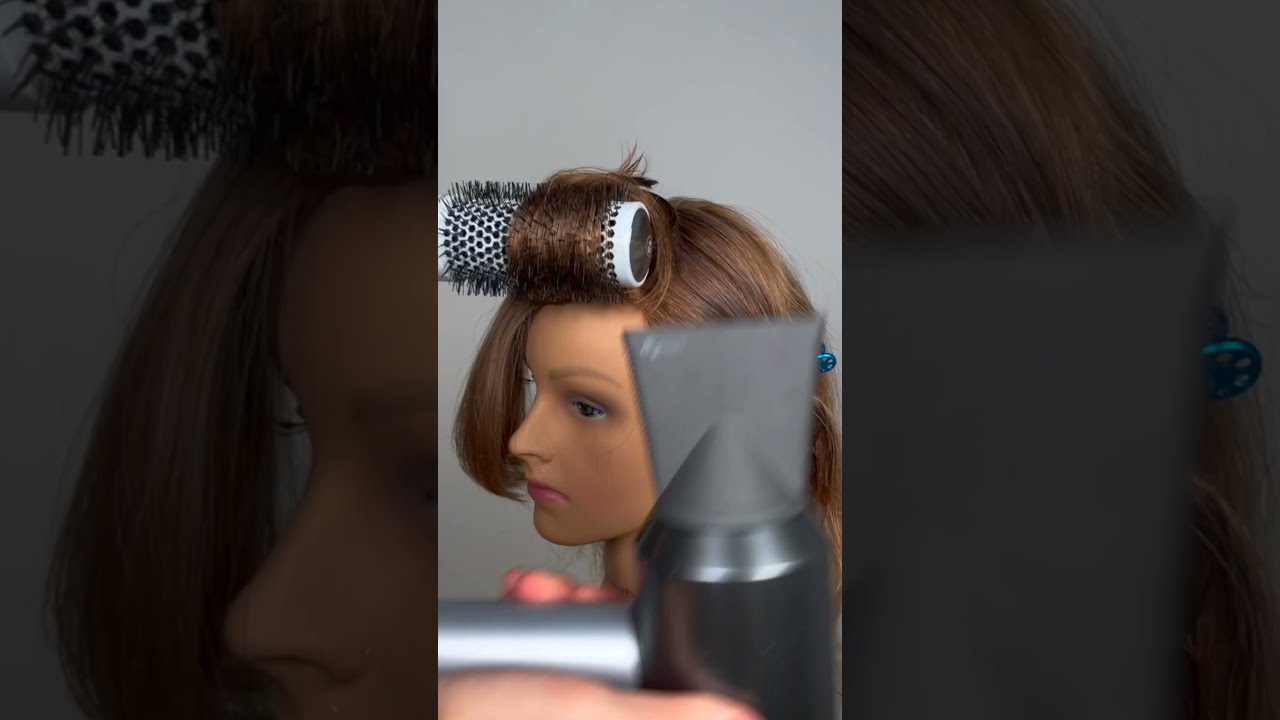
Tension creates shine. Whether you are blow-drying smooth or curling, keep consistent, gentle tension. Hair cuticles lie flatter under smooth, even pressure, and that is where the gloss comes from. Yanking creates stretch and breakage. It is a fine line. If your arms get tired, your sections are too big.
Cool air locks the style. Heat softens the bonds inside your hair, cool air resets them. A two-second cool shot after each section will help hair remember the shape, even if humidity fights you later.
A tiny bit of product at the end changes everything. A fingertip of paste to tame flyaways, a drop of oil for the bottom two inches, or a veil of flexible spray avoids the crispy look. If your hair never holds, use less leave-in at the start. Too much slip keeps hair from grabbing onto shape.
When to call a pro, and how to find the right one
There are lines you should not cross at home. If you want to shift your base color more than one or two levels, if your hair has banding from previous coloring, or if your hair feels gummy when wet, book a professional. Breakage from chemical services does not show fully for a few days. By the time you see the problem, it is too late to reverse it. A good hair salon will test a strand, assess porosity, and explain the path honestly, even if it means two or three visits.
Texture work also benefits from expertise. If you are considering a shag with lots of internal layers and you have curls, or if your hair collapses easily at the crown, you want a stylist who understands weight distribution. Cutting is architecture. It is not just shorter or longer.
To find the best hair salon or the best hair stylist near me in your area, start with portfolios, not just reviews. Look for hair that behaves like yours. A brilliant bob artist may not be the right call for waist-length curls. Schedule a consultation. A short, no-pressure chat should include questions about your routine, how much time you genuinely want to spend styling, your work or gym life, and any medical or hormonal shifts that have changed your hair. You should feel heard, not sold to.
Price transparency and aftercare guidance are green flags. I trust salons that explain maintenance costs up front, suggest realistic timelines for color changes, and send clients home with specific hair care tips tailored to their cut and texture. If you hear promises with no conditions, be cautious. Hair is chemistry and physics, not magic.
If you are searching phrases like hair salon near me or hair stylist near me, refine it with your hair type and goal. Try “curly hair stylist near me” or “blonding specialist near me” and scan for consistent, high quality before and after photos. One strong result that matches your needs is worth more than a long list of generic hits.
A few small salon stories that teach big lessons
A client with shoulder-length, fine hair insisted she needed a stronger hairspray because her curl fell flat by noon. We lowered her flat iron temperature from 200 C to 165 C, reduced her leave-in by half, and added a cool clip set while she did her makeup. Same products otherwise. Her curls lasted past dinner. Heat and timing beat hold every time when hair is fine.
Another client with natural coils battled dullness. She was faithful to weekly masks, but her hair still looked thirsty. We switched her to lukewarm water for washing, added a clarifying rinse every other week to remove hard water minerals, and applied a butter only on soaking wet hair. Shine came back in three weeks. The minerals were the hidden culprit, not a lack of product.
A blonding devotee floated the idea of going copper for fall. Instead of a permanent overhaul, we tried a demi gloss first, one level darker than her blonde with a soft copper tone. She lived in it for six weeks and loved it. No damage, no marathon correction later. Temporary first, commit after. That is the salon mindset that spares your hair.
Common pitfalls and how to dodge them
Brushing wet hair with the wrong tool breaks it quickly. Use a detangling brush with flexible bristles or a wide-tooth comb, start at the ends, and work up. If you hear squeaks, you are sawing. Add a spritz of leave-in instead.
Overloading dry hair with oil looks shiny for five minutes, then flat and dirty by lunch. Oil is best on damp hair or as a tiny finisher. One drop spread across both palms, then dusted over the last two inches, is plenty for most people.
Chasing frizz after it has formed burns time. Smooth early. That means tension at the root with a nozzle pointing down, or for curls, do not disturb the curl pattern until it is fully dry. Once hair has puffed, you are negotiating with a decision already made.
Expecting a drugstore purple shampoo to fix heavy brass on brown hair leads to disappointment. Those shampoos cancel yellow, not orange. If your brunette reads pumpkin, you need a blue-toned gloss or toner from a salon, not more purple.
Ignoring your scalp when it is trying to tell you something is a missed cue. Persistent itching, sudden shedding, or patchy flaking https://nears.me/business/hair-by-casey/ can be hormonal, nutritional, or medical. A good hair stylist will gently suggest you see a dermatologist or primary care provider if something looks off. Partnerships keep you safe.
Seasonal tweaks that make sense
Humidity season rewards prep. Switch to a slightly stronger hold gel or cream when the air feels like soup, and lock it with a cool finish. A little anti-humidity spray at the very end helps, but control comes from setting shape while drying, not from a can.
Cold air season rewards hydration. Indoor heat wicks moisture from hair. Add a weekly moisturizing mask, and consider a humidifier near your bed. Static often signals dryness, not just fabric friction. A silk or satin pillowcase reduces overnight roughing. Toss a travel-sized leave-in in your bag for midday flyaway control.
Sun season deserves UV protection. Prolonged sun exposure fades hair coloring and roughs the cuticle. Many leave-ins contain UV filters. A hat is better than any product, especially if you are on a beach or hiking at altitude. Rinse hair after swimming, not hours later. Chlorine and salt linger and dehydrate.
Making it feel easy, not fussy
The goal at home is not to replicate the most elaborate beauty salon blowout on a Tuesday morning. It is to build a few simple routines that stack. Wash well. Protect with intention. Style with clean sections and cool to set. Nudge the shape on day two, do not restart from scratch. Pick one hair color idea to try with low commitment before the big leap. The best hair salon visit serves your long game, keeps your hair healthy, and compliments the work you are doing day to day.
When clients embrace the small things, they seem to get compliments in boring places like grocery aisles and parking lots. That is the quiet win. If you feel stuck, bring your questions to a stylist you trust. Most of us love geeking out about why your bangs fight your cowlick or which brush works for your specific waves. The conversation, and a few minutes of honest coaching, often matters more than a product recommendation.
Your bathroom will never be a full salon, and it does not need to be. A handful of good tools, a light touch with heat, and a clear eye for what your hair actually does, not what a stranger’s hair does on social media, will carry you far. With a better foundation and a few reliable moves, those salon secrets are not secrets anymore, just habits you own.