
Stormwater is predictable in one sense, it always looks for the lowest point. That lowest point might be your window well, a settled section of lawn, the gap along a foundation wall, or the seam where a basement floor meets the slab. If you plan for the way water moves in spring thaws, summer cloudbursts, autumn leaf fall, and winter freezes, your home stays dry more often and recovers faster when it does not.
The real stakes when water wins
A wet basement is not just about a musty smell. Repeated dampness shortens the life of framing, rusts appliances, swells subfloors, and feeds mold. Outside, a saturated yard can push fence posts out of plumb and undermine walkways. Storm sewers that back up add another layer of risk, contamination. The costs add up quietly, a dehumidifier running nonstop, drywall that crumbles by year three, efflorescence that seems cosmetic until it becomes spalling concrete. With a plan tuned to the seasons and your site, you can keep gravity working for you.
How water moves around a house
I start every drainage assessment with the roofline and work outward. A 1,500 square foot roof can shed 900 gallons of water in a half inch rain. If downspouts dump that water right next to the foundation, the sump pump has to move it again and again. Moving a single gallon vertically ten feet and then through fifty feet of pipe takes energy and has friction losses. Moving it once, by grading, is free.
Think in layers. The roof feeds gutters, downspouts carry into leaders, leaders discharge to grade or to buried lines, buried lines either day-light downslope or connect to a dry well or storm tie-in. Beneath that, footing drains take the water that still reaches the foundation and route it to a sump pit. The sump pump is the last resort, not the first.
Reading your property the way water does
A quick site walk tells a lot. Look for staining on the foundation, mulch washed bare beneath downspouts, grass that stays matted a day after rain, and silty deposits in driveway corners. Feel for soft soil where foot traffic is light. A marble rolled across a patio should migrate gently toward a defined edge. Driveway aprons should fall at least one eighth of an inch per foot away from the garage. Window wells should have gravel that is clean, not concrete dust or soil that clogs.
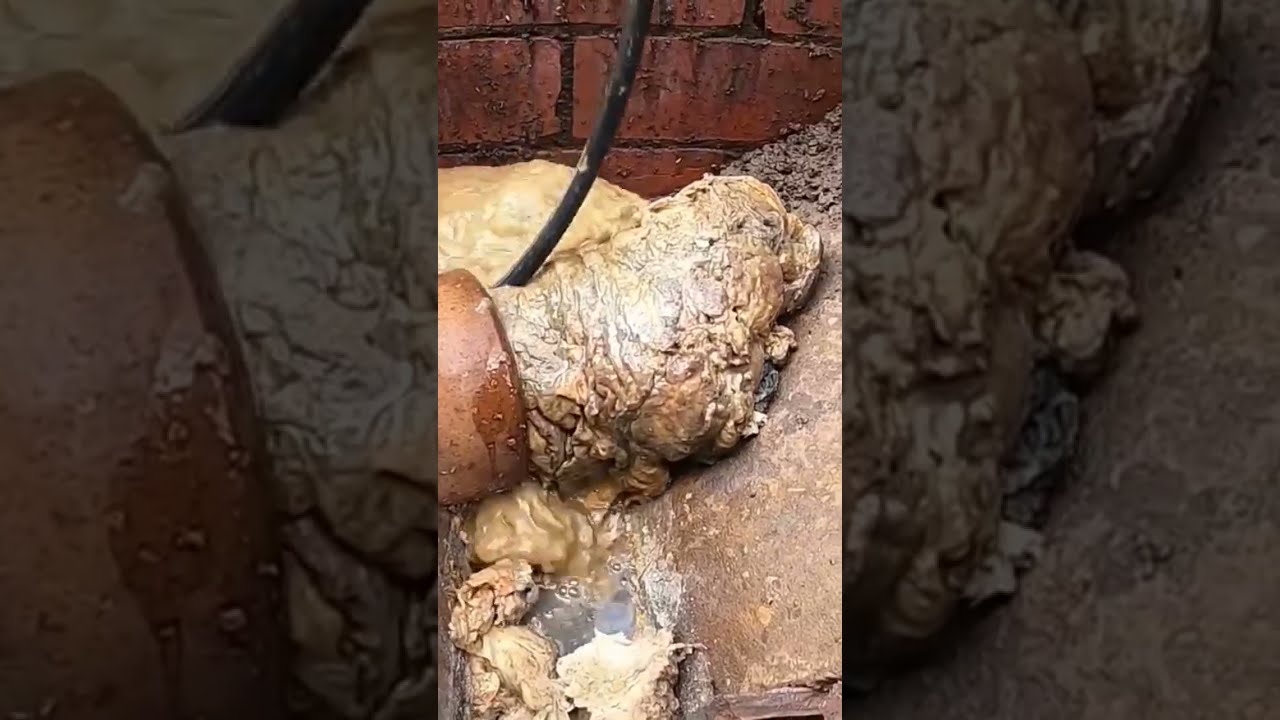
I often find one of three patterns. First, decent gutters with undersized or clogged leaders, so water overflows like sheets along fascia and behind siding. Second, buried piping that has collapsed at the first elbow, usually because thin wall corrugated pipe was crushed under a wheel track. Third, footing drains that were fine when the house was new, but are now blinded by iron ochre, a rusty biofilm that turns stone and pipe orange and glues itself inside perforations.
Sump systems, the parts that matter
A sump setup does not have a lot of moving parts, but each one carries load when the rain comes. The pit should be large enough that the pump does not short cycle, I like 18 inches across and 24 to 30 inches deep as a minimum. The pump should be rated honestly, which means look at the performance curve and match it to your head height and run length, not just the horsepower on the label. I have pulled out brand new 1 horsepower pumps producing less flow at ten feet of head than an older half horsepower model with a steeper curve.
The float switch deserves attention too. Tethered floats tend to snag on cords, rigid floats can bind in tight pits. A vertical float in a guard cage or a mechanical diaphragm switch is usually more reliable in cramped basins. The discharge line needs a properly placed check valve, ideally with a rubber coupler that allows quick replacement. If the valve is too close to the pump, hammering gets loud and can loosen fittings. If it is too far, water drains back into the pit when the pump stops and restarts it prematurely.
Where that discharge exits the house matters. Do not send it onto a neighbor’s lot, into a sanitary sewer, or onto a sidewalk that ices. If you have a storm tie-in, check local codes and be prepared for the city to require a backflow device. If you discharge to grade, route through rigid pipe that slopes down consistently and day-lights where erosion will not carve a trench.
Power, redundancy, and alarms
Power fails in storms, sometimes for minutes, sometimes for hours. A battery backup pump is not a luxury if your basement finishes or storage cannot tolerate water. Expect a quality 12 volt system with a deep cycle AGM battery to run a few hours at moderate inflow. A second pump on a different circuit with an independent float is good insurance. On larger homes with chronic water pressure, a water powered backup can work, though the water use is high and local code may forbid discharging into the sanitary side. A loud alarm that wakes a light sleeper is better than a text that dings unheard at 3 a.m. Smart sensors that ping your phone help when you travel.
I still keep a cheap utility pump and a flat discharge hose on a shelf. When a stuck float or a jammed impeller shuts down the primary, that little pump will move 1,000 to 2,000 gallons per hour from a laundry tub or pit long enough to buy you time.
What changes with the seasons
Water issues do not look the same in April as they do in October. Spring is thaw season in cold climates. Snowpack melts during the day, refreezes at night, and pushes water laterally along the frost line toward foundations. Sump pumps run in pulses. Gutters may be fine, but downspout extensions frozen into the yard build little dams that back water against the house. I have seen basements flood on sunny days in March with not a cloud in the sky.

Summer brings fast, high intensity storms. It is the season where capacity and free flowing paths matter most. A 15 minute cloudburst can overwhelm a catch basin that drains a driveway, or expose a bottleneck in a buried leader. Debris is different now, leaves are not the problem, seed pods, shingle granules, and kids’ toys are.
Autumn is leaf time. One handful of wet leaves at a downspout outlet can send water over the gutter edge for hours. Window wells fill with sycamore leaves so quickly you could think a raccoon dumped a bag in there. If your lot slopes toward a city curb, leaves can blanket the curb inlet and push water into low driveways. That is the season to clear grates before the storm, not during it.
Winter makes every mistake harder to fix. Freeze and thaw cycles weld downspout elbows to the ground and build ice at every minor dip. Corrugated extensions become frozen snakes that block. Sump discharge lines that are too shallow glaze shut at the outlet. I place a short, removable section of pipe near the outlet so I can pull it before a deep freeze and let the pump discharge onto a splash block temporarily.
A light, practical checklist by season
- Spring, verify downspout extensions are unfrozen and connected, test the sump pump with a bucket or hose, and walk the yard to spot soft, ponding areas that suggest settled trenches. Summer, flush each gutter run with a hose, pop open catch basin grates to scoop out grit, and confirm that buried lines day-light with a steady stream when you run water. Autumn, clean gutters after the leaves drop, remove leaves from curb inlets in front of your home before big storms, and cover window wells with grates or clear domes that can bear snow. Winter, disconnect or shorten flexible extensions if they tend to freeze solid, add a small heat cable at chronic freeze points on the sump discharge if allowed, and keep a path cut to any discharge outlet for inspection.
Drain Cleaning that respects materials and flow
Drain Cleaning is a broad term. On the storm side of a house, it usually means clearing gutters, leaders, catch basins, and yard drains. For buried lines, you choose the method based on the pipe. Thin wall corrugated pipe does not like augers, the coil can chew right through a ridge. For that material, high volume flushing often works better than an aggressive cutter. Rigid PVC and cast iron can tolerate more force.
High pressure cleaning, with a jetter, is effective when done carefully. I use moderate pressure and a rear jet nozzle to pull the hose along, 1,500 to 2,500 psi in residential storm lines is usually sufficient. Higher pressure can blow joints apart in older PVC glued with brittle solvent or lift gaskets on SDR pipe. Water volume matters more than pressure for moving sand and silt, 3 to 5 gallons per minute will carry sediment better than a whippy, high psi, low flow stream. Always locate and expose any cleanouts before you push a jet, and know where the line goes. If you are tied into a municipal storm, you do not want to chase your hose into the main under the street.
Catch basins deserve periodic scooping. They are not trash cans, but people treat them that way. A five gallon bucket and a hand trowel usually do the trick. If the basin has a built in sump area below the outlet pipe, that is your silt trap, do not let it fill to the outlet elevation or you lose the trap entirely and send fines downstream to settle in your pipe.
On guttering, I prefer to clear by hand and then flush. A blower works on dry days but misses sludgy decomposed organics that later form mats at outlets. While you are up there, look at the slope of each section. Gutters should drop about a quarter inch over ten feet. Long runs need expansion joints or slip joints, aluminum moves with heat and cold and can pull screws loose if it cannot move.
Common problems with drains and what they look like
When a homeowner says a drain is slow, I ask slow when, and what changed. A yard drain that handles spring rains yet surcharges in July often has a partial root intrusion that behaves like a valve, fine with sustained moderate flow, choked by sudden, heavy bursts. A downspout that overflows at the front corner only when wind drives from the west usually has a sag in the gutter several feet away, the wind pushes water uphill slightly and it finds the low pocket.
Smells tell a story too. A rotten smell at a storm inlet in summer may be organic decay in a basin, not a sanitary tie. Orange slime in a sump pit points to iron bacteria that will gum up perforated footing drains downstream. Heavy white, powdery efflorescence on the basement wall near a downspout suggests infiltration from above grade, often where a leader discharges too close.
Listen for the check valve. If you hear rattling and thudding at the end of every pump cycle, the valve is likely too close to the pump or the line is not supported. If water rushes backward in the line and you hear the pump restart seconds after it stops, the valve is stuck or failing. When a sump runs dry but you still hear gurgling for a long time, air is trapped in the line at a high loop and slowly finds its way out.
Quick diagnostic playbook for a flooded yard or basement
- During a storm, check whether gutters are overflowing at the edges or at outlets, that distinction points you to slope versus outlet blockage. Open the nearest catch basin and look, water moving across the grate but not through the outlet means the basin or outlet is clogged. Pour a few gallons into the sump pit, note how quickly the pump turns on and off and whether the discharge day-lights with a strong, steady stream. If water rises at the basement floor perimeter but walls stay dry, the issue is below grade hydrostatic pressure, not surface runoff. Walk the property line, look for water entering from uphill neighbors, a small berm or swale often solves someone else’s runoff that reaches you.
When grading beats gadgets
I have seen homeowners throw pumps at what is really a grading problem. If soil or paving pitches toward the house, fix the slope first. A half day with a skid steer and a few tons of topsoil can cut your pump runtime in half. Aim for a minimum 5 percent fall, six inches over ten feet, away from the foundation, more if the soil is heavy clay. Do not build berms tight to siding, soil against siding invites termites and rot. Keep a few inches of clearance and let the splash blocks or concrete aprons do their job.
Dry wells help only if properly sized and located in soil that can accept water. A dry well the size of a kitchen trash can under clay subsoil is a bathtub with a lid. In sandy loam, a 4 by 4 by 4 foot stone filled pit wrapped in fabric can handle a single downspout for a typical storm, but always include an overflow to daylight for extreme events.
Material choices that make maintenance easier
For buried leaders, schedule 40 PVC is tough but overkill for shallow yard runs, SDR 35 is a good compromise in many regions. Corrugated pipe installs quickly and snakes around obstacles, but its ridges trap fines, and it collapses under vehicle loads. If you must use corrugated, use the smooth interior type and protect it with sand bedding. Use long sweep bends rather than hard elbows, every turn is a catch point for debris.
At cleanouts, use solvent welded wyes with threaded caps, not flimsy slip caps that pop off when line pressure builds. Mark cleanouts with a discreet paver or a landscaping rock so you can find them when grass grows in. On catch basins, choose grates that fit your debris profile. A smaller mesh keeps leaves out but blocks with maple helicopters, a larger bar grate passes organics but risks a lost tennis ball. Some homeowners swap grates seasonally, finer in autumn, more open the rest of the year.
Plumbing drains versus storm drains, do not mix them
Plumbing drains inside the house, the sanitary side, are not the same as storm drains. Tying roof water into a sanitary line is often illegal and, even if not enforced, unwise. Heavy rain then surcharges the sanitary main and pushes wastewater back toward your home. Backwater valves on the sanitary stack protect against that, but they need service and do not belong on lines that also carry roof runoff. Keep systems separate. If you inherit a home where someone mixed them, make a plan to decouple. A camera inspection helps map what goes where and prevents surprises when you cut in new lines.
Costs and when to do it yourself
Numbers vary by region, but some ranges hold. Cleaning a simple gutter and downspout system on a single story ranch might run 150 to 300 dollars. Hydro jetting a short run of yard drain could be 300 to 600, more if access is poor. Replacing buried corrugated with PVC, 30 to 60 dollars per foot installed is common when lawns need repair after trenching. A solid primary sump pump installed with a new check valve and union might be 600 to 1,200 depending on access and electrical work.
Where DIY makes sense, clearing gutters, scooping catch basins, inspecting and reconnecting downspout extensions. Where I advise a pro, jetting older or unknown buried lines, cutting into foundation drainage, installing backwater valves, or tying into municipal storm systems. Mistakes there can be costly or unsafe.
Safety and sanitation you cannot ignore
Stormwater looks clean, but once it runs across soil, driveways, and rooftops, it carries contaminants. Wear gloves and eye protection when cleaning basins or jetting lines. If you suspect a cross connection with sanitary, treat splashes as contaminated and disinfect tools and surfaces. Electricity around sumps is another hazard, use GFCI protected outlets and keep cords organized and clear of floats. Never stand in water to plug or unplug a pump.
On ladders, set feet on firm, level ground and do not reach to the side while cleaning gutters. Move the ladder, it takes longer and prevents a hospital visit. In winter, icy surfaces https://emperorofantarctica.com/drain-cleaning-and-maintenance/ turn routine checks into risky ones. Keep a pair of traction cleats handy.
A brief field story to make the patterns real
A client called one July about a basement that flooded twice in two weeks. The home sat on a gentle slope with a walkout at the back. The gutters were spotless, the sump pump was new and ran fine under test. During the next storm, we watched water pour over a curb inlet two doors uphill, roll along the curb, then turn into the client’s driveway where the apron dipped toward the garage. A twelve foot segment of the driveway had settled a good inch at the center over ten years.
We replaced a small, clogged driveway trench drain with a wider one that had deep catch volume, ground and repitched the apron to ensure a positive fall to the street, and added a low landscape berm inside the yard edge to keep sheet flow from the neighbor out. Since then, no floods, and the sump runs less because the sheet flow never reaches the back foundation wall in heavy storms. The solution mix was not glamorous, but it matched how water chose to move.
Putting it together as a seasonal rhythm
You do not need to turn your home into a civil engineering project. A few habits in the right months do more than gadgets bought in a panic during a storm. Set two reminders in your calendar, one after the first heavy spring rain, one after the last leaves fall. Walk the outside, look high at gutters and low at grates, listen inside for the pump and check valve. Keep simple tools staged, a hose that reaches the far downspout, a trowel and bucket for basins, spare rubber couplers, and a cleanout key where you can find it in the dark.
If you plan any larger landscape work, slide drainage into the scope. When you install a patio, specify a quarter inch per foot fall away from the house and a firm edge restraint so it does not creep. When you plant beds, avoid mounded mulch volcanoes around shrubs that shed water toward the foundation. When you resurface a driveway, correct low spots while the crew is mobilized. These small moves pay through many seasons.
Where Drain Solutions fit the bigger picture
Good Drain Solutions start with the aim to keep water in motion, gently and predictably, from roof to ground to safe discharge. The best setups are the ones you barely notice during storms. They have capacity, cleanouts in the right places, slopes that never reverse, and materials chosen for the load. They also respect the house envelope. Plumbing drains and storm drains stay separate, and everything that handles water is serviceable without tearing apart finished spaces.
When a problem crops up despite the planning, return to first principles. Trace the path, test in sections, do targeted Drain Cleaning, and confirm discharge. Add redundancy where single points of failure show up, like a float switch that sticks or an outlet that freezes. If a fix feels like a workaround that fights physics, step back and regrade or reroute instead. The seasons will keep changing, but the way water seeks low ground will not. Build for that, and your home stays dry more often, and recovers faster when the clouds finally break.
Quality Plumber Leander is a plumbing company located in Leander, TX