
The rapid development of modern poultry farming has significantly increased the volume of chicken manure generated worldwide. As poultry production expands to meet growing food demand, farms face increasing challenges related to manure management, environmental protection, and waste disposal. At the same time, the global shift toward sustainable agriculture has created strong demand for organic fertilizers that improve soil health and reduce dependence on synthetic chemicals. These trends have made organic fertilizer production from poultry manure an increasingly attractive business opportunity.
A chicken manure organic fertilizer plant is a specialized facility designed to convert fresh poultry manure into high-quality organic fertilizer products through a series of scientific processing stages. By transforming waste materials into valuable agricultural inputs, fertilizer producers can create profitable businesses while supporting environmental sustainability and resource recycling. Such plants are widely used by poultry farms, fertilizer manufacturers, agricultural cooperatives, and investors seeking long-term opportunities in the agricultural sector.
Chicken manure is often regarded as one of the most nutrient-rich organic fertilizer raw materials available. It contains high levels of nitrogen, phosphorus, potassium, organic matter, and various trace elements that are beneficial for plant growth. Compared with many other livestock manures, chicken manure typically has a higher nutrient concentration, making it particularly suitable for organic fertilizer production.
However, fresh chicken manure cannot be directly marketed as a commercial fertilizer product. It usually contains excessive moisture, harmful microorganisms, weed seeds, and unstable organic compounds. Fresh manure may also generate strong odors and release ammonia, creating environmental concerns. Therefore, proper treatment and processing are necessary before the material can be safely applied to agricultural land.
A modern chicken manure organic fertilizer plant integrates multiple processing technologies to ensure efficient production and stable product quality. The entire manufacturing process typically includes raw material collection, pretreatment, fermentation, crushing, mixing, granulation, drying, cooling, screening, and packaging.

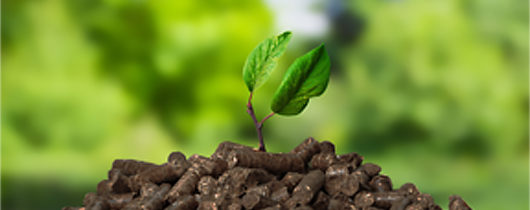
The production process begins with the collection of chicken manure from poultry houses and manure storage facilities. Large poultry farms generate significant quantities of manure every day, providing a stable supply of raw materials for fertilizer production. The collected manure is transported to the processing area, where foreign materials such as plastic, feathers, stones, and metal fragments are removed.
Raw material preparation is an important step because it directly affects the efficiency of subsequent processes. Fresh chicken manure often contains a high moisture level, which can interfere with composting if not properly managed. To improve fermentation conditions, producers frequently blend manure with dry materials such as rice husks, sawdust, straw powder, peanut shells, or other agricultural residues.
These additional materials help regulate moisture content, improve airflow, and balance the carbon-to-nitrogen ratio. A balanced compost mixture creates ideal conditions for microbial activity and accelerates the decomposition process.
Fermentation is the core process within a chicken manure organic fertilizer plant. During fermentation, microorganisms break down organic matter and transform fresh manure into mature compost. This biological process eliminates pathogens, reduces odors, destroys weed seeds, and converts unstable organic compounds into a stable fertilizer material.
Commercial fertilizer plants often utilize mechanical composting systems to improve efficiency and shorten fermentation time. Compost turners are among the most commonly used machines because they continuously mix and aerate compost piles, ensuring that oxygen reaches all parts of the material.
Oxygen is essential for aerobic microorganisms, which are responsible for efficient compost decomposition. Without sufficient aeration, anaerobic conditions may develop, leading to unpleasant odors and slower composting rates. Regular turning promotes uniform fermentation and improves overall compost quality.
Temperature management is another critical aspect of fermentation. Microbial activity naturally generates heat, causing compost temperatures to rise. Proper temperature control helps eliminate harmful organisms while maintaining favorable conditions for beneficial microbes. Modern composting systems often include monitoring equipment that allows operators to track temperature changes throughout the process.
Depending on production capacity, climate conditions, and equipment configuration, fermentation may take several weeks to complete. Advanced composting systems can significantly reduce processing time compared with traditional natural composting methods.
Once fermentation is complete, the mature compost enters the crushing stage. Although composted chicken manure is generally softer than raw manure, it may still contain lumps and irregular particles. Crushing equipment reduces particle size and improves material uniformity, preparing the compost for further processing.
Uniform particle size is important because it improves mixing performance and contributes to consistent granulation results. Efficient crushing equipment also helps maintain stable production flow throughout the fertilizer plant.
After crushing, the compost is transferred to the mixing stage. Depending on the intended fertilizer formulation, various additives may be incorporated at this point. Common additives include microbial inoculants, humic acid, mineral nutrients, amino acids, and trace elements.
The objective of mixing is to ensure that all ingredients are evenly distributed throughout the fertilizer material. Uniform nutrient distribution improves product quality and ensures consistent performance in agricultural applications. Automatic batching and weighing systems are often used to improve formulation accuracy and production efficiency.
Granulation is one of the most important steps in the production process. Although powdered organic fertilizer can be sold directly, granular products generally command higher market value because they are easier to transport, store, and apply.
Several granulation technologies are available for organic fertilizer production. Disc granulators are widely used because they are cost-effective and easy to operate. Rotary drum granulators are preferred for large-scale production due to their high capacity and continuous operation. New-type organic fertilizer granulators are also popular because they can process organic materials efficiently while producing uniform granules.
(Learn more about industrial organic fertilizer pellet making machine)
Successful granulation depends on careful control of moisture content, feeding rate, and equipment operating parameters. Consistent process control helps manufacturers produce fertilizer pellets with uniform size, good strength, and attractive appearance.
Freshly formed granules typically contain excess moisture and require drying. Drying reduces moisture content to a level suitable for storage and transportation. Rotary dryers are commonly used because they can process large quantities of fertilizer continuously while maintaining reliable performance.
Modern drying systems emphasize energy efficiency through optimized airflow design, improved insulation, and advanced temperature control technologies. These features help reduce production costs and improve overall plant profitability.
After drying, fertilizer pellets are cooled before entering the screening stage. Cooling improves pellet hardness and prevents moisture condensation during storage. Proper cooling also helps preserve product quality and extends shelf life.
Screening equipment separates qualified fertilizer granules from oversized and undersized particles. This quality control step ensures that the final product meets customer specifications and market standards.
Materials that do not meet size requirements are recycled back into the production process. Oversized granules may be crushed and reprocessed, while undersized particles can be returned directly to the granulation system. Recycling improves raw material utilization and minimizes production waste.
For manufacturers targeting premium fertilizer markets, a coating process may be added after screening. Coating can improve product appearance, reduce dust generation, and provide controlled-release characteristics. These enhancements can increase product value and improve market competitiveness.
Packaging represents the final stage of production. Depending on production scale and target markets, packaging systems may range from manual bagging equipment to fully automated packaging lines. Automatic packaging improves weighing accuracy, increases productivity, and creates a professional product presentation.
Finished fertilizer products can be packaged in various sizes to meet different customer requirements. Small bags are suitable for retail and gardening markets, while larger packages are commonly used by commercial farms and agricultural distributors.
One of the greatest advantages of a chicken manure organic fertilizer plant is its contribution to environmental sustainability. Poultry manure that might otherwise create pollution problems is converted into a valuable agricultural resource. This supports circular economy principles and promotes responsible waste management practices.
Organic fertilizer derived from chicken manure offers numerous benefits for soil health. It increases organic matter content, improves soil structure, enhances water retention capacity, and stimulates beneficial microbial activity. These improvements contribute to long-term agricultural productivity and sustainability.
From a business perspective, chicken manure fertilizer production offers strong profit potential. Raw materials are often readily available and relatively inexpensive, particularly for projects located near poultry farms. At the same time, growing demand for organic agricultural products continues to drive expansion in the organic fertilizer market.
Automation technology is increasingly integrated into modern fertilizer manufacturing facilities. PLC-based control systems can monitor and regulate production processes in real time, improving consistency and reducing labor requirements. Automated material handling, granulation, drying, and packaging systems further enhance production efficiency.
Energy conservation is another important consideration in plant design. Modern equipment focuses on reducing power consumption, improving heat utilization, and optimizing production workflows. These improvements help lower operating costs and strengthen competitiveness.
When planning a fertilizer manufacturing project, investors should carefully assess factors such as manure supply, production capacity, market demand, factory location, environmental regulations, and investment budget. A customized plant design ensures that equipment selection and process configuration align with project objectives.
The future of organic fertilizer production is expected to focus on intelligent automation, improved energy efficiency, and enhanced environmental performance. As global agriculture continues transitioning toward sustainable practices, organic fertilizers derived from poultry manure will play an increasingly important role in supporting food production and soil health.
In conclusion, a chicken manure organic fertilizer pellet plant provides a practical and profitable solution for transforming poultry waste into valuable organic fertilizer products. Through scientific fermentation, crushing, mixing, granulation, drying, cooling, screening, and packaging, chicken manure can be converted into high-quality fertilizer suitable for a wide range of agricultural applications. With growing demand for sustainable farming inputs and increasing emphasis on resource recycling, chicken manure fertilizer production represents a promising opportunity for farms, fertilizer companies, and agricultural investors worldwide.