
If you train before work, or you’re just trying to get more protein without living on shakes, pancakes that pull their weight can be a small lifesaver. Classic diner stacks taste great, then leave you hungry by 10 a.m. The fix is surprisingly simple: swap part of the flour for oats, use cottage cheese instead of some dairy, and bind the whole thing with eggs. You get a tender pancake with structure, a mild tang, and roughly double the protein of a typical recipe, all with ingredients you probably have right now.
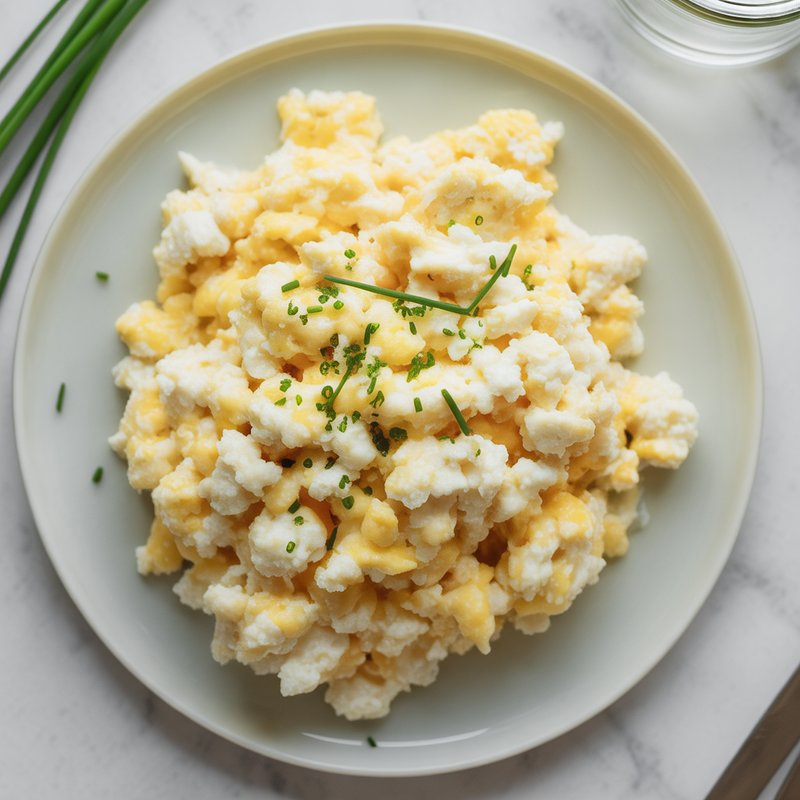
I’ve made versions of these for teams during pre-season camps and for clients managing blood sugar. The best batches do not try to be bodybuilder desserts. They’re just pancakes that happen to be smartly built.
Why cottage cheese and oats work together
Two ingredients do the heavy lifting here. Cottage cheese delivers casein and whey, both slow and fast digesting proteins, plus moisture. Oats bring soluble fiber, a bit of fat, and beta-glucans that slow gastric emptying. In practice, that means these pancakes hold you longer, and they brown well without turning rubbery.
You might worry the cottage cheese will leave curds in the batter. It won’t, if you blend it. Blending breaks down the curds into a smooth base that behaves like a cross between yogurt and milk. The oats, whether you grind them into oat flour or blitz them lightly into coarse meal, give you the same starch you’d get from wheat flour, just with more texture and better nutrition. You can still keep some all-purpose flour if you want a fluffier diner-like crumb. It depends on what you value: pure oats give a heartier chew; a little flour adds lift.
The other key is salt and fat. Cottage cheese is salty by default, and oat batter can run dry if you’re stingy with the oil. A measured pinch of salt brings the sweetness of banana or maple into balance, and a tablespoon or two of neutral oil or melted butter smooths the crumb. Don’t skip fat entirely unless you like spongy centers.
The base formula you can memorize
I prefer a ratio you can remember without a recipe card. Think of it in cups and whole eggs because that’s how most home cooks operate at 7 a.m.
For two hungry people or three moderate portions:
- 1 cup cottage cheese (full fat gives the best texture, low fat works with a splash of oil) 1 cup rolled oats (or 3/4 cup oat flour if you keep it on hand) 2 large eggs 1/2 teaspoon baking powder, plus 1/4 teaspoon baking soda if you add an acidic component like yogurt or lemon 1 to 2 tablespoons oil or melted butter 1 to 2 tablespoons milk or water to adjust batter thickness Pinch of salt, 1 to 2 teaspoons sugar or honey if you prefer lightly sweet pancakes Optional flavor: 1/2 teaspoon vanilla, a pinch of cinnamon
Blend cottage cheese, eggs, oil, and any liquid first until smooth, then add oats and leavening, and pulse until the batter is mostly smooth with a few flecks. Let it rest 5 to 10 minutes. Resting matters, the oats hydrate and the batter thickens. If you skip the rest, the first pancakes will spread thin, then the last ones will be thick as the oats pull in liquid. Control it up front and the batch cooks consistently.
This blend lands around 30 to 40 grams of protein for the whole batter, depending on your cottage cheese brand and egg size. Split that in half and you’re getting a breakfast with the protein of a full scoop of whey, plus fiber you can actually chew.
A quick scenario from a rushed weekday
Picture a Tuesday: you’ve got a 45 minute block between shower and the first call. You want breakfast that doesn’t feel like a chore. You toss cottage cheese, eggs, and oats in a blender. While the batter rests, you heat the pan and make coffee. Pancakes hit the griddle, you flip once, and by the time the second cup is poured, you’ve eaten two. Leftover batter goes in the fridge. It thickens overnight, so tomorrow you whisk in a splash of milk and you’re back in business. Ten minutes of active time, two days of breakfasts that don’t crumble your morning energy.
Technique that separates “pretty good” from “I’d make these again”
Heat management makes or breaks any pancake. Medium heat is your friend. If you see wisps of smoke from the oil, you’re too hot. If the first side takes more than 3 minutes to set, you’re too cold. Aim for a gentle sizzle, and don’t chase a diner-style mahogany crust. Oat batters brown faster because of natural sugars, so you’ll get color even at moderate heat.
Use a thin spatula and flip only once. Early flipping tears the structure because the eggs and oats need time to set. You’ll know it’s ready when the edges look matte and you can slide the spatula under without sticking. If it still feels glued to the pan, give it 30 more seconds. Patience beats force.
Greasing the pan is not optional. A half teaspoon of butter or oil per round is enough. Nonstick pans make life easier here. Cast iron works too, but keep the heat slightly lower than for flour pancakes.
If you’re chasing extra lift, fold in 2 tablespoons of all-purpose flour after blending. That tiny addition gives stronger gluten structure, and even purists admit it helps when serving kids or skeptical brunch guests. That said, if you’re gluten-free for medical reasons, stick with pure oats labeled gluten-free and skip the flour.
Managing texture: creamy, fluffy, or hearty
Your preferences drive three knobs: blending time, oat grind, and fat.
- Creamy: blend fully, use oat flour rather than whole rolled oats, add a tablespoon more fat. You’ll get a smooth batter and softer crumb that almost mimics ricotta pancakes. Fluffy: keep a 3:1 oat to flour ratio and a full teaspoon of baking powder. Don’t overblend. A few oat bits act like micro-ball bearings, holding pockets of air. Hearty: skip flour entirely, use rolled oats pulsed just 3 or 4 times. Add chopped nuts or seeds. The result is chewier and deeply satisfying, more like a flapjack’s grown-up cousin.
I lean creamy on weekdays, fluffy when I’m serving company, and hearty if I know lunch will be late.
Sweetness and toppings without sabotaging the macros
One reason people burn out on “protein pancakes” is the topping trap. You do the work to build a higher-protein base, then drown it in syrup. I’m not here to police joy, but I’ve seen post-meal crashes wreck an otherwise solid morning.
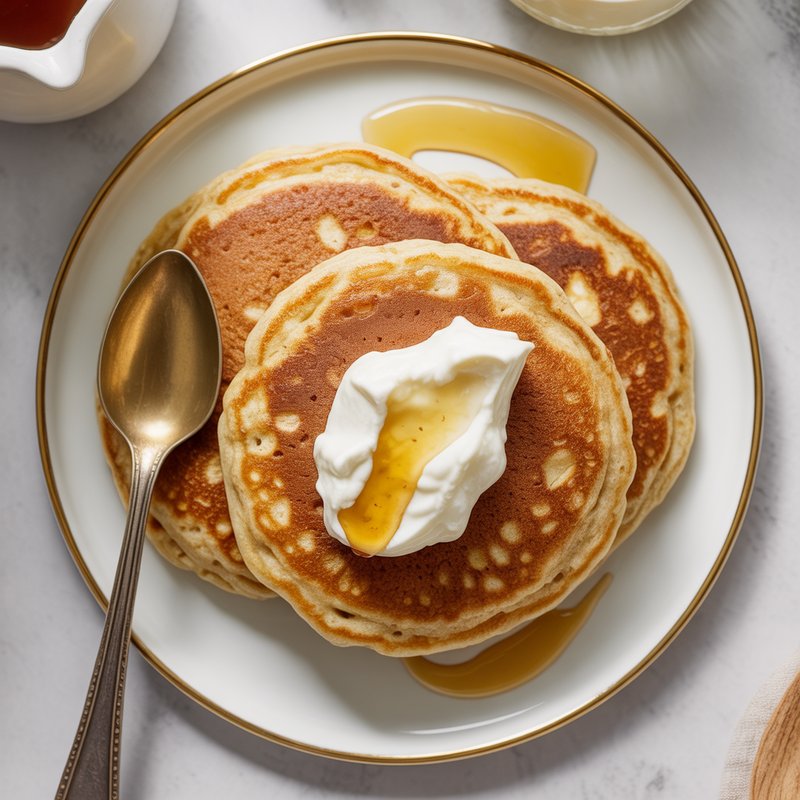
A practical middle path: brush the pancakes with a little melted butter, then add sliced strawberries or blueberries and a tablespoon or two of real maple. That’s enough sweetness for most palates. If you like tang, lemon zest in the batter plus a dollop of Greek yogurt on top adds brightness and more protein.
Nut butters work, but watch the spoon. Two tablespoons of peanut butter bring flavor and 7 to 8 grams of protein, but also 16 grams of fat. On training days, that might be exactly what you want. On office days, thin a tablespoon with warm water and a bit of honey so you can drizzle for coverage without doubling calories.
Chocolate chips are not forbidden. Fold a small handful into the second half of the batter and keep the first half plain. You’ll learn what your weekday tolerance is, and you won’t feel like you’re eating a treat when you need a work breakfast.
Variations that actually earn their place
I test variations by asking two questions: does this make the pancake more satisfying, or does it solve a constraint? If neither, it’s garnish.
Here are the ones that clear that bar:
- Banana oat protein pancakes: blend in half a ripe banana with the wet ingredients. You’ll get natural sweetness, extra potassium, and softer texture. Reduce added sugar to zero, and watch the heat, banana sugars brown quickly. Savory cottage herb pancakes: skip sugar and vanilla. Add chopped chives, dill, and black pepper. Serve with smoked salmon or a fried egg. This version is stellar for brunch or a post-workout meal when you’re sick of sweet. Pumpkin spice with staying power: add 1/3 cup pumpkin puree and a pinch each of cinnamon, ginger, and nutmeg. Increase baking powder slightly, pumpkin adds moisture and weight. Pair with toasted pecans. High-protein boost without chalkiness: if you want to add protein powder, choose an unflavored whey isolate and limit it to 10 to 15 grams per batch. Replace equivalent oat flour to keep the batter from drying out. More than that and the texture turns squeaky. Dairy-free but cottage-cheese-like: blend soft tofu with a teaspoon of lemon juice and a pinch of salt to mimic cottage cheese’s tang and protein. Sauté in oil, not butter, and add a touch more baking powder. The texture is surprisingly close.
Troubleshooting common misfires
If you’ve tried online versions and sworn off the concept, I’ve probably seen your specific failure. Most issues point to one of three mistakes: batter too thin, heat too high, or under-seasoning.
Gummy centers: the batter was either too wet or undercooked. Fix by resting the batter a full 10 minutes, reducing added liquid, and cooking at medium heat longer. If you want thick pancakes, lower the heat and extend time rather than cranking the flame.
Dry and crumbly: add a tablespoon more fat or a splash of milk. Use full-fat cottage cheese rather than fat-free. If you’re grinding your own oat flour, don’t overdo it, ultra-fine oat flour can behave like sawdust in lean batters.
Overly tangy or “cheesy”: brands of cottage cheese vary a lot. Some are saltier and more acidic. If your batch tastes aggressively tangy, balance with a teaspoon of sugar or honey, or add a drop of vanilla. You can also mix cottage cheese half and half with Greek yogurt for a milder base.
Too fragile to flip: you rushed the set or your pan wasn’t greased. Wait for matte edges and scattered bubbles, then slide, lift, and flip in one confident motion. If fragility persists, add 2 tablespoons of flour or one extra egg white to strengthen the network.
Sticky pan: even good nonstick pans get fussy after years of dishwasher cycles. If your pan sticks, use a thin film of oil and preheat a minute longer. Cast iron needs a real preheat, then a slight heat reduction once the first pancake is on.
A note on nutrition without the sermon
Numbers vary with brand, but a realistic per-serving snapshot for the base recipe split two ways, cooked in a teaspoon or two of oil:
- Protein: 18 to 24 grams Carbohydrates: 35 to 45 grams (mostly from oats) Fat: 10 to 16 grams, depending on dairy and added oil Fiber: 4 to 6 grams
That’s a breakfast that carries you through a mid-morning meeting without a granola bar rescue. If you’re aiming for 25 to 35 grams of protein per meal, which is a common target for satiety and muscle repair, add a side of Greek yogurt or an extra egg on top and you’re there.
For blood sugar management, pair with berries and a bit of nut butter rather than juice or a big syrup pour. Oats and protein already help, the toppings decide the curve.
Batch, store, and reheat like someone who’s done this for months
If you take one operational tip from this, let it be this: make double batter on Sunday, cook half, refrigerate the rest.
Batter storage: blender jar with the lid on, fridge, up to 48 hours. The leavening loses some punch, so stir in 1/4 teaspoon fresh baking powder before cooking on day two. The batter will thicken, loosen with a splash of milk.
Cooked pancake storage: cool completely on a rack, then stack with a small square of parchment between each. Refrigerate for 3 days, or freeze for 1 to 2 months.
Reheating: toaster is best from the fridge, two cycles on low to warm through without rubberizing the center. From frozen, microwave for 20 to 30 seconds to thaw, then finish in a toaster for texture. If you go pan reheat, use low heat and a lid to trap a bit of steam.
Freezer tip that saves you on bleary mornings: portion batter into silicone muffin cups and freeze. Pop out the pucks into a bag. Thaw overnight or toss into a warm pan covered, they’ll cook into mini rounds with almost no mess.
The gear that actually matters
You do not need a griddle the size of a desk. What helps is a blender or stick blender, a reliable nonstick skillet, and a flexible, thin spatula. If you own a cast iron pan, use it, but keep the heat modest and a pat of butter ready, cast iron punishes dry surfaces.
Measuring cups are fine here. If you like scales, 240 grams cottage cheese and 90 grams oats will put you on target. Eggs vary, but given the forgiving nature of the batter, the difference between 50 and 60 gram eggs won’t sink the ship.
Where this fits in a training week
The right day for these depends on your session. On heavy lifting or long run mornings, the combo of protein and low-glycemic carbs is friendly to steady energy. If you’re doing high-intensity intervals within the hour, you may prefer an easier-to-digest option, like toast with jam and a small shake, then these afterward when your stomach settles. There’s no badge for eating pancakes before a sprint workout.
For evening training, these make a good dinner with savory toppings. I’ll do the herb version, add a fried egg, and serve with arugula dressed in lemon and olive oil. It hits the recovery numbers without turning dinner into a protein industrial complex.
A smart shopping plan
Cottage cheese quality swings a lot by brand. Look for simple ingredient lists, a mild smell, and a creamy texture. Full-fat versions tend to be smoother and less chalky. If price matters, store brands often perform fine once blended, even if they’re grainier out of the container.
Buy old-fashioned rolled oats, not quick oats or steel-cut, unless you know how they behave. Quick oats can make the batter pasty. Steel-cut oats won’t hydrate enough without an overnight soak or a preliminary cook.
Keep a small jar of baking powder fresh. If it’s been open a year, it’s tired. Stir a pinch into hot water; if it doesn’t fizz, replace it. Stale leavening is behind more flat pancakes than any mixing mistake.
For the numbers-inclined: scaling up or down
The base formula scales cleanly. For each additional person, add roughly half a cup each of cottage cheese and oats, and one egg. This keeps the protein-to-carb ratio in the same ballpark.
If you need to serve six at brunch, plan for 3 cups cottage cheese, 3 cups oats, 6 eggs, 3 tablespoons oil, and 2 to 3 teaspoons baking powder. Use two pans or a griddle, and warm the oven to 200 degrees F with a sheet tray to hold the finished pancakes. Don’t stack straight from the pan, steam will make them soggy. Give each pancake 30 to 60 seconds on the rack before it joins the tray.
Step-by-step, no fuss
- Blend 1 cup cottage cheese, 2 eggs, 1 tablespoon oil, and 1 tablespoon milk until smooth. Add 1 cup oats, 1/2 teaspoon baking powder, pinch of salt, and optional vanilla. Pulse to combine. Rest 5 to 10 minutes. Preheat a nonstick skillet over medium heat. Lightly oil the surface. Spoon 1/4 cup portions of batter into the pan. Cook until the edges look set and the underside is golden, about 2 to 3 minutes. Flip once, cook another 1 to 2 minutes. Adjust heat if browning too fast. Taste the first pancake. If it’s dense, loosen the batter with a splash of milk. If it spreads too much, add a spoonful of oats or a bit more baking powder and wait 2 minutes. Serve with your chosen topping. Store extra batter or pancakes as outlined above.
Where people get burned, and how you avoid it
The most common trap is chasing protein with dry numbers rather than food that eats well. You add a full scoop of protein powder, cut fat https://stoneddqhr212.huicopper.com/cottage-cheese-protein-bars-no-bake-no-fuss to zero, and end up with a squeaky puck. The second trap is perfectionism. You will not hit macro nirvana every morning, nor should you. If your pancakes taste good and keep you full until lunch, that’s the win.
Another quiet trap is brand variability. I’ve watched two cooks follow the same recipe and get different outcomes because one cottage cheese was creamy and another was grainy. If your batter looks pebbly even after blending, it’s the dairy, not your technique. Switch brands or add a tablespoon of Greek yogurt to smooth it.
Finally, portion size. Pancakes encourage one-more tendencies. Plate what you plan to eat, then put the rest in a warm oven or straight into storage. If you graze at the stove, you’ll overshoot without noticing. A small plate with two 4-inch pancakes is usually right for most adults in a normal workday. Add a third if you’ve trained hard or breakfast is your main meal.
If you only remember three things
Rest the batter so the oats hydrate, cook at moderate heat with a bit of fat, and season like you mean it. With those handled, the rest is preference. You can swing sweet or savory, fold in banana or herbs, chase fluffy or hearty. The core stays reliable.
There are breakfasts that feel like a compromise and breakfasts that quietly do their job. These pancakes fall in the second camp. They aren’t trying to sell you a lifestyle. They’re a dependable, tasty way to get real protein, solid fiber, and a calm morning. And that’s enough.