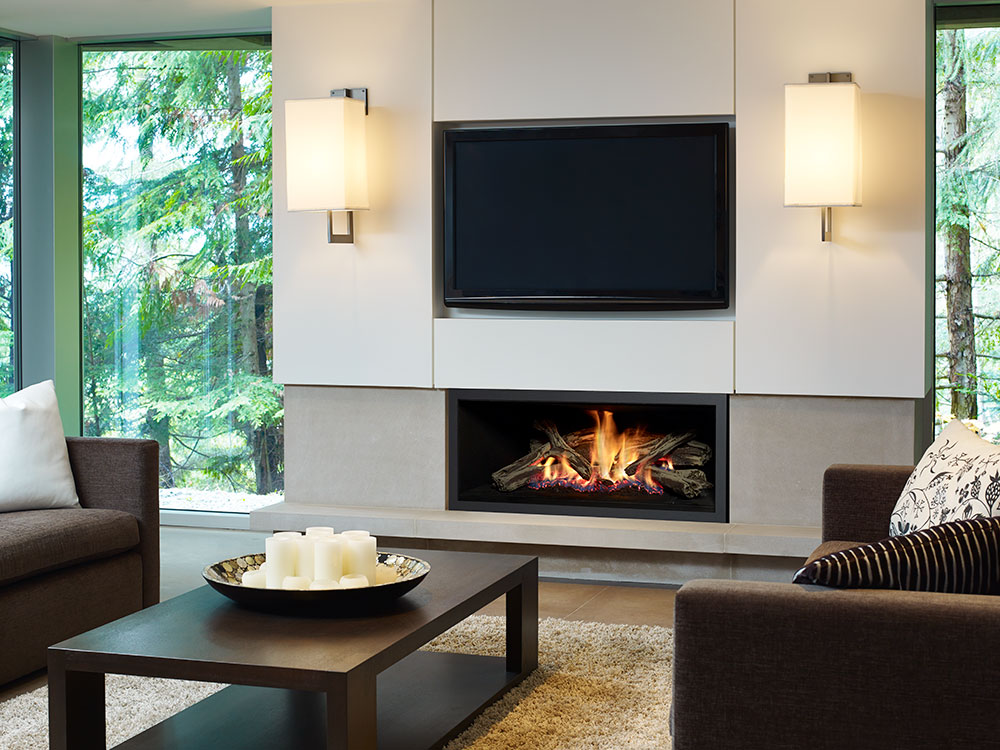
Choosing between a gas fireplace insert and an electric fireplace insert is rarely about one being universally better. It usually comes down to your room dynamics, utility access, safety priorities, and how you plan to use the heat. Over the past two decades of working in fireplace installation and chimney inspections, I’ve watched families debate between the warm realism of a gas flame and the low-maintenance convenience of electric fireplace inserts. Both can be excellent. Each brings trade-offs that feel different once you live with them for a season.
This guide walks through the practical differences that matter, with on-the-ground details you only find after hundreds of installs and follow-up service calls.
What you’re actually buying when you choose gas vs. electric
Gas fireplaces and gas fireplace inserts burn natural gas or propane to produce real flames. They convert fuel to heat at the appliance and vent combustion gases outdoors, either through an existing chimney liner or a dedicated coaxial vent. That means you’re dealing with fuel lines, ignition systems, and in most cases some level of venting infrastructure. The flame is real. The heat arrives quickly. The unit offers tactile, responsive control.
Electric fireplace inserts simulate flame effects using LEDs or projection and produce heat with an electric resistance heater, typically in the 1,000 to 5,100 BTU equivalent range for standard 120-volt units. The better models give you convincingly layered ember beds and adjustable flame color. There’s no combustion, no flue, no gas line, and installation can be as simple as a dedicated 120-volt circuit and a stable cavity. For higher heat output, some units run on 240 volts and approach 7,500 to 8,500 BTU equivalent.
Most homeowners in existing houses start with a simple question: Can my current hearth handle what I want? If you have a masonry fireplace that’s drafty or underperforming, a gas fireplace insert can transform it into a serious heat source. If you have a sealed wall cavity or a basement with no flue, an electric fireplace insert is often the more straightforward path to a clean install.
Heat output and comfort during real winters
The first time I installed a high-efficiency gas fireplace insert in a 1950s ranch, the homeowners called me after the first cold snap to say they hadn’t used their furnace for three evenings straight. That’s the point. A modern direct-vent gas fireplace can deliver 20,000 to 35,000 BTU or more, which is enough to heat a large living room and adjacent spaces. You can feel the radiant warmth across the room, and the blower can push convection heat out quickly. For open concept homes, a properly sized gas insert can take the edge off the whole main floor.
Electric fireplace inserts are better thought of as supplemental heat and ambiance. On 120 volts, most offer roughly 4,000 to 5,100 BTU equivalent and max out at about 1,500 watts. They’ll warm a 400 square foot room, especially if well insulated, but they won’t replace a furnace. They excel at zoned comfort: turn them on when you sit down to read or watch a show, and avoid heating the entire house for a two-hour window. That approach saves money in milder climates and shoulder seasons.
If you live where winters mean repeated subfreezing nights, and you want a single room to become your gathering place, a gas fireplace insert will feel more satisfying. If your climate is moderate, or you mainly want flame presence with occasional heat, electric fireplace inserts give you more control over when and how much warmth you add.
Installation realities: venting, power, and code
Gas fireplaces require a fuel source and safe exhaust. For a gas fireplace insert installed into an existing masonry fireplace, we run a properly sized stainless liner up the flue to vent outdoors. For a direct-vent gas fireplace placed in a new chase or remodeling situation, we install a coaxial vent through an exterior wall or roof with the right clearances. In both cases, a licensed pro needs to handle the gas line, pressure test, and ignition setup, and the venting has to meet manufacturer specs and local code.
Electric fireplace inserts are simpler. You need a capable outlet on a dedicated circuit, ideally. Some units plug in; others hard-wire. There’s no venting, which opens up options in basements, interior walls, and condos where penetrations through the building envelope are complicated or prohibited. If you’re replacing a wood-burning setup that is due for chimney cleaning service or needs expensive flue work, going electric can bypass those costs entirely.
A quick rule of thumb from the field: if you have an intact, serviceable chimney and you want meaningful heat, a gas fireplace insert delivers. If your chimney is compromised, or you’re building out a TV wall with a shallow cavity where depth https://pastelink.net/4xq5b309 is limited, electric fireplace inserts are faster, cheaper, and cleaner to install.
Operating costs and efficiency in plain numbers
Energy costs vary wildly by region, but some patterns hold. Gas fireplaces produce more BTUs per dollar where natural gas rates are low and electricity is high. Many direct-vent gas fireplaces operate in the 70 to 85 percent efficiency range for useful room heat. Their standing pilot, if present, may consume a small amount of gas year-round unless you use electronic ignition. Propane runs higher in fuel cost than natural gas, so the break-even calculus changes in rural areas on tank service.
Electric fireplace inserts convert electrical energy into heat at nearly 100 percent at the point of use, since there’s no flue loss. The limitation is not efficiency but capacity. Your cost per hour is basically your local kWh rate times the wattage. A common 1,500-watt unit at 15 cents per kWh costs about 23 cents per hour at full heat. Used for two hours each evening, you’re around $14 a month. That’s attractive for ambiance and spot heating. But if you try to heat large areas all winter this way, the cost outpaces gas in many service territories.
On flame effects, electric units can run visuals without heat for pennies per hour. If you primarily want the look for long stretches, electric makes financial sense. With gas, flames always represent fuel consumption, even when you turn down the thermostat and fan.
Maintenance, inspections, and long-term care
Gas fireplaces reward owners who respect maintenance. Cleaning the pilot assembly, glass, and media, checking the venting, and verifying carbon monoxide detection in the home are not optional. The best cadence is annual chimney inspections for inserts venting through a flue, combined with a service visit to tune the burner, vacuum the firebox, and replace embers when they degrade. A West Inspection chimney sweep or a similar certified pro will also look for liner issues, cap problems, and any leakage at joints. Most gas appliances run reliably for a decade or more if serviced. Neglected units gradually accumulate soot, the flame pattern distorts, and ignition becomes unpredictable.
Electric fireplace inserts have light maintenance: dusting the intake, occasionally cleaning the glass, and making sure the unit’s airflow isn’t blocked. LED flame systems last thousands of hours. Fans and heating elements can wear; replacement parts are accessible on many reputable brands. There’s no combustion byproduct inside the home, so you’re not managing venting or deposits. In rental properties and short-term stays where turnover is high, electric eliminates fuel concerns and reduces service calls.
That said, don’t treat electric as zero-maintenance. Overheating shutoffs trigger if vents are blocked. Loose plugs and overloaded circuits cause nuisance trips. I’ve seen units installed in tight cabinets without airflow, then blamed for frequent failures. Follow the clearance specs and give the unit space to breathe.
Safety: real flames vs. electric heat
With gas fireplaces, safety begins with proper installation and continues with responsible use. Clearances to combustibles, correct venting slope, sealed glass, and functioning safety sensors must be verified. The glass front on many gas fireplace inserts gets dangerously hot; families with small children should add a tested safety screen. Carbon monoxide alarms should be present near sleeping areas, and a gas shutoff should be accessible. If you ever smell gas or see sooting on the glass, stop using the appliance and schedule service immediately.
Electric fireplace inserts avoid combustion risks, yet they still produce heat. The face can become warm, and the heater outlet needs open space. Quality units include tip-over sensors (for freestanding models), overheat protection, and automatic shutoff timers. If you plan to recess an electric unit below a TV, check temperature ratings and follow mounting height guidance. Uncertified bargain units are the ones that most often fail safety tests or use poor wiring. Stick to brands with recognized listings and solid warranty terms.
Realism and flame aesthetics
This category is where personal taste dominates. A direct-vent gas fireplace with a well-tuned burner and quality log set offers a convincing and calming flame profile. The ember bed glows, the flames carry depth, and you get incidental aroma that many homeowners associate with a hearth. Glass media and driftwood kits change the look entirely, creating a contemporary bed that suits modern interiors. I encourage clients to see the same model running in person before choosing log style. The difference between brochure photos and real-world flame behavior can be surprising.
Electric fireplace inserts have improved dramatically. Top-tier models layer multiple flame colors, adjustable speeds, and a bed of crushed glass or resin logs with ember effect. Purists will still notice the lack of random flame turbulence, but for ambiance, especially at lower lights in the evening, the effect works. Electric also gives you off-season visuals without heat. For year-round living rooms in warmer climates, that ability can carry more weight than purist flame realism.
Noise, controls, and daily experience
Gas fireplaces tend to be quiet. You hear the faint whoosh of ignition and the low murmur of flames. If the blower runs, there is some fan noise, usually a soft whoosh. Higher-end models include variable-speed blowers, remote thermostats, and Wi-Fi modules. The control experience is straightforward: choose a flame height, set the fan, and let the thermostat maintain comfort. In power outages, many standing pilot systems keep producing heat without electricity, which matters in storm-prone areas. Electronic ignition systems may need backup power to run the control board and fan, yet some still produce radiant heat without the blower.
Electric fireplace inserts rely on a fan for heat distribution, so you will hear it. Good units keep it under a soft hum. Remote controls are standard. App control and timers are common. Flame brightness, color, and ember bed adjustments add variety. During a power outage, electric offers no heat or flame effect unless you have a generator or battery backup.
Environmental considerations
Carbon footprint discussions hinge on your utility’s fuel mix. Gas fireplaces burn fossil fuel locally. Electric units shift emissions upstream to the power plant, where the source could be natural gas, coal, nuclear, hydro, wind, or solar. In regions with a high renewable share, electric fireplace inserts look stronger environmentally. In places where electricity is coal heavy, efficient gas fireplaces can present a lower overall footprint for the same delivered heat.
Another factor is indoor air quality. Properly vented direct-vent gas fireplaces draw combustion air from outside and send exhaust outdoors, keeping indoor air cleaner than unvented appliances. Electric inserts, without combustion, avoid CO concerns entirely. If your home is very tight and you’re already wrestling with ventilation strategy, electric simplifies the equation.
When a chimney inspection changes the plan
I’ve had jobs start as gas fireplace insert projects and pivot to electric after a thorough chimney inspection revealed serious flue damage. If you need a full relining to meet code, repair a cracked crown, and add a proper cap, the combined cost might push you toward a different solution. This is where an honest, certified pro matters. A thorough assessment by a qualified chimney cleaning service can clarify whether your existing system is worth investing in. Sometimes the answer is yes, especially if you value real flame heat and already have gas service. Other times, electric wins on simplicity and cost.
For homeowners in older houses with patched chimneys, a West Inspection chimney sweep or similar credentialed provider will document issues with photos and measurements. I always advise clients to keep that report for insurance and resale. If you do proceed with a gas fireplace, those documents prove the work was done correctly.
Budget, warranties, and hidden costs
Sticker prices overlap more than you might expect. Midrange gas fireplace inserts with venting kits and installation often fall in the range of $4,000 to $8,000, depending on brand, trim, and the complexity of the vent path. If you need a gas line run from a distant meter or propane tank, add to the budget. In some municipalities, permits and inspections are a small but necessary cost. Expect professional installation to take a day, sometimes two if masonry adjustments are required.
Electric fireplace inserts range widely. A well-built unit designed for recessed installation might cost $800 to $2,500, plus electrical work if you need a new circuit. Framing, drywall, and finish carpentry add cost if you’re building a feature wall. Even then, many full electric projects land well below the price of a gas insert when venting or gas piping would be complicated.
On warranties, gas fireplace manufacturers often offer 10-year or limited lifetime warranties on the firebox with shorter terms for electronics and glass. Electric units typically offer 1 to 5 years depending on brand and model. Check part availability and service networks. I favor brands that ship parts promptly and provide clear service manuals. Whether you choose gas fireplaces or electric fireplace inserts, you want local techs who know the product line.
Styling and integration with media walls
Fireplaces compete for wall space with TVs and built-ins. With gas, the heat at the wall above the unit must be managed. Many models now offer heat management kits that redirect warmth to grilles away from electronics. Even so, mantel and TV height clearances must be respected. If a client wants a low TV and minimal mantel projection, electric fireplace inserts often fit better because their discharge temperatures are lower and more predictable.
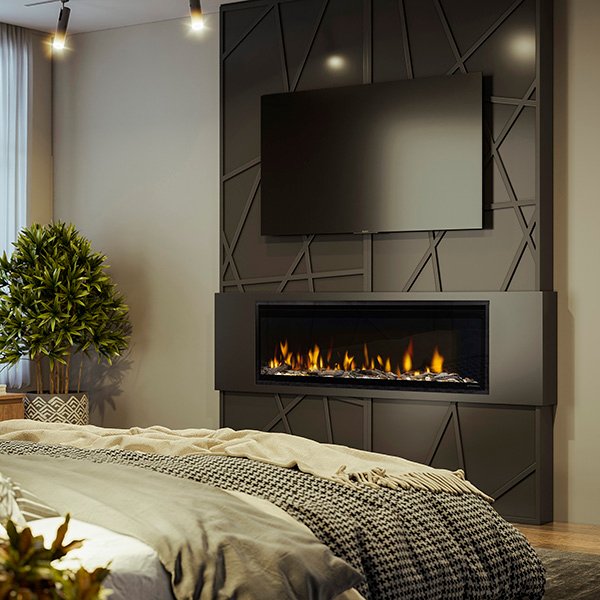
Electric also gives designers freedom with linear proportions. Long, low units stretching five, six, even eight feet across a wall create a distinct look. Gas offers linear models too, but they require more depth and rigid vent routing. Consider cord routing and access panels for future service. Clean installs happen when you plan both now and for the day you need to pull the unit for maintenance.
Common pitfalls I see and how to avoid them
- Undersizing or oversizing heat output: A gas fireplace that roasts you out of a small room gets used less, and an electric unit struggling in a large, drafty space disappoints. Match BTU to room volume and insulation level. Skipping chimney inspections: For gas inserts in existing fireplaces, a formal inspection and, if needed, liner sizing is nonnegotiable. It prevents draft issues, condensation, and damage. Ignoring electrical capacity: A shared outlet with a space heater, vacuum, or entertainment center can trip breakers. Give electric fireplace inserts their own circuit when possible. Overlooking air intake and clearance: Electric units need airflow. Gas needs clearances to combustibles. Tight shiplap wraps look great but must respect the manual. Choosing on looks alone: Flame videos are helpful, but read the spec sheet for heat output, efficiency, vent options, and controls. Ask to see the unit running in a showroom if you can.
When gas fireplace inserts shine
If you want notable, room-dominating heat with a real flame, and you have access to natural gas or propane, a gas fireplace insert is hard to beat. It pays off most in open living areas where the family gathers daily. In regions with frequent winter outages, models that operate without full grid power add resilience. For homeowners converting a drafty, wood-burning fireplace they rarely use, a gas insert creates a reliable, low-mess, high-performance centerpiece.
Some clients worry about safety or maintenance. With proper installation, annual service, and a CO alarm strategy, gas fireplaces run cleanly for years. In terms of long-term value, a high-quality gas unit can be a selling point, especially when paired with documented chimney inspections and service records.
When electric fireplace inserts are the smarter move
In condos, basements, tight renovations, and spaces without a viable vent path, electric fireplace inserts let you create a focal point without demolition. They work beautifully for households that prioritize ambiance, variable flame colors, and precise control over when heat is on. They are friendly to renters and second homes where fuel service and annual maintenance are a headache. The ability to operate visuals without heat means you’ll enjoy the fireplace in July just as much as in January.
I recommend electric to clients who dislike gas lines in the house, who want the cleanest, simplest installation, or who plan to pair the fireplace with a low-mounted TV and custom cabinetry. In these cases, electric solves more problems than it creates.
A practical path to making the decision
Start with the room. Measure dimensions, note insulation quality, and identify where people sit. Decide if you want primary or supplemental heat. Check utility accessibility: is natural gas available, or would you be on propane? Is the existing chimney sound, or will you need significant flue work? Look at your electric panel for spare capacity.
Then visit a showroom. Bring photos. Stand in front of a running gas fireplace and an electric fireplace insert for 10 minutes each. Feel the heat, listen to the fan, and watch the flame. If you can, ask to see different log sets and ember media. Good dealers will pair you with the right unit for your space rather than push whatever is on promotion.
Finally, line up reputable professionals. If you’re leaning gas, schedule chimney inspections and a quote from a certified installer. A seasoned chimney cleaning service can tell you whether your flue is ready for a new life with a liner or if it needs repairs first. If electric is on your shortlist, have an electrician confirm circuit capacity and placement. In both cases, insist on permits where required and keep records of the installation for warranty and resale.
The bottom line from years in the field
Gas fireplaces deliver serious warmth and authentic flame presence. They cost more to install, require annual attention, and reward owners with a living, breathing fire that anchors a room. Electric fireplace inserts offer flexibility, lower upfront cost, and no venting, with surprisingly convincing visuals and convenient control. They suit modern renovations and urban dwellings where heat is supplemental and simplicity matters.
You can’t go wrong if you match the appliance to your home’s constraints and your lifestyle. I’ve installed gas fireplaces in drafty farmhouses where the family spends winter gathered within six feet of the hearth, and electric fireplace inserts in sleek city condos where the TV wall needed a low-profile, safe, and maintenance-light flame effect. Both clients were thrilled because the choice fit the space and the way they live.
If you’re undecided, bring in a pro for site-specific advice. A careful evaluation of structure, clearances, utilities, and usage patterns will point you to the right path. Whether you end up with a gas fireplace insert that turns a cold room into a refuge, or an electric fireplace insert that adds mood and measured warmth at the push of a button, the best fireplace is the one you’ll use often and safely, year after year.