
Minimalist interiors ask every object to earn its place. Fewer lines, calm materials, generous negative space, and a handful of elements that quietly set the tone. A fireplace can easily upset that balance with bulk, visual noise, and maintenance demands. Electric fireplace inserts solve most of those problems while offering reliable ambiance and supplemental heat without a chimney, vent, or gas line. When specified well, they settle into a room like a perfectly sized punctuation mark, adding warmth without clutter.
I install and spec fireplaces for clients who love clean, contemporary rooms. Over the last decade, I have learned where electric inserts shine and where they fall short, which trims read minimal rather than faux-rustic, and how to make the flame effect work with light, color, and sightlines. This guide distills that experience into practical selection advice and top picks that mesh with pared-back interiors.
Why electric inserts suit minimalist spaces
Minimalism rewards quiet technologies. Electric fireplace inserts provide a low-profile, vent-free option that avoids the compromises of solid fuel or a gas fireplace insert. No flue, no carbon monoxide risk from combustion, and no makeup air puzzle. That simplicity opens up placements that would be tricky with gas fireplaces, like long interior walls that carry plumbing or electrical, or tight condos where penetrations are controlled by the HOA. A small 15 amp circuit typically suffices for many models, though larger units pull up to 12.5 amps on high heat, so I always confirm the circuit and recommend dedicated service when possible.
The visual language also aligns. Frameless surround kits, slim black bezels, and linear formats read like architectural apertures. Adjustable ember beds and color-selectable flames allow restraint. Unlike some gas fireplaces that chase realism with heavy logs and a tall, insistent flame, top electric fireplace inserts can be dialed down to a low, ember-like shimmer. That’s more in tune with spaces that prioritize silence, soft shadows, and matte finishes.
A note on terminology that helps you shop well
Manufacturers use “electric fireplace inserts,” “electric fireplace,” and “linear electric” interchangeably. Functionally, an electric fireplace insert slides into an existing cavity or new framed opening, usually with a surround that covers gaps. A “built-in” can recess fully and sit flush with drywall or stone. Some models do both, depending on trims. Be exact when you order: “insert, partially recessed, 2 x 4 wall depth” reads very differently from “fully recessed, 2 x 6 wall depth, flush finish.” If you own a wood-burning box and want to convert it, look for cassette-style inserts sized for a masonry opening. If you’re starting from a blank wall, lean toward linear built-ins rated for 2 x 4 or 2 x 6 framing.
Also, do not confuse electric units with a gas fireplace insert. Gas fireplaces remain an excellent option and can deliver higher heat with a more natural flame if you have or can add a gas line. With gas, you will coordinate venting and clearances, and you’ll want proper fireplace installation with certified pros and chimney inspections where applicable. For this piece we focus on electric fireplace inserts and how they support minimal design.
Real constraints that make or break the result
A clean aesthetic starts long before the first spark. Consider the following constraints early so you don’t end up with a pixelated flame floating in a too-tall opening.
Proportions to the wall and seating. Minimalist rooms often feature low, horizontal compositions. A 50 to 60 inch linear electric insert typically sits well on an 8 to 12 foot span. Over 12 feet, 72 to 100 inches becomes the anchor, but check the vertical mass of the wall. If the ceiling is 8 feet, a 100 inch unit can skew the room’s center of gravity unless you break the height with integrated millwork.
Mounting height. The most common mistake I see is mounting too high, chasing TV clearance. Aim for the flame bed at 14 to 20 inches above finished floor if the unit sits under art or blank wall. If it goes beneath a TV, check the manufacturer’s minimum clearance and test your sightline from the main sofa. On deep sectionals, slightly lower flames feel more intimate. In small rooms, keep the distance between the insert and the screen tight so the composition reads as one controlled field rather than two competing focal points.
Heat strategy. Electric fireplace inserts provide modest heat, often 4,000 to 5,000 BTU equivalent via a resistance heater, enough to lift a 150 to 400 square foot room by a few degrees. In larger or open-concept spaces, treat them as ambiance plus localized comfort, not primary heat. If clients ask for serious warmth, I discuss a gas fireplace or supplemental HVAC zoning. Minimalism is about intentionality, and overstating heat output leads to frustration.
Glare and daylight. Some flame effects wash out in bright rooms. If your living room faces south with floor-to-ceiling glass, pick a unit with high-nit flame LEDs, a matte anti-reflective front glass option, and a deep ember bed that reads even in daylight. I’ll sometimes recess the opening by a fraction and avoid glossy stone immediately around the frame to minimize reflections.
Sound. Most electric fireplaces use a small fan to distribute heat. High-end units whisper at 30 to 38 dB, while budget models can hum audibly. In quiet minimalist spaces, fan noise is the quickest way to break the spell. If you’re sensitive, test the model in person on high heat or source a decibel spec from the manufacturer.
Materials that flatter minimal interiors
You can keep a serene room intact by specifying materials with restraint. A slim black powder-coated frame blends into plaster or limewash. For stone, honed finishes beat polished. Vein matching around the opening keeps lines orderly. If you’re using millwork, vertical grain white oak or rift-sawn walnut in light stains pairs well with the low flame height of linear units. I tend to avoid stacked stone, heavy mantels, or rustic log sets in these projects because they fight the quiet architecture.
Inside the unit, skip bright orange embers unless you want a traditional reference. Smoked glass, clear acrylic crystals, and driftwood sets that read like sculptural forms tend to suit minimalist rooms. Many electric fireplace inserts allow you to dim the ember bed separately from the flames and to select flame color temperature from warm amber to neutral slate. Use that range the way a lighting designer would, based on ambient light and wall color.
Electrical and installation notes from the field
Even though electric fireplace inserts feel simple, a few details separate a tidy result from a retrofit that looks obvious. Run power to the side of the cavity so cords never drape across the back of the unit. Many models allow right or left service, which lets you conceal cable slack inside the framing. If you are recessing into a 2 x 4 wall, confirm the unit’s rear depth and clearance to combustibles. Some units require 2 x 6 framing for full recess, while others are engineered for 2 x 4 framing with minimal air gaps. If you plan to run a soundbar or TV directly above, review the warm air discharge path and baffle the back of the TV mount if needed. While there’s no combustion, the heater can run warm enough to age plastics over time if the clearance is ignored.
In existing masonry fireplaces, an electric insert can slide into the firebox with a trim surround. Before inserting, have a quick visual of the throat and damper with a flashlight. Remove any protrusions that could interfere with airflow across the unit’s intake. This is not a substitute for a full chimney cleaning service, but if that chimney will be dormant after the conversion, you may want to cap it properly, seal drafts at the damper area, and note the conversion for future chimney inspections. If you’re planning to keep the option of a gas fireplace or gas fireplace insert later, think through any gas line stub now while the opening is accessible.
For homeowners in regions with well-known service providers, a west inspection chimney sweep or similar local expert can confirm structural conditions of the masonry before you commit to an insert. Electric fireplace inserts may not rely on the chimney, but a crumbling firebox still needs repair if the cavity will support new finishes or wiring.
Top picks that deliver minimalist credibility
The models below have earned my trust in real projects. I focus on visual restraint, flame quality, sound levels, and installation flexibility. Specifications change, so verify dimensions, clearances, and electrical before you buy.
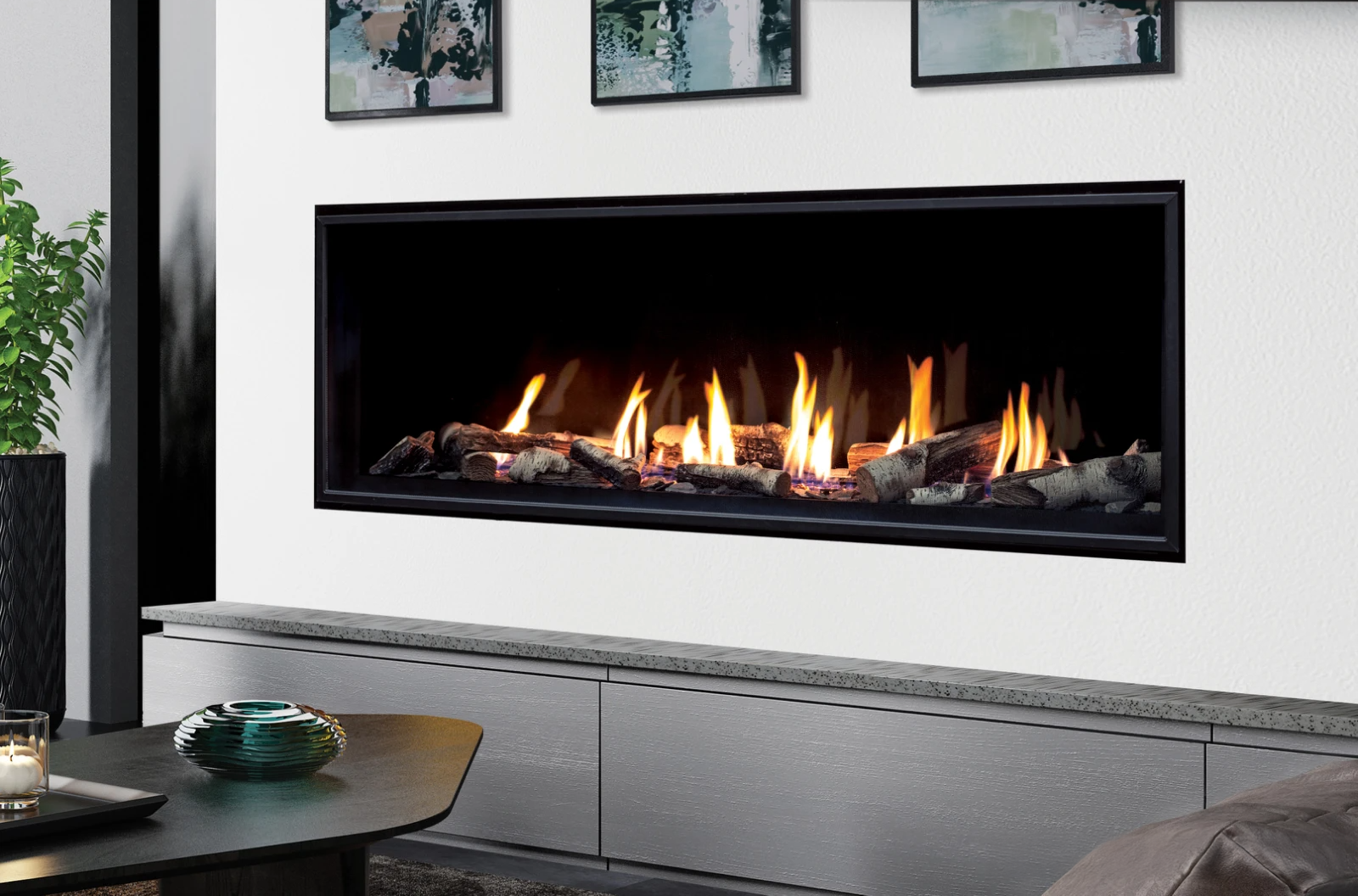
Faber e-MatriX. Faber’s water-vapor flame effect creates a surprisingly convincing, three-dimensional plume with subtle movement. For minimalists, the key advantage is the soft, muted glow that avoids the neon LED look. The units come in linear and corner configurations, which makes for elegant asymmetrical compositions. They require a water supply and routine mineral maintenance, so plan access. If you design the cavity with a concealed service panel, the pay-off is a flame that reads as airy and delicate in daylight, a rare feat.
Stuv 21 e-Series. Stuv brings their clean-lined Belgian sensibility into electric, with frameless kits that recess perfectly. The flame height is modest and the ember bed subdued, which pairs well with limewash or microcement walls. Heat output is moderate, and the fan is restrained. In a small studio project, I used the 80 cm model set low in a white oak surround, letting the negative space carry the composition. It almost felt like a Japanese alcove.
Modern Flames Spectrum Slimline. This is a go-to when the wall depth forces a 2 x 4 framing solution and the budget needs discipline without settling for a toy-like display. The Spectrum Slimline allows a flush look in shallow walls, offers discreet ember media, and gives you separate control over flame and bed brightness. It runs quietly for its price point. Keep the flame color near warmth and dial the bed way down for a credible effect.
Dimplex IgniteXL. Dimplex remains a market stalwart, and IgniteXL delivers a balanced flame that photographs well and holds up in person. The large viewing area and thin black surround favor minimal rooms. Heat is adequate for small zones, and the anti-reflective glass option keeps the screen-like sheen in check. The 74 inch model is a sweet spot on 12 to 14 foot feature walls with simple millwork. I like it with honed Basaltina or absolute black granite surround strips set proud by a few millimeters to create a shadow reveal.
Planika Electric Neo. Planika is better known for bioethanol, but their electric line has matured. The Neo’s frameless kit and calm flame makeup suit spaces where the fireplace is one element among few. The fan is polite and the ember bed looks glassy but not flashy. If the project already includes a Planika bioethanol piece outdoors, carrying the brand inside can help keep control logic consistent.
For cassette-style conversions of a masonry cavity, look for units explicitly designed as inserts with adjustable surrounds. Dimplex Revillusion inserts deliver a layered flame that sits back in the opening and avoids that surface-mounted appliance look. They are not linear, so choose them when the architecture asks for a traditional opening with minimal ornament.
Layering a fireplace with a TV without ruining the room
The TV-fireplace combo can wreck a minimalist living space if handled clumsily. The trick is to either merge them into a single controlled zone or separate them decisively. If you combine them, compress the vertical stack so the total field sits comfortably within the seated view. Aim for a 6 to 8 inch gap between the top of the electric fireplace insert and the bottom of the TV. Use a matte screen and, if possible, a paint color a half-tone darker behind both to reduce visual chatter. Cable management matters more than in decorative rooms. I route all devices to a side cabinet with a single conduit up the stud bay.
If you separate them, put the TV on a neighboring wall and let the fireplace own its side with a single artwork or nothing at all. The room will feel calmer, and your flame reflection in the screen disappears. Where code permits, I often integrate a shallow ledge or hearth slab at seat height, 14 to 16 inches, to support a plant or a book stack. Keep the slab thin and let it float subtly to maintain the minimalist language.
How to keep the flame effect from looking synthetic
A minimalist room is unforgiving. If the flame reads as carnival light, the illusion collapses. I treat the electric flame as one layer in a lighting plan rather than a standalone spectacle. Start by tuning ambient illumination. In daytime, indirect light from a north window or filtered sheers can carry the room, with the fireplace running at low intensity. At night, dim the general lighting to 20 to 40 percent, set the ember bed to a whisper, and then bring the flame up until it barely registers as movement rather than light source.
Color temperature matters. https://ameblo.jp/raymondtgft881/entry-12956404835.html If your room uses 2700 K lamps, choose the warmest flame setting. If the scheme trends neutral at 3000 K, a slightly cooler flame can sometimes read more authentic because it harmonizes with the environment. Avoid rainbow color cycles. They impress in showrooms and fight everything in a serene interior.
Media choice affects glare. Clear crystals sparkle; smoked and opaque media absorb. In minimal rooms, I favor smoked glass or flat white stones to deflect attention from the light engine. Some inserts allow mixed media. Place the reflective media at the back, matte in front, to reduce visible light points.
Budget spent in the right places
You can overspend on wattage and underspend on silence or materials. Put dollars into these elements first:
- A frameless or thin-trim installation kit that matches your wall depth and finishing strategy, plus anti-reflective glass if offered. A model with documented low fan noise and independent control of flame and ember bed brightness. Proper electrical and cable routing to avoid visible cords and to keep the cavity serviceable without cutting drywall.
Once those are settled, step up in size before stepping up in extras. Minimalist compositions benefit more from correct proportion than from high-end media kits you will never set above 10 percent brightness.
Real-world case notes
Townhouse refresh, 2 x 4 interior wall. The client wanted a 60 inch linear electric insert flush into a 2 x 4 partition with no mantle, centered between two tall bookcases. We used the Modern Flames Spectrum Slimline and framed the opening with a 3/8 inch shadow reveal all around. Power came from a dedicated 15 amp line. The wall paint was a mineral wash in warm white. During the day, we set the flame at 20 percent and the ember bed nearly off. The quiet fan kept it from intruding during reading. Total wall length 12 feet, fireplace centered with 33 inches of space to each bookcase. The final look read as a considered line, not a gadget.
Loft with abundant south light. Hard, high-gloss porcelain floors and a glass curtain wall washed out a budget electric unit. We switched to Dimplex IgniteXL with anti-reflective glass and added motorized sheers for midday. Swapping the ember media to smoked glass solved the pinprick glare. The flame became a subtle presence rather than a light source. We kept the surrounding panel in matte black Fenix to absorb reflections.
Masonry conversion in a prewar condo. The owner wanted to retire the wood-burning box and avoid running gas. We selected a Dimplex Revillusion cassette insert sized to the existing opening. A chimney cleaning service removed soot and debris, and we had a brief check from a local west inspection chimney sweep to confirm the firebox integrity before sealing the damper. We capped the flue at the top and insulated at the smoke shelf to eliminate drafts. The electric insert’s surround covered the historic iron edges, and the room’s quiet palette finally matched the owner’s furniture.
When gas, wood, or bioethanol still makes sense
Electric fireplace inserts suit most minimalist scenarios, but I still specify gas fireplaces when heat is truly a priority or when a client wants an unmistakably natural flame behind glass. A sealed direct-vent gas fireplace with a simple black trim can look austere if you choose the right media and keep the log set minimal. In that case, a gas fireplace insert or full gas fireplaces require proper fireplace installation and venting. Coordinate with trades early, and keep a schedule for periodic chimney inspections if you connect to a flue.
Wood-burning is tough to square with minimalism indoors because of ash, storage, and smell, though it can work in weekend cabins where rituals are part of the brief. Bioethanol can be a middle ground, offering real flame without venting, but it demands good air volume and safe handling. For urban apartments with strict rules, electric remains the most flexible option.
Maintenance and living with the unit
Electric fireplace inserts are low-maintenance, but not no-maintenance. Dust intake grilles gently every few weeks, especially if the unit sits near textiles that shed. If your model uses water vapor, commit to descaling and fresh water protocols. Keep the remote where you actually sit. A minimalist room can become fussy if you keep getting up to adjust light levels. Many brands offer app control, which helps you set scenes. For example, I create a “quiet evening” scene that dims overheads, adds a 10 percent flame, and sets a floor lamp to 30 percent. One tap and the room drops into a peaceful state.
If your insert lives in a former fireplace opening, note the conversion in your home records. If you later call for chimney inspections for another reason, the technician will know not to expect active venting. Most clients forget this, and confusion arises a few years later.
Buying checklist for a clean, minimalist result
- Confirm wall depth and decide on partially recessed or fully flush installation, then match the unit to 2 x 4 or 2 x 6 framing as needed. Prioritize low fan noise, anti-reflective glass, and independent ember and flame control over novelty features, and verify power requirements for the existing circuit.
Use this to narrow the field before you look at flame videos. Spec sheets look similar until you put them in a room, at which point noise, glare, and proportion dominate.
The short list by scenario
For shallow walls: Modern Flames Spectrum Slimline, 50 to 60 inch, flush in 2 x 4 framing.
For maximal realism without gas: Faber e-MatriX, with access planned for water maintenance.
For classic opening conversions: Dimplex Revillusion inserts with adjustable surrounds.
For big, quiet statement walls: Dimplex IgniteXL 74 or 100, anti-reflective glass, shadow reveal in matte stone.
For frameless purists: Stuv 21 e-Series in low, wide sizes, integrated into millwork with a crisp negative reveal.
These are not the only good options, but they reliably support minimalist architecture with calm flame effects and clean edges.
Final thoughts from the job site
A minimalist interior thrives on restraint and clarity. An electric fireplace insert should support that atmosphere rather than dominate it. Choose a model that dims to near nothing, hides its own hardware, and whispers when it runs. Keep the opening low and wide. Favor matte materials and avoid fussy media. Handle the details behind the wall, from cable paths to clearances, with the same care you bring to the visible face.
I return to the houses I work on months later, and the best outcomes are the ones where the fireplace simply belongs, where a visitor might say the room feels peaceful without knowing why. Electric fireplace inserts can do that job when chosen with a designer’s eye and installed with a craftsperson’s patience. And if your path takes you to a gas fireplace or a gas fireplace insert for heat or realism, treat the process with equal care, lean on experienced installers, and keep chimney inspections on the calendar. Minimalism is not about less for its own sake. It is about what remains when you remove the unnecessary. A quiet fire, right-sized and well placed, is rarely unnecessary.