
The dhow, a traditional sailing vessel with a rich history, serves as a symbol of the United Arab Emirates\' maritime heritage. For centuries, these graceful boats have been integral to the economic and cultural fabric of the region. Their significance transcends mere transportation; dhows embody the spirit of exploration, trade, and connection that has shaped Emirati identity.

A Historical Perspective
Historically, dhows were crafted from locally sourced materials like palm fronds and timber. This craftsmanship not only reflects the ingenuity and resourcefulness of early Emiratis but also their deep connection to the sea. Dhows were essential for fishing, pearling, and trading in goods such as spices, textiles, and precious metals. The construction techniques varied by region, influenced by available resources and local traditions.
The art of dhow building is an intricate process that requires a masterful hand. Craftsmen would often work for weeks or months to construct a single vessel. These boats feature a distinctive design characterized by a curved hull and a lateen sail that allows them to navigate both shallow waters and open seas efficiently. Each dhow tells its own story—whether it transported merchants across the Arabian Gulf or fishermen to their daily hauls.
Dhows in Trade and Economy
In the context of trade, dhows were once the lifeblood of commerce between Africa, India, Persia, and the Arabian Peninsula. Merchants relied on these vessels to ferry goods across vast distances long before modern shipping took over global trade routes. The bustling ports of Dubai and Abu Dhabi emerged as key trading hubs largely due to their strategic locations along ancient maritime paths.
The pearl diving industry thrived thanks to dhows as well. Divers would venture into the sea aboard these vessels in search of pearls—a valuable commodity at that time. The boom in pearling during the 19th century transformed Dubai into a prosperous center for trade.
Today, while modern ships dominate commercial transport, traditional dhows still play an important role in tourism and cultural preservation. Dhow cruises are immensely popular among visitors seeking an authentic experience of Emirati culture against the backdrop of stunning skylines.
Cultural Significance
Dhows are not just vessels; they are woven into the very fabric of Emirati culture. They represent resilience and adaptability—a reflection of how communities have thrived despite challenges posed by nature and history. Festivals celebrating maritime heritage often feature sailing competitions with traditional dhows. Such events revive age-old practices while fostering community spirit.
Artistic expressions surrounding dhows also flourish within Emirati culture. Poets recount tales of daring sailors braving storms at sea while painters capture their elegance on canvas. Museums showcase models of historical dhows alongside artifacts from eras gone by, underscoring their importance in shaping national identity.
Moreover, traditional music associated with maritime activities brings people together through shared memories passed down through generations. Songs sung aboard dhows during fishing expeditions or pearl diving create bonds among crew members—echoing themes of unity found in many cultures worldwide.
Modern-Day Dhows: Tourism and Economic Revival
In recent years, Dubai has leveraged its rich maritime heritage to boost tourism through initiatives centered around dhow cruises in areas like Dubai Marina. Tourists flock to these experiences for picturesque views along the waterfront paired with culinary delights served aboard traditional vessels.
A typical dhow cruise might include dinner options featuring local dishes like grilled fish or shawarma alongside entertainment such as live music or belly dancing performances—all set against breathtaking vistas illuminated by city lights reflecting off calm waters.
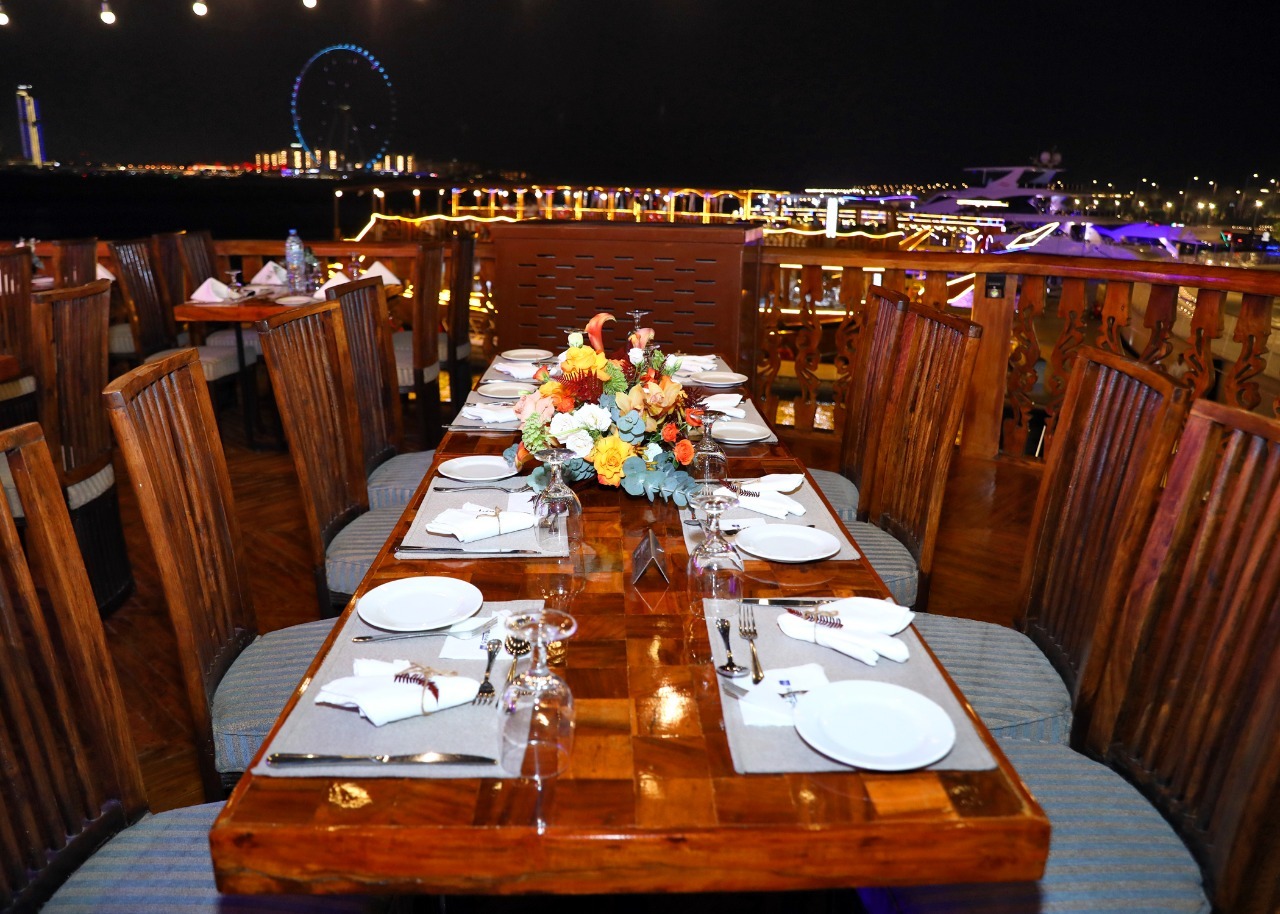
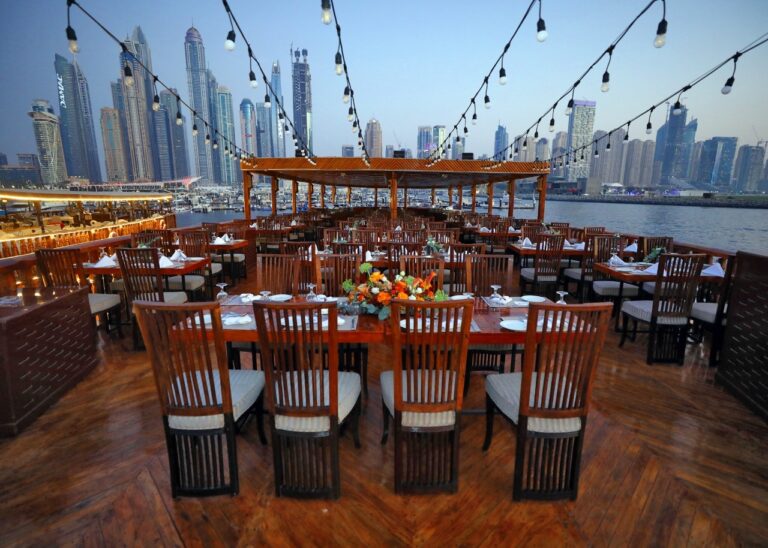
For visitors seeking exclusive experiences beyond conventional sightseeing tours, private charters allow for tailored journeys exploring hidden gems along coastal regions where larger boats cannot traverse easily.
The economic impact generated by tourism tied to these traditional vessels cannot be overstated—contributing significantly towards job creation within hospitality sectors while promoting awareness about Emirati culture globally.
Environmental Considerations
While embracing modernity through tourism initiatives involving dhows is vital for economic growth—it’s equally essential to consider environmental implications tied to increased maritime traffic along coastlines frequented by these traditional vessels.
Sustainable practices need attention; Dhow Cruise Dubai marina responsible operators must prioritize eco-friendly measures onboard while educating guests on preserving marine ecosystems crucial for maintaining biodiversity within local waters inhabited by diverse species ranging from colorful coral reefs teeming with life down below surface level up until majestic dolphins frolicking nearby during excursions out at sea!
Such measures ensure future generations can continue enjoying what makes this region unique—not just culturally but environmentally too!
Conclusion: Embracing Heritage While Looking Ahead
The legacy left behind by past generations who navigated treacherous waters aboard handcrafted dhows reminds us all about resilience against adversity faced throughout history—even today! Balancing tradition with innovation offers pathways forward as we harness potential opportunities presented via tourism while safeguarding cultural integrity rooted deep within our identities—inviting everyone onto board without losing sight where we’ve come from!
As you contemplate your next adventure amidst shimmering waters dotted with silhouette outlines marking iconic skylines—consider embarking on a voyage within one such timeless vessel steeped rich stories waiting patiently beneath sails whispering secrets held close since times long forgotten…